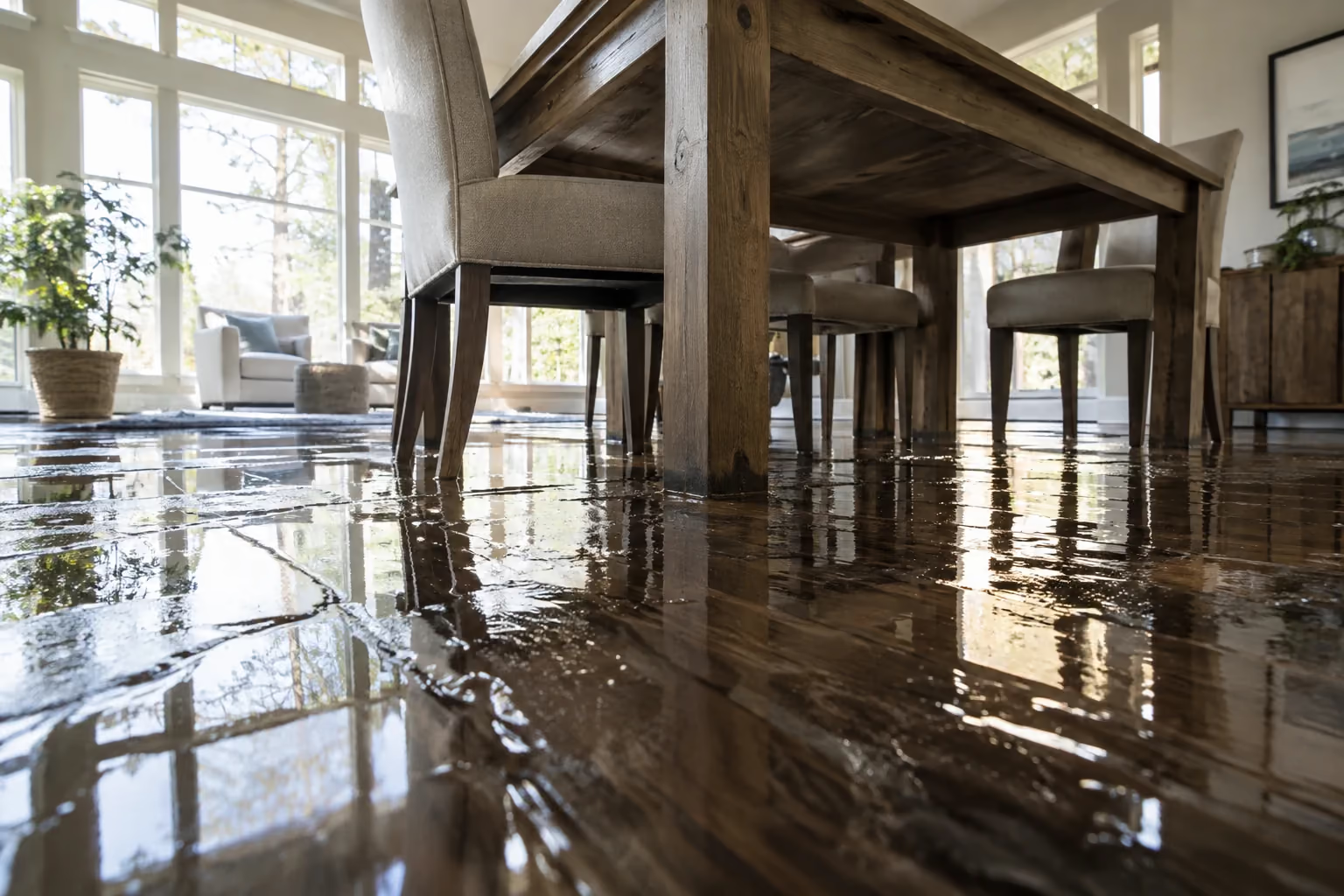
What happened?
Say whether the issue involves wind-driven rain, stormwater entering a doorway, water backing into low rooms, or another source of flood cleanup in Daytona Beach.
Flood Cleanup in Daytona Beach, FL for flooded rooms, stormwater, mud, outdoor debris, wet flooring, odor, damp drywall, or water that has receded but left materials soaked. Hugo helps homes, older buildings, waterfront properties, vacation rentals and hospitality spaces, and commercial spaces with floodwater removal, debris review, controlled cleanup, drying, odor concerns, and insurance documentation, safety-first guidance, and documentation support.
Call Hugo Fire & Water Restoration for 24/7 flood cleanup in Daytona Beach, FL. The call addresses floodwater removal, debris review, controlled cleanup, drying, odor concerns, and insurance documentation for homes, older buildings, waterfront properties, vacation rentals and hospitality spaces, and commercial spaces near Volusia County, Atlantic Coast, and Halifax River, with insurance documentation support that does not promise claim approval.
Flood Cleanup should match the damage in front of you, not just the service name. In Daytona Beach, FL, look at flooded rooms, stormwater, mud, outdoor debris, wet flooring, odor, damp drywall, or water that has receded but left materials soaked, then connect that to homes, older buildings, waterfront properties, vacation rentals and hospitality spaces, and commercial spaces, Volusia County, Atlantic Coast, and Halifax River, and whether the condition is still spreading.
A useful emergency call for flood cleanup explains the source, timeline, affected rooms, access notes, and documentation needs. Hugo can discuss floodwater removal, debris review, controlled cleanup, drying, odor concerns, and insurance documentation while keeping the conversation practical for Volusia County, FL properties.
Say whether the issue involves wind-driven rain, stormwater entering a doorway, water backing into low rooms, or another source of flood cleanup in Daytona Beach.
Mention flooded rooms, stormwater, mud, outdoor debris, wet flooring, odor, damp drywall, or water that has receded but left materials soaked, especially if water, smoke, odor, mold, openings, or unsafe access is still spreading.
Share whether you see damage to floors, lower walls, trim, cabinets, doors, contents, storage areas, and materials touched by floodwater.
Give access details and nearby context such as Volusia County, Atlantic Coast, and Halifax River when it helps explain parking, gates, drainage, storm exposure, or business access.
Ask what photos, notes, dates, mitigation records, and insurance documentation should be kept together.
Ask whether the first step should be extraction, drying, containment, board-up, tarping, cleanup, or safety review.
Use these first steps for flood cleanup in Daytona Beach, FL when the problem involves flooded rooms, stormwater, mud, outdoor debris, wet flooring, odor, damp drywall, or water that has receded but left materials soaked. If anyone is unsafe, call 911 before calling for restoration help.
Flood Cleanup work in Daytona Beach, FL should move from safety to stabilization, then into cleanup, drying, temporary protection, and documentation that fits the property.
Safety and reported-source screening in Daytona Beach, FL: connect the call to flooded rooms, stormwater, mud, outdoor debris, wet flooring, odor, damp drywall, or water that has receded but left materials soaked in Daytona Beach.
Access and visible-condition review in Daytona Beach, FL: use access details around Volusia County, Atlantic Coast, and Halifax River and the affected property type.
Confirmation that the requested work fits Hugo's services in Daytona Beach, FL: focus on floors, lower walls, trim, cabinets, doors, contents, storage areas, and materials touched by floodwater.
Extraction and affected-material evaluation when appropriate in Daytona Beach, FL: keep photos of the water line, entry point, debris, affected rooms, cleanup steps, drying records, and disposal notes together.
Drying and moisture monitoring when authorized in Daytona Beach, FL: match the work to wind-driven rain, coastal storm exposure, roof openings, salt-air wear, and humid interiors.
Documentation, next-step planning, or specialist handoff in Daytona Beach, FL: leave the owner or manager with a clearer record for Volusia County, FL.
If you searched for flood cleanup near me from Daytona Beach, FL, start with what changed at the property: flooded rooms, stormwater, mud, outdoor debris, wet flooring, odor, damp drywall, or water that has receded but left materials soaked. Flood Cleanup in Daytona Beach, FL should start with the local setting, not a generic checklist. Daytona Beach restoration needs reflect Atlantic coastal exposure, Halifax River floodplains, hotels, condos, event venues, restaurants, older neighborhoods and tourism-driven business interruption.
Hugo connects flood cleanup calls in Daytona Beach to floodwater removal, debris review, controlled cleanup, drying, odor concerns, and insurance documentation. For homes, older buildings, waterfront properties, vacation rentals and hospitality spaces, and commercial spaces, the goal is to stabilize what is active, protect what is exposed, and keep photos of the water line, entry point, debris, affected rooms, cleanup steps, drying records, and disposal notes easy to follow.
Local context matters. A call near Volusia County, Atlantic Coast, and Halifax River may involve different access, drainage, roof exposure, rental turnover, commercial schedule, or documentation concerns than another Volusia County, FL property.
When you call about flood cleanup in Daytona Beach, FL, describe flooded rooms, stormwater, mud, outdoor debris, wet flooring, odor, damp drywall, or water that has receded but left materials soaked, which rooms are affected, whether the condition is still active, and how the property can be accessed. Mention local context such as Volusia County, Atlantic Coast, and Halifax River when it helps explain storm exposure, parking, gates, tenants, business hours, or drainage. That gives Hugo a clearer starting point for safety, water removal, debris review, cleaning, drying, odor control, and a clear record of affected materials.
The first conversation for flood cleanup in Daytona Beach, FL should cover the source, timing, rooms affected, current safety issues, and whether the damage is still active. Local notes such as Volusia County, Atlantic Coast, and Halifax River can help explain access, drainage, roof exposure, business hours, tenant coordination, or property layout.
For this service, the most useful details are flooded rooms, stormwater, mud, outdoor debris, wet flooring, odor, damp drywall, or water that has receded but left materials soaked. Those details help Hugo discuss safety, water removal, debris review, cleaning, drying, odor control, and a clear record of affected materials without asking the customer to diagnose the building alone.
Volusia County, FL conditions such as wind-driven rain, coastal storm exposure, roof openings, salt-air wear, and humid interiors can change the order of work. A roof opening, smoke path, wet cabinet line, mold concern, flooded room, or board-up need may each require a different first step.
A flood cleanup request in Daytona Beach, FL can involve single-family homes, condos, townhomes, apartments with different access, safety, and documentation needs. The first call should focus on what is active now, what areas are affected, and whether people can safely stay out of damaged rooms.
Local conditions such as flooded rooms, stormwater intrusion, wet drywall, mud or debris can change the next step. Some properties need temporary protection first, while others need extraction, drying, smoke cleanup, containment, or careful documentation before materials are disturbed.
Hugo keeps the emergency path simple for Daytona Beach, FL: call for immediate guidance, share the damage source and affected rooms, keep photos from a safe position, and use the request form for details that help the team follow up, organize notes, and discuss restoration documentation.
Documentation is most useful when it connects the visible damage to the timeline and the emergency actions taken. For flood cleanup in Daytona Beach, FL, capture photos of the water line, entry point, debris, affected rooms, cleanup steps, drying records, and disposal notes from a safe position before cleanup or temporary protection changes the scene.
Hugo can help organize restoration documentation for owners, managers, adjusters, and carriers, but coverage and claim outcomes are determined by the insurance carrier. The goal is a clear record of water backing into low rooms, affected materials, and mitigation steps.
Compare related restoration services for Daytona Beach, FL, return to the Daytona Beach local hub, or review the main Flood Cleanup guide if you need broader information before calling.
Flood Cleanup in Daytona Beach, FL needs local context because wind-driven rain, coastal storm exposure, roof openings, salt-air wear, and humid interiors. Floodwater that may involve outdoor debris, unsafe contact, odors, and materials that cannot simply be dried in place can affect floors, lower walls, trim, cabinets, doors, contents, storage areas, and materials touched by floodwater.
In Daytona Beach, FL, the most likely restoration pressure points include wind-driven rain, coastal storm exposure, roof openings, salt-air wear, and humid interiors. That local mix affects whether the first move is extraction, drying, roof protection, mold containment, smoke cleanup, or board-up.
Nearby context such as Volusia County, Atlantic Coast, Halifax River, and Daytona Beach Shores can matter when rain, drainage, access, or property use shapes the emergency. A caller should describe those details instead of trying to diagnose the building alone.
This is a local restoration factor in Daytona Beach, FL that can affect mitigation, cleanup, drying, temporary protection, and insurance documentation decisions.
Florida humidity and AC condensation can keep materials damp in Daytona Beach, FL, increasing the need for drying, containment decisions, and mold-aware cleanup.
This is a local restoration factor in Daytona Beach, FL that can affect mitigation, cleanup, drying, temporary protection, and insurance documentation decisions.
In Daytona Beach, FL, heavy rain and storm activity can push water through roofs, windows, doors, and low drainage areas, making quick moisture checks and documentation important.
Roof leaks in Daytona Beach, FL can wet ceilings, insulation, wall cavities, flooring, and contents before the damage is obvious from inside the property.
Hidden leaks in Daytona Beach, FL can travel under flooring, behind baseboards, and into cabinets, so source control and moisture mapping help define the drying plan.
Hugo Fire & Water Restoration supports flood cleanup in Daytona Beach, FL, including floodwater removal, affected-material review, drying, odor concerns, and cleanup documentation for homes, older buildings, waterfront properties, vacation rentals and hospitality spaces, and commercial spaces near Volusia County, Atlantic Coast, and Halifax River.
Call as soon as the property is safe enough to discuss the damage. Early help can focus on safety, water removal, debris review, cleaning, drying, odor control, and a clear record of affected materials before conditions spread.
Photograph flooded rooms, stormwater, mud, outdoor debris, wet flooring, odor, damp drywall, or water that has receded but left materials soaked, affected rooms, entry points, contents, and any temporary protection from a safe position before cleanup changes the scene.
Yes. Flood Cleanup may connect to water mitigation, drying, mold prevention, fire cleanup, board-up, roof tarping, contents review, or insurance documentation depending on what happened.
Call for Flood Cleanup in Daytona Beach, FL as soon as damage is active, spreading, contaminated, smoky, storm-exposed, or unsafe.
Yes, Flood Cleanup in Daytona Beach, FL may include photos, scope notes, mitigation records, and insurance documentation support without guaranteeing claim outcomes.
Flood Cleanup in Daytona Beach, FL can support homes, condos, apartments, HOAs, rentals, restaurants, retail spaces, offices, and commercial buildings.
Flood Cleanup in Daytona Beach, FL may connect to water mitigation, drying, mold prevention, fire cleanup, storm protection, board-up, roof tarping, contents review, or documentation depending on conditions.
Flood Cleanup in Daytona Beach, FL may connect with nearby services when flooded rooms, stormwater, mud, outdoor debris, wet flooring, odor, damp drywall, or water that has receded but left materials soaked affects more than one part of the property. Choose the service that matches the active damage, then call for 24/7 help if the property needs immediate stabilization.
Water extraction in Daytona Beach, FL helps when wind-driven rain, coastal storm exposure, roof openings, salt-air wear, and humid interiors leaves visible water, soaked flooring, wet trim, or spreading moisture near Volusia County, Atlantic Coast, and Halifax River.
View serviceStructural drying in Daytona Beach, FL focuses on wet drywall, cabinets, subfloors, ceilings, and framing in homes, older buildings, waterfront properties, vacation rentals and hospitality spaces, and commercial spaces.
View serviceMoisture mapping in Daytona Beach, FL helps identify hidden damp areas after roof leaks, plumbing failures, AC leaks, stormwater, or firefighting water.
View serviceMold remediation in Daytona Beach, FL starts with the moisture source, containment planning, removal, and documentation for affected materials.
View serviceFire damage cleanup in Daytona Beach, FL may include debris, damaged openings, firefighting water, contents review, and safe next steps after emergency responders clear access.
View serviceSmoke and soot removal in Daytona Beach, FL matters when residue or odor travels through rooms, HVAC pathways, closets, contents, or business spaces.
View serviceStorm damage cleanup in Daytona Beach, FL may involve wind-driven rain, roof leaks, broken openings, debris, wet interiors, and documentation after severe weather.
View serviceRoof tarping in Daytona Beach, FL provides temporary protection when storm, wind, tree, or roof damage allows more rain to enter.
View serviceEmergency board-up in Daytona Beach, FL helps secure broken windows, doors, storefronts, fire openings, or storm-exposed areas before cleanup continues.
View serviceDecontamination and sanitization in Daytona Beach, FL is for property damage involving unsanitary water, residue, odor, or materials that need controlled cleanup.
View serviceContents cleaning in Daytona Beach, FL helps sort, document, and clean belongings, inventory, furnishings, or business items affected by water, smoke, mold, or storms.
View serviceInsurance documentation support in Daytona Beach, FL keeps photos, notes, mitigation records, and communication organized without promising claim outcomes.
View service
Daytona Beach, FL connects through Volusia County, FL, nearby service areas, and local context such as Volusia County, Atlantic Coast, and Halifax River. Use the map to understand local coverage, then call if flooded rooms, stormwater, mud, outdoor debris, wet flooring, odor, damp drywall, or water that has receded but left materials soaked needs immediate flood cleanup.
The public resources listed here include City of Daytona Beach. Flood Protection and City of Daytona Beach. Protecting Yourself from the Hazard, plus local stormwater, floodplain, emergency, or waterbody references that help explain flood cleanup conditions in Daytona Beach.
Use them for civic and preparedness details after the emergency call is handled. If flooded rooms, stormwater, mud, outdoor debris, wet flooring, odor, damp drywall, or water that has receded but left materials soaked is active in Daytona Beach, FL, call first so the next step stays focused on safety, mitigation, cleanup, temporary protection, and documentation.
Fast mitigation for flood cleanup in Daytona Beach, FL helps control floodwater that may involve outdoor debris, unsafe contact, odors, and materials that cannot simply be dried in place. For homes, older buildings, waterfront properties, vacation rentals and hospitality spaces, and commercial spaces near Volusia County, Atlantic Coast, and Halifax River, quick documentation and stabilization can keep the recovery easier to understand.
Call 24/7: (888) HUGONOWFlood cleanup should start with safety because stormwater can carry debris, residue, and hazards into rooms. In Daytona Beach, FL, that step often needs to account for Volusia County, Atlantic Coast, and Halifax River.
Extraction and debris review help separate what can be dried from materials that need closer cleanup decisions. In Daytona Beach, FL, that step often needs to account for homes, older buildings, waterfront properties, vacation rentals and hospitality spaces, and commercial spaces.
Drying, ventilation planning, and documentation help reduce lingering humidity, odor, and confusion after the water recedes. In Daytona Beach, FL, that step often needs to account for wind-driven rain, coastal storm exposure, roof openings, salt-air wear, and humid interiors.
Fast mitigation in Daytona Beach, FL helps reduce soaked drywall, swollen flooring, cabinet damage, ceiling staining, and hidden moisture after wind-driven rain, coastal storm exposure, roof openings, salt-air wear, and humid interiors.
Humidity can accelerate mold concerns in homes, older buildings, waterfront properties, vacation rentals and hospitality spaces, and commercial spaces, especially when leaks, flooding, or AC condensation are discovered late.
Smoke odor, soot residue, fire department water, and debris can spread through Daytona Beach, FL properties unless cleanup, ventilation, and protection begin quickly.
Flood Cleanup needs can affect homes, older buildings, waterfront properties, vacation rentals and hospitality spaces, and commercial spaces in Daytona Beach, FL. The property type changes access, contents, occupant communication, temporary protection, drying needs, and the documentation record.
These answers focus on flood cleanup in Daytona Beach, FL: flooded rooms, stormwater, mud, outdoor debris, wet flooring, odor, damp drywall, or water that has receded but left materials soaked, homes, older buildings, waterfront properties, vacation rentals and hospitality spaces, and commercial spaces, Volusia County, Atlantic Coast, and Halifax River, and documentation questions that often come up in Volusia County, FL.
Yes. Hugo supports flood cleanup in Daytona Beach, FL for homes, older buildings, waterfront properties, vacation rentals and hospitality spaces, and commercial spaces, with help for floodwater removal, affected-material review, drying, odor concerns, and cleanup documentation.
Stay out of floodwater when electrical hazards, unstable surfaces, or unknown debris may be present. If it is safe, document flooded rooms, stormwater, mud, outdoor debris, wet flooring, odor, damp drywall, or water that has receded but left materials soaked and call before cleanup changes the starting condition.
Yes. Documentation may include photos of the water line, entry point, debris, affected rooms, cleanup steps, drying records, and disposal notes. Insurance coverage and claim outcomes are determined by the carrier.
wind-driven rain, coastal storm exposure, roof openings, salt-air wear, and humid interiors can affect how quickly floodwater that may involve outdoor debris, unsafe contact, odors, and materials that cannot simply be dried in place becomes a larger restoration problem, especially for homes, older buildings, waterfront properties, vacation rentals and hospitality spaces, and commercial spaces near Volusia County, Atlantic Coast, and Halifax River.
Yes, Hugo provides flood cleanup in Daytona Beach, FL for urgent residential, commercial, HOA, and property management needs.
The first step for Flood Cleanup in Daytona Beach, FL is emergency help, safety review, source or exposure control, and documentation of visible damage.
Yes. Hugo Fire & Water Restoration provides 24/7 emergency help for water damage, fire damage, mold remediation, storm damage, board-up, roof tarping, structural drying, and insurance documentation support in Daytona Beach, FL.
Call Hugo Fire & Water Restoration for 24/7 emergency help, water extraction, structural drying, moisture documentation, and next-step guidance for homes, older buildings, waterfront properties, vacation rentals and hospitality spaces, and commercial spaces facing wind-driven rain, coastal storm exposure, roof openings, salt-air wear, and humid interiors in Daytona Beach, FL and Volusia County.
Yes. Hugo supports emergency help for fire damage, smoke and soot cleanup, odor concerns, board-up needs, and documentation support in Daytona Beach, FL.
Yes. Hugo can help route storm damage restoration requests in Daytona Beach, FL, including roof leak response, water mitigation, temporary property protection, and insurance documentation support.
Yes. Hugo supports emergency board-up and roof tarping requests in Daytona Beach, FL when openings, roof damage, broken windows, or exposed areas need temporary protection.
Yes. Hugo can help organize photos, mitigation notes, affected-area details, and restoration documentation for property damage in Daytona Beach, FL. Insurance coverage and claim outcomes are not guaranteed.
After water damage in Daytona Beach, FL, call emergency restoration first, stop the source only if safe, avoid electrical hazards, and photograph wet rooms or materials before cleanup changes the scene.
Drying should begin as soon as affected areas in Daytona Beach, FL are safe because wind-driven rain, coastal storm exposure, roof openings, salt-air wear, and humid interiors can keep drywall, flooring, cabinets, and contents wet longer than the surface suggests.
Yes. Hugo can support water extraction, moisture mapping, structural drying, and documentation for roof leaks, plumbing leaks, AC condensation, and stormwater intrusion in Daytona Beach, FL.
Hugo Fire & Water Restoration provides fire damage cleanup in Daytona Beach, FL, including smoke, soot, odor, debris, board-up, and documentation support for homes, older buildings, waterfront properties, vacation rentals and hospitality spaces, and commercial spaces.
Yes. Smoke odor cleanup in Daytona Beach, FL is urgent because residue can move through rooms, HVAC pathways, contents, closets, and porous materials.
Yes. Firefighting water can create water damage in Daytona Beach, FL, so extraction, drying, and moisture checks may be needed after the fire is out.
Yes. Mold can grow after water damage in Daytona Beach, FL when moisture remains in drywall, flooring, cabinets, insulation, contents, or HVAC-adjacent areas.
You may need mold remediation in Daytona Beach, FL if moisture lingered, materials stayed damp, musty odor developed, or visible growth appeared after the roof leak.
No. Avoid disturbing suspected mold in Daytona Beach, FL because spores and debris can spread; ask about containment, removal planning, and moisture-source control.
Call the 24/7 emergency line or send a request so urgent fire, water, mold, and storm damage can be handled quickly.