Stabilize Fast
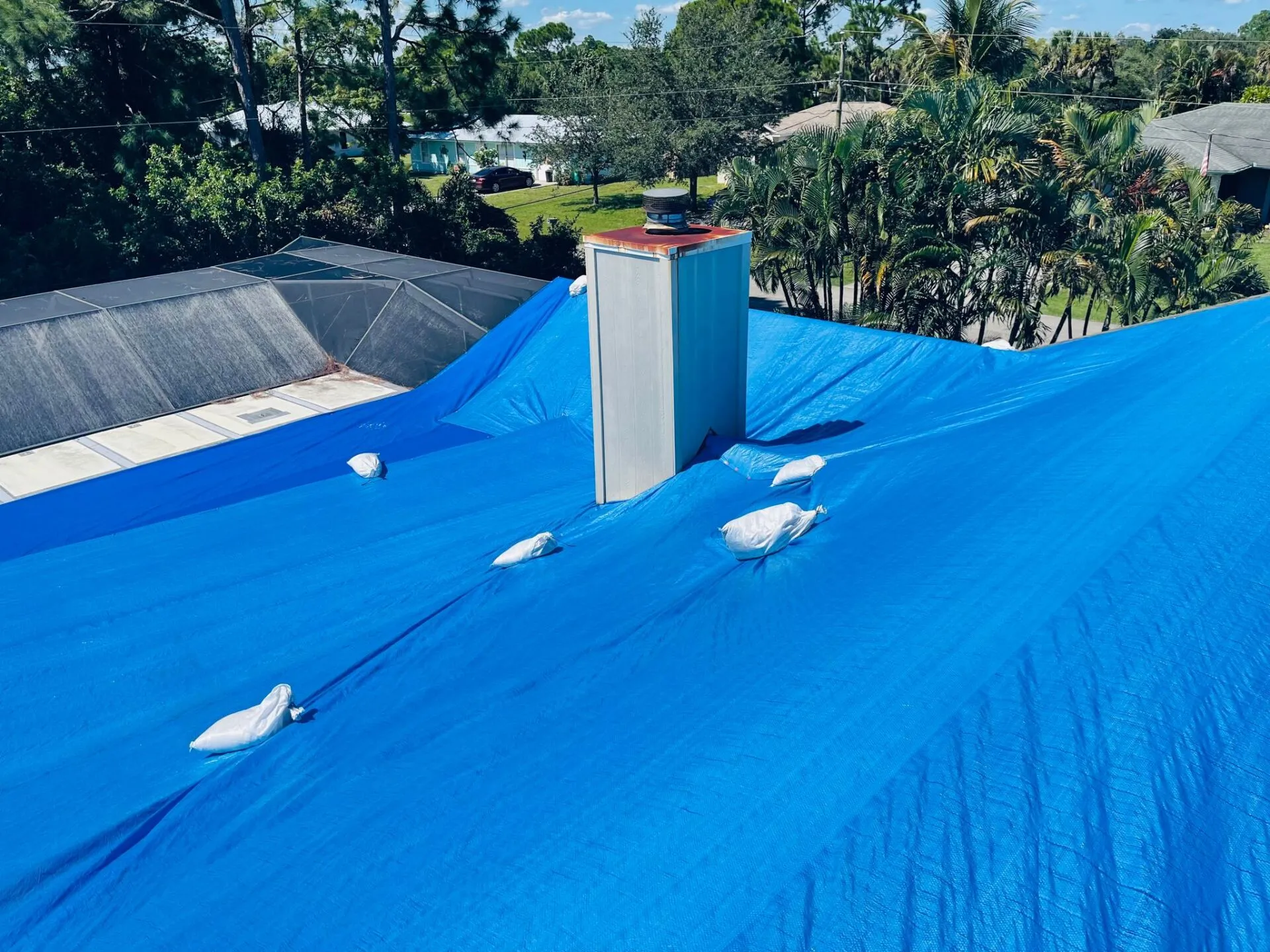
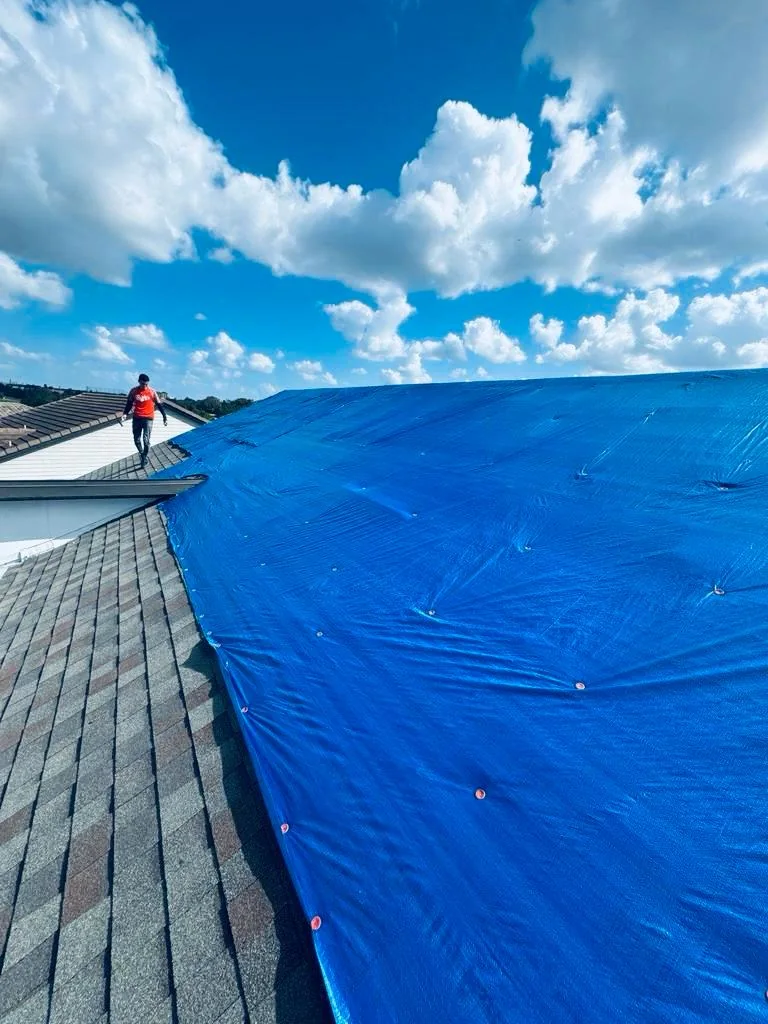
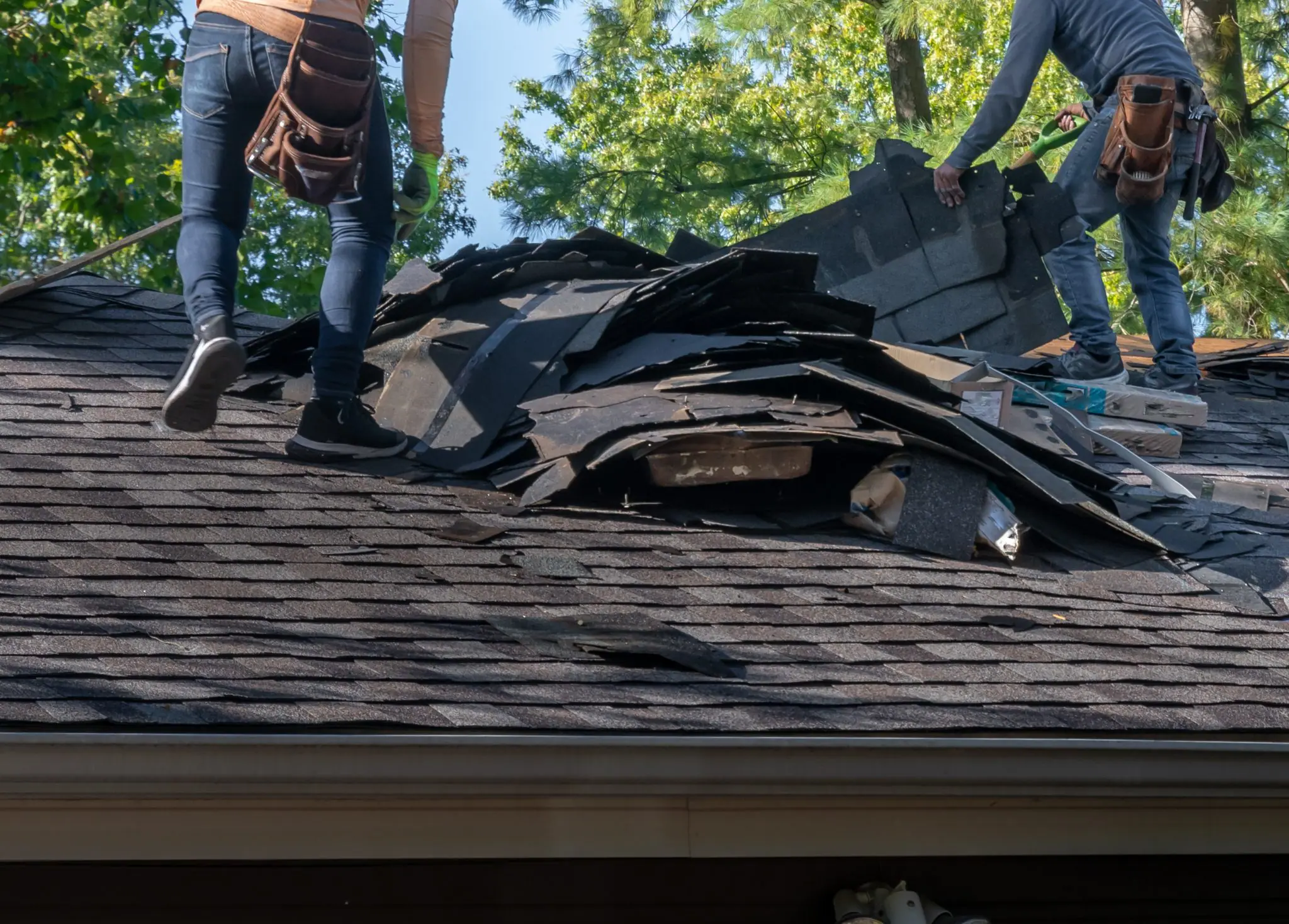
Temporary protection helps stop additional rain, debris, or security exposure while the full restoration plan is built.
Emergency restoration support after wind, rain, flooding, hurricanes, roof damage, fallen debris, and property exposure. Call first if the damage is active, then use the form for routing details and documentation support.
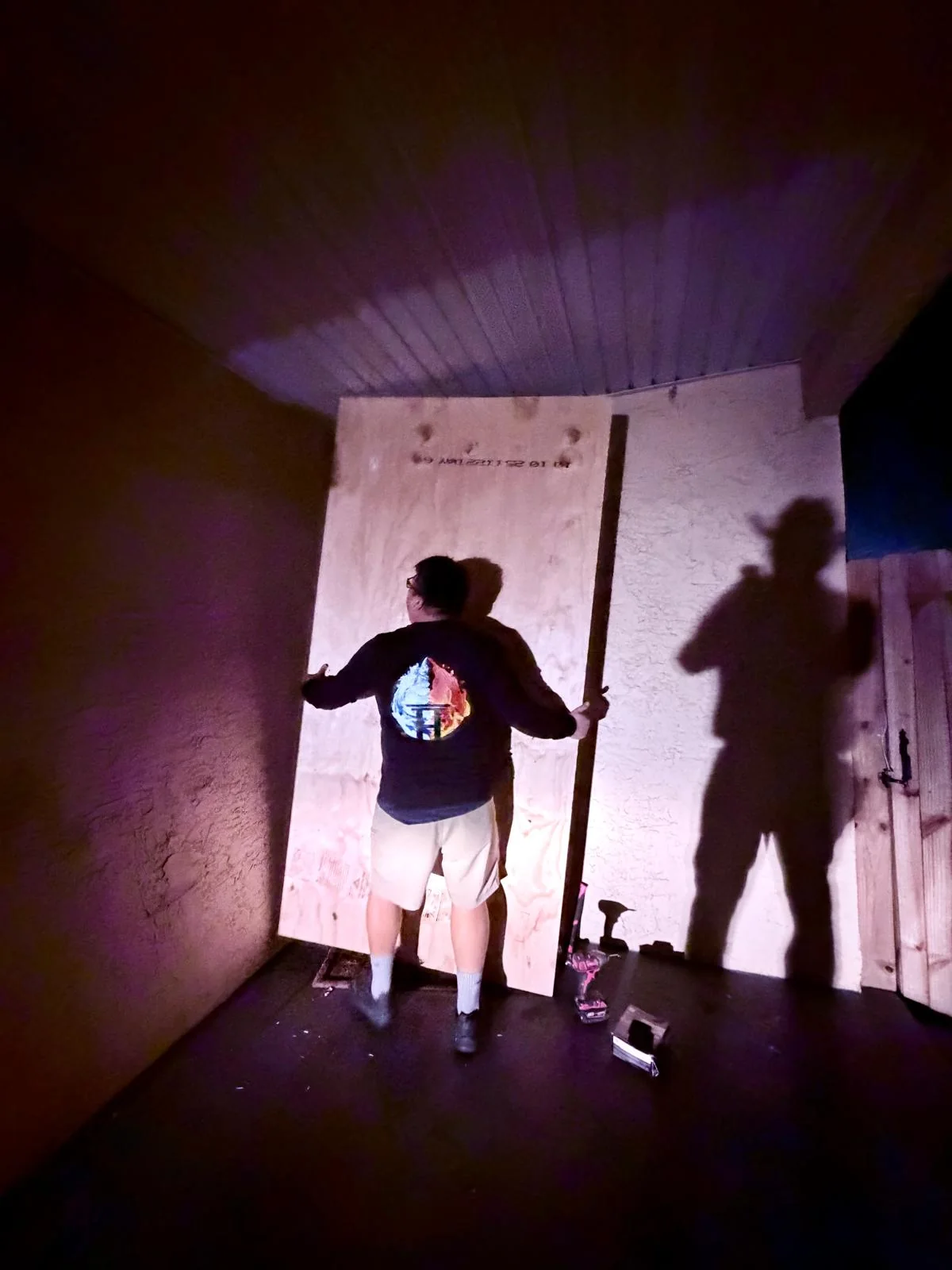
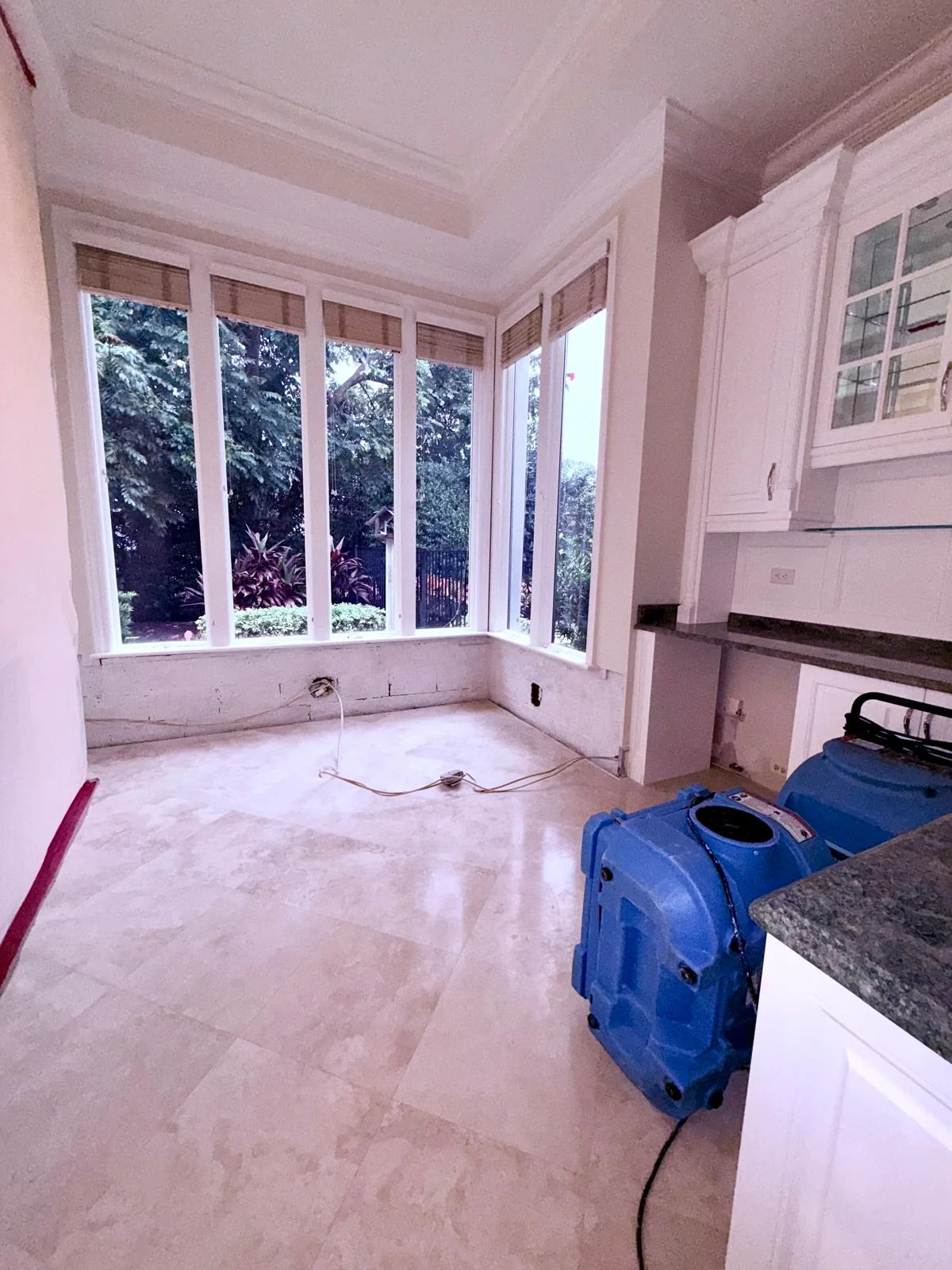
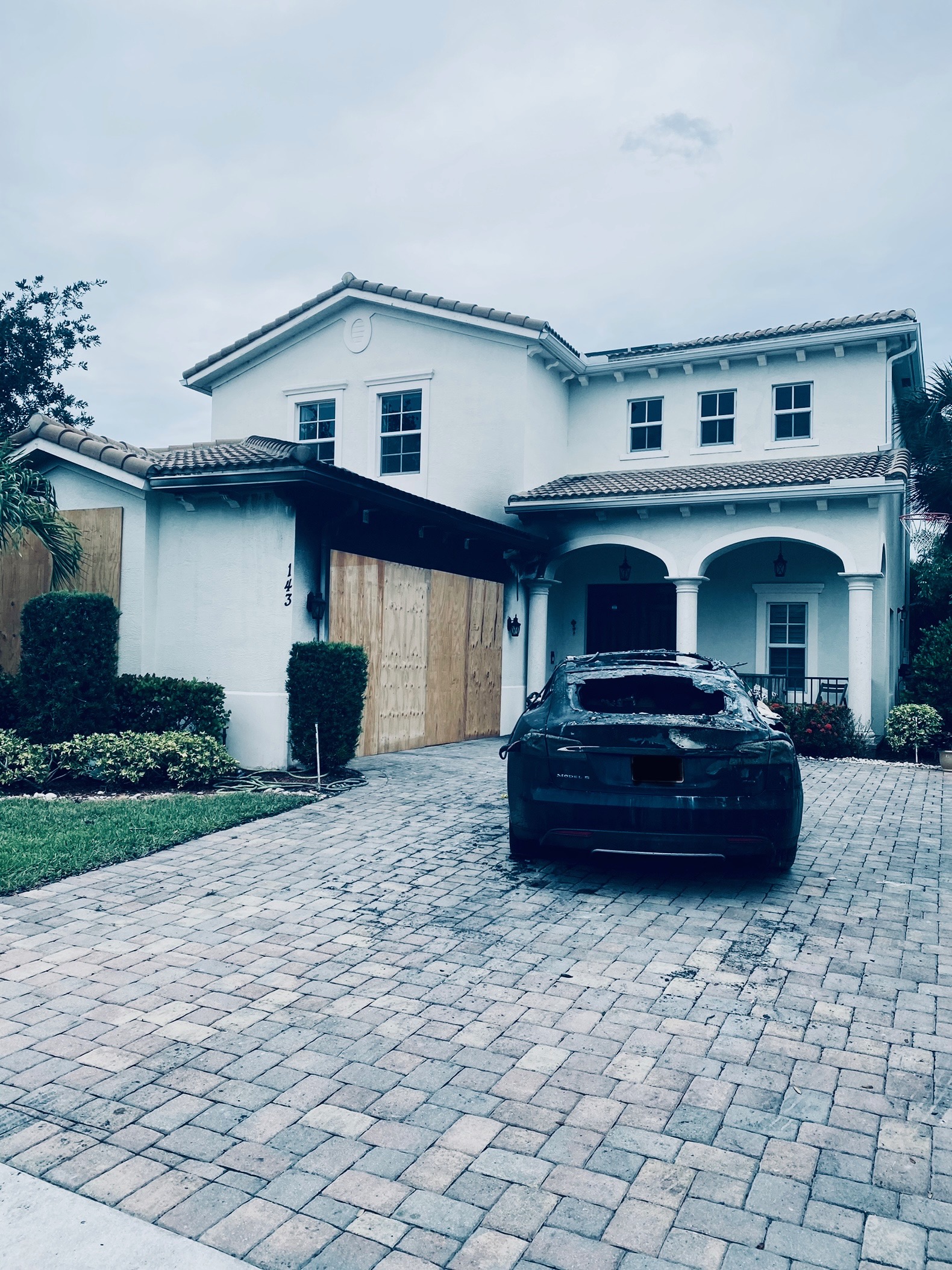
Storm damage response in Central Florida often combines roof protection, board-up, water mitigation, debris cleanup, structural review, and mold prevention. The priority is to stabilize the building quickly after wind, rain, hurricane, or flood damage.

Stabilize openings fast
If there is life safety danger, active fire, gas, electrical danger, structural collapse, or medical risk, call 911 first. If the property is safe to approach, call the restoration line and avoid disturbing damaged or contaminated areas.
After storm damage, avoid unsafe areas, document visible roof, window, door, and water intrusion damage if safe, and call Hugo for storm cleanup, roof leak response, board-up, roof tarping, water mitigation, and insurance documentation support.
Call immediately when damage is active, spreading, contaminated, or exposing the property to weather or security risks. Fast mitigation can reduce secondary damage.
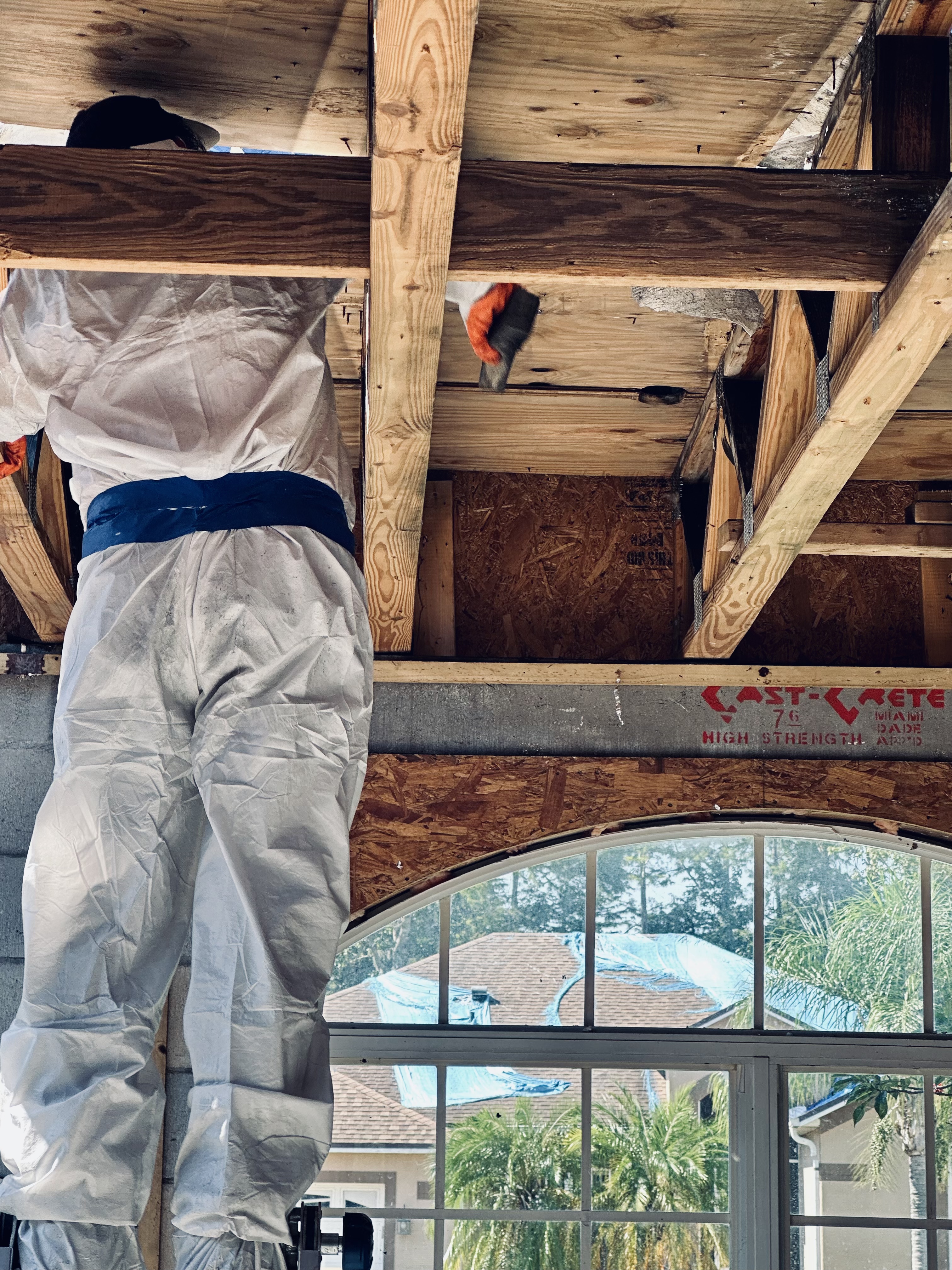
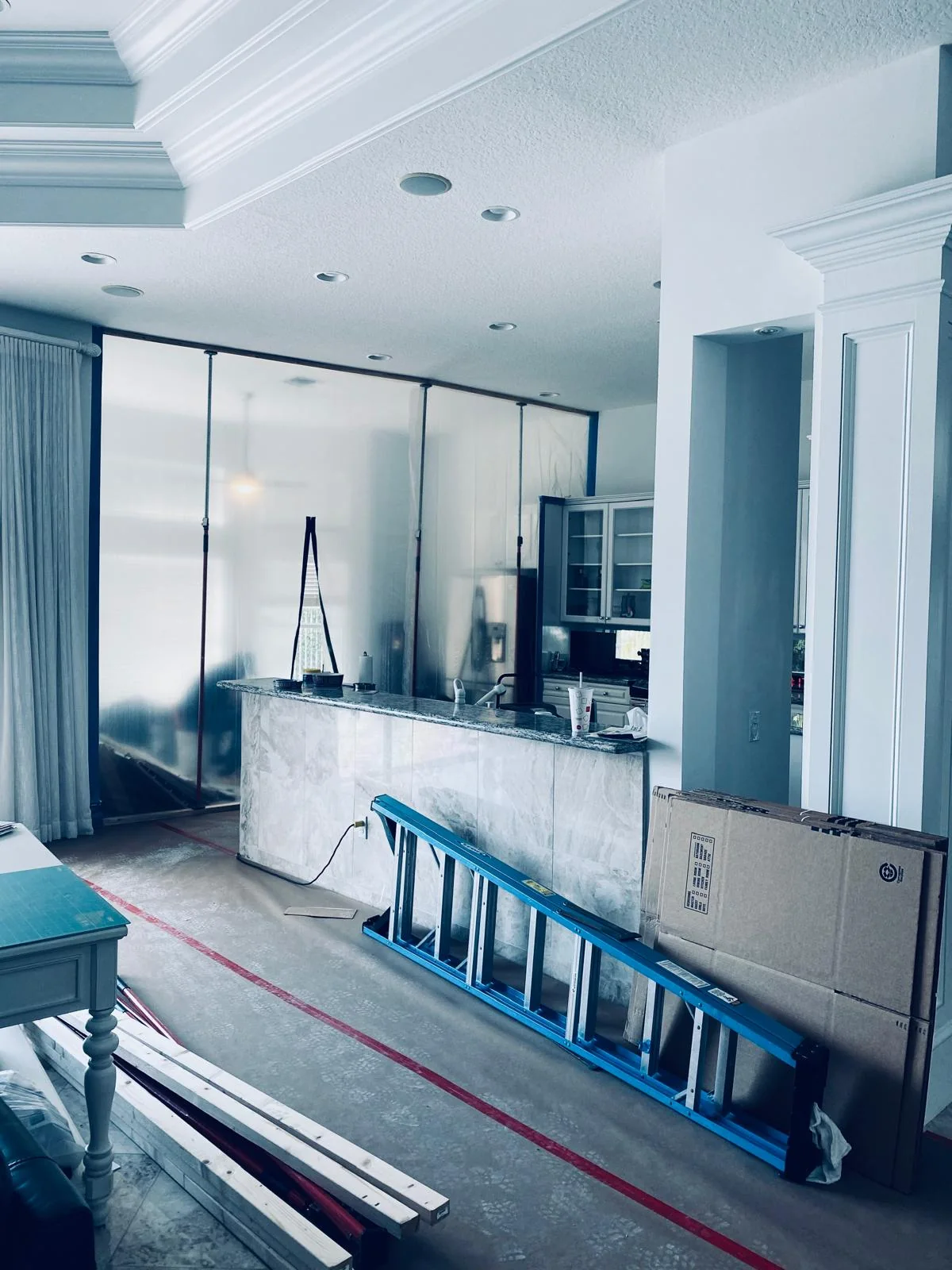
Emergency restoration support after wind, rain, flooding, hurricanes, roof damage, fallen debris, and property exposure. The work may include inspection, mitigation, cleanup, drying or treatment, documentation, and restoration planning based on the damage type.
Hugo Fire and Water Restoration, LLC is a St. Cloud-based restoration company serving Central Florida.
Water, fire, mold, storm, board-up, roof tarping, decontamination, contents, drying, cleanup, and insurance documentation support.
Central Florida, including Osceola, Polk, Brevard, Orange, Lake, Sumter, Volusia, and Seminole counties.
Yes. Hugo provides 24/7 emergency intake for active restoration requests.
Yes. Hugo can help organize photos, mitigation notes, scope details, and communication support without guaranteeing claim outcomes.
For active emergencies, call first. Use the form for routing details, documentation, and follow-up support.
After storm, roof, or opening damage, avoid downed lines and unstable areas, document visible damage if safe, and call for tarping, board-up, water mitigation, and documentation support.
A clear step-by-step process helps reduce confusion and keeps the recovery moving.
Emergency inspection
Temporary protection and stabilization
Water intrusion mitigation
Debris removal
Insurance documentation
Repair and restoration coordination
Fast mitigation, practical property protection, and clear updates help Central Florida property owners move from damage control into recovery with less confusion.
Temporary protection helps stop additional rain, debris, or security exposure while the full restoration plan is built.
Storm jobs often include water, roof, window, and contamination concerns at the same time.
The response is shaped around hurricane season, heavy rain, humidity, and fast-changing local conditions.

-2880w.webp)

The workflow can include photos, notes, mitigation records, and adjuster coordination support. Insurance information is general and does not guarantee coverage, reimbursement, or claim approval.
View Insurance HelpPrioritize safety, stay away from downed lines or unstable roof areas, document visible damage if safe, and call for storm damage restoration, board-up, roof tarping, water mitigation, and insurance documentation support.
Property protection comes first: board-up, roof tarping, water mitigation, and safety checks.
Yes. The restoration workflow includes photos, notes, and mitigation documentation for insurance documentation support.
“Shared that the crew was punctual, professional, and delivered restoration work he felt confident recommending.”
“Credited the team with responding quickly, limiting additional damage, and staying attentive throughout the job.”
“Noted careful smoke-odor follow-up and clear communication during the restoration process.”
Call the 24/7 intake line or send the emergency request so urgent fire, water, mold, and storm needs can be routed quickly.