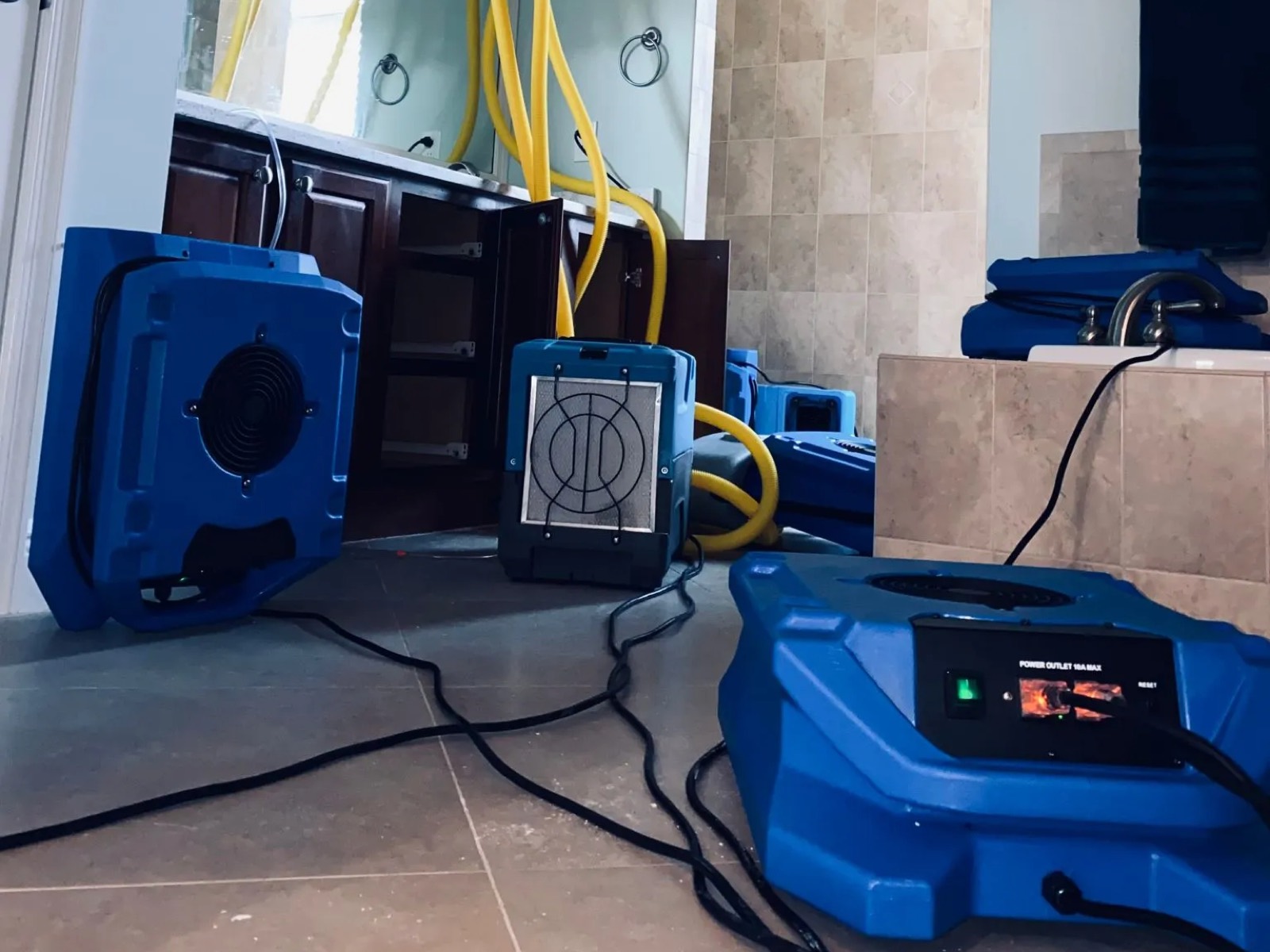
WATER MITIGATION RESPONSE
Extract. Dry. Document. Recover.
Water removal, drying equipment, moisture observations, and field documentation based on property conditions.
Hugo Fire & Water Restoration provides 24/7 water extraction, water removal, moisture evaluation, structural drying, dehumidification, affected-material cleanup, and restoration documentation throughout Central Florida.
Service is available for homes, businesses, rental properties, vacation rentals, managed properties, and commercial facilities.
For electrical hazards, structural collapse, gas odor, active fire, medical emergencies, or unsafe standing water, call 911 or the appropriate emergency authority first.
WATER MITIGATION RESPONSE
Water removal, drying equipment, moisture observations, and field documentation based on property conditions.
After water damage, keep people away from standing water and wet electrical systems, stop the source only when it is safe and practical, document visible conditions from a safe location, and call a restoration company for extraction, moisture evaluation, drying, and documentation.
For electrical danger, structural collapse, gas odor, active fire, medical risk, or other life-safety hazards, call 911 or the appropriate emergency authority first.
24/7 Emergency Response
Public intake is available day and night.
Verified 15-Minute Dispatch Process
Coordination begins after intake; arrival is not guaranteed.
Licensed and Insured
Restoration work stays within authorized capabilities.
IICRC-Certified Technicians
Certification is described at technician level.
Moisture Documentation
Readings, observations, equipment, and progress records.
English and Spanish Support
Phone support is available in both languages.
Dispatch timing refers to beginning coordination after intake and does not guarantee a specific arrival time.
Provide your contact information, service address, reported water source, affected rooms, standing-water conditions, and any access or electrical concerns. Hugo’s intake team will review the request and begin dispatch coordination.
Dispatch timing refers to beginning coordination after intake and does not guarantee a specific arrival time. Weather, access, road conditions, location, demand, hazards, and crew availability can affect response. A web form is not appropriate for life-safety danger.
Call Now: (888) 484-6669Water damage restoration is the broader process of controlling moisture-related damage after an active loss. Depending on the source and affected materials, work may include water extraction, moisture evaluation, structural drying, dehumidification, cleaning, contents support, documentation, and restoration planning.
Removal of accessible standing water and excess moisture when site conditions permit.
Explore emergency water extractionExtraction from carpet, padding, hard flooring, and other accessible affected areas based on property conditions.
Request water removal supportReadings and affected-area observations help identify materials that may remain wet. Concealed conditions may require access or additional evaluation.
See moisture and drying servicesAir movement, dehumidification, monitoring, and equipment adjustments are guided by material response and moisture observations.
Learn how structural drying worksIndoor moisture conditions may be controlled during drying to support evaporation and material evaluation.
Review dehumidification supportHugo reviews affected drywall, flooring, trim, ceilings, cabinets, insulation, and other materials within the authorized restoration scope.
Request an affected-material evaluationAffected belongings may require documentation, handling, cleaning, or coordination based on their condition and authorized scope.
Review contents cleaning supportCleaning or sanitization is selected according to known source conditions, materials, safety controls, and authorized scope.
Discuss cleaning scope with HugoThe job file may include photographs, affected-area notes, moisture observations, equipment placement, and drying records.
Learn how restoration work is documentedHugo can organize restoration information for the property owner and authorized insurance representatives without determining coverage.
Review insurance claims assistanceExtraction is an urgent mitigation step. Restoration is the larger, property-specific process used to evaluate moisture, dry affected materials, document conditions, and organize appropriate next steps.
Water extraction is the immediate removal of accessible standing water and excess moisture to help limit continued movement into materials.
Water damage restoration is the broader recovery process that may continue after visible water has been removed.
Removing visible water does not confirm that walls, flooring, cabinets, ceilings, insulation, or concealed spaces are dry.
Hugo’s response path moves from safety and intake through dispatch coordination, extraction, moisture evaluation, drying setup, monitoring, documentation, and clear handoffs based on the conditions found.
Hugo collects the property address, contact information, reported source, active leaking, standing-water conditions, affected rooms, access limitations, and immediate safety concerns.
The intake team begins coordinating a response based on urgency, location, source conditions, access, and available information. Hugo’s verified 15-minute dispatch process refers to initiating dispatch coordination after intake and does not guarantee a specific arrival time.
When conditions permit, the crew reviews visible hazards, reported source information, affected areas, water spread, access, and immediate mitigation priorities. Specialized repairs or clearances remain with appropriately qualified parties.
Accessible standing water and excess moisture may be removed from affected areas based on source conditions, safety, access, materials, and authorized scope.
Technicians may document moisture conditions and place applicable air-movement and dehumidification equipment based on the materials and drying plan.
The crew monitors drying progress where applicable, records observations, adjusts equipment when appropriate, and communicates the next restoration steps or specialist handoffs.
Moisture can remain inside building materials and concealed spaces after visible water is removed. Drying decisions should be based on property conditions and appropriate observations—not appearance alone.
A reading or visible condition can help identify an affected material at a specific point. It does not guarantee that every cavity or concealed assembly has been evaluated without access.
Concealed materials may remain affected and may need readings, access, monitoring, or specialist evaluation.
Learn About Structural DryingHigh ambient humidity can reduce evaporation and make wet materials harder to evaluate by sight alone. Effective drying may require controlled air movement, dehumidification, moisture observations, and equipment adjustments based on site conditions.
High outdoor humidity can reduce the drying potential of untreated incoming air, although each property and weather condition is different.
Dehumidification can help manage water vapor released as wet materials dry.
Air movement may support evaporation when the source and contamination conditions allow it.
Drywall, wood, flooring, insulation, cabinets, and masonry respond differently and may require different observations.
Moisture may remain beneath finishes or inside cavities even when exposed surfaces look dry.
Readings and site observations help determine whether equipment placement or the drying approach should change.
An HVAC system should not be used as a drying shortcut when operation could create an electrical, mechanical, or contamination concern.
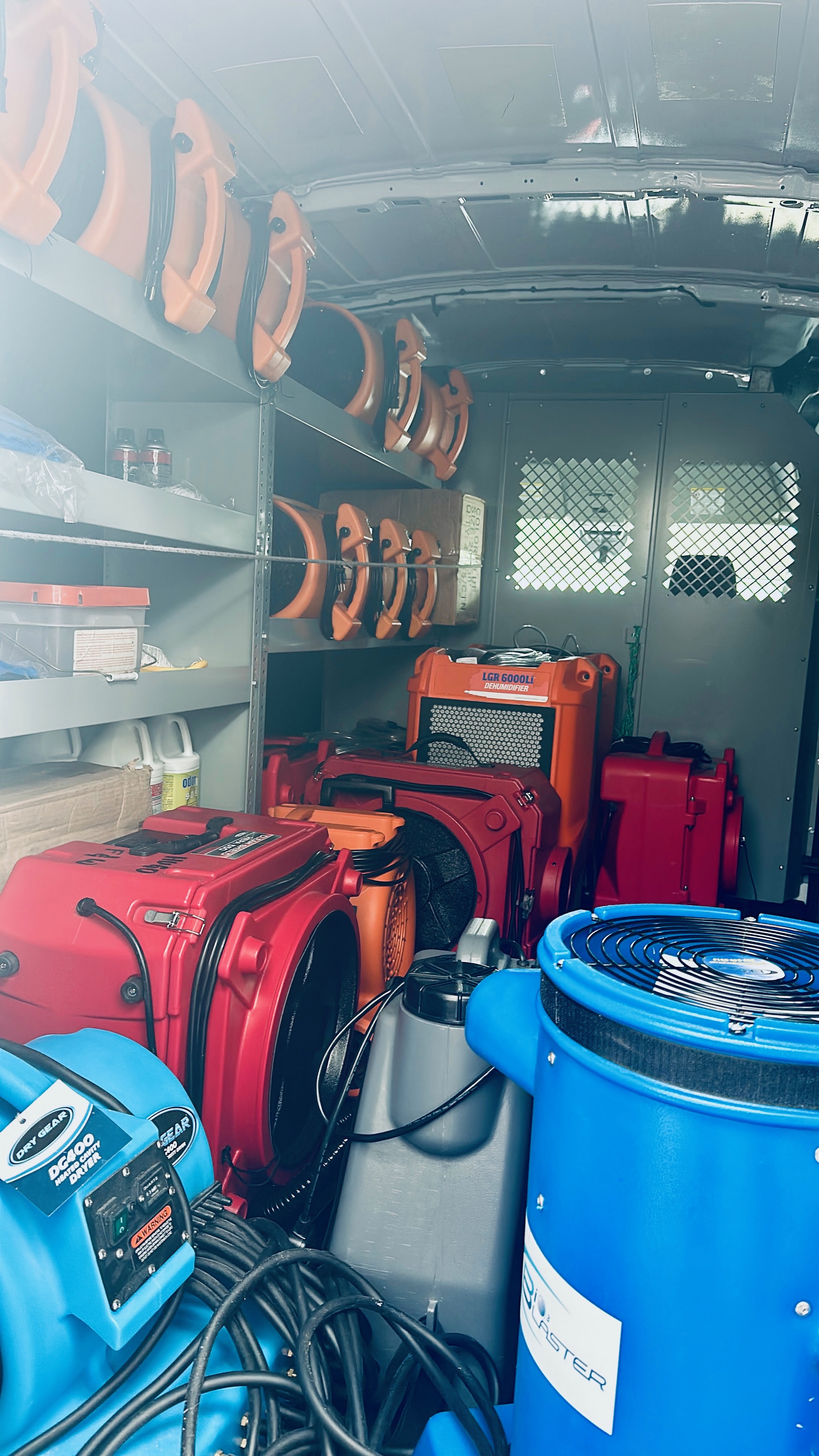
Plumbing, appliances, building systems, roof openings, storms, fire suppression, and commercial equipment can create different water-loss conditions. The reported source helps guide safety screening, extraction, drying, cleaning, documentation, and specialist handoffs.
Water can spread through walls, floors, cabinets, and adjacent rooms before the source is controlled.
View burst-pipe water damage helpDishwashers, washing machines, refrigerators, and supply lines can affect flooring, trim, cabinets, and nearby rooms.
Water-heater leaks or failures may release significant water around utility areas and adjacent materials.
AC-related moisture can affect ceilings, drywall, flooring, and materials around air handlers or condensate systems.
Review AC-leak water damage supportRoof damage or openings can allow water into ceilings, insulation, walls, flooring, and contents.
View roof-leak water damage helpWind-driven rain may enter through roofs, windows, doors, soffits, or damaged exterior openings.
Review storm damage restorationWater may move above ceilings and through insulation or other materials before becoming visible below.
Water used during fire suppression can affect flooring, walls, ceilings, cabinets, contents, and concealed spaces.
See fire and suppression-water restorationBusinesses may require extraction, drying, access coordination, documentation, and restoration planning.
The water source affects safety, mitigation, cleaning, and restoration decisions. Hugo does not claim to perform plumbing, roofing, electrical, HVAC, or appliance repair unless separately verified.
Water losses can involve different source conditions and contamination risks. The appropriate restoration approach depends on the source, affected materials, time, access, and safety concerns.
Cost depends on the water source, amount of water, number of affected areas, wet materials, concealed moisture, extraction requirements, drying equipment, access, contents, cleaning needs, and project duration.
An online estimate cannot accurately determine restoration scope or cost without property-specific information, source screening, affected-material observations, access details, and authorization.
Request a Property EvaluationHugo Fire & Water Restoration can organize photographs, affected-area notes, reported source information, moisture observations, extraction records, equipment placement, drying information, contents notes, and restoration details for the property owner’s claim file.
Hugo provides water mitigation and restoration support for residential, commercial, managed, and vacation-rental properties. Each response is organized around safe access, affected materials, authorized scope, communication needs, and property-specific documentation.
Water restoration for single-family homes, condos, and apartments may address plumbing or appliance leaks, roof leaks, and wet flooring, drywall, ceilings, cabinets, or contents.
Offices, retail locations, warehouses, multi-unit buildings, and managed properties may need phased access, documentation, stakeholder communication, and restoration planning without promises about uninterrupted operations.
Vacation-rental losses may involve owner and manager communication, guest-access concerns, water mitigation, drying, restoration documentation, and vendor coordination where applicable.
Property restoration work does not promise uninterrupted occupancy, guest access, business continuity, or a specific reopening time. Property conditions and authorized parties determine access and operational decisions.
Review restoration support for property managersSee Hugo crews performing water removal, moisture checks, and structural drying work. The exact scope, equipment, and timeline depend on conditions at each property.
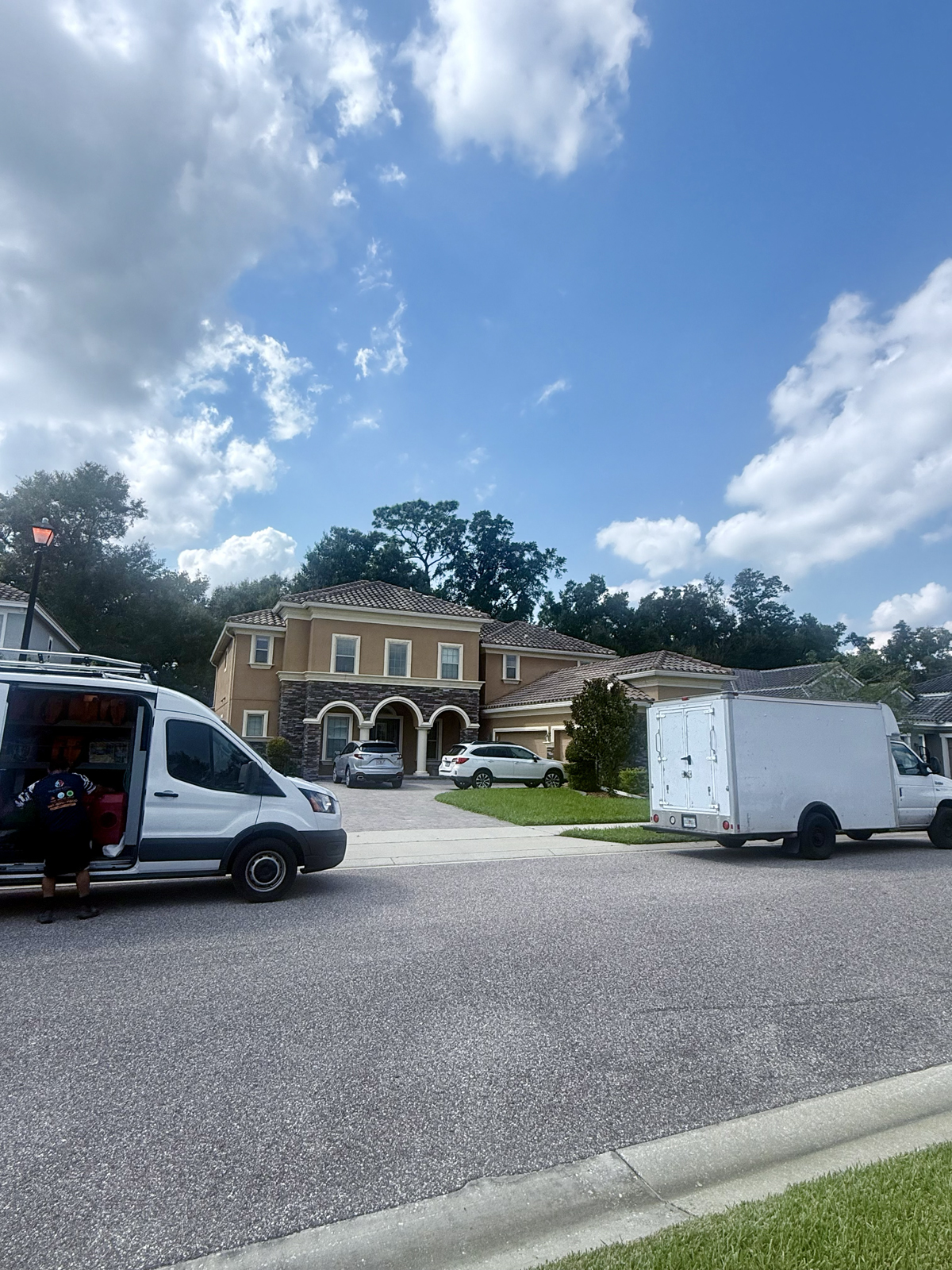
Hugo restoration vehicles positioned outside a residential property.
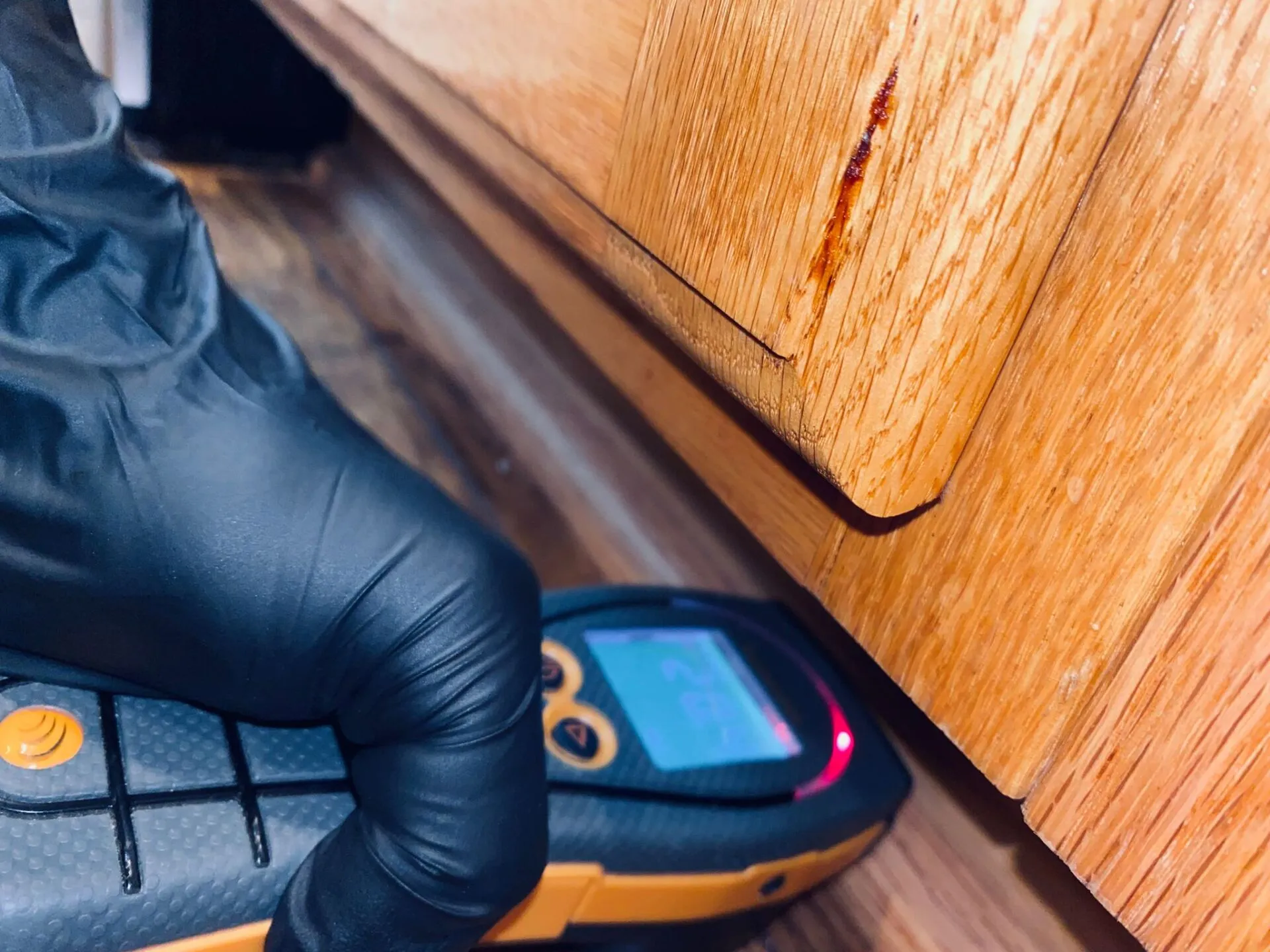
A technician uses a handheld meter beside wood trim. Readings inform restoration decisions but do not establish structural safety, contamination status, or insurance coverage.
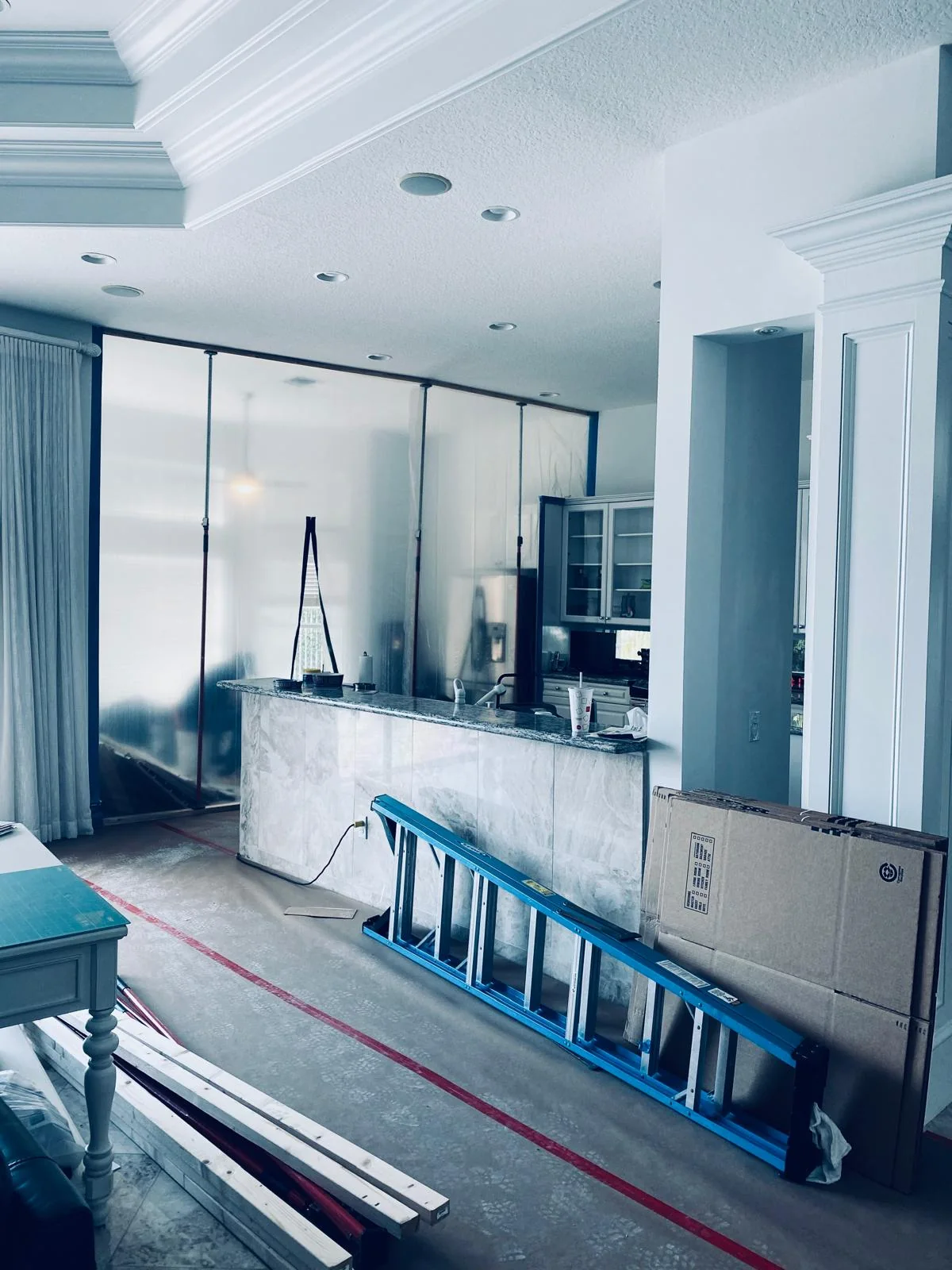
Temporary separation and floor protection around an interior restoration work zone.
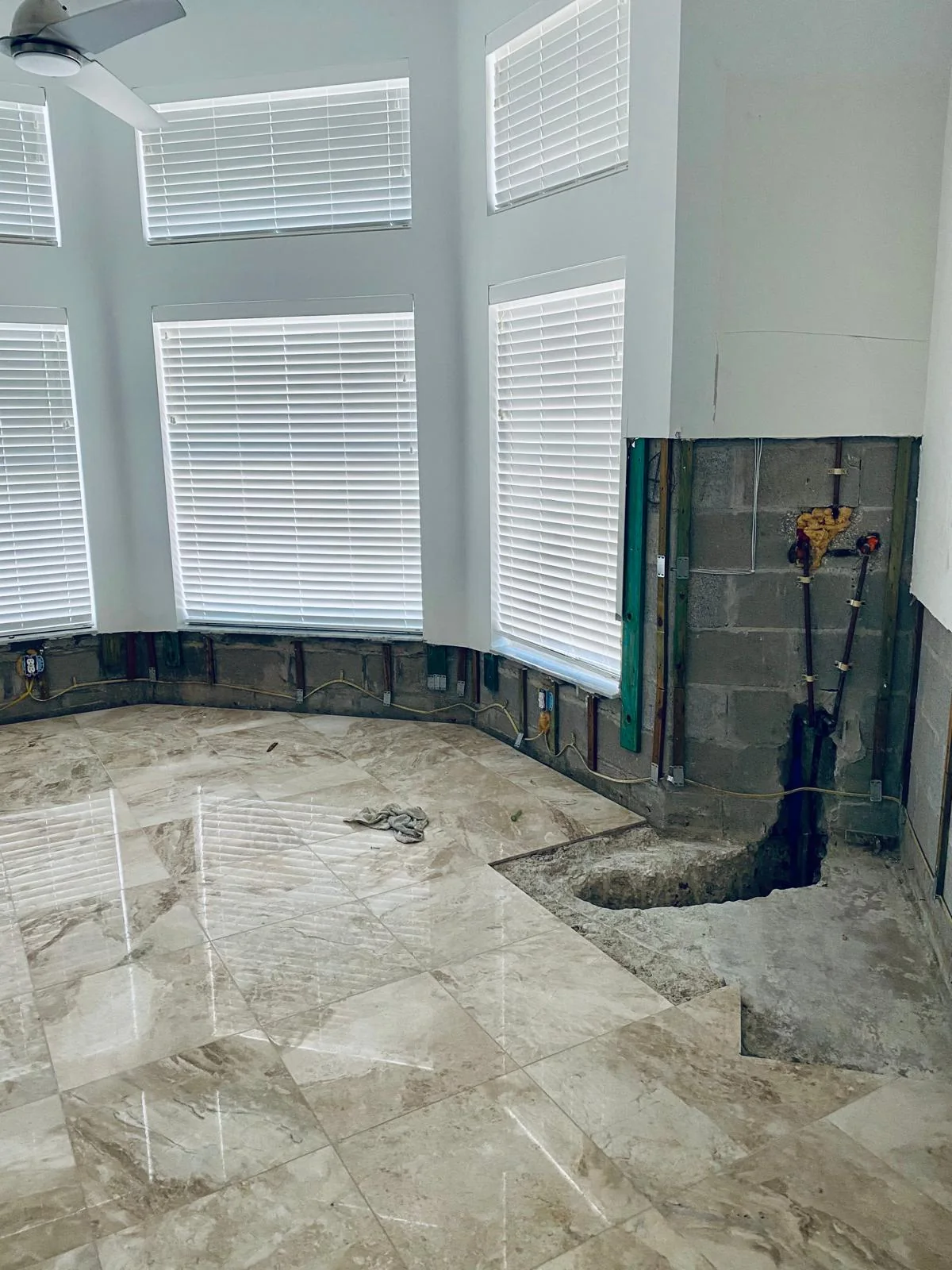
Lower wall materials and part of the floor removed to access affected areas during restoration work.
Hugo Fire & Water Restoration is a St. Cloud-based property damage restoration company with 24/7 intake, a verified dispatch process, technician-level IICRC certification, bilingual phone support, and restoration documentation for residential and commercial water losses.
Hugo’s public business address is in St. Cloud, Florida.
The public emergency line accepts restoration requests day and night.
The 15-minute process begins coordination after intake; it is not an arrival guarantee.
Work is performed within authorized restoration capabilities and applicable project conditions.
Hugo describes certification at the technician level, not as a blanket certification of every service or outcome.
Phone support is available in English and Spanish; the website also offers additional translated routes.
Project records may include observations, readings, equipment placement, monitoring, and progress notes.
Hugo serves homes, businesses, rentals, managed properties, and commercial facilities within its service area.
The current status is connected to Hugo’s maintained public BBB profile.
Water losses may involve plumbing, roofing, electrical, HVAC, structural, environmental, or other conditions outside a restoration contractor’s scope. Hugo performs restoration services within its authorized capabilities and may recommend an appropriately qualified professional when specialized evaluation or repair is required.
Hugo Fire & Water Restoration is based in St. Cloud and serves residential and commercial water-damage restoration requests across Osceola, Orange, Polk, Brevard, Seminole, Lake, Sumter, and Volusia counties.
4551 Hunting Lodge Dr, Saint Cloud, FL 34772
Read current customer feedback through Hugo’s maintained reviews page and public profile. Service details appear only when the original review source supports them; this page does not invent water-specific testimonials, rating values, or review counts.
These public sources offer general guidance for moisture control, cleanup safety, documentation, Florida emergency planning, and professional water-restoration standards. They do not establish that a property is safe, determine project scope, or replace emergency authorities and qualified on-site specialists.
Answers about immediate safety, extraction, concealed moisture, dispatch coordination, structural drying, cost, household fans, mold concerns, documentation, property types, and Hugo’s Central Florida service area.
Keep people away from standing water and wet electrical systems. Stop the source only when safe and practical, photograph visible conditions from a safe position, note when the loss was discovered, and call for water extraction, moisture evaluation, drying, and documentation. Call 911 or the appropriate emergency authority for life-safety hazards.
Call Hugo Fire & Water Restoration for 24/7 water extraction, water removal, moisture observations, structural drying, dehumidification, affected-material cleanup, and restoration documentation in St. Cloud and across Central Florida.
Water extraction removes accessible standing water and excess moisture. Water damage restoration is the broader process that may continue with moisture observations, structural drying, dehumidification, equipment monitoring, affected-material review, cleaning, contents support, documentation, and next-step coordination.
Yes. Moisture may remain behind baseboards, inside drywall, under carpet or finished flooring, beneath cabinets, around insulation, and in ceiling or wall cavities. Some concealed conditions may require readings, access, or additional evaluation; no noninvasive check can confirm every hidden condition.
Hugo offers a verified 15-minute dispatch process after emergency intake. This refers to beginning dispatch coordination and does not guarantee a specific arrival time.
There is no universal drying duration. The source, materials, amount of water, humidity, access, equipment, concealed moisture, and progress observations affect timing. Drying decisions should be based on project conditions rather than a fixed schedule.
Cost depends on source conditions, accessible water, affected rooms and materials, concealed moisture, extraction, equipment, monitoring, contents, cleaning requirements, access, coordination, and project duration. An online estimate cannot determine an accurate scope or price without property-specific information.
Household fans may be inappropriate when contamination or mold is suspected, when electrical conditions are uncertain, or when airflow could spread unwanted material. Air movement and dehumidification should be selected according to the source, affected materials, safety conditions, and drying plan.
Wet materials can create conditions where mold concerns develop. Source control, timely extraction, moisture evaluation, drying, and monitoring can reduce moisture-related risk, but Hugo does not guarantee mold prevention or a specific outcome.
Yes. Hugo can organize factual restoration photographs, affected-area and source notes, moisture observations, extraction records, equipment placement, drying progress, contents details, and authorized work information. The insurance carrier and applicable policy determine coverage, approval, payment, and reimbursement.
Yes. Hugo serves homes, businesses, managed properties, multi-unit properties, rental homes, and vacation rentals within its Central Florida service area. Access, stakeholder communication, documentation, and work sequencing are planned around property conditions without promising uninterrupted occupancy or operations.
Hugo is based in St. Cloud and serves water-damage restoration requests across Osceola, Orange, Polk, Brevard, Seminole, Lake, Sumter, and Volusia counties. The service-area section links verified county and priority-city routes.
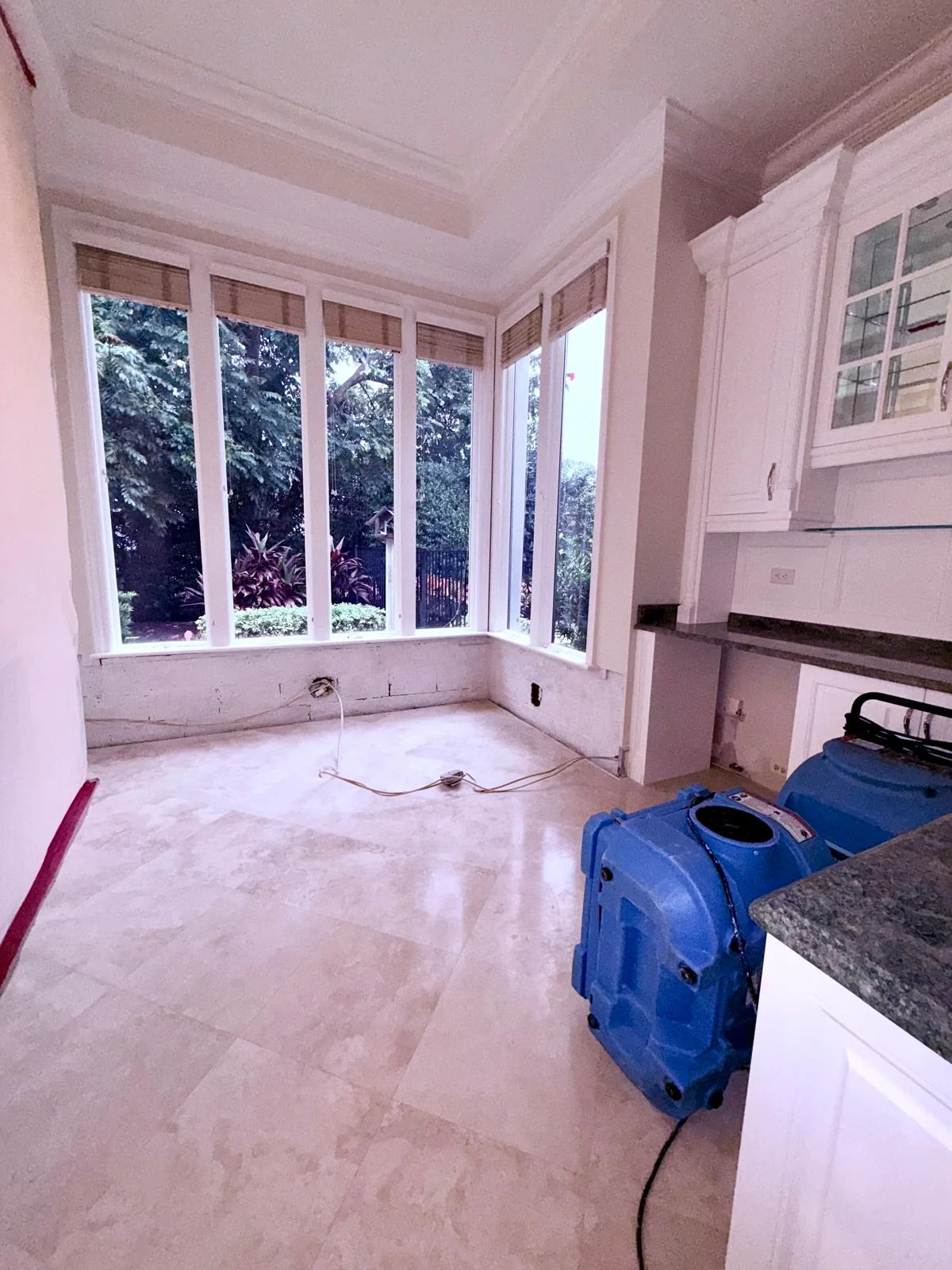
Call Hugo Fire & Water Restoration for 24/7 water extraction, water removal, moisture evaluation, structural drying, dehumidification, cleanup, and restoration documentation in St. Cloud and Central Florida.
For electrical hazards, structural collapse, gas odor, active fire, medical emergencies, or unsafe standing water, call 911 or the appropriate emergency authority first.
English and Spanish phone support available.