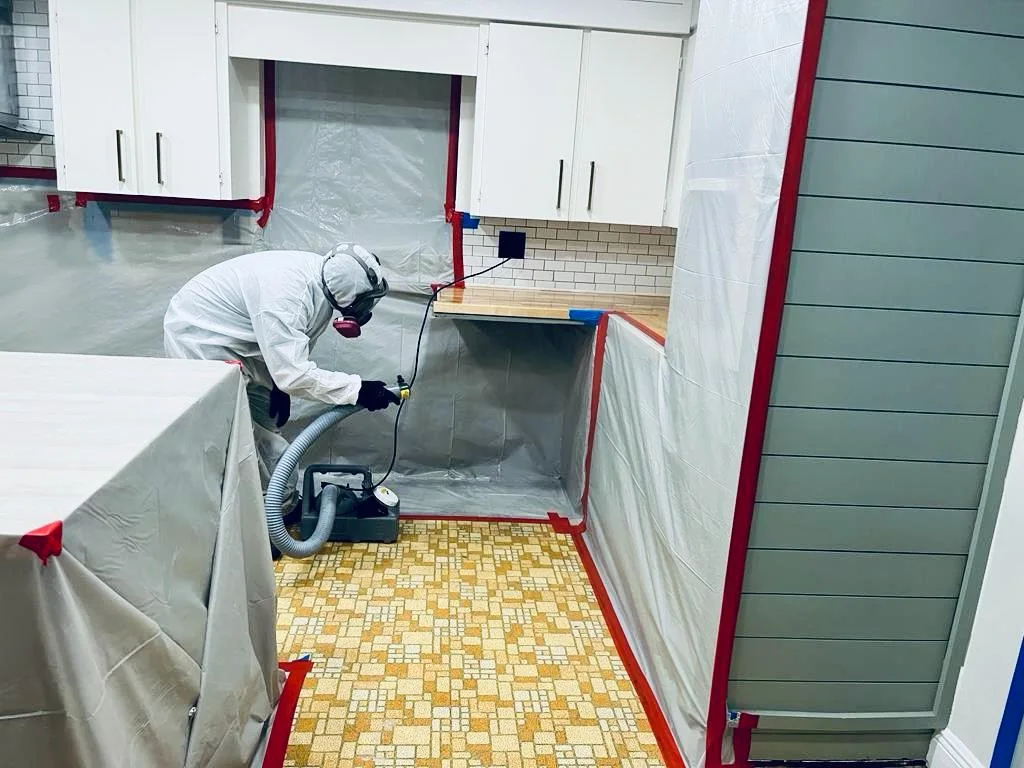
MOLD REMEDIATION RESPONSE
Contain. Filter. Remove. Document.
Controlled remediation, affected-material handling, moisture coordination, and documentation based on site conditions and authorized scope.
Hugo Fire & Water Restoration provides licensed mold remediation, containment, HEPA filtration, affected-material removal, moisture-related restoration support, and remediation documentation throughout Central Florida.
Mold assessment, laboratory testing, remediation protocol development, and post-remediation verification may require a properly licensed independent mold assessor.
Avoid disturbing suspected mold or blowing air across affected materials. Occupants experiencing symptoms or health concerns should contact a qualified healthcare professional.
MOLD REMEDIATION RESPONSE
Controlled remediation, affected-material handling, moisture coordination, and documentation based on site conditions and authorized scope.
Avoid disturbing suspected mold, keep occupants away from affected materials, stop the moisture source only when safe, and contact a licensed mold-remediation professional for next-step guidance.
For structural danger, electrical danger, gas odor, active flooding, fire, medical risk, or other life-safety concerns, call 911 or the appropriate emergency authority first.
Hugo Fire & Water Restoration performs applicable mold-remediation services under Florida Mold Remediator License MRSR5171. When mold assessment, laboratory testing, remediation protocol development, or post-remediation verification is required, those services should be performed by a properly licensed independent mold assessor.
Hugo performs remediation work. Hugo should not be presented as the independent assessor or laboratory for the same project where independence is required.
These are distinct professional functions. The appropriate sequence depends on the affected area, project conditions, Florida requirements, the authorized scope, and whether an independent assessment or verification is needed.
ROLE 1
An independent licensed mold assessor may evaluate suspected conditions, document affected areas, collect relevant information, and prepare a remediation protocol where required.
ROLE 2
Testing may involve sample collection and laboratory analysis. Mold type cannot be confirmed by color or visual appearance alone, and not every project requires testing.
ROLE 3
The remediator performs the authorized work, which may include containment, filtration, controlled removal, detailed cleaning, moisture-related coordination, and documentation.
ROLE 4
An independent assessor may evaluate the completed work area against applicable verification criteria when required. Hugo does not independently clear its own remediation work.
Florida Mold Remediator MRSR5171
License applies to Hugo’s mold-remediation scope.
Licensed and Insured
Current documents are available for project review.
IICRC-Certified Technicians
Certification is stated at the technician level.
24/7 Intake
Call any time to begin mold and moisture intake.
Independent Assessor Coordination
Assessment or verification can be coordinated when needed.
English and Spanish Support
Verified phone support is available in both languages.
Hugo uses a verified 15-minute dispatch process. The timeframe refers to beginning coordination after intake and does not guarantee a specific arrival time.
Provide your contact information, service address, visible conditions, musty-odor concerns, recent water or moisture history, occupancy information, and whether an independent assessor or protocol is already involved.
Call promptly for active moisture, spreading conditions, or an occupied affected area. Ordinary mold inquiries are handled through controlled project intake. Hugo uses a verified 15-minute dispatch process. The timeframe refers to beginning coordination after intake and does not guarantee a specific arrival time.
Call Now: (888) 484-6669Mold remediation is a controlled process used to isolate affected areas, manage airborne particles, remove or clean affected materials, address related moisture conditions, and document the work performed. The actual services depend on project conditions and the authorized scope.
Review of the authorized scope, affected materials, access, containment needs, occupancy, and project sequencing.
Share project details with HugoPhysical barriers and work-area controls may be used to separate the remediation zone from unaffected areas.
HEPA-filtered air devices may be used to capture airborne particles within or near a controlled work area.
Pressure differentials may be established where appropriate to help manage airflow from the remediation area.
Materials that cannot be adequately cleaned or retained may be removed in a controlled manner within the authorized scope.
See controlled restoration workCleaning methods are selected for applicable surfaces and materials inside the defined work area.
Products may be used where appropriate and authorized, but they do not replace containment, removal, cleaning, and moisture correction.
The team documents and communicates observed leaks, humidity, condensation, or water conditions related to the affected area.
Review water damage restorationDrying may be required when building materials remain wet, subject to source conditions and the authorized restoration scope.
View structural drying servicesRecords may include photographs, containment information, equipment notes, removal details, cleaning records, and work progress.
Learn about documentation assistanceThe response begins with site and occupancy information, then moves through scope review, work-area controls, authorized removal and cleaning, moisture coordination, documentation, and independent verification when required.
Hugo collects the property address, occupancy information, visible conditions, odor concerns, recent moisture history, access limitations, and whether an assessor or remediation protocol is already involved.
The team reviews available documentation and determines whether remediation can proceed within the authorized scope or whether an independent licensed mold assessor is needed.
Containment, protective controls, access procedures, and HEPA filtration are established according to site conditions and the authorized plan.
Affected materials are removed or cleaned according to the approved scope, material condition, containment strategy, and project requirements.
Applicable surfaces are cleaned, debris is controlled, and unresolved moisture conditions are documented for correction, drying, or referral.
Hugo organizes remediation records and coordinates with an independent licensed mold assessor for post-remediation verification when required.
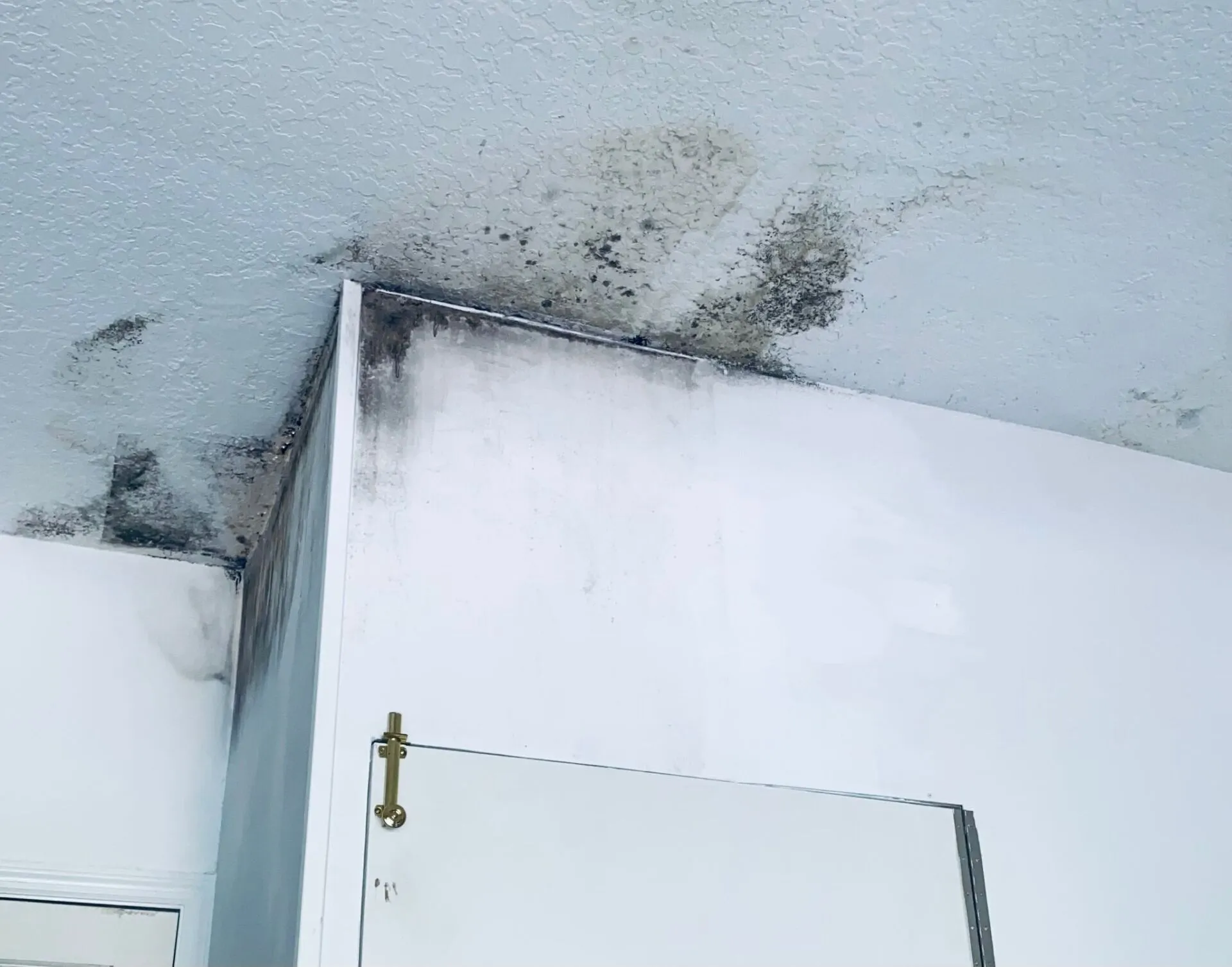
Access to concealed building assemblies depends on the authorized scope, material conditions, and applicable safety screening.
Mold remediation addresses affected materials and contamination controls, but the underlying moisture condition must also be corrected or managed. Roof leaks, plumbing leaks, AC condensation, storm intrusion, humidity, and delayed drying can contribute to recurring mold-related conditions.
Mold-related conditions may recur when moisture, humidity, condensation, leaks, or water intrusion remain unresolved. Hugo does not claim to perform plumbing, roofing, HVAC, electrical, or structural repairs unless separately verified.
Mold remediation does not automatically include every assessment, testing, medical, building-repair, environmental, or insurance function. Defining those boundaries early helps property owners understand which professionals and authorizations may be needed.
Specialized assessment, testing, verification, medical, plumbing, roofing, HVAC, structural, or environmental services may require appropriately licensed independent professionals. Hugo coordinates within its authorized restoration scope and does not provide legal or medical advice.
Hugo Fire & Water Restoration does not diagnose health conditions or determine medical risk. Occupants experiencing symptoms or health concerns should contact a qualified healthcare professional.
GUIDANCE 1
Occupancy decisions depend on the affected area, containment, project scope, occupant needs, and assessor guidance.
GUIDANCE 2
People should remain away from the active work area and follow the access procedures discussed before remediation begins.
GUIDANCE 3
Sensitive occupants may need independent medical or environmental guidance based on their circumstances.
GUIDANCE 4
Hugo does not diagnose health conditions, determine medical risk, guarantee air quality, or declare a property medically safe to occupy.
Hugo Fire & Water Restoration can organize photographs, affected-area notes, moisture observations, containment records, equipment placement, material-removal documentation, cleaning records, and remediation progress information for the property owner’s claim file.
Hugo organizes remediation around the property’s materials, occupants, access, operating needs, moisture conditions, and authorized scope. Scheduling and work-zone decisions are discussed before work begins.
Single-family homes, condos, and apartments may require work in bathrooms, kitchens, closets, attics, water-damaged rooms, or areas affected by roof and AC moisture. The project plan considers access, materials, occupants, containment, and the moisture condition.
Review residential restorationOffices, retail spaces, warehouses, and multi-unit properties may need access scheduling, occupancy coordination, work-zone controls, manager communication, and organized documentation. Hugo does not promise uninterrupted operations or occupancy.
Review commercial restorationVacation-rental work can involve owner and manager communication, guest-access concerns, scheduling, documentation, moisture-source coordination, and separate vendor coordination where applicable.
Review vacation-rental restorationSee Hugo crews establish containment and perform detailed cleaning during mold remediation work. The exact scope depends on moisture conditions, affected materials, access, and the property-specific plan.
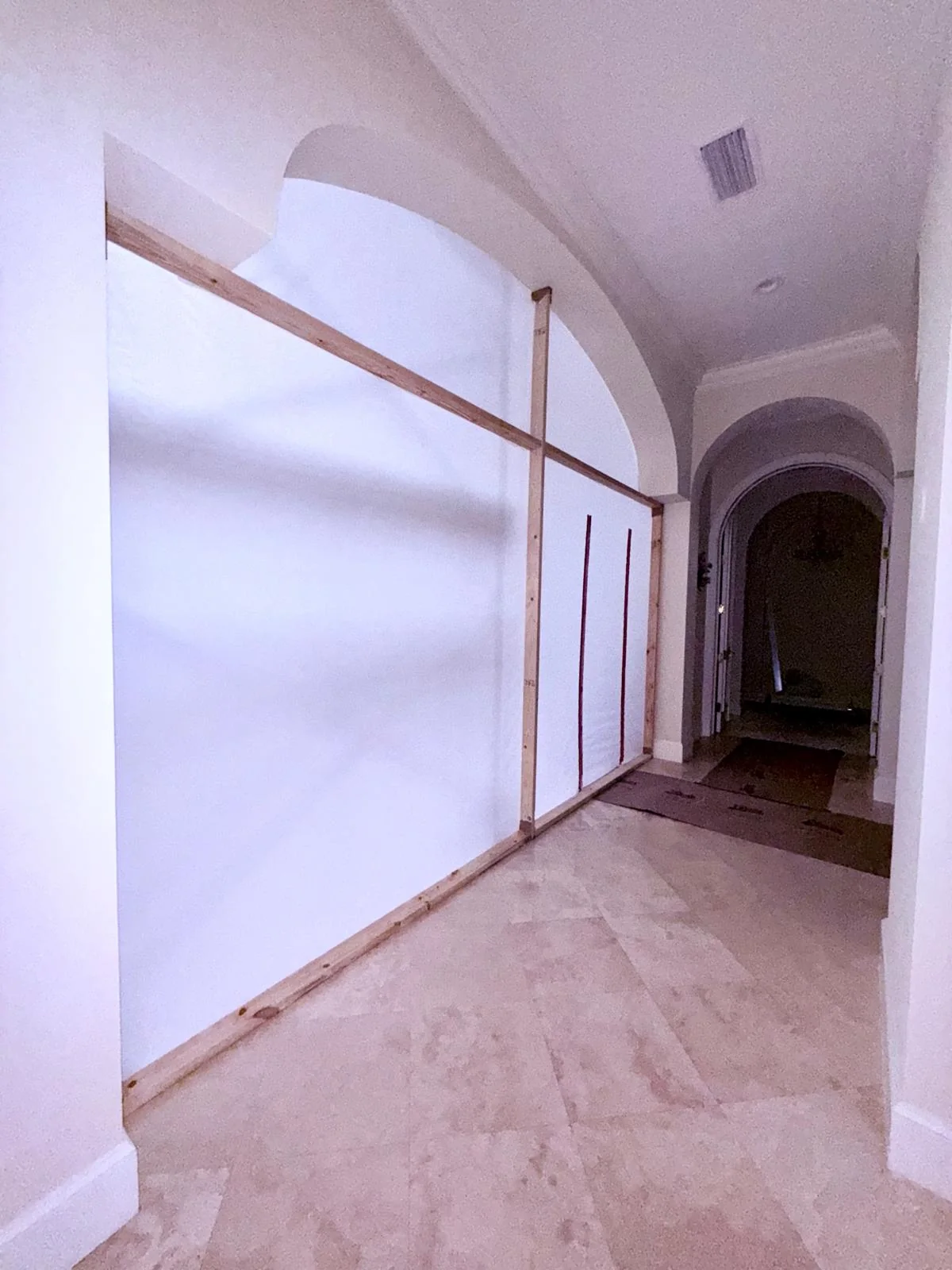
A temporary barrier separates the active work zone from adjacent interior areas.
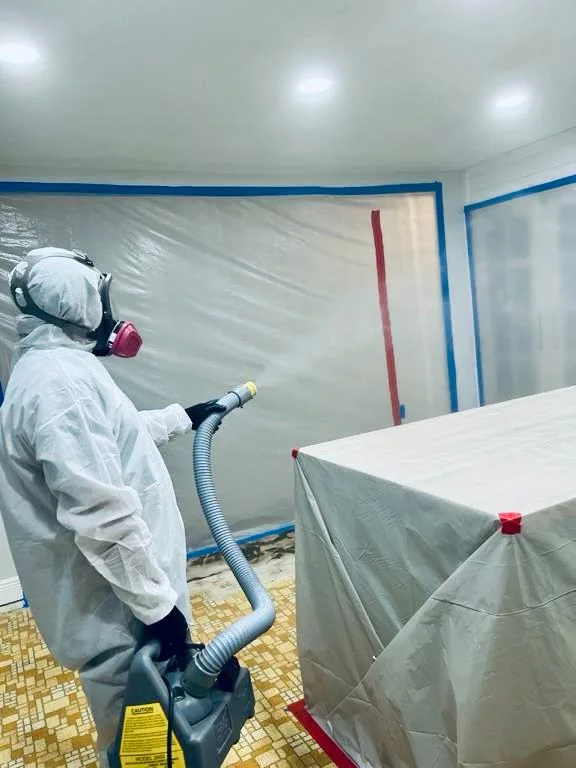
A protected technician performs surface cleaning inside a controlled work area.
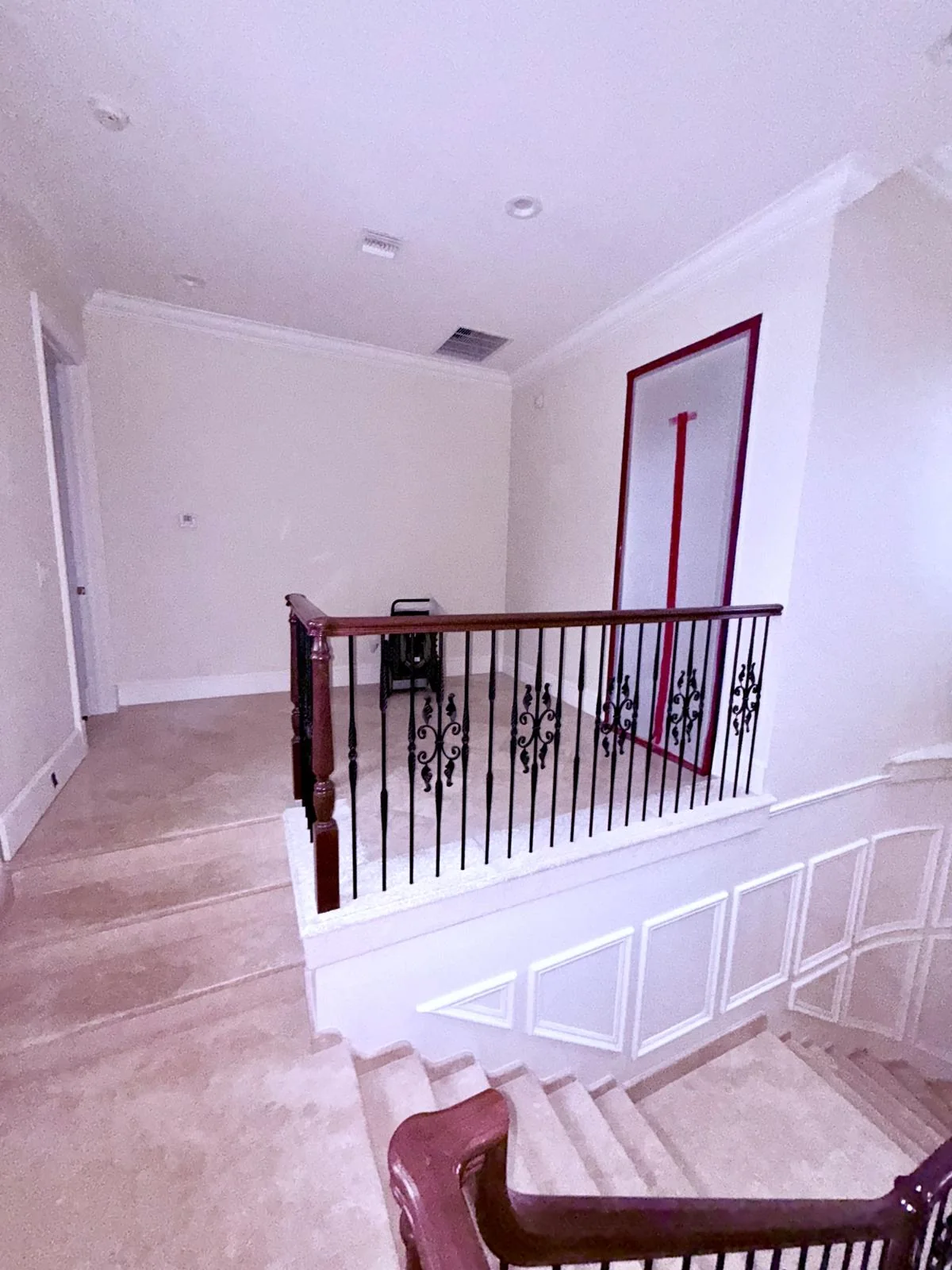
A sealed zipper-door entry helps manage access to the defined work area.
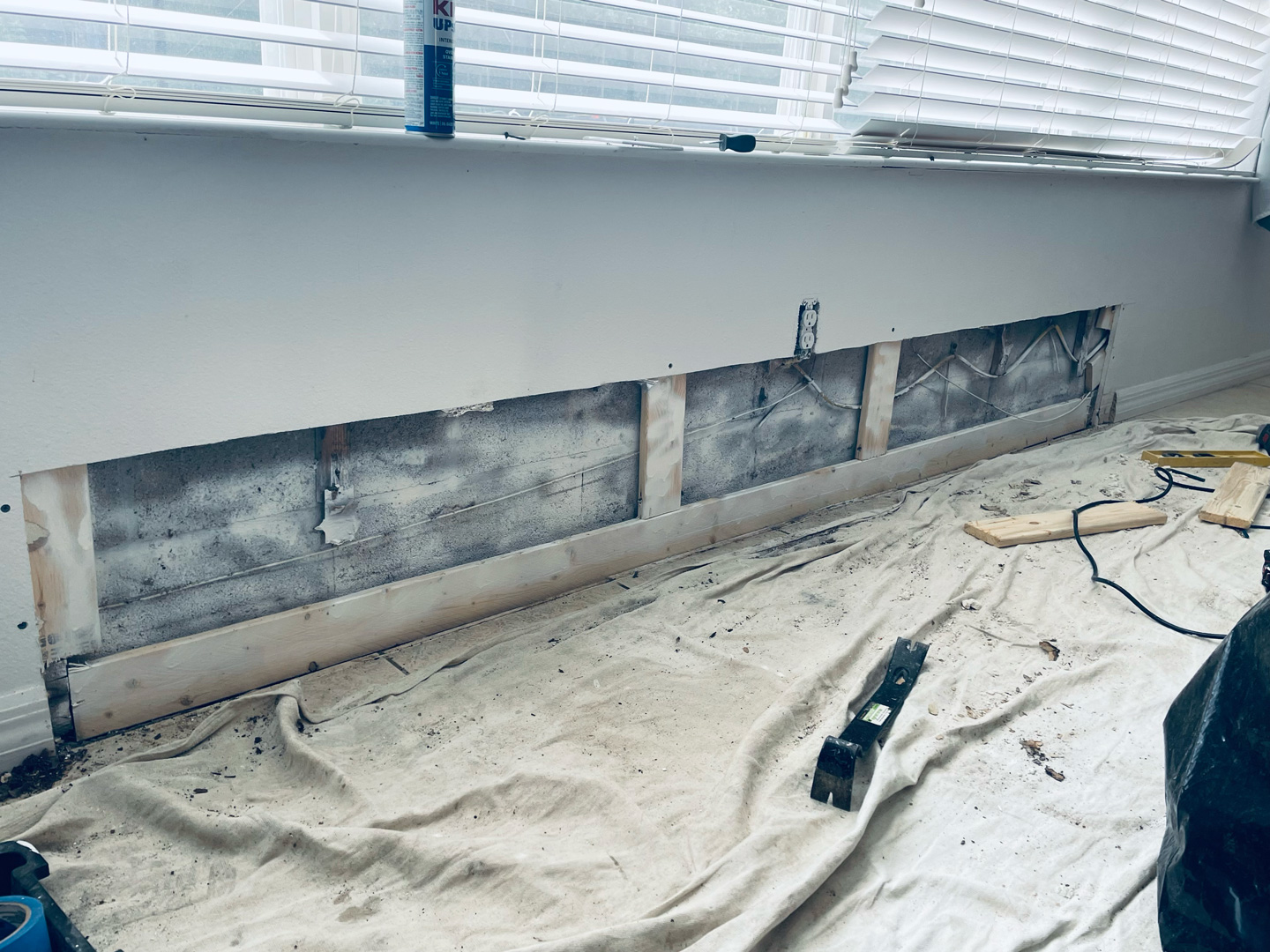
Finished wall material has been removed to expose the underlying assembly for authorized work.
Hugo Fire & Water Restoration is based in St. Cloud and provides licensed mold-remediation services across Osceola, Orange, Polk, Brevard, Seminole, Lake, Sumter, and Volusia counties.
Hugo Fire & Water Restoration
4551 Hunting Lodge Dr, Saint Cloud, FL 34772
Read current customer feedback through Hugo’s maintained reviews page and public profile. This page does not invent mold-specific testimonials, service details, rating values, review counts, project locations, or outcomes.
These public resources explain general moisture, cleanup, health, and Florida licensing topics. They do not identify mold by appearance, establish a remediation protocol, determine medical risk, or independently verify completed work.
Answers about suspected mold, Florida licensing, independent assessment, testing, containment, recurrence, occupancy, documentation, and Central Florida service coverage.
Avoid disturbing the area, keep people and pets away where practical, stop active moisture only when safe, and photograph visible conditions from a safe distance. Contact a licensed mold-remediation professional for next-step guidance.
Hugo Fire & Water Restoration provides applicable mold-remediation services under Florida Mold Remediator License MRSR5171. Call 24/7 to begin intake and discuss visible conditions, moisture history, occupancy, and any assessor documentation already available.
A licensed mold assessor evaluates suspected conditions and may prepare a protocol or coordinate testing. A mold remediator performs the authorized containment, removal, cleaning, filtration, moisture coordination, and documentation work.
Hugo can coordinate with an independent licensed mold assessor when testing is needed. Hugo should not be represented as the independent testing or clearance provider for its own remediation work where independence is required.
No. Mold type cannot be confirmed by color or visual appearance alone. Sampling and laboratory analysis should be handled by a properly licensed independent mold assessor when needed.
Do not treat bleach as a substitute for moisture correction, containment, appropriate material removal, and detailed cleaning. Avoid broadly spraying or scrubbing suspected growth without a project-specific plan.
Do not direct household fans across affected materials because airflow can spread particles. Filtration and pressure controls should be selected for the authorized scope and site conditions.
Containment depends on the affected materials, project size, work methods, occupancy, site conditions, and any applicable assessment protocol. Not every project uses the same barrier or pressure setup.
Mold-related conditions may recur when moisture, humidity, condensation, leaks, or water intrusion remain unresolved. Remediation does not create a permanent prevention guarantee.
Occupancy depends on the work area, containment, project scope, site conditions, occupant needs, and assessor guidance. People should stay away from the active work zone and discuss access before work begins.
Hugo can organize photographs, affected-area notes, moisture observations, containment information, equipment placement, removal and cleaning records, and work-progress documentation. The insurance carrier and policy determine coverage and payment.
Hugo serves mold-remediation requests across Osceola, Orange, Polk, Brevard, Seminole, Lake, Sumter, and Volusia counties, including the linked priority cities in the service-area section.
Call Hugo Fire & Water Restoration for licensed mold remediation, containment, HEPA filtration, affected-material removal, moisture-related restoration support, and documentation in St. Cloud and Central Florida.
Mold assessment, laboratory testing, and post-remediation verification may require a properly licensed independent mold assessor. Occupants with symptoms or medical concerns should contact a qualified healthcare professional.
English and Spanish phone support available.