FIRE RECOVERY RESPONSE
Secure. Clean. Deodorize. Document.
Emergency property protection, smoke and soot cleanup, odor control, water mitigation, and restoration documentation after fire department response.
Hugo Fire & Water Restoration provides 24/7 fire damage cleanup, smoke and soot removal, odor control, emergency board-up, contents cleaning, water mitigation, structural drying, and restoration documentation throughout Central Florida.
For active fire, structural danger, gas odor, electrical hazards, or medical emergencies, call 911 first.
FIRE RECOVERY RESPONSE
Secure. Clean. Deodorize. Document.
Emergency property protection, smoke and soot cleanup, odor control, water mitigation, and restoration documentation after fire department response.
After a house fire, make sure everyone is safe, call 911 for active danger, and do not re-enter the property until the appropriate authority says access is permitted. Once emergency conditions are controlled, contact a qualified fire restoration company to discuss property protection, smoke and soot cleanup, water damage, contents, and documentation.
For active fire, structural instability, gas odor, electrical hazards, or medical risk, call 911 or the appropriate emergency authority. Hugo does not replace police, fire, utility, engineering, environmental, or medical authorities.
24/7 Emergency Response
Report active property damage through Hugo’s public company line at any hour.
Verified 15-Minute Dispatch Process
Dispatch timing refers to initiation after intake and does not guarantee arrival time.
Licensed and Insured
Ask Hugo for current company licensing and insurance documentation when comparing providers.
IICRC-Certified Technicians
Hugo has technicians with IICRC certification; this is technician-level credential wording, not a business-level IICRC designation.
BBB Accredited — A Rating
Review Hugo’s current accreditation and rating on the public BBB business profile.
Opens in a new tab.English and Spanish Support
English and Spanish phone support is available through Hugo’s emergency intake process.
Provide your contact information, service address, and a short description of the fire, smoke, soot, odor, water, contents, or exposed-property conditions. Hugo’s intake team will review the request and begin dispatch coordination.
The 15-minute timeframe refers to beginning dispatch coordination after intake and does not guarantee a specific arrival time. A web form is not appropriate for an active fire or another life-safety emergency.
Call Now: (888) 484-6669Fire damage restoration may involve more than removing burned materials. Depending on property conditions, restoration may include temporary protection, smoke and soot cleanup, odor control, water extraction, structural drying, contents handling, damaged-material cleanup, sanitization, and detailed field documentation.
Temporary protection for approved damaged windows, doors, walls, and exposed openings can reduce weather exposure and unauthorized entry while permanent repairs are planned.
View emergency board-up servicesCleaning methods are selected for the residue, affected material, smoke movement, access, and property conditions, with appropriate testing before broad cleaning where applicable.
Explore smoke damage cleanupDry, oily, protein-related, and other residues behave differently on finished, unfinished, and porous surfaces. The wrong method can smear or embed residue.
Learn how soot cleanup is approachedOdor work may combine source removal, cleaning, air filtration, and condition-appropriate deodorization; treatment does not replace addressing affected source material.
Review fire odor removalAccessible standing water may need removal when suppression affects floors, walls, ceilings, cabinetry, contents, or concealed areas.
Explore water damage restorationDrying equipment and monitoring may be used when firefighting water affects materials. Equipment and duration depend on observed conditions, not a universal schedule.
Learn about structural dryingAffected belongings may need photographs, item notes, cleaning-feasibility review, handling, cleaning, deodorization, specialty referral, and documentation.
Review contents cleaning servicesHugo can remove affected materials within its restoration scope. Structural, regulated-contaminant, or other specialized work may require a qualified professional.
Review Hugo’s fire cleanup scopeTemporary roof protection may be used when damage exposes the property and tarping can be completed safely. It does not replace permanent roofing work.
View emergency roof tarpingPhotographs, affected-area notes, residue and moisture observations, equipment placement, contents information, authorizations, and progress details support an organized job file.
Learn how Hugo documents restoration workHugo moves from intake to documented restoration work based on access, reported conditions, urgency, authorization, and the services the property actually needs. The process is phase-based rather than tied to a universal first-hours or multi-day damage schedule.
Hugo collects contact, address, access, visible-condition, opening, smoke, soot, water, and immediate-need details. Life-safety emergencies stay with 911 and public authorities.
The intake team coordinates response using location, urgency, conditions, and available information. Hugo’s verified 15-minute process begins dispatch coordination after intake; it does not guarantee arrival time.
When access is permitted, technicians document affected areas, visible smoke and soot, openings, water, contents, access limits, and relevant restoration conditions.
Authorized work may include board-up, roof tarping, extraction, drying setup, debris control, containment, cleanup, or another immediate property-protection measure.
The crew performs applicable residue cleaning, odor-source work, water mitigation, structural drying, contents work, and sanitization based on observed conditions.
Hugo organizes records, photographs, equipment information, affected-area notes, authorizations, limitations, and next-step communication. Specialized repairs may require another qualified professional.
Hugo’s restoration scope addresses the smoke, soot, odor, water, contents, openings, and affected materials visible after emergency response. Electrical, structural, gas, roofing, environmental, and other specialized hazards may require appropriately licensed professionals.
Condition 01
Kitchen losses can affect cabinets, finishes, appliances, contents, and smoke-reached rooms. Restoration begins after applicable gas, electrical, or structural concerns are addressed.
Condition 02
Appliance events can leave residue, odor, water, and affected finishes. Hugo addresses restoration conditions, not electrical diagnosis or appliance repair.
Condition 03
Smoke, soot, odor, water, and material restoration can begin after a qualified professional addresses or clears the electrical system.
Condition 04
Garage events may involve heavy residue, contents, openings, and smoke migration. Fuel, structural, electrical, or other hazards may require specialized support.
Condition 05
Attic losses can involve smoke pathways, insulation, water, roof openings, and restricted access. Roofing and structural evaluation may require licensed specialists.
Condition 06
Smoke residue or odor can affect rooms without visible flames. Cleanup depends on the source, materials, pathways, and safe access.
Condition 07
Suppression water can migrate into materials and concealed spaces, making extraction, moisture observations, drying, and documentation part of restoration.
Condition 08
Homes, condos, apartments, and rentals may need protection, cleanup, water mitigation, contents coordination, and communication with authorized contacts.
Condition 09
Commercial properties can require phased access, area-specific documentation, management coordination, and restoration work around active operations.
Condition 10
Rental losses can involve several stakeholders. Hugo coordinates restoration communication with the party authorized to request and approve work.
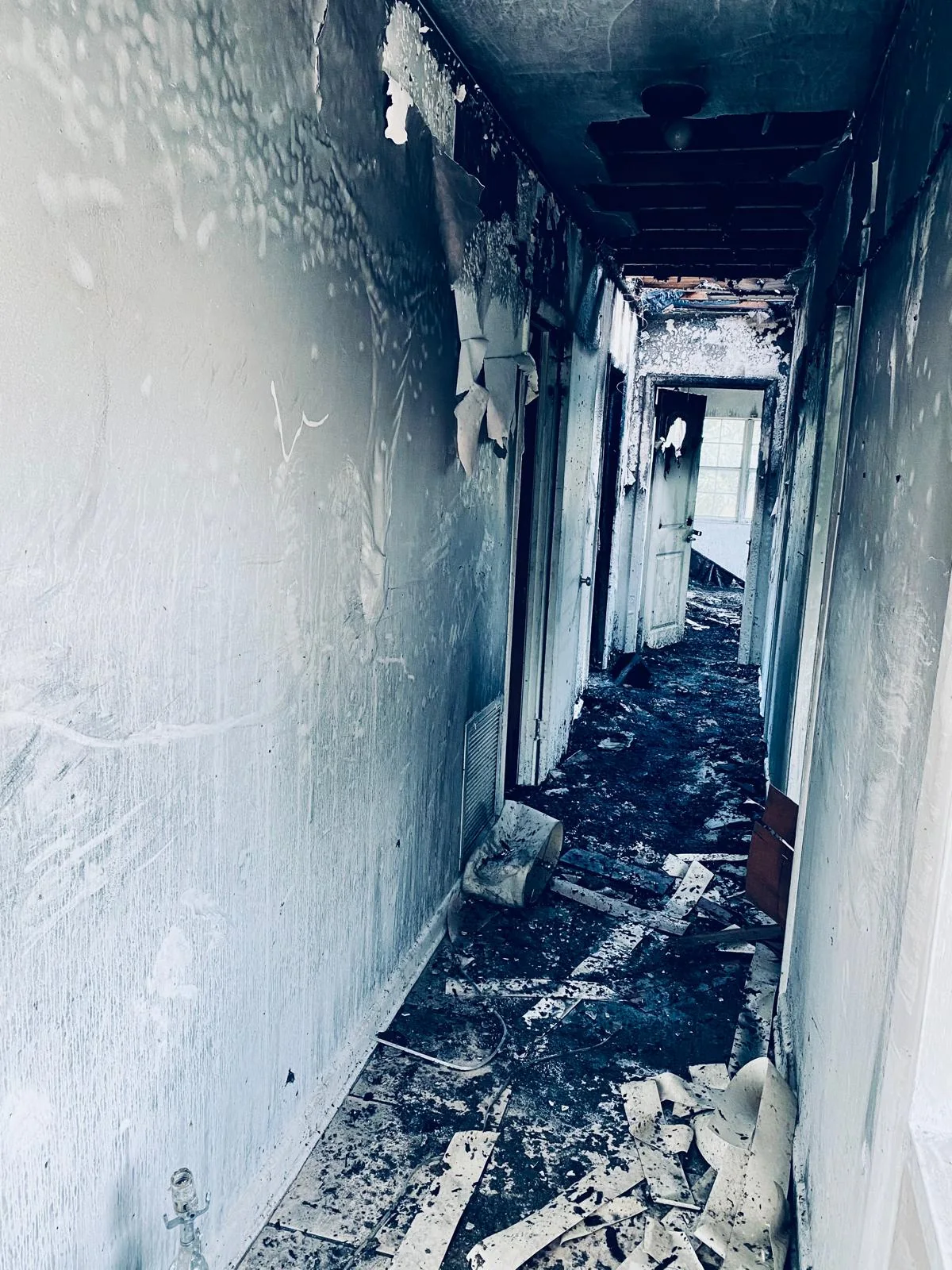
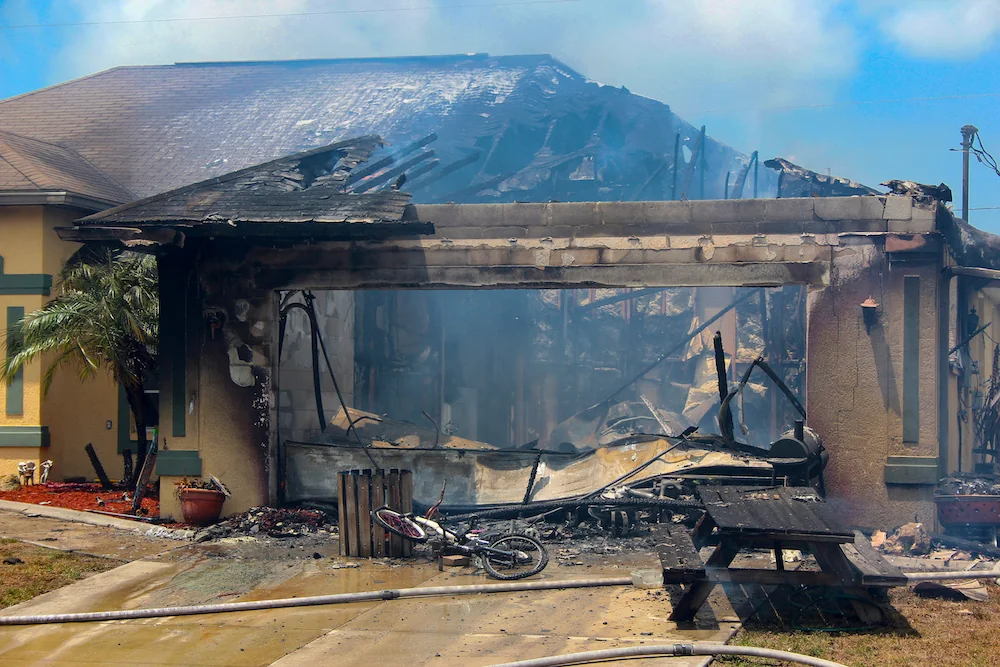
Visible fire and smoke conditions before cleanup.
Smoke and soot can travel beyond the visible burn area and settle on ceilings, walls, contents, vents, fixtures, and porous materials. The appropriate cleanup method depends on what burned, the type of residue, the affected surface, and how far contamination traveled.
Smoke can move through doorways, wall and ceiling openings, attic or shaft pathways, pressure differences, porous materials, and contents. Visible burn damage does not define the full cleanup boundary.
Dry, oily, protein-related, and mixed residues can respond differently to dry or wet cleaning. Technicians consider what is visible, what burned, the surface, and the result of appropriate cleaning trials.
Odor control is stronger when affected source materials and residues can be removed or cleaned. Air filtration and deodorization methods support that plan; they are not a substitute for source work.
Affected contents may need a separate cleaning-feasibility review. HVAC-related concerns may require qualified inspection or specialized service, and Hugo does not promise a universal indoor-air-quality or odor outcome. Professional cleaning and deodorization can often significantly reduce or remove smoke odor when affected sources and materials can be properly addressed.
View Smoke and Soot CleanupYes. Water used during fire suppression can affect flooring, drywall, ceilings, cabinetry, insulation, contents, and concealed areas. Fire restoration may therefore require water extraction, moisture evaluation, drying equipment, monitoring, and documentation.
The crew may document water movement, material conditions, moisture observations, equipment placement, and drying progress when applicable. Extraction removes accessible water, while structural drying addresses moisture held in affected materials. Warm, humid Central Florida conditions make timely moisture control important, but Hugo does not use a universal hour count to predict mold. If verified conditions call for mold remediation, Hugo can discuss the licensed service under Florida Mold Remediator License MRSR5171.
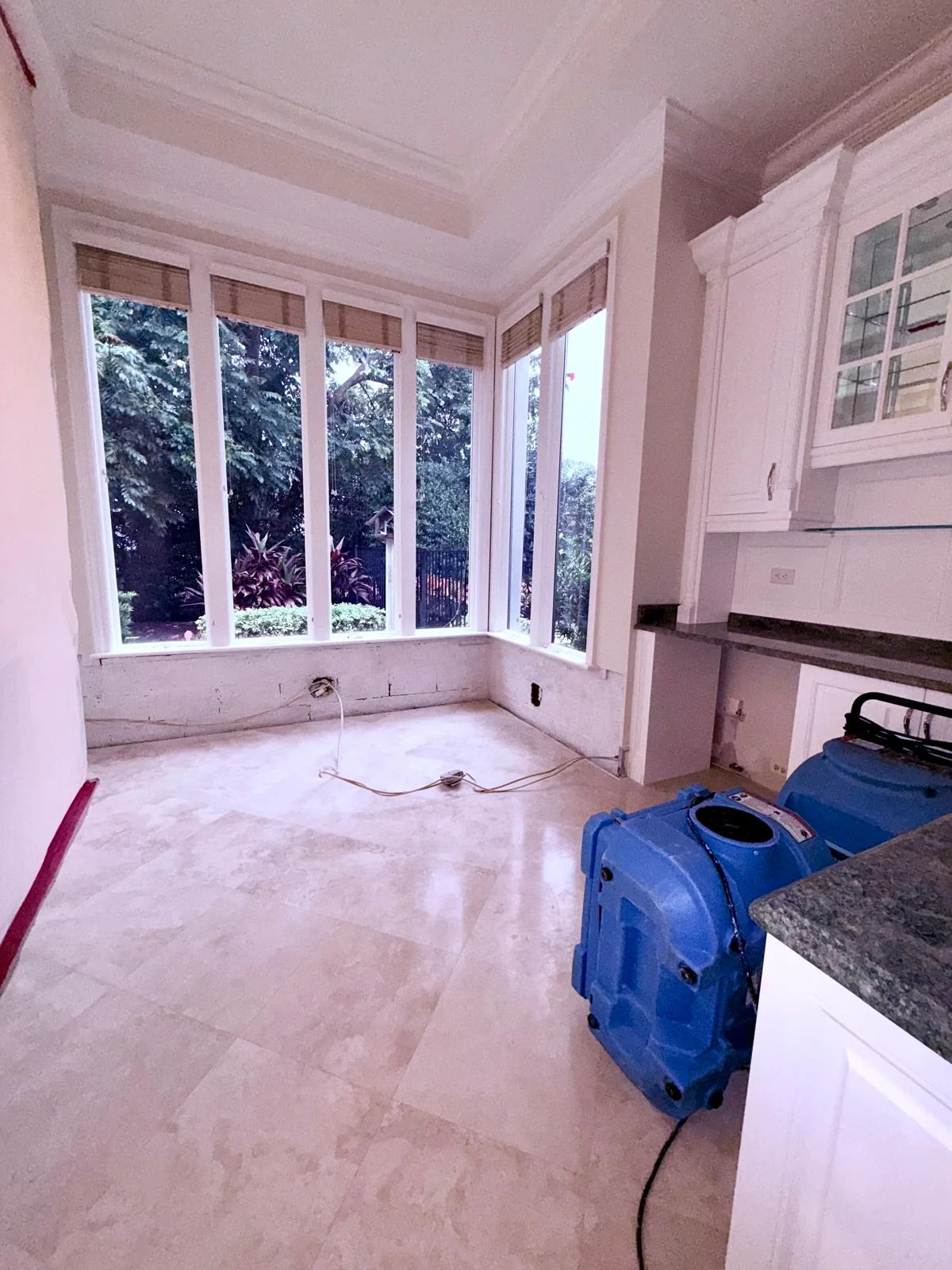
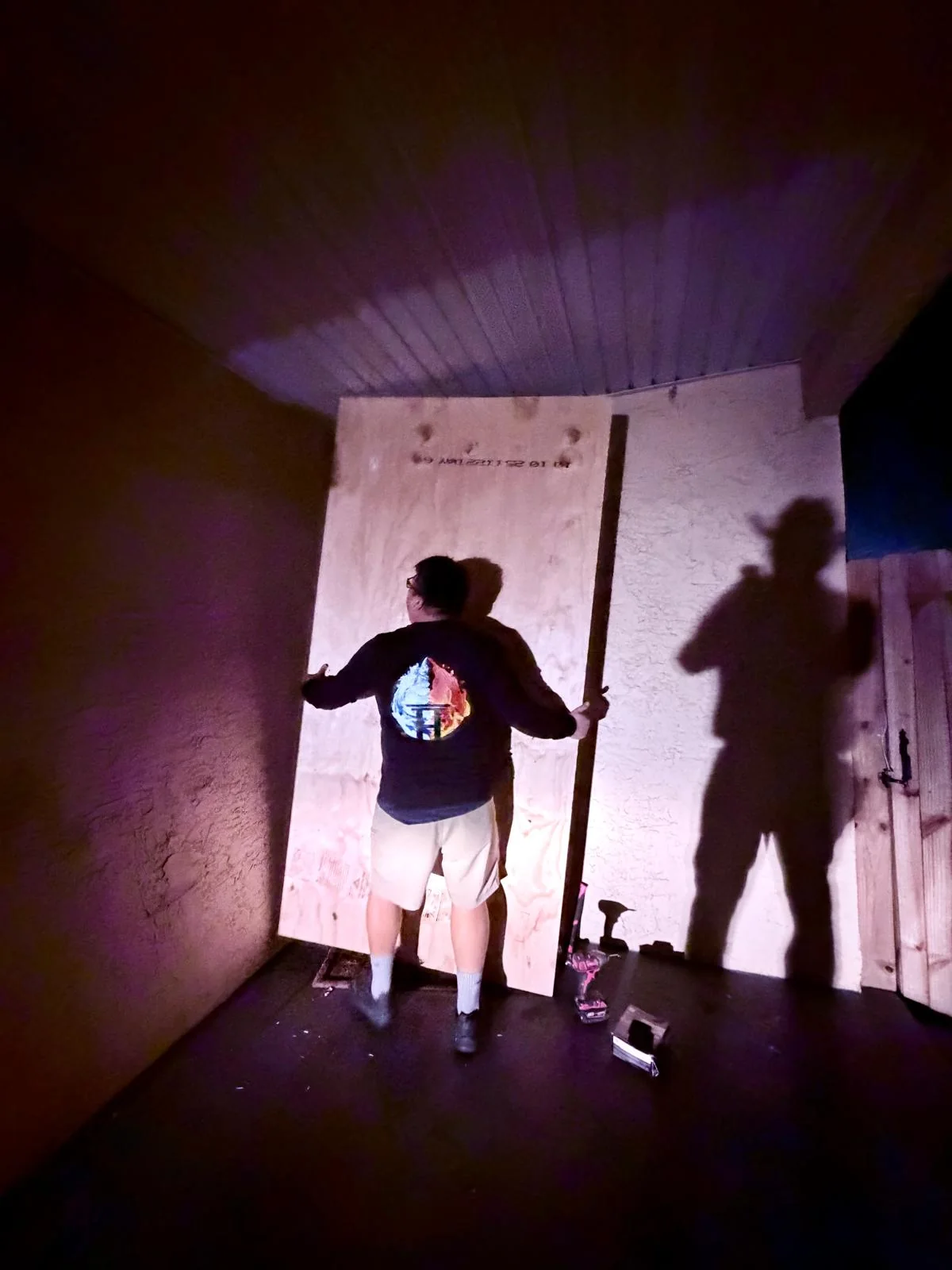
Emergency board-up and roof tarping are temporary stabilization services for approved openings after a fire. They can help reduce weather exposure, unauthorized access, animal entry, and additional property damage while permanent repair decisions are made.
Broken windows, damaged doors, open wall areas, and roof openings do not all require the same materials or access plan. Hugo documents visible openings and the temporary protection performed when conditions allow. Board-up and tarping do not establish structural safety, determine occupancy, or replace permanent roofing, structural, electrical, or other licensed repair work.
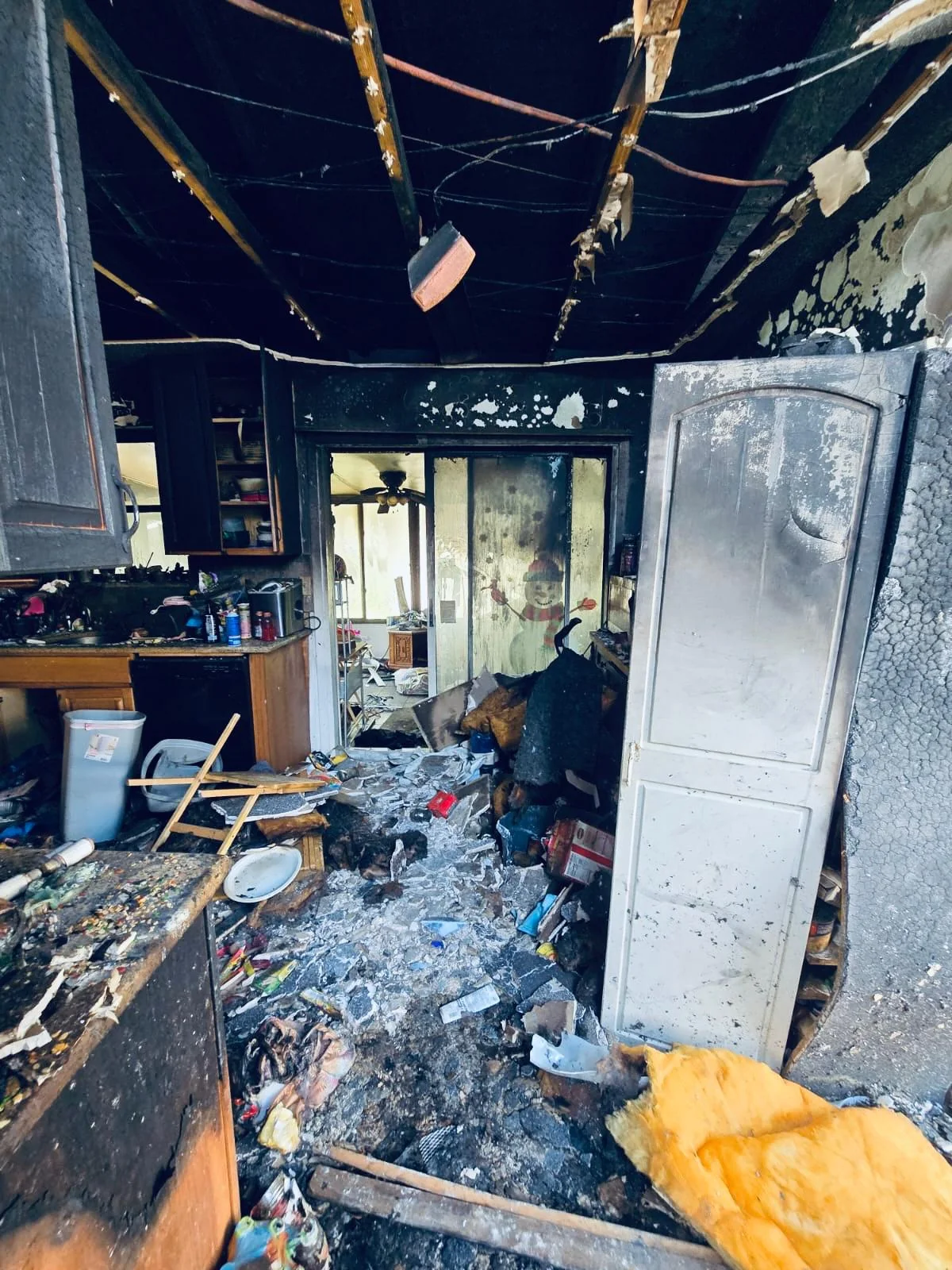
Fire- and smoke-affected belongings may need separate documentation and handling from the building itself. Hugo can support initial visual review, photographs, item notes, cleaning-feasibility review, handling or pack-out coordination where offered, surface cleaning, deodorization, storage coordination where applicable, and referral for specialty items.
Contents decisions depend on the material, residue, heat exposure, water exposure, safety concerns, customer authorization, and the available cleaning or specialty process. Food, medicine, cosmetics, electronics, artwork, documents, and other sensitive items may need separate professional guidance. Hugo does not determine insurance replacement value or promise that every item can be restored.
Whether an item can be restored depends on the material, damage, residue, heat exposure, water exposure, safety considerations, and authorized scope.
Review Contents Cleaning ServicesHugo Fire & Water Restoration can organize photographs, affected-area notes, smoke and soot observations, water and moisture documentation where applicable, mitigation records, equipment placement, contents information, and restoration details for the property owner’s claim file.
The goal is a factual record of observed conditions and authorized restoration work. Hugo may communicate with applicable insurance representatives where the customer authorizes that coordination, but Hugo does not determine causation, interpret policy coverage for the carrier, act as a public adjuster, or promise an insurance result.
Review Insurance Claims AssistanceInsurance coverage, payment, and claim decisions are determined by the applicable insurance carrier and policy. Hugo Fire & Water Restoration provides restoration documentation and claims assistance but cannot guarantee coverage, claim approval, payment, or reimbursement.
Hugo supports authorized fire-restoration requests for homes, rentals, managed properties, and commercial facilities. Property type changes the access, communication, documentation, contents, and phasing needs—not the requirement to follow official safety restrictions.
Hugo supports fire restoration for single-family homes, condos, apartments, rental properties, and vacation rentals. Common requests include kitchen, appliance, garage, attic, smoke-only, and firefighting-water conditions. The restoration plan may connect occupants, owners, managers, associations, contents, temporary protection, cleanup, drying, and documentation without treating access or occupancy as Hugo’s decision.
Hugo supports offices, retail spaces, warehouses, managed properties, multi-unit properties, and facilities. Commercial restoration may require access by zone, documentation by area, coordination with authorized property contacts, protection of unaffected operations, and clear restoration handoffs. Hugo recognizes interruption concerns without promising business-continuity outcomes or an arbitrary reopening schedule.
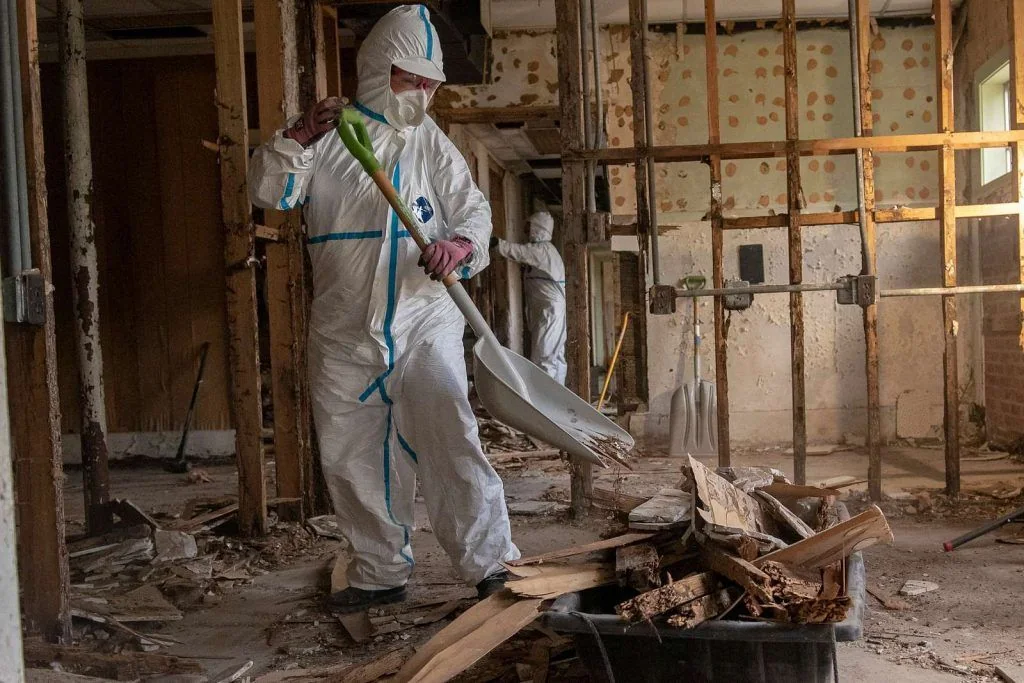
See Hugo technicians performing fire-restoration cleaning and cleanup work. The exact scope and results depend on the property conditions and authorized work.
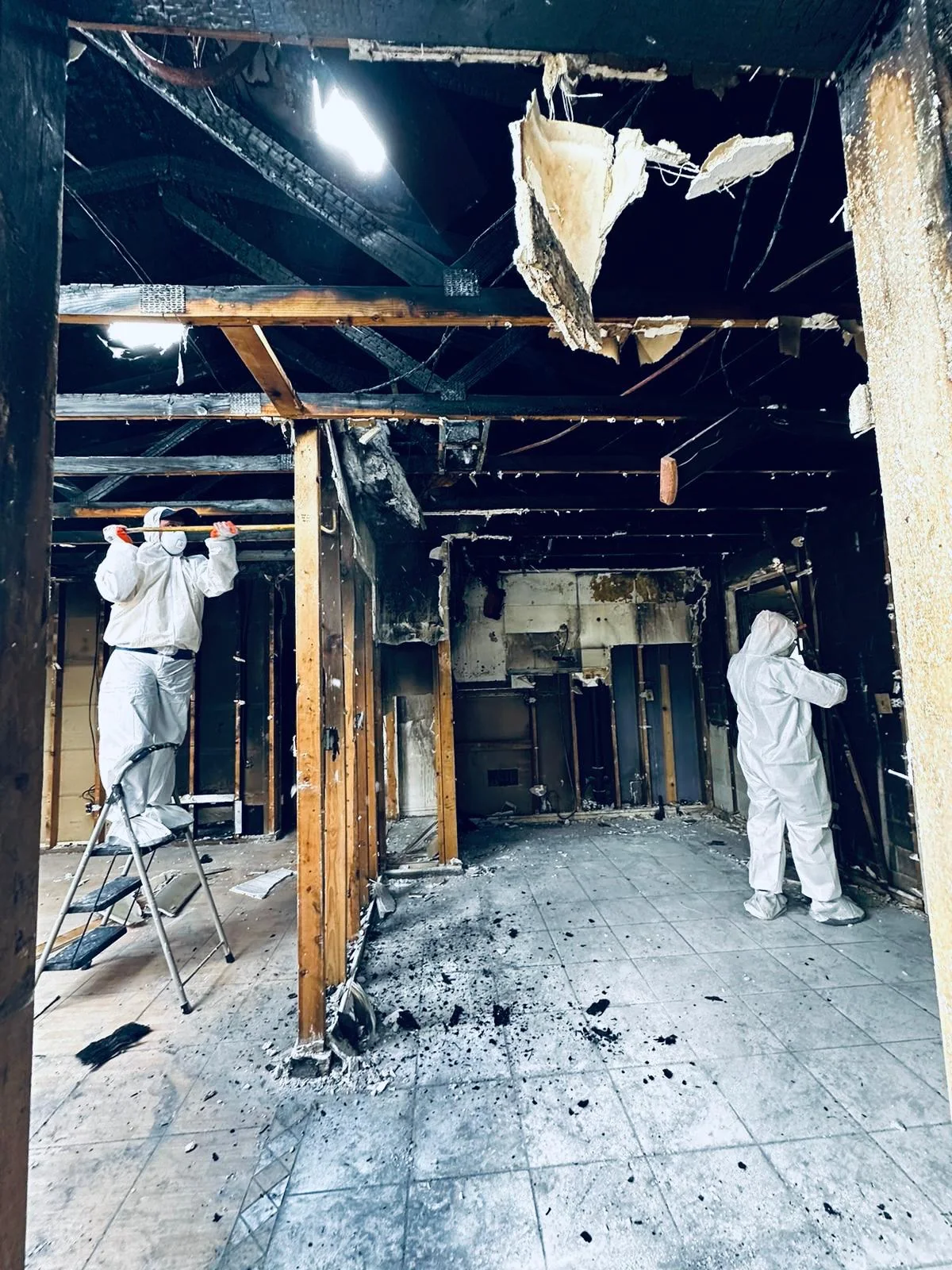
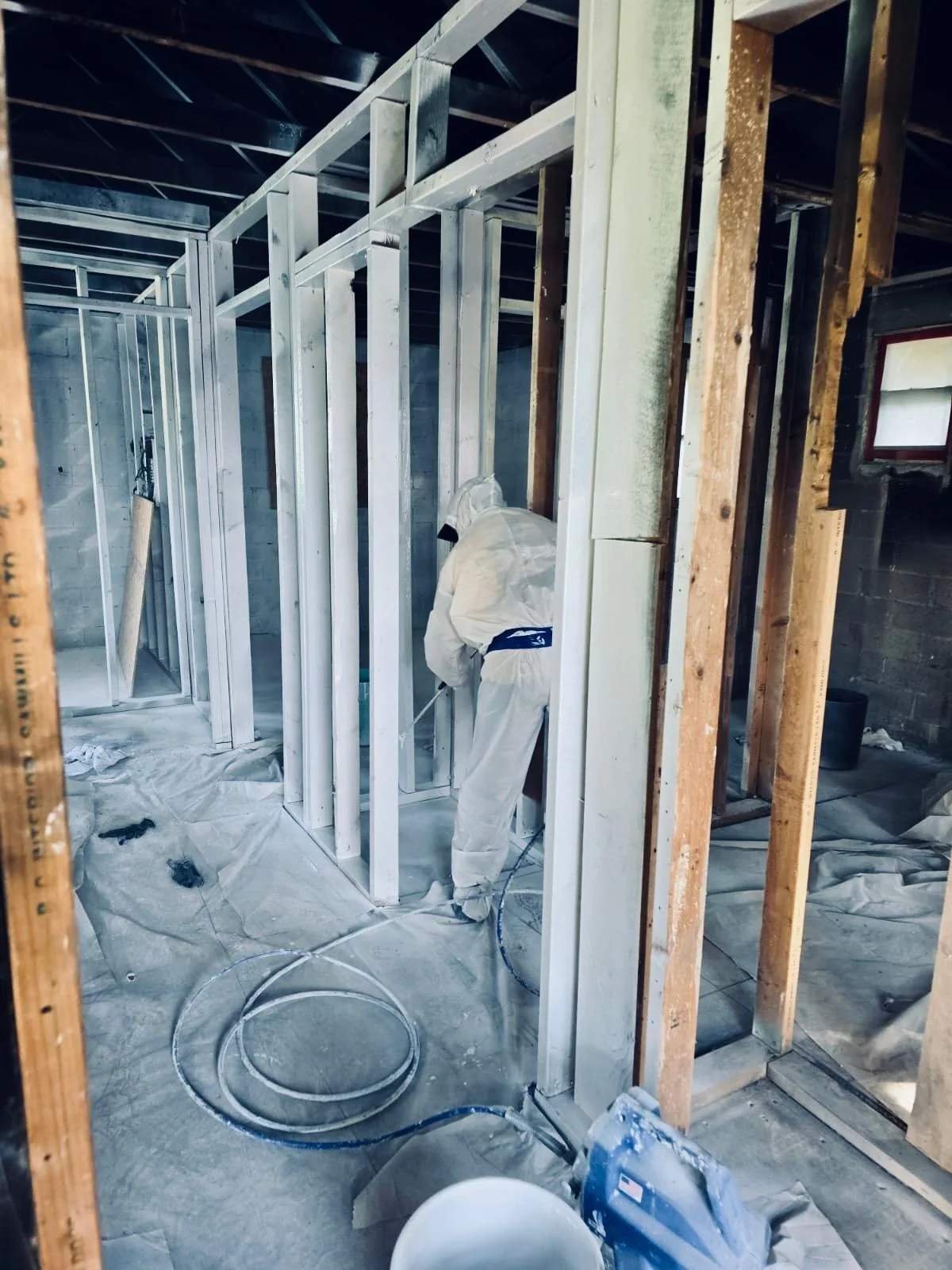
Hugo pairs verified company facts with careful scope language. Technician credentials, company procedures, documented field work, and public business profiles help customers understand who they are calling without turning a certification, mold license, or rating into an unsupported promise.
Company licensing and insurance do not imply authorization for unrelated licensed trades.
Hugo has IICRC-certified technicians; this is a technician credential, not a business-level designation.
Review current accreditation and rating information on Hugo’s public BBB profile.
Verify public record Opens in a new tab.Based at 4551 Hunting Lodge Dr, Saint Cloud, Florida 34772.
The public company line accepts property-damage requests every day and night.
Phone support is available in English and Spanish; the website supports five languages.
MRSR5171 applies only when verified post-fire conditions require Hugo’s licensed mold-remediation service.
Verify public record Opens in a new tab.Fire losses may involve structural, electrical, gas, roofing, environmental, HVAC, or other hazards outside restoration scope. Hugo observes access restrictions and refers specialized evaluation or repair to qualified professionals.
Hugo Fire & Water Restoration is based in St. Cloud and serves residential and commercial fire-damage restoration requests across Osceola, Orange, Polk, Brevard, Seminole, Lake, Sumter, and Volusia counties.
Read current customer feedback through Hugo’s maintained reviews page. Service details appear only when the review source supports them.
Use these Hugo pages for deeper safety, cleanup, board-up, documentation, company, and crew information. The guides support an informed emergency call; they do not authorize entry into a fire-damaged property.
Use these public sources for safety, fire-department guidance, consumer restoration information, and Florida licensing context. Online guidance never replaces instructions from the fire department, utilities, medical professionals, or other authorities at the property.
Answers about safety, smoke, soot, odor, firefighting water, board-up, dispatch, insurance documentation, commercial properties, timing, and Hugo’s Central Florida service area.
Call 911 for active danger, follow emergency instructions, and do not re-enter until access is permitted. Avoid wiping soot or moving materials. After emergency conditions are controlled, call Hugo about protection, cleanup, water, contents, and documentation.
Call Hugo Fire & Water Restoration at (888) 484-6669 for 24/7 intake. Hugo coordinates applicable cleanup, odor control, board-up, firefighting-water mitigation, contents cleaning, and documentation.
Depending on conditions, work may include temporary protection, residue cleanup, odor-source work, water extraction, drying, contents handling, authorized damaged-material cleanup, sanitization, documentation, and next-step coordination.
Yes. Suppression water can affect building materials, contents, and concealed areas. Restoration may include extraction, moisture observations, drying equipment, monitoring, and documentation without using a universal mold timeline.
Avoid wiping soot before the residue and material are reviewed. The wrong method can smear, embed, or spread residue. Keep affected systems and equipment off until a qualified party permits use.
Source removal, cleaning, filtration, and appropriate deodorization can often reduce or remove smoke odor. Results depend on residue, materials, pathways, access, water, heat, and scope, so complete removal cannot be guaranteed.
Board-up may protect approved exposed openings from weather, unauthorized access, animals, and additional damage. It is temporary and does not establish structural safety or replace permanent repair.
Hugo offers a verified 15-minute dispatch process after emergency intake. This begins dispatch coordination and does not guarantee arrival time; location, weather, access, demand, hazards, and crew availability matter.
Yes. Hugo can organize restoration photos, affected-area and residue observations, moisture information, protection and equipment records, contents notes, and progress details. The insurer and policy determine coverage and payment.
Yes. Hugo supports commercial properties across its service area. Work may involve phased access, area-specific documentation, management coordination, protection, cleanup, water mitigation, contents, and restoration handoffs.
There is no universal timeline. Safe access, property size, smoke spread, residue, water, contents, material conditions, hazards, authorizations, inspections, equipment, and permanent repairs affect duration.
Hugo is based in St. Cloud and serves Osceola, Orange, Polk, Brevard, Seminole, Lake, Sumter, and Volusia counties. The linked service-area section lists priority cities.
Call Hugo Fire & Water Restoration for 24/7 fire, smoke, soot, odor, board-up, water-mitigation, contents, and restoration-documentation support in St. Cloud and Central Florida.
For active fire, structural danger, gas odor, electrical hazards, or medical emergencies, call 911 first.
English and Spanish phone support available.