Serving Central Florida
24/7
Fire Risk: Low

🔥 Fire Risk: Low | No Major Weather Alerts | 24/7 Restoration Help Available | 15-Minute Dispatch Guarantee

Emergency Restoration Help in St. Cloud

Emergency Restoration in St. Cloud, Florida

Hugo Fire & Water Restoration is based in St. Cloud, Florida at 4551 Hunting Lodge Dr, St. Cloud, FL 34772, USA. St. Cloud property damage often connects to East Lake Tohopekaliga, US 192, Narcoossee Road, roof leaks, heavy rain, plumbing failures, and fast residential growth.

Fast Help for St. Cloud, FL

Who should I call for emergency restoration in St. Cloud, FL?

Call Hugo Fire & Water Restoration for 24/7 emergency restoration in St. Cloud, including water damage restoration, fire cleanup, mold remediation, storm damage restoration, roof tarping, emergency board-up, structural drying, and insurance documentation support near East Lake Toho, Narcoossee Road, and surrounding Osceola County communities.

Call 24/7: (888) HUGONOW
lake-adjacent water intrusion
roof leak response
water extraction
structural drying
mold remediation
contents cleaning
24/7 Emergency Line
15-Minute Dispatch Guarantee
Licensed & Insured
IICRC Certified Technicians
Insurance Documentation Support
Local Damage Profile

Local Damage Profile for St. Cloud

St. Cloud restoration should match how people actually live and work there. St. Cloud sits on the East Lake Tohopekaliga side of Osceola County, with residential growth, waterfront recreation and US 192 commercial activity all shaping restoration demand.

For homes, waterfront properties, and commercial spaces near Osceola County, East Lake Tohopekaliga, East Lake Toho, and St. Cloud Lakefront Park, the urgent work usually comes down to safety, source control, moisture checks, temporary protection, cleanup, and insurance documentation. Local priorities include lake-adjacent water intrusion, roof leak response, water extraction, structural drying, and mold remediation.

Storms, leaks, fire damage, and mold concerns can overlap in St. Cloud. When you call, the most useful details are what happened, where the damage is visible, whether anything is still active, and which parts of the property need protection first.

Choosing Help

How to Choose Restoration Help in St. Cloud, FL

The right restoration call in St. Cloud, FL should connect the visible damage to the local setting: heavy rain, drainage backup, lake or river influence, roof leaks, and moisture that can hide inside building materials. That keeps the conversation practical instead of vague.

Hugo Fire & Water Restoration uses the city, damage type, access notes, affected rooms, safety concerns, and documentation needs to discuss the next step for homes, waterfront properties, and commercial spaces.

Call 24/7: (888) HUGONOW

Damage source

Share whether the issue began with rain, a roof opening, a plumbing failure, AC condensation, smoke, soot, mold, or storm exposure in St. Cloud.

Local setting

Mention nearby context such as Osceola County, East Lake Tohopekaliga, and East Lake Toho when it helps explain drainage, access, property type, or storm exposure.

Property use

Tell the team if the property is a home, rental, HOA property, apartment, office, restaurant, retail space, hotel, or managed building.

Active conditions

Say whether water is still entering, smoke odor is moving, mold is visible, an opening is exposed, or wet materials are spreading moisture.

Insurance documentation

Ask what photos, videos, dates, affected-room notes, mitigation records, and insurance communication should be kept together.

Temporary protection

Ask about board-up, roof tarping, extraction, drying, containment, or stabilization when the property remains exposed.

Local Property Damage Facts

Location
St. Cloud, FL
County
Osceola County, FL
Priority Services
lake-adjacent water intrusion, roof leak response, water extraction, structural drying, mold remediation
Nearby Places
Osceola County, East Lake Tohopekaliga, East Lake Toho, St. Cloud Lakefront Park, Narcoossee Road, Kissimmee

Local Context Reviewed

These public local resources help explain the emergency-restoration guidance for this area. They are listed as context for property owners while the call path stays close.

City of St. Cloud. Roads & Stormwater
City of St. Cloud. Stormwater Improvements Archived Notice
National Weather Service Tampa Bay. Florida Rainy Season
Local Restoration Help

Finding the Right Restoration Help in St. Cloud, FL

When water, fire, mold, storm, roof, or board-up damage happens in St. Cloud, FL, start with the condition that is active right now. Local risk factors such as hurricane rainfall, heavy summer thunderstorms, roof leaks, slab leaks help explain why one call may need drying while another needs tarping, board-up, smoke cleanup, or mold containment.

Hugo uses the damage source, property access, affected rooms, nearby context such as Osceola County, East Lake Tohopekaliga, East Lake Toho, St. Cloud Lakefront Park, and documentation needs to discuss practical restoration help before work begins.

Emergency Call Details

What To Share When You Call From St. Cloud, FL

A strong St. Cloud emergency call should begin with the exact damage type, the rooms affected, and whether the situation is still active. Add local access details such as gates, parking, tenant contacts, business hours, or whether the property sits near Osceola County, East Lake Tohopekaliga, and East Lake Toho.

For St. Cloud, FL, local factors such as hurricane rainfall, heavy summer thunderstorms, roof leaks, and slab leaks can change whether the first priority is water extraction, structural drying, roof tarping, board-up, mold containment, fire cleanup, or documentation support.

If it is safe, take photos or short videos before materials are moved. Do not enter unsafe rooms, touch soot-covered surfaces, disturb suspected mold, or walk through water near electricity.

First-Hour Local Plan

How To Use This City Page During an Emergency

In the first hour after damage is discovered in St. Cloud, protect people first, then focus on source control and documentation. The caller does not need a full diagnosis; a clear description of what changed at the property is enough to start.

The next step should match the local condition. heavy rain, drainage backup, lake or river influence, roof leaks, and moisture that can hide inside building materials can affect how quickly wet materials spread, how a roof opening should be protected, or what needs to be photographed before cleanup begins.

Call 911 first for life-safety hazards, active fire, gas odor, structural danger, or medical risk in St. Cloud.
Photograph visible damage from a safe position, especially near Osceola County, East Lake Tohopekaliga, and East Lake Toho.
Describe the property type, access notes, and whether lake-adjacent water intrusion, roof leak response, water extraction, structural drying, and mold remediation match the active problem.
Keep receipts, photos, videos, dates, and mitigation notes together for insurance documentation support.

Choose the Damage Type

Each service path below is written for St. Cloud, FL conditions such as heavy rain, drainage backup, lake or river influence, roof leaks, and moisture that can hide inside building materials. Choose the damage type that matches what is active now, then call if the property needs emergency help.

Why Property Owners Call Hugo

Restoration Trusted Team for St. Cloud, FL

St. Cloud based restoration company
Licensed & insured
IICRC certified technicians
BBB accredited: A rating
Google 5-star rating
15-minute dispatch guarantee
Central Florida service area
24/7 emergency help
Restoration Company Near Me

Looking for a restoration company near you in St. Cloud?

Hugo Fire & Water Restoration helps St. Cloud property owners respond to active damage tied to heavy rain, drainage backup, lake or river influence, roof leaks, and moisture that can hide inside building materials. For homes, waterfront properties, and commercial spaces, the goal is a clear emergency call, practical mitigation, and documentation that is easy to follow later.

Emergency Checklist

What To Do After Property Damage in St. Cloud

Use these first steps for water, fire, mold, smoke, storm, roof leak, board-up, or property protection emergencies in St. Cloud, FL, especially when the damage is near Osceola County, East Lake Tohopekaliga, East Lake Toho, and St. Cloud Lakefront Park.

  1. 01Call 911 first if there is fire, smoke, injury, electrical danger, or structural danger.
  2. 02If safe, stop the water source.
  3. 03Avoid entering unsafe rooms.
  4. 04Do not disturb suspected mold.
  5. 05Photograph visible damage from a safe location.
  6. 06Call Hugo Fire & Water Restoration for emergency help and documentation support.
Local Damage Risks

Property Damage Risks in St. Cloud, FL

In St. Cloud, FL, the most likely restoration pressure points include heavy rain, drainage backup, lake or river influence, roof leaks, and moisture that can hide inside building materials. That local mix affects whether the first move is extraction, drying, roof protection, mold containment, smoke cleanup, or board-up.

Nearby context such as Osceola County, East Lake Tohopekaliga, East Lake Toho, and St. Cloud Lakefront Park can matter when rain, drainage, access, or property use shapes the emergency. A caller should describe those details instead of trying to diagnose the building alone.

For homes, waterfront properties, and commercial spaces, common restoration priorities in St. Cloud, FL include lake-adjacent water intrusion, roof leak response, water extraction, structural drying, mold remediation, and contents cleaning. The goal is to stabilize the property, limit secondary damage, and preserve a clear record of what happened.

hurricane rainfall

In St. Cloud, FL, heavy rain and storm activity can push water through roofs, windows, doors, and low drainage areas, making quick moisture checks and documentation important.

heavy summer thunderstorms

In St. Cloud, FL, heavy rain and storm activity can push water through roofs, windows, doors, and low drainage areas, making quick moisture checks and documentation important.

roof leaks

Roof leaks in St. Cloud, FL can wet ceilings, insulation, wall cavities, flooring, and contents before the damage is obvious from inside the property.

slab leaks

Hidden leaks in St. Cloud, FL can travel under flooring, behind baseboards, and into cabinets, so source control and moisture mapping help define the drying plan.

plumbing failures

Hidden leaks in St. Cloud, FL can travel under flooring, behind baseboards, and into cabinets, so source control and moisture mapping help define the drying plan.

AC condensation

Florida humidity and AC condensation can keep materials damp in St. Cloud, FL, increasing the need for drying, containment decisions, and mold-aware cleanup.

high humidity and mold growth

Florida humidity and AC condensation can keep materials damp in St. Cloud, FL, increasing the need for drying, containment decisions, and mold-aware cleanup.

stormwater drainage

Waterways, lake areas, wetlands, and drainage corridors near St. Cloud, FL can influence stormwater intrusion, floodplain concerns, and drying priorities.

lakes, wetlands, rivers, canals, or drainage corridors

Waterways, lake areas, wetlands, and drainage corridors near St. Cloud, FL can influence stormwater intrusion, floodplain concerns, and drying priorities.

HOA communities, rapid development, and newer construction

HOA communities, growth, and construction activity in St. Cloud, FL can create mixed restoration needs across single-family homes, townhomes, condos, and shared property concerns.

commercial corridors, retail spaces, restaurants, and offices

Florida humidity and AC condensation can keep materials damp in St. Cloud, FL, increasing the need for drying, containment decisions, and mold-aware cleanup.

Emergency Questions

Common Emergency Restoration Scenarios in St. Cloud, FL

What should I do after water damage in St. Cloud?

After water damage in St. Cloud, FL, call for emergency restoration, stop the source only if it is safe, avoid electrical hazards, and document visible moisture near Osceola County, East Lake Tohopekaliga, and East Lake Toho or any affected rooms before cleanup changes the scene.

How fast should drying begin after flooding in St. Cloud?

Drying should begin as soon as the property is safe because heavy rain, drainage backup, lake or river influence, roof leaks, and moisture that can hide inside building materials can leave wet drywall, flooring, cabinets, insulation, and contents deteriorating in Central Florida humidity.

Can mold grow after a roof leak in St. Cloud?

Yes. Mold can grow after a roof leak in St. Cloud, FL when moisture remains in ceilings, wall cavities, insulation, flooring, or contents, especially in homes, waterfront properties, and commercial spaces.

Who handles fire, smoke, and soot cleanup in St. Cloud?

Hugo Fire & Water Restoration handles fire cleanup, smoke odor reduction, soot removal, debris cleanup, board-up, and documentation support for homes, waterfront properties, and commercial spaces in St. Cloud, FL.

Do I need board-up after storm damage in St. Cloud?

Board-up may be needed in St. Cloud, FL when windows, doors, walls, storefronts, or other openings expose the property to rain, unsafe access, theft, or additional damage.

Can Hugo help document damage for insurance in St. Cloud?

Yes. Hugo can help organize photos, affected-room notes, mitigation records, and communication support for damage documentation in St. Cloud, FL, without guaranteeing coverage or claim outcomes.

What should property managers do after water intrusion in St. Cloud?

Property managers in St. Cloud, FL should protect occupants, identify the source if safe, document affected rooms, share access notes, and start emergency restoration before moisture spreads.

When should I request decontamination in St. Cloud?

Request decontamination in St. Cloud, FL when floodwater, residue, odor, unsanitary conditions, or contaminated materials require controlled cleanup and documentation.

Emergency Services

Restoration Help Available in St. Cloud, FL

Each service path below is written for St. Cloud, FL conditions such as heavy rain, drainage backup, lake or river influence, roof leaks, and moisture that can hide inside building materials. Choose the damage type that matches what is active now, then call if the property needs emergency help.

Emergency Water Extraction

Water extraction in St. Cloud, FL helps when heavy rain, drainage backup, lake or river influence, roof leaks, and moisture that can hide inside building materials leaves visible water, soaked flooring, wet trim, or spreading moisture near Osceola County, East Lake Tohopekaliga, and East Lake Toho.

View service

Structural Drying

Structural drying in St. Cloud, FL focuses on wet drywall, cabinets, subfloors, ceilings, and framing in homes, waterfront properties, and commercial spaces.

View service

Moisture Mapping

Moisture mapping in St. Cloud, FL helps identify hidden damp areas after roof leaks, plumbing failures, AC leaks, stormwater, or firefighting water.

View service

Mold Remediation

Mold remediation in St. Cloud, FL starts with the moisture source, containment planning, removal, and documentation for affected materials.

View service

Fire Damage Cleanup

Fire damage cleanup in St. Cloud, FL may include debris, damaged openings, firefighting water, contents review, and safe next steps after emergency responders clear access.

View service

Smoke and Soot Removal

Smoke and soot removal in St. Cloud, FL matters when residue or odor travels through rooms, HVAC pathways, closets, contents, or business spaces.

View service

Storm Damage Cleanup

Storm damage cleanup in St. Cloud, FL may involve wind-driven rain, roof leaks, broken openings, debris, wet interiors, and documentation after severe weather.

View service

Roof Tarping

Roof tarping in St. Cloud, FL provides temporary protection when storm, wind, tree, or roof damage allows more rain to enter.

View service

Emergency Board-Up

Emergency board-up in St. Cloud, FL helps secure broken windows, doors, storefronts, fire openings, or storm-exposed areas before cleanup continues.

View service

Decontamination and Sanitization

Decontamination and sanitization in St. Cloud, FL is for property damage involving unsanitary water, residue, odor, or materials that need controlled cleanup.

View service

Contents Cleaning

Contents cleaning in St. Cloud, FL helps sort, document, and clean belongings, inventory, furnishings, or business items affected by water, smoke, mold, or storms.

View service

Insurance Documentation Support

Insurance documentation support in St. Cloud, FL keeps photos, notes, mitigation records, and communication organized without promising claim outcomes.

View service
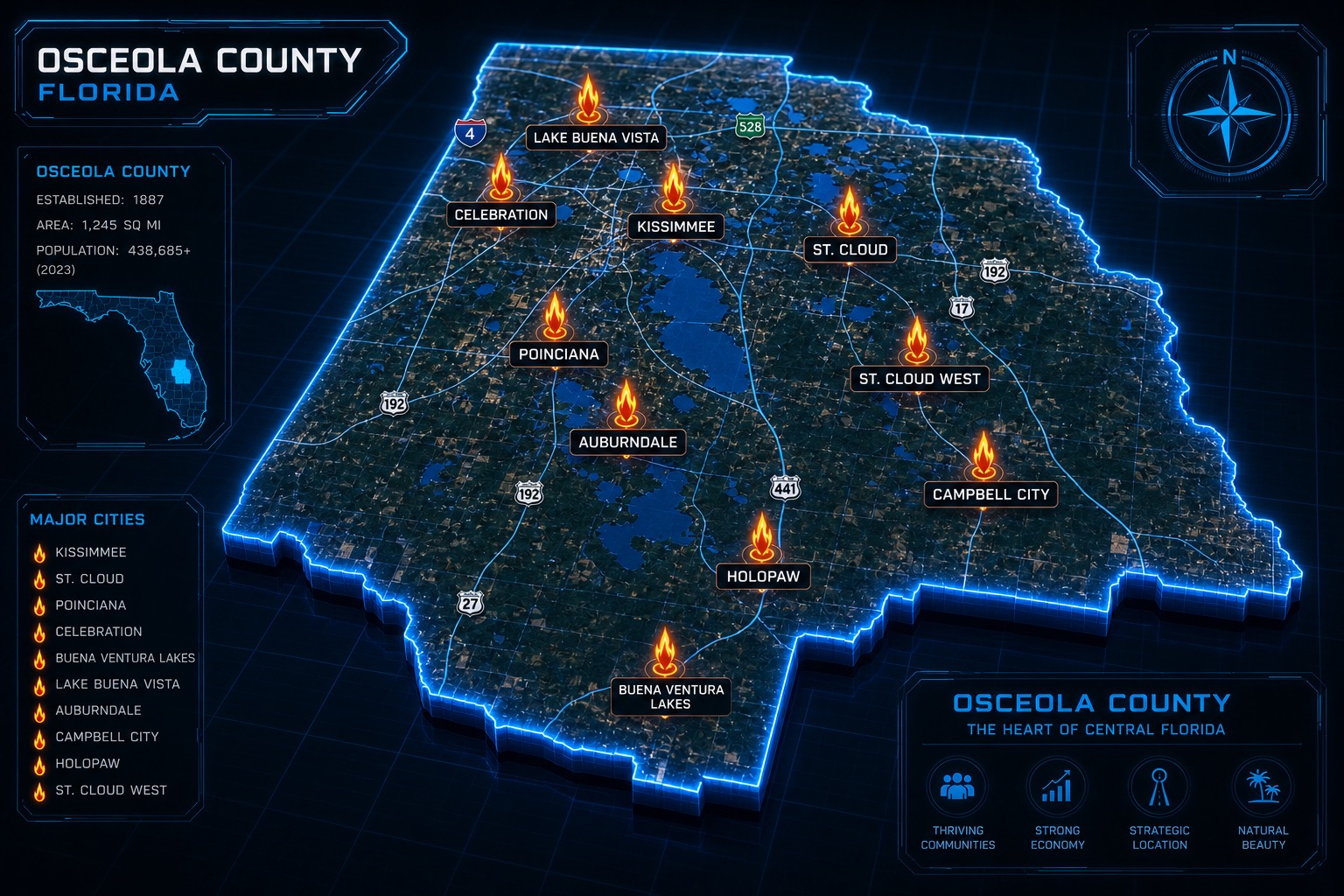
Osceola County, FL restoration coverage map including St. Cloud, FL
St. Cloud, FL / Osceola County, FL
24/7 emergency helpCity coverage

St. Cloud, FL Local Coverage

St. Cloud, FL connects through Osceola County, FL, nearby service areas, and local entities such as Osceola County, East Lake Tohopekaliga, East Lake Toho, and St. Cloud Lakefront Park. Use this map context to choose the nearest city path and the damage-specific service that fits the emergency.

Priority Services

lake-adjacent water intrusionroof leak responsewater extractionstructural dryingmold remediation
View Osceola County, FL
Local Public Resources

Local Context for emergency restoration in St. Cloud, FL

The public resources listed here include City of St. Cloud. Roads & Stormwater and City of St. Cloud. Stormwater Improvements Archived Notice, along with other local stormwater, floodplain, emergency, or waterbody references used to shape this St. Cloud guidance.

They are not a substitute for emergency restoration help. If damage is active in St. Cloud, FL, call first and use the links later for civic or preparedness details.

City of St. Cloud. Roads & Stormwater
City of St. Cloud. Stormwater Improvements Archived Notice
National Weather Service Tampa Bay. Florida Rainy Season
Emergency Stabilization

Why Fast Mitigation Matters in St. Cloud, FL

Fast mitigation in St. Cloud, FL helps keep heavy rain, drainage backup, lake or river influence, roof leaks, and moisture that can hide inside building materials from turning into wider moisture spread, odor movement, unsafe access, or a confusing insurance file.

Call 24/7: (888) HUGONOW

Stop Secondary Water Damage

Fast mitigation in St. Cloud, FL helps reduce soaked drywall, swollen flooring, cabinet damage, ceiling staining, and hidden moisture after heavy rain, drainage backup, lake or river influence, roof leaks, and moisture that can hide inside building materials.

Control Mold Risk

Humidity can accelerate mold concerns in homes, waterfront properties, and commercial spaces, especially when leaks, flooding, or AC condensation are discovered late.

Stabilize Fire and Smoke Damage

Smoke odor, soot residue, fire department water, and debris can spread through St. Cloud, FL properties unless cleanup, ventilation, and protection begin quickly.

Protect Storm-Exposed Openings

Board-up, roof tarping, and temporary protection can reduce additional rain intrusion around Osceola County, East Lake Tohopekaliga, and East Lake Toho after wind, roof, window, or door damage.

Reduce Contamination Exposure

Contamination concerns and unsafe debris in St. Cloud, FL need controlled cleanup so occupants, tenants, workers, and guests avoid unnecessary contact.

Preserve Documentation

Early photos, affected-room notes, drying logs, and mitigation records help organize the St. Cloud, FL restoration timeline for insurance documentation support.

Residential and Commercial

Properties We Help in St. Cloud, FL

Restoration needs in St. Cloud, FL can involve homes, waterfront properties, and commercial spaces. The property type affects access, documentation, contents, tenant communication, and how quickly drying or temporary protection needs to begin.

Single-family homes in St. Cloud, FL

Condos in St. Cloud, FL

Townhomes in St. Cloud, FL

Apartments in St. Cloud, FL

HOAs in St. Cloud, FL

Restaurants in St. Cloud, FL

Retail spaces in St. Cloud, FL

Offices in St. Cloud, FL

Warehouses in St. Cloud, FL

Medical offices in St. Cloud, FL

Schools in St. Cloud, FL

Commercial buildings in St. Cloud, FL

Nearby Service Areas

Nearby Areas Hugo Serves Around St. Cloud

Hugo Fire & Water Restoration also supports nearby Osceola County and Central Florida communities, including Kissimmee, Poinciana, and Celebration, and surrounding areas.

View Osceola County, FL
Local Navigation

St. Cloud, FL and Nearby County Help

Start with Osceola County, FL for county context, then compare nearby city service areas and service-specific emergency restoration paths.

Common Questions

Emergency Restoration Questions in St. Cloud, FL

These answers focus on St. Cloud, FL conditions: heavy rain, drainage backup, lake or river influence, roof leaks, and moisture that can hide inside building materials, homes, waterfront properties, and commercial spaces, and documentation questions that often come up after water, fire, mold, or storm damage.

Restoration Company Near Me

+Does Hugo Fire & Water Restoration serve St. Cloud, FL?

Yes. Hugo Fire & Water Restoration provides 24/7 emergency help for water damage, fire damage, mold remediation, storm damage, board-up, roof tarping, structural drying, and insurance documentation support in St. Cloud, FL.

+Who should I call for water damage restoration in St. Cloud?

Call Hugo Fire & Water Restoration for 24/7 emergency help, water extraction, structural drying, moisture documentation, and next-step guidance for homes, waterfront properties, and commercial spaces facing heavy rain, drainage backup, lake or river influence, roof leaks, and moisture that can hide inside building materials in St. Cloud, FL and Osceola County.

+Can Hugo help with fire and smoke damage in St. Cloud?

Yes. Hugo supports emergency help for fire damage, smoke and soot cleanup, odor concerns, board-up needs, and documentation support in St. Cloud, FL.

+Can Hugo help after storm damage in St. Cloud?

Yes. Hugo can help route storm damage restoration requests in St. Cloud, FL, including roof leak response, water mitigation, temporary property protection, and insurance documentation support.

+Does Hugo offer emergency board-up or roof tarping in St. Cloud?

Yes. Hugo supports emergency board-up and roof tarping requests in St. Cloud, FL when openings, roof damage, broken windows, or exposed areas need temporary protection.

+Can Hugo help with insurance documentation in St. Cloud?

Yes. Hugo can help organize photos, mitigation notes, affected-area details, and restoration documentation for property damage in St. Cloud, FL. Insurance coverage and claim outcomes are not guaranteed.

Water Damage

+What should I do first after water damage in St. Cloud?

After water damage in St. Cloud, FL, call emergency restoration first, stop the source only if safe, avoid electrical hazards, and photograph wet rooms or materials before cleanup changes the scene.

+How quickly should drying begin in St. Cloud?

Drying should begin as soon as affected areas in St. Cloud, FL are safe because heavy rain, drainage backup, lake or river influence, roof leaks, and moisture that can hide inside building materials can keep drywall, flooring, cabinets, and contents wet longer than the surface suggests.

+Can Hugo handle roof leaks, plumbing leaks, and AC leaks in St. Cloud?

Yes. Hugo can support water extraction, moisture mapping, structural drying, and documentation for roof leaks, plumbing leaks, AC condensation, and stormwater intrusion in St. Cloud, FL.

Fire Damage

+Who cleans fire damage in St. Cloud?

Hugo Fire & Water Restoration provides fire damage cleanup in St. Cloud, FL, including smoke, soot, odor, debris, board-up, and documentation support for homes, waterfront properties, and commercial spaces.

+Is smoke odor cleanup urgent in St. Cloud?

Yes. Smoke odor cleanup in St. Cloud, FL is urgent because residue can move through rooms, HVAC pathways, contents, closets, and porous materials.

+Can fire department water cause water damage in St. Cloud?

Yes. Firefighting water can create water damage in St. Cloud, FL, so extraction, drying, and moisture checks may be needed after the fire is out.

Mold Remediation

+Can mold grow after water damage in St. Cloud?

Yes. Mold can grow after water damage in St. Cloud, FL when moisture remains in drywall, flooring, cabinets, insulation, contents, or HVAC-adjacent areas.

+Do I need mold remediation after a roof leak in St. Cloud?

You may need mold remediation in St. Cloud, FL if moisture lingered, materials stayed damp, musty odor developed, or visible growth appeared after the roof leak.

+Should I disturb suspected mold in St. Cloud?

No. Avoid disturbing suspected mold in St. Cloud, FL because spores and debris can spread; ask about containment, removal planning, and moisture-source control.

Storm Damage

+What storm damage services are available in St. Cloud?

Storm damage services in St. Cloud, FL may include roof leak response, water mitigation, debris cleanup, board-up, roof tarping, drying, and documentation support.

+Can hurricane rainfall cause hidden moisture in St. Cloud?

Yes. Hurricane rainfall in St. Cloud, FL can push water into ceilings, walls, flooring, window openings, and cavities, especially around local risk areas such as Osceola County, East Lake Tohopekaliga, East Lake Toho, and St. Cloud Lakefront Park.

+What if stormwater entered my property in St. Cloud?

If stormwater entered your property in St. Cloud, FL, treat it as urgent, avoid unsafe areas, call restoration help, and document affected rooms, materials, and the apparent entry point.

Board-Up and Tarping

+When do I need emergency board-up in St. Cloud?

You need emergency board-up in St. Cloud, FL when openings leave the property exposed to weather, unsafe access, trespassing, or additional damage.

+When is roof tarping needed in St. Cloud?

Roof tarping is needed in St. Cloud, FL when storm, wind, tree, or roof damage allows rainwater to enter before permanent repair can be completed.

+Can board-up and tarping happen before cleanup in St. Cloud?

Yes. Board-up and tarping in St. Cloud, FL often happen before interior cleanup to reduce continuing rain intrusion, unsafe access, and avoidable secondary damage.

Insurance Documentation

+Can Hugo help with insurance documentation in St. Cloud?

Yes. Hugo can help organize photos, scope notes, mitigation records, and communication support for insurance documentation in St. Cloud, FL.

+Does insurance documentation guarantee approval in St. Cloud?

No. Insurance documentation support in St. Cloud, FL does not guarantee coverage, reimbursement, or claim approval.

+What should I document before cleanup in St. Cloud?

Before cleanup in St. Cloud, FL, document the source, affected rooms, wet materials, contents, dates, photos, videos, and emergency mitigation steps.

Emergency Help

+Is emergency restoration available 24/7 in St. Cloud?

Yes. Hugo supports 24/7 emergency restoration help for water, fire, mold, storm, board-up, tarping, and documentation needs in St. Cloud, FL.

+Should I call or submit the form for an active emergency in St. Cloud?

For an active emergency in St. Cloud, FL, call first at (888) HUGONOW because phone support is the fastest response path.

+What makes restoration urgent in St. Cloud?

Restoration is urgent in St. Cloud, FL when damage is active, spreading, contaminated, smoky, storm-exposed, or creating unsafe property conditions.

Commercial and Property Management

+Does Hugo help commercial properties in St. Cloud?

Yes. Hugo supports commercial restoration in St. Cloud, FL for offices, retail spaces, restaurants, hotels, warehouses, medical offices, and other buildings.

+What should property managers do after water intrusion in St. Cloud?

Property managers in St. Cloud, FL should protect occupants, document affected areas, call restoration, notify stakeholders, and begin mitigation quickly.

+Can restoration work support tenant communication in St. Cloud?

Yes. Restoration documentation in St. Cloud, FL can help property managers organize updates, affected-area notes, mitigation records, access limits, and next steps.

Commercial and Property Management

+Can Hugo help HOAs in St. Cloud?

Yes. Hugo can support HOAs in St. Cloud, FL with water mitigation, mold concerns, storm cleanup, board-up, tarping, and documentation coordination.

+Can rentals in St. Cloud request emergency restoration?

Yes. Rentals in St. Cloud, FL can request emergency restoration for water intrusion, storm damage, mold concerns, smoke cleanup, and guest or tenant disruption.

+Does Hugo serve properties across Osceola County, FL?

Yes. Hugo serves communities across Osceola County, FL and connects city service areas, county service areas, and service-specific restoration paths for Central Florida property owners.

Emergency Help

Need Emergency Restoration Help in St. Cloud, FL?

Call the 24/7 emergency line or send a request so urgent fire, water, mold, and storm damage can be handled quickly.

Call 24/7Request Emergency Help