The ceiling openings changed the work
The extent of the cleanup became clearer once ceiling materials were opened. Areas that looked like separate room surfaces were connected to framing, insulation, and ductwork above.
The team revisited the work needed in the living and dining areas and part of the kitchen. Additional ceiling removal gave access to construction that could not be reached from the finished room surface.
Cleaning the newly exposed areas
Hugo carried out the additional removal and cleaning, including HEPA vacuuming in the affected work areas. Containment and careful handling of removed materials helped limit the spread of dust and particles during the work.
Physical removal and cleaning are key parts of mold remediation. Here, the opened ceilings made it possible to work on the affected construction rather than stopping at the room-facing surface.
Working through connected rooms
The project photos show exposed framing, ductwork, and insulation above the rooms. They help explain why concealed conditions can change the amount of work needed as a project progresses.
Adjusting the cleanup to those findings kept the work focused on the affected areas across the home. The completed remediation included a separate follow-up assessment.
Expanded remediation completed and independently checked
Hugo completed the expanded mold-remediation work. An independent post-remediation assessment reported that no further remediator action was needed in the areas it assessed.
That conclusion reflected the work areas examined and the conditions at the time of the inspection. It gave the project a separate check after removal and cleaning.
Questions about this project
Why did the mold cleanup expand?
Opening the ceilings revealed additional concealed damage. The findings changed the removal and cleaning work needed across the living room, dining room, and part of the kitchen.
What did the team do once the ceiling was open?
The team carried out additional removal and cleaned the affected construction and work areas, including HEPA vacuuming. Containment and careful debris handling helped limit the movement of dust and particles.
Was there an independent follow-up assessment?
Yes. A post-remediation assessment reported that no further remediator action was needed in the areas evaluated, based on conditions at that inspection.
Complete
Work on this project is complete.
A closer look at the project
What mold remediation can involve
Mold remediation focuses on removing contamination and addressing the moisture that allows it to grow. An inspection helps define the affected areas and the work needed. Depending on those findings, the process can include isolating work areas to limit spread, removing materials that cannot be effectively cleaned, and cleaning remaining surfaces with methods such as HEPA vacuuming.
A final evaluation checks the remediated area. Independent post-remediation verification, when part of the project, is a separate assessment.
ANSI/IICRC S520More restoration projects
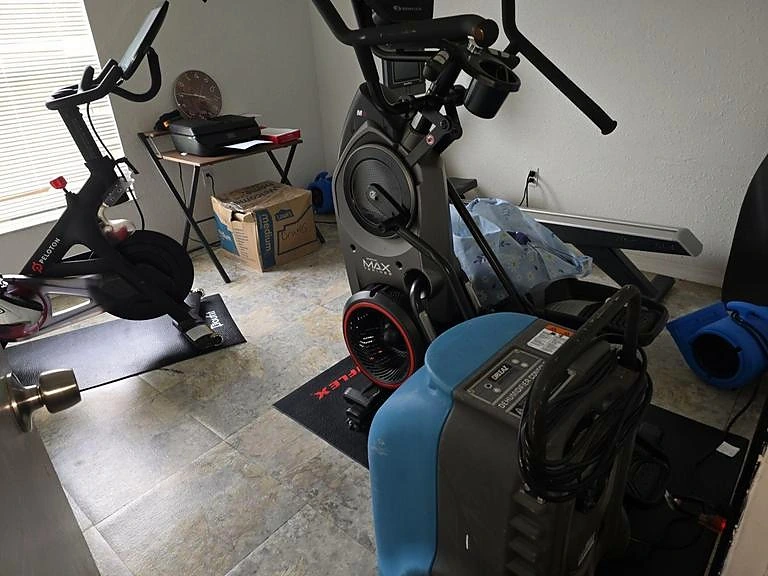
Lake Wales · Polk County
Water and Mold Cleanup After a Roof Leak in Lake Wales
A roof leak damaged ceilings in several rooms. See how Hugo completed the drying and mold cleanup, followed by an independent assessment.
Explore this project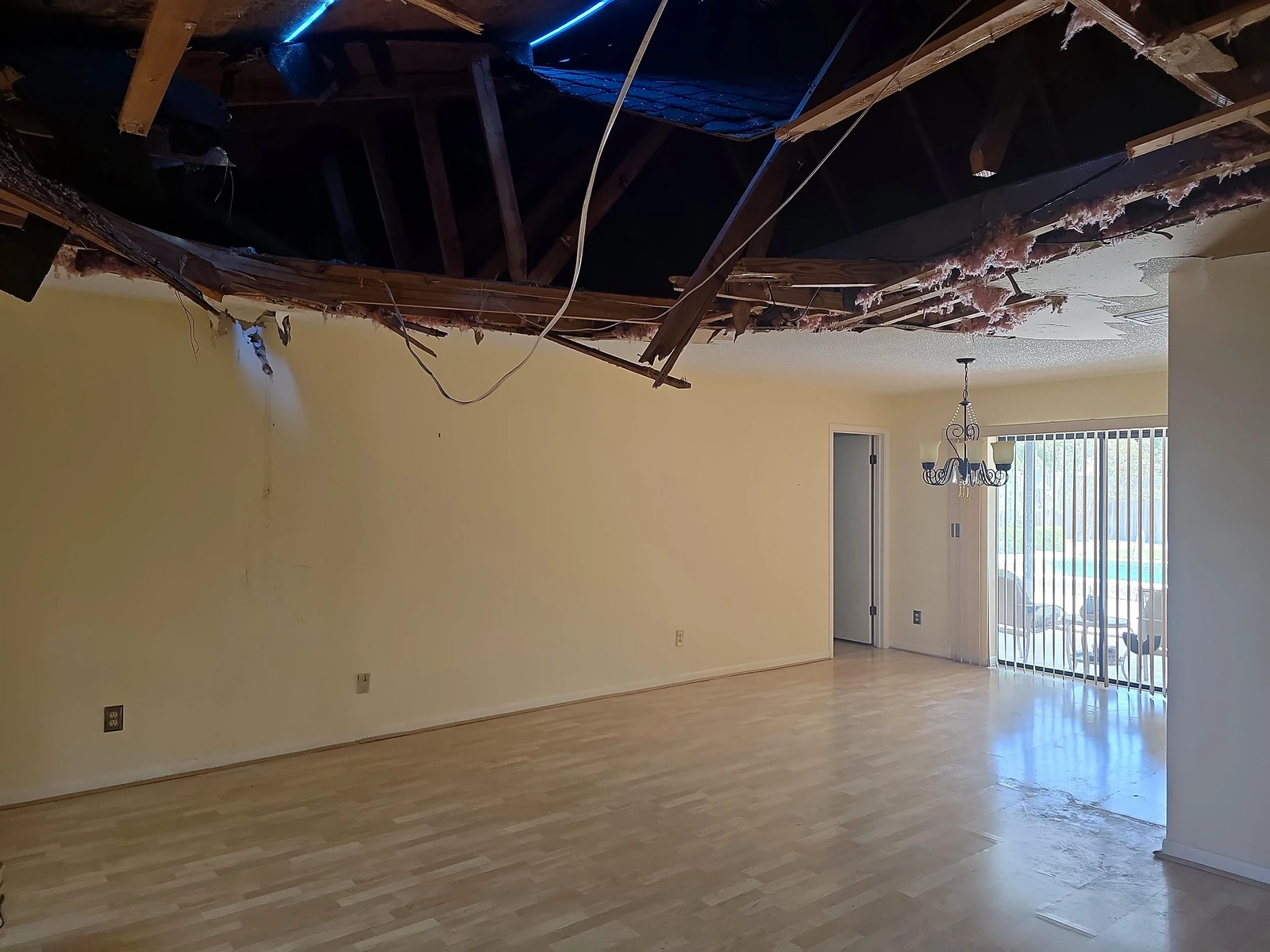
Seminole · Pinellas County
A Closer Look at Mold Remediation in Seminole
Take a closer look at the ceiling and interior damage involved in this Seminole, Pinellas County, mold project.
Explore this project