A roof leak that reached several ceilings
The affected areas included the living room and bedrooms, with ceiling damage around air returns and other parts of the rooms. The project needed to address both the moisture left by the leak and the materials involved in the mold cleanup.
The team assessed the rooms individually so the drying and removal work could follow the conditions in each area. An opened ceiling gave access to construction that was normally hidden above the room.
Drying and removal had different jobs to do
Dehumidifiers, air movers, and an air scrubber were used during the project. Moisture checks continued over several visits to follow conditions in the affected rooms.
Drying addressed the moisture in materials that could be kept. Affected ceiling drywall and insulation were removed where required, opening the work areas for further cleaning. In mold remediation, physical removal and cleaning are central parts of the work; drying alone does not remove mold contamination.
Containing the work around ceilings and air returns
The team isolated the affected work areas and protected the HVAC openings involved in the remediation. Keeping those areas separated helps limit the movement of dust and particles while materials are disturbed.
HEPA vacuuming and cleaning addressed the remaining surfaces and work areas. The project photos show drying equipment, exposed ceiling construction, and attention to an air grille—different parts of the same coordinated cleanup.
Cleanup completed with an independent follow-up check
Hugo completed the water and mold remediation work. An independent post-remediation assessment reported that no further remediator action was needed in the areas it evaluated.
That finding applied to the assessed work areas and the conditions at the time of the inspection. It provided a separate check after the remediation work.
Questions about this project
Why did this Lake Wales home need mold remediation as well as drying?
The roof leak left moisture damage and mold in affected ceiling areas. Drying managed moisture, while material removal and cleaning addressed the mold contamination.
What was done around the air returns?
The affected work areas and HVAC openings were protected during remediation, with cleaning included around the components involved in the ceiling work.
Was the completed remediation checked independently?
Yes. An independent post-remediation assessment reported that no further remediator action was needed in the areas it assessed, based on the conditions at that inspection.
Complete
Work on this project is complete.
A closer look at the project
What water restoration can involve
Water restoration starts with inspecting the property, checking for hazards, and tracing where moisture has traveled. Depending on the conditions, the work can include removing standing water, cleaning affected areas, and using air movement and dehumidification to dry materials that can be saved.
Moisture checks help track progress and guide adjustments to the drying setup. The equipment, work areas, and drying goals depend on the property and the materials involved.
ANSI/IICRC S500What mold remediation can involve
Mold remediation focuses on removing contamination and addressing the moisture that allows it to grow. An inspection helps define the affected areas and the work needed. Depending on those findings, the process can include isolating work areas to limit spread, removing materials that cannot be effectively cleaned, and cleaning remaining surfaces with methods such as HEPA vacuuming.
A final evaluation checks the remediated area. Independent post-remediation verification, when part of the project, is a separate assessment.
ANSI/IICRC S520More restoration projects
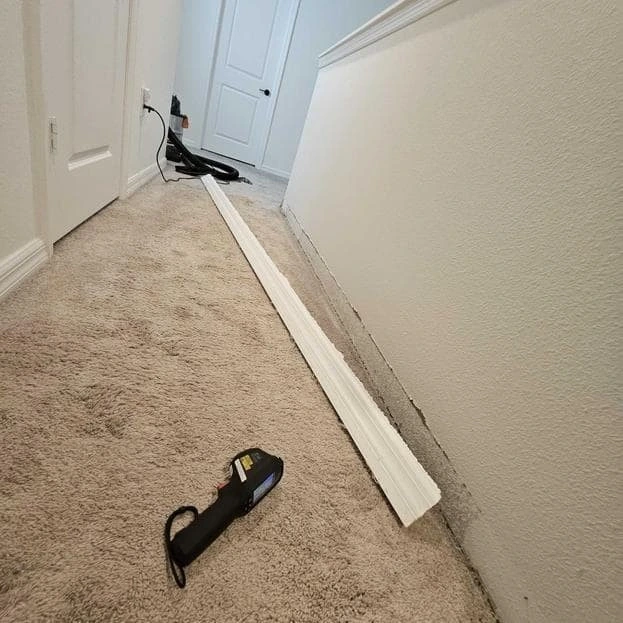
St. Cloud · Osceola County
Water Damage Cleanup Across Two Floors in St. Cloud
Water affected rooms upstairs and downstairs. Take a closer look at the inspection and drying work across this St. Cloud property.
Explore this project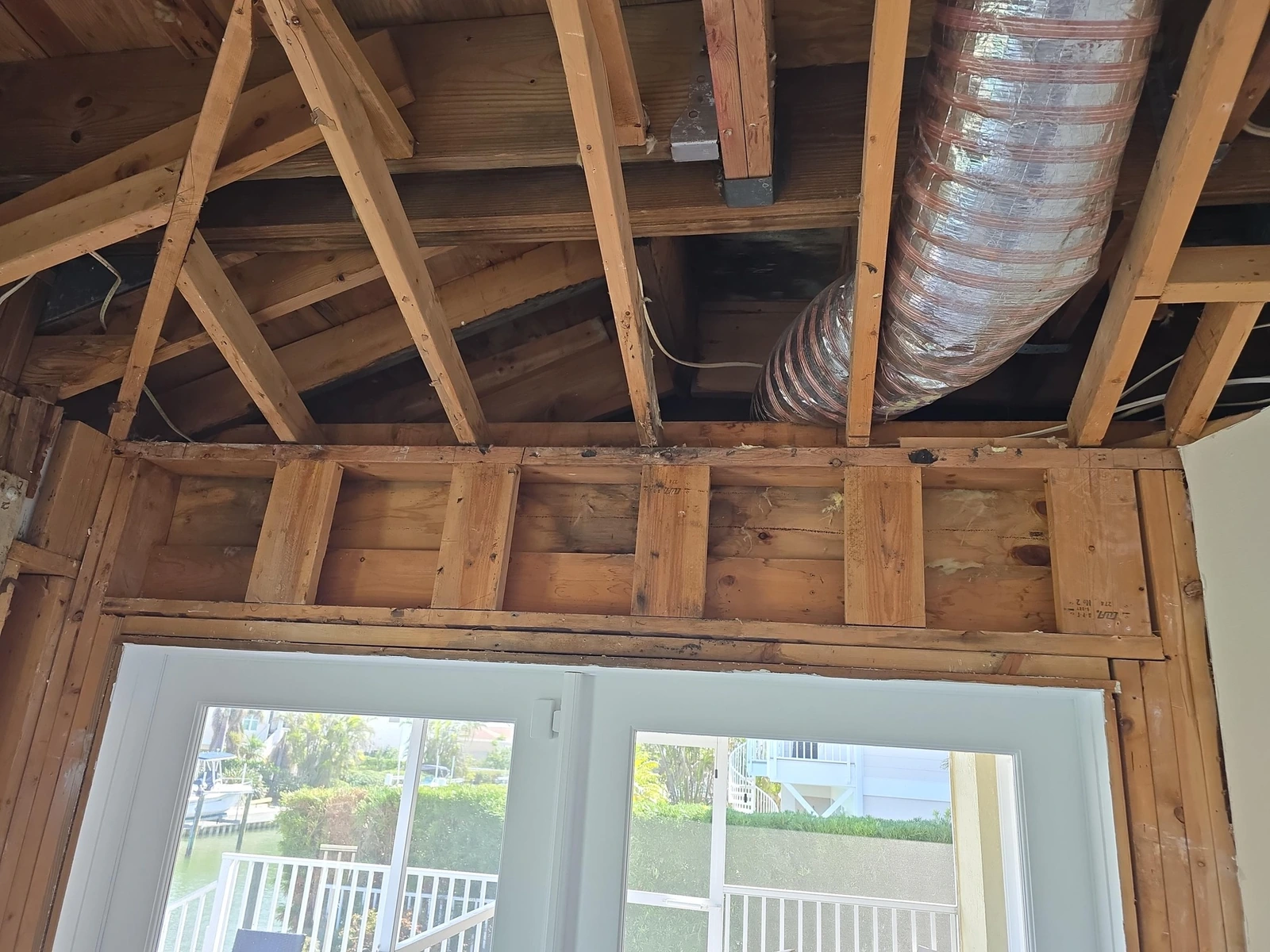
Holmes Beach · Manatee County
Hidden Ceiling Damage During Mold Cleanup in Holmes Beach
Opening the ceilings revealed additional damage. See how the cleanup expanded across the living room, dining room, and kitchen.
Explore this project