Hugo Fire & Water Restoration provides 24/7 flood cleanup in Orlando for stormwater intrusion, flooded rooms, wet flooring, mud, ordinary outdoor debris, damp drywall, odor concerns, and materials left wet after water recedes.
Hugo first reviews the reported water source and safety conditions, then discusses qualifying water removal, affected-material assessment, structural drying, cleanup, and documentation needs.
Call 911 first for active fire, electrical danger, structural collapse, gas odor, medical risk, or another immediate life-safety danger. Do not enter standing water near electrical systems or unstable materials.
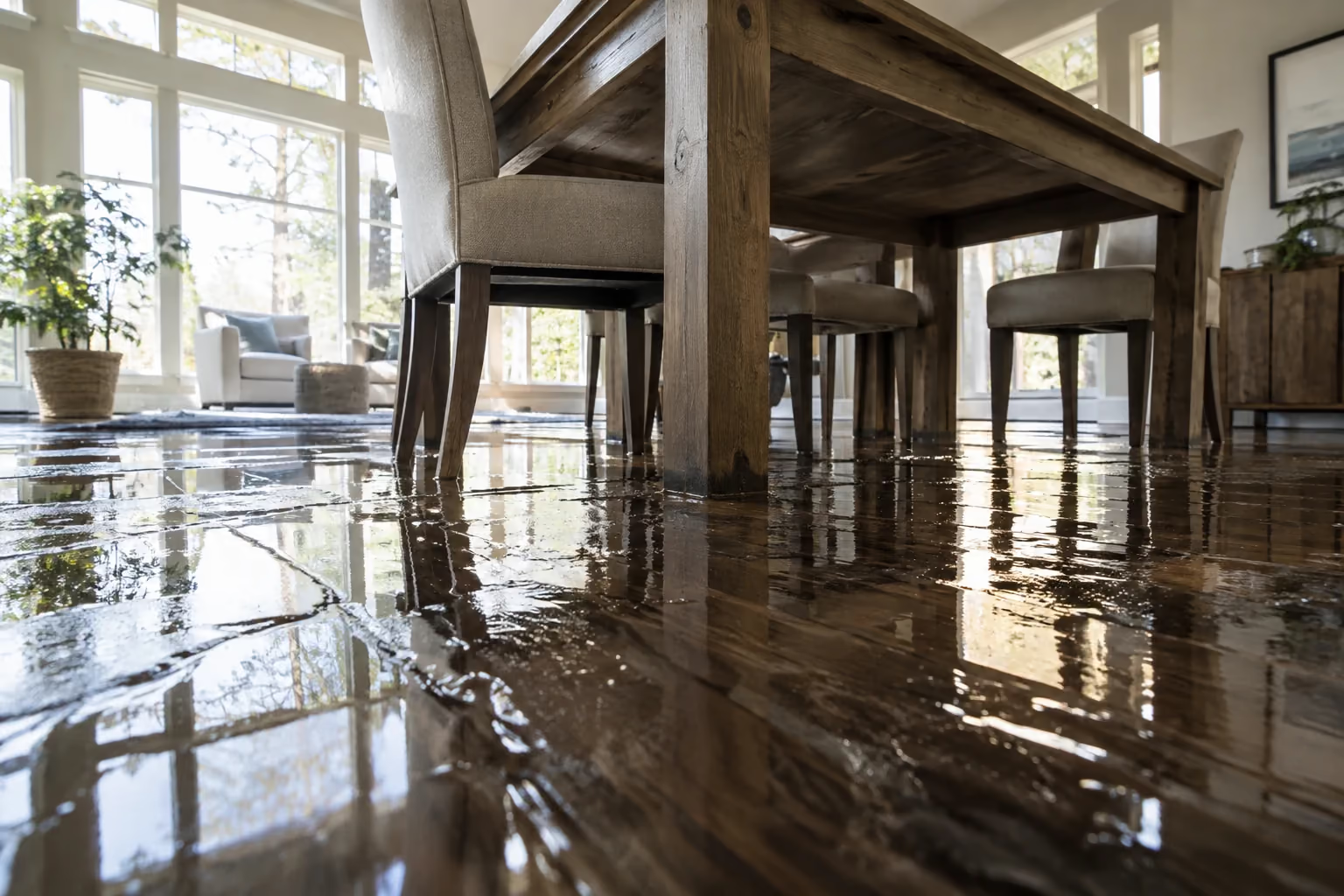
General indoor flood-cleanup visual; no Orlando project location or outcome is represented.
Open 24 Hours
Emergency phone intake is available day and night.
Licensed and Insured
Restoration work stays within authorized capabilities.
IICRC-Certified Technicians
Certification is stated at the technician level.
Verified 15-Minute Dispatch Process
Routing and coordination begin within 15 minutes after necessary intake information is received; this is not a 15-minute arrival promise.
Insurance Documentation Support
Hugo can organize applicable restoration records.
English and Spanish Support
Phone support is available in both languages.
Orlando Flood Cleanup at a Glance
Start with the water source, safety, and safe access
A clear first call helps screen the reported source, visible conditions, rooms or units involved, discovery time, current water entry, safe access, and the authorized property contact.
Who provides emergency flood cleanup in Orlando?
Hugo Fire & Water Restoration provides 24/7 water removal, affected-area assessment, structural-drying coordination, cleanup, odor and moisture guidance, and damage-documentation support for qualifying flood and stormwater conditions in Orlando and Orange County.
What should I do after floodwater enters my property?
Address immediate safety concerns first. Avoid standing water near electricity, unstable materials, sewage, chemicals, fuel, or unknown debris. Photograph visible conditions from a safe location and call with the suspected source, affected areas, access conditions, and whether water is still entering.
Can every water source be handled as standard flood cleanup?
No. The reported source and visible conditions must be screened first. Sewage, wastewater, chemicals, fuel, biological hazards, regulated materials, and unknown suspicious water require specialist verification or referral before any service is confirmed.
Immediate Floodwater Safety
What to Do After Water Enters the Property
Use these steps only from a safe location. Emergency authorities, utilities, property conditions, access, and the actual source determine the next safe action.
Do not enter or touch water when electricity, unstable materials, sewage, chemicals, fuel, biological hazards, medical waste, regulated materials, or unknown substances may be involved.
01Call 911 for immediate life-safety danger, including fire, medical risk, gas odor, or structural collapse.
02Do not enter standing water near outlets, panels, appliances, extension cords, or wiring.
03Stay away from sagging ceilings, unstable walls, broken glass, sharp debris, and slippery surfaces.
04Do not touch or move sewage, chemical containers, fuel, biological material, medical waste, or unknown substances.
05Stop the water source only when it is safe and within your authority.
06Keep occupants and pets away from the affected area.
07Photograph visible conditions only from a safe, dry position.
08Note whether water is still entering, receding, or spreading into other rooms or units.
09Share the suspected source, discovery time, affected rooms, visible mud or ordinary debris, and safe-access status.
10Call Hugo so the source and conditions can be screened before cleanup begins.
Water-Source and Service-Scope Review
The reported source determines the right next step
A website description cannot classify every source or condition. Hugo reviews the information provided and discusses either a qualifying restoration scope or an appropriate specialist referral.
Potentially Within Hugo's Verified Scope
Rainwater intrusion
Stormwater entering through doors, windows, roofs, or exterior openings
Indoor flooding from plumbing or building-system failures
Removal of accessible standing water
Mud and ordinary outdoor debris review
Affected-material assessment
Structural drying and dehumidification
Odor and moisture concerns
Damage documentation
Source or Hazard Requiring Specialist Verification or Referral
Sewage or wastewater
Black-water conditions
Chemicals, fuel, petroleum, or solvents
Biological hazards or medical waste
Hazardous or regulated materials
Unknown or suspicious water sources or substances
Do not touch or move a suspected substance. Describe it from a safe location so the appropriate next step can be discussed.
Flood-Cleanup Service Decision Flow
This screening sequence does not automatically accept a project or make laboratory, regulatory, engineering, legal, or insurance determinations.
1Reported water source
2Safety and visible-condition screening
3Hugo service confirmation or specialist referral
4Water removal and affected-material review
5Cleanup, drying, and documentation
Common Flood and Stormwater Conditions
Describe what is visible without entering an unsafe area
These examples can help with emergency intake, but they do not diagnose concealed damage, classify the source, or establish the complete restoration scope.
Stormwater Through Doors or Windows
Heavy rain and wind may push water through exterior openings, affecting flooring, lower walls, trim, furnishings, and adjacent rooms.
Roof or Exterior Opening
Roof damage, broken windows, or exterior openings may allow rainwater into attics, ceilings, insulation, walls, and interior spaces. Source protection may require an appropriate trade.
Flooded Room After Heavy Rain
Water can collect in low areas or move between rooms, units, and shared assemblies after intense rainfall or drainage backup outside the building.
Plumbing or Building-System Failure
A pipe, supply line, fixture, appliance, drain, or mechanical-system issue may release water across flooring, cabinets, walls, and adjoining spaces.
Mud and Ordinary Outdoor Debris
Qualifying stormwater entry may leave mud, soil, leaves, or ordinary outdoor debris that requires condition review before the cleanup scope is confirmed.
Odor and Humidity After Flooding
Lingering moisture, wet materials, reduced airflow, and Central Florida humidity may contribute to odor and mold concerns and could require additional assessment.
Water Removal, Cleanup, and Drying
Floodwater Removal, Cleanup, and Structural Drying
Visible water may recede while flooring, lower walls, cabinets, insulation, trim, contents, and concealed areas remain damp. Hugo can review qualifying conditions and discuss water removal, cleanup, moisture assessment, structural drying, and documentation based on what is found.
Water Removal
Accessible standing water may be removed when the source, safety, access, and verified service scope allow.
Affected-Material Review
Flooring, lower walls, trim, cabinets, doors, contents, storage areas, and nearby materials may need review after exposure.
Cleanup
Applicable cleanup can address qualifying mud, ordinary debris, residue, and affected areas based on the conditions found.
Moisture Assessment
Areas and materials may remain damp after visible water recedes and may require further moisture review.
Structural Drying
Drying and dehumidification equipment may be used based on documented moisture conditions and the authorized scope.
Not every material can be cleaned, dried, saved, or restored. Property-specific conditions determine the next step.
Flood-Cleanup Services
Choose the clearest starting point for the conditions you can see
A single loss may involve more than one service. Call and describe what is active now when the source or appropriate restoration path is uncertain.
Flood and Stormwater Removal
Qualifying rainwater and stormwater conditions may involve accessible water removal, affected-area review, ordinary mud or debris cleanup, and drying coordination. The source and safety conditions are screened first.
Accessible standing water may be removed when the source, safety, access, and service scope allow. Extraction is an immediate step and does not complete structural drying.
Qualifying mud, ordinary outdoor debris, residue, flooring, lower walls, trim, cabinets, and contents can be reviewed to discuss the appropriate restoration scope.
Lingering moisture, odor, or visible growth may require additional assessment and a separate mold-remediation scope. No mold-prevention result is guaranteed.
The restoration plan should reflect the people, access, contents, schedules, systems, communication, documentation, and authorized contacts involved—not only the building label.
Homes and Condominiums
Flooded rooms may involve occupants, belongings, flooring, lower walls, cabinets, garages, shared assemblies, association access, and neighboring units.
Apartments and Managed Properties
Multifamily and managed properties may require unit-level records, resident communication, authority confirmation, parking coordination, and shared-system review.
Hospitality and Rental Properties
Hotels, vacation rentals, and managed rentals may require room-level documentation, guest-path planning, turnover coordination, and authorized local access.
Commercial Properties
Offices, retail spaces, restaurants, warehouses, and other businesses may require work-zone separation, schedule coordination, and protection of inventory or equipment.
Documented Restoration Work
Flood-Cleanup Work in Orlando and Orange County
The current gallery does not verify a flood-cleanup project location in Orlando or Orange County. These general Hugo restoration records are shown without a local source, date, property, customer, or outcome claim.
Damage assessment
Controlled Demolition After Water Damage
This documented Hugo gallery record does not identify an Orlando or Orange County location, customer, source, date, property type, or outcome.
No current public project record verifies an Orlando or Orange County flood-cleanup location. Explore Hugo's gallery for documented restoration work without a local-project claim.
The exact sequence depends on the source, safety, access, affected materials, authorization, and site conditions. No universal arrival, drying, or completion time is promised.
101
Emergency Call and Safety Review
Share the suspected source, standing water, active entry, affected areas, access, and immediate electrical, structural, or occupant concerns.
202
Source and Scope Screening
The reported source and visible conditions are reviewed to discuss Hugo service confirmation or an appropriate specialist referral.
303
Site and Affected-Area Review
Accessible rooms, units, flooring, lower walls, cabinets, contents, mud, ordinary debris, and nearby materials may be documented.
404
Water Removal
Accessible standing water may be removed when appropriate and within the verified, authorized scope.
505
Cleanup and Material Decisions
Qualifying cleanup and affected-material needs are discussed based on the source, exposure, condition, and authorization.
606
Moisture Assessment and Drying
Remaining moisture and drying or dehumidification needs are addressed from documented conditions.
707
Records and Next Steps
Applicable work records are organized and the next restoration, repair, contents, mold, or documentation steps are discussed.
Documentation and Insurance Communication
Flood-Cleanup Documentation and Insurance Communication
Applicable records may include initial photographs, reported-source notes, affected-room or unit details, visible water and ordinary debris observations, water-removal records, material notes, moisture information, drying details, cleanup records, and authorized communication.
Insurance coverage, reimbursement, approval, claim outcome, and policy interpretation are determined by the applicable carrier and are not guaranteed.
Visible water, mud, and ordinary debris observations
Water-removal records
Affected-material notes
Moisture readings when applicable
Drying and equipment records
Cleanup records
Authorized communication support
Orlando and Orange County Coverage
Flood Cleanup Across Orlando and Orange County
Hugo is based in St. Cloud and accepts qualifying flood-cleanup requests across Orlando and listed Orange County communities. Call with the exact property address, reported source, and current conditions to confirm service availability.
Orange County service-area guide
This stylized illustration identifies communities within the service-area directory. Its icons are not completed projects, property coordinates, dispatch zones, travel-time boundaries, or flood-risk determinations.
Local conditions that may shape the response
Heavy seasonal rainfall and wind-driven rain
Lake, wetland, drainage, and low-area adjacency
Warm, humid conditions after water recedes
Condominium, high-rise, and shared-wall access
Hospitality, rental, and managed-property coordination
No current review record verifies both a local Orlando or Orange County location and a flood-cleanup service connection. Read customer feedback through Hugo's maintained Reviews page.
Hugo's restoration crew includes IICRC-certified technicians, and English and Spanish phone support is available. The assigned crew and scope depend on the request and actual project conditions.
Practical answers about safety, source screening, water removal, ordinary mud and debris, wet materials, drying, documentation, dispatch, service boundaries, and coverage.
Address immediate safety hazards first. Avoid standing water near electrical systems, unstable materials, sewage, chemicals, fuel, biological material, or unknown substances. Photograph visible conditions from a safe position and call with the suspected source and current conditions.
Hugo accepts emergency calls 24 hours a day for qualifying flood and stormwater conditions in Orlando and Orange County. The source, safety, access, authorized scope, crew availability, traffic, and weather affect the next step and timing.
Potentially qualifying conditions include rainwater intrusion, stormwater through exterior openings, indoor flooding from plumbing or building-system failures, accessible water removal, ordinary mud or debris review, affected-material assessment, drying, odor or moisture concerns, and documentation.
Sewage, wastewater, black-water conditions, chemicals, fuel, petroleum, biological hazards, medical waste, hazardous or regulated materials, and unknown suspicious water or substances require specialist verification or referral before service is confirmed.
Accessible standing water may be removed when the source, safety, access, and verified service scope allow. Water may also remain below flooring, behind lower walls, under cabinets, or in adjoining areas after visible water recedes.
Qualifying mud, soil, leaves, and ordinary outdoor debris may be reviewed as part of the restoration scope. Sewage, chemicals, fuel, biological hazards, regulated materials, or unknown substances are not presented as standard debris cleanup.
No. Water removal addresses accessible standing water. Moisture assessment and structural drying address water that may remain in flooring, lower walls, cabinets, insulation, trim, and other materials afterward.
No. The source, exposure, material, condition, access, and authorized scope determine whether a material can remain. No universal cleaning, drying, salvage, or restoration outcome is guaranteed.
Removing accessible water and addressing remaining moisture can reduce moisture-related risk, but flood cleanup does not guarantee mold prevention. Existing growth, odor, or continued moisture may require separate assessment or remediation.
Share the property location, suspected water source, whether water is still entering, standing-water status, affected rooms, discovery time, visible mud or ordinary debris, electrical concerns, safe-access status, and any suspected sewage, chemical, fuel, biological, regulated, or unknown material.
Hugo begins routing and coordination within 15 minutes after the necessary intake information is received. Dispatch is not arrival; travel timing depends on location, traffic, weather, access, demand, and crew availability.
Hugo can organize applicable photographs, affected-area notes, water-removal records, moisture information, drying details, cleanup records, and authorized communication. Coverage, reimbursement, approval, and policy interpretation are determined by the carrier and are not guaranteed.
No. Photographs can document visible conditions but cannot confirm every concealed material, moisture condition, safety issue, source classification, or restoration requirement. Property-specific review may be necessary.
Hugo accepts qualifying requests for homes, condominiums, apartments, managed properties, hotels, vacation rentals, and commercial properties. Authority, shared systems, occupants, schedules, and access may affect coordination.
Call first when water is active, spreading, near electrical systems, or associated with an immediate safety concern. Use the form for contact, location, source, affected-area, discovery-time, and safe-access details that support follow-up.
Orlando Flood-Cleanup Request
Request Flood-Cleanup Help
For active or spreading water, call first. Use the form to share the property location, suspected source, active conditions, standing water, affected areas, visible ordinary mud or debris, discovery time, and concerns you can observe safely.
Do not enter an unsafe area or delay an emergency call to complete this form. Do not include gate, lockbox, alarm, door, policy, or claim numbers.
24/7 Orlando Flood-Cleanup Help
Need Emergency Flood Cleanup in Orlando?
Call Hugo's 24/7 emergency line for qualifying stormwater intrusion, flooded rooms, active water entry, wet flooring, ordinary mud or debris, damp lower walls, odor or moisture concerns, water removal, drying coordination, cleanup, or damage-documentation needs.
Call 911 first for immediate life-safety danger. Dispatch begins coordination after intake and does not guarantee an arrival time, project acceptance, drying duration, claim result, or restoration outcome.