
Who handles water damage in The Villages?
Hugo discusses an eligible water restoration plan after screening the source and conditions. The agreed work may include removal, drying and moisture checks as appropriate.

A leak can affect floors, walls and nearby rooms. Call Hugo to discuss eligible water damage restoration for your property in The Villages.

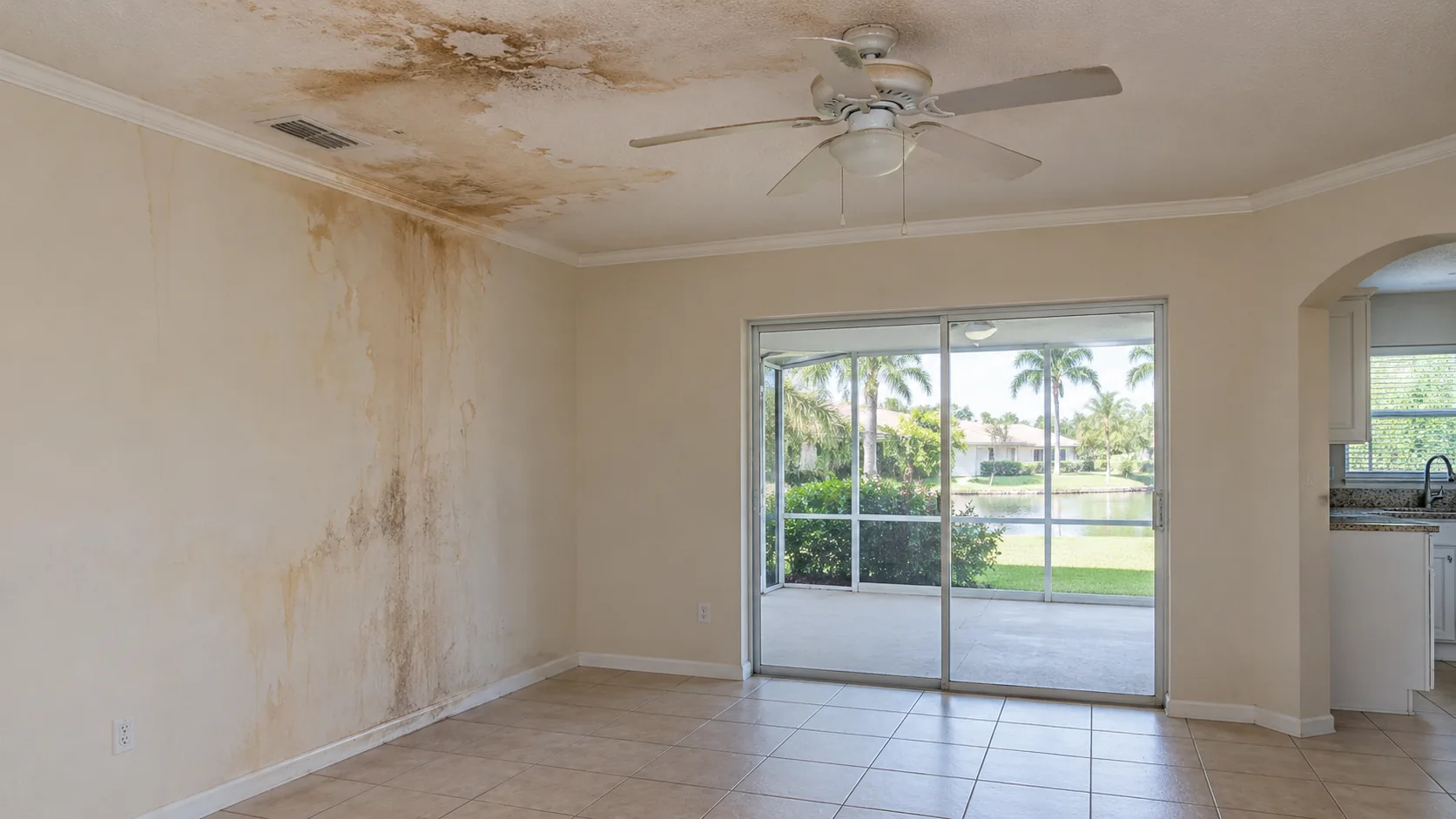
Hugo discusses an eligible water restoration plan after screening the source and conditions. The agreed work may include removal, drying and moisture checks as appropriate.
Explain the known source and affected areas without entering an unsafe space.
Provide your address, parking and authorized contact. Give gate or alarm codes directly to staff, not through the website form.
If a utility adjustment or repair permit is relevant, verify the responsible utility and actual property jurisdiction rather than assuming one authority serves every address.
Water can move below finishes or between levels before it is visible.
Explain where the leak began and which areas are visibly wet.
From a safe position, describe affected rooms above and below. Avoid sagging ceilings and wet electrical areas, and do not open surfaces yourself.
Ask whether materials need moisture checks after visible water recedes.
Identify restricted rooms, occupant needs and the authorized contact.
Retain safely taken photographs, discovery details and repair information.
Discuss who will stop the leak and coordinate any separate reconstruction.
Keep away from electrical, structural or contamination hazards. Call 911 for immediate danger.
Describe the leak and whether it has stopped without entering dangerous water.
List the visible wet rooms, finishes and contents you know about.
Save photos and incident or repair dates where safely obtainable.
Provide parking and an authorized contact; communicate gate or alarm codes directly to staff.
Hugo screens the source and conditions before discussing work.
Eligible drying is planned around source screening, materials and moisture findings.
Review the source, unknowns and applicable water exclusions.
Identify occupants, safe access and reported wet materials.
The authorized scope determines any suitable water removal.
For eligible work, material readings guide air movement and dehumidification; compare progress with appropriate drying goals rather than appearance alone.
Record material readings, equipment adjustments and scope changes; review the drying record and remaining source repairs before finishes are replaced.
Confirm responsibility for the moisture source and separate repair.
Review drying records and remaining source repairs before replacing finishes; your insurer decides coverage.
Ask about moisture measurements, remaining source repairs and the appropriate time to begin separate rebuilding.
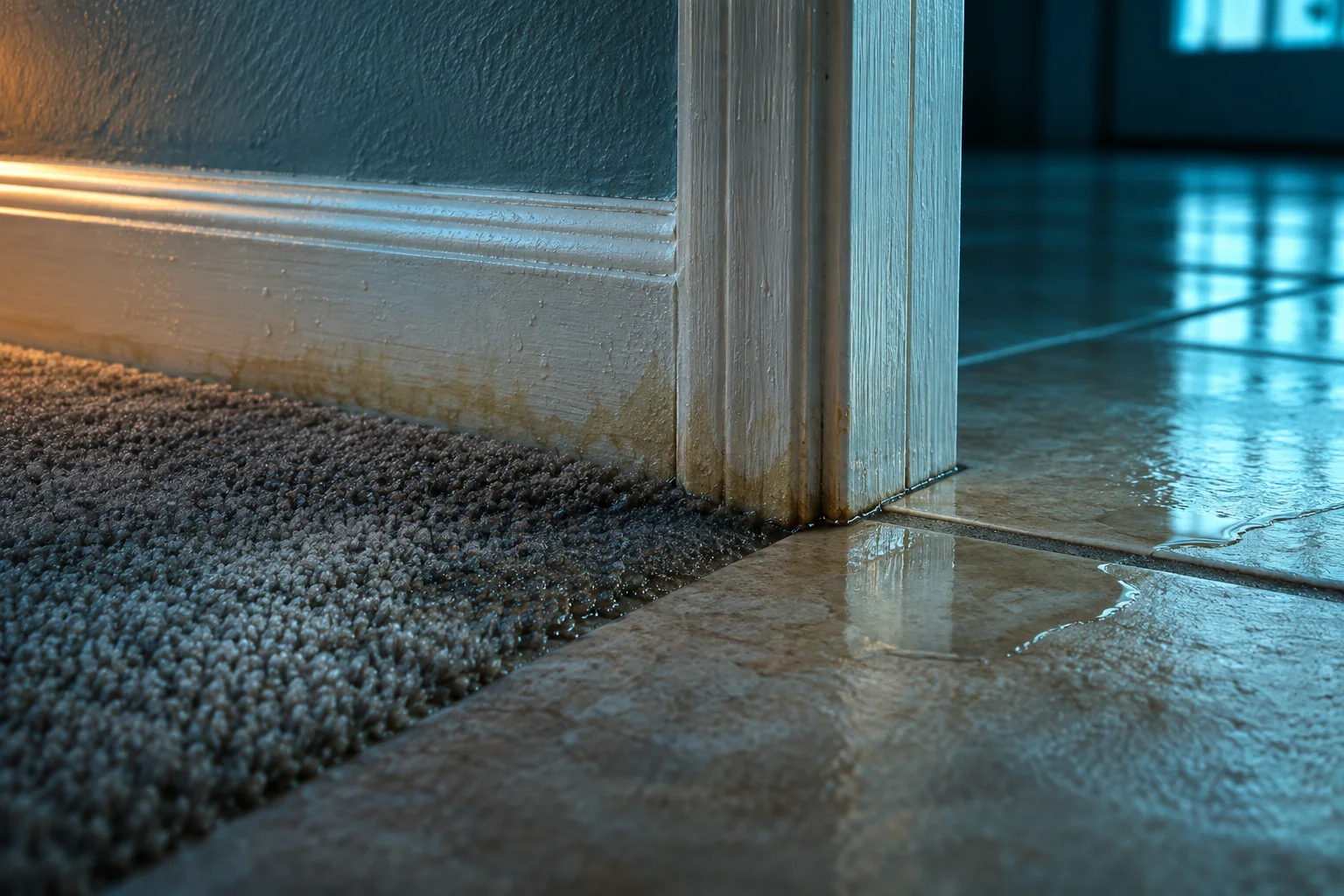
Tell the team what became wet and whether the source has been corrected.
Mention separate smoke or soot concerns after officials authorize entry.
View pageDiscuss suspected growth and any licensed assessment already available.
View pageExplain any wind openings that may have allowed water inside.
View pageAsk about eligible standing-water removal before material drying.
View pageDescribe what is known about the water source when seeking cleanup.
View pageReport exposed doors or windows that may require temporary protection.
View pageShare visible roof damage from the ground and arrange separate roof repair.
View pageFind information on source screening, moisture checks and drying.
Yes. Call 24/7 to describe the property and allow source screening.
No. Sewage, wastewater, black water, biohazards and known or suspected contaminated water are excluded.
Yes. Discuss whether moisture checks are appropriate for eligible conditions.
Share the address, source if known, affected areas, restrictions and authorized contact from safety.
The need depends on material conditions and the agreed scope.
Source, access, materials and authorized work affect timing.
Your insurer determines coverage under the policy; keep safe photos and work records.
The Villages’ official FAQ names Lake, Sumter and Marion counties.
Read resourceFor water restoration outside The Villages, choose the damaged property's nearby-area page.
Call from safety with the source and affected areas you know.