Who removes standing water in The Villages?
Hugo screens the water source and conditions before discussing extraction. Removing eligible standing water and drying affected materials are separate stages.

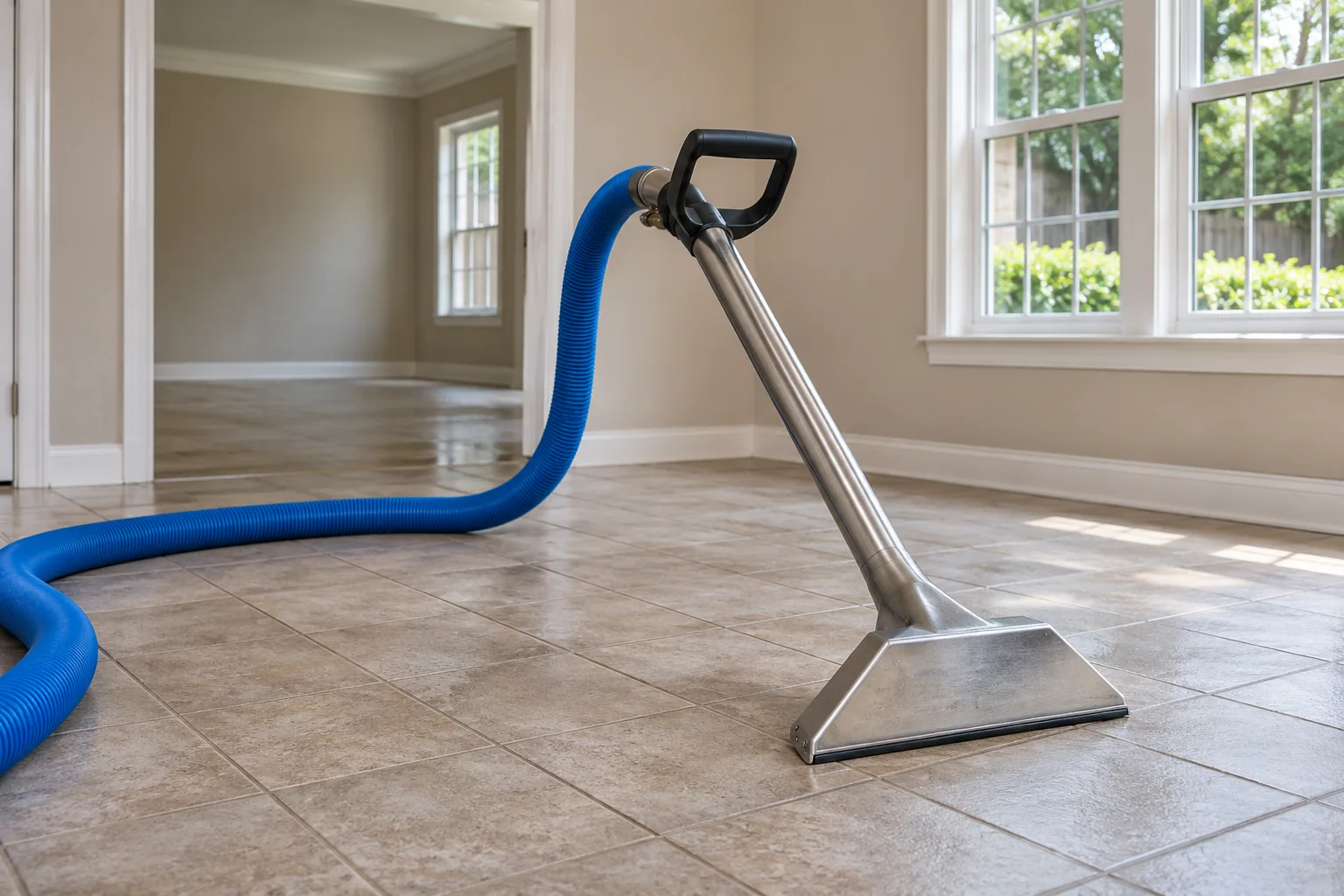

If standing water affects your property in The Villages, call Hugo from safety to discuss source screening and eligible extraction.

Hugo screens the water source and conditions before discussing extraction. Removing eligible standing water and drying affected materials are separate stages.
Avoid water near electrical, structural or contamination risks; call 911 for immediate danger.
Share what is known and make uncertainty clear.
Name affected rooms without disturbing materials or entering restricted areas.
Retain photographs and dates only where safely obtainable.
Give parking and decision-maker details; share entry codes directly with staff.
Hugo determines whether the conditions fall within its service scope.
Affected flooring may require further checks after eligible water removal.
Describe where it is visible and its known source.
Mention affected flooring without lifting material or entering unsafe water.
Explain the uncertainty so eligibility can be screened.
Identify occupied areas, restrictions and who can authorize work.
Save safe photographs and source-repair information.
Ask whether drying and moisture checks are needed after eligible extraction.
Save eligible removal and drying records with source-repair information.
Without entering the water, report pooled areas, affected flooring and any source repair underway.
Provide your address, parking and authorized contact. Give gate or alarm codes directly to staff, not through the website form.
The utility named on the property account can be contacted about its network. After eligible extraction, ask about remaining moisture checks, separate drying and source repair.
Unknown water must be screened before extraction can be accepted.
Unknown water requires screening and contamination exclusions apply.
Occupancy, restrictions and material conditions shape the plan.
Identify pooled water included in the authorized work.
Discuss remaining moisture and any separate drying needed.
Keep work information and changes to the agreed plan.
Arrange source repair and any separately needed rebuilding.
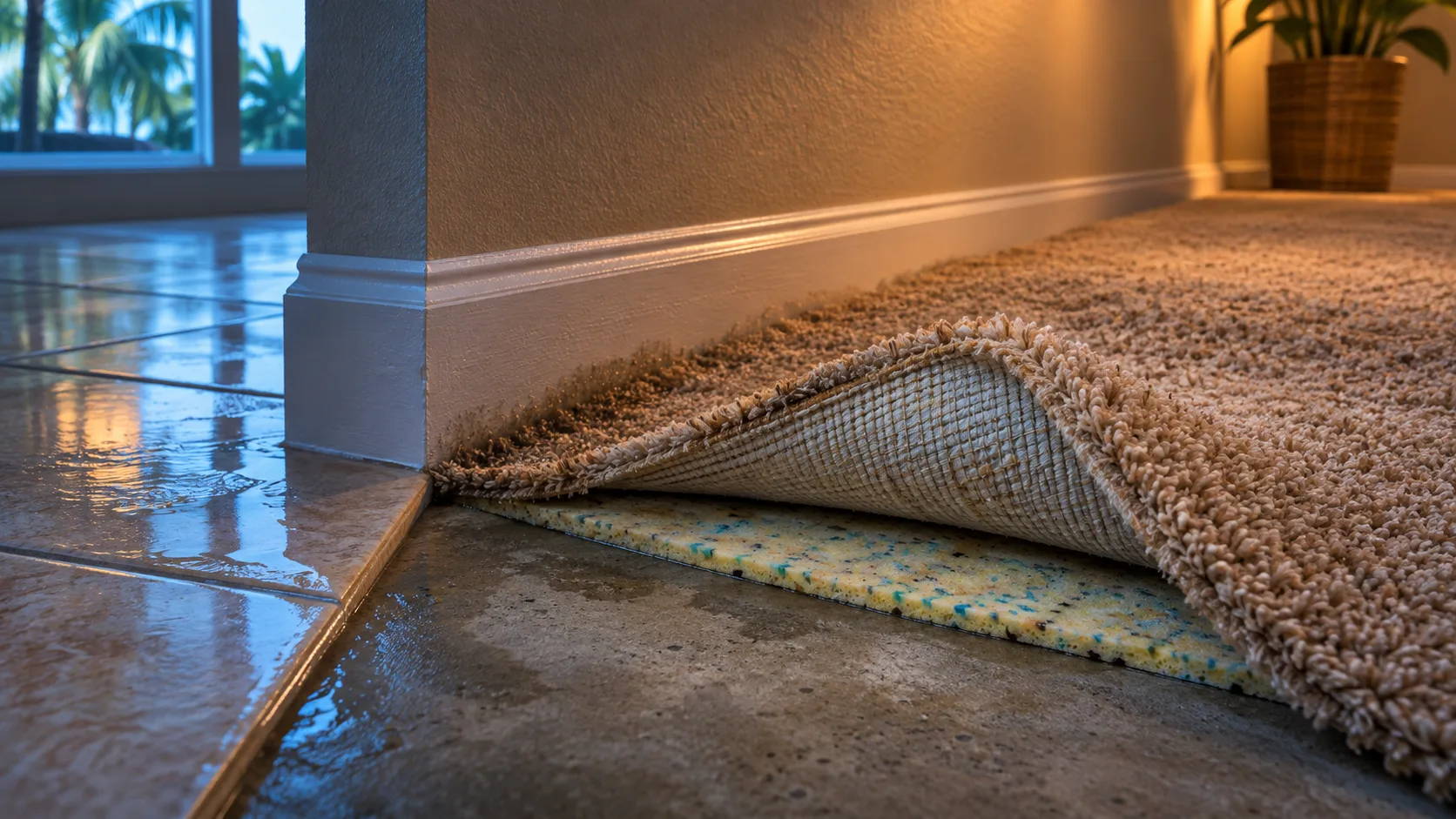
Discuss the affected flooring, remaining moisture checks and any separately planned drying after eligible extraction.
Material checks and drying can be discussed separately after eligible removal.
Ask how material measurements inform drying after eligible removal.
View pageReport fire residue separately and follow officials’ access restrictions.
View pageMention suspected growth and any available independent findings.
View pageExplain whether storm damage created an opening for the water.
View pageShare source and contamination concerns before cleanup is considered.
View pageDiscuss temporary boarding for a damaged exterior entry.
View pageDescribe a roof leak from safety when arranging protection above.
View pageLearn why source screening and follow-on drying are separate decisions.
It removes eligible standing water; materials may still need separate drying.
No. Sewage, wastewater, black water, biohazards and known or suspected contaminated water are excluded.
Tell the team what is uncertain so the request can be screened.
The material condition and moisture findings guide the next step.
Provide the address, known source, affected rooms, restrictions and authorized contact.
Water extent, access and the authorized scope determine timing.
Keep safe photographs and service records; the carrier decides coverage.
Its community FAQ lists Lake, Sumter and Marion as The Villages’ counties.
Read resourceFor water extraction outside The Villages, choose the damaged property's nearby-area page.
Describe the pooling and known source from a safe location.