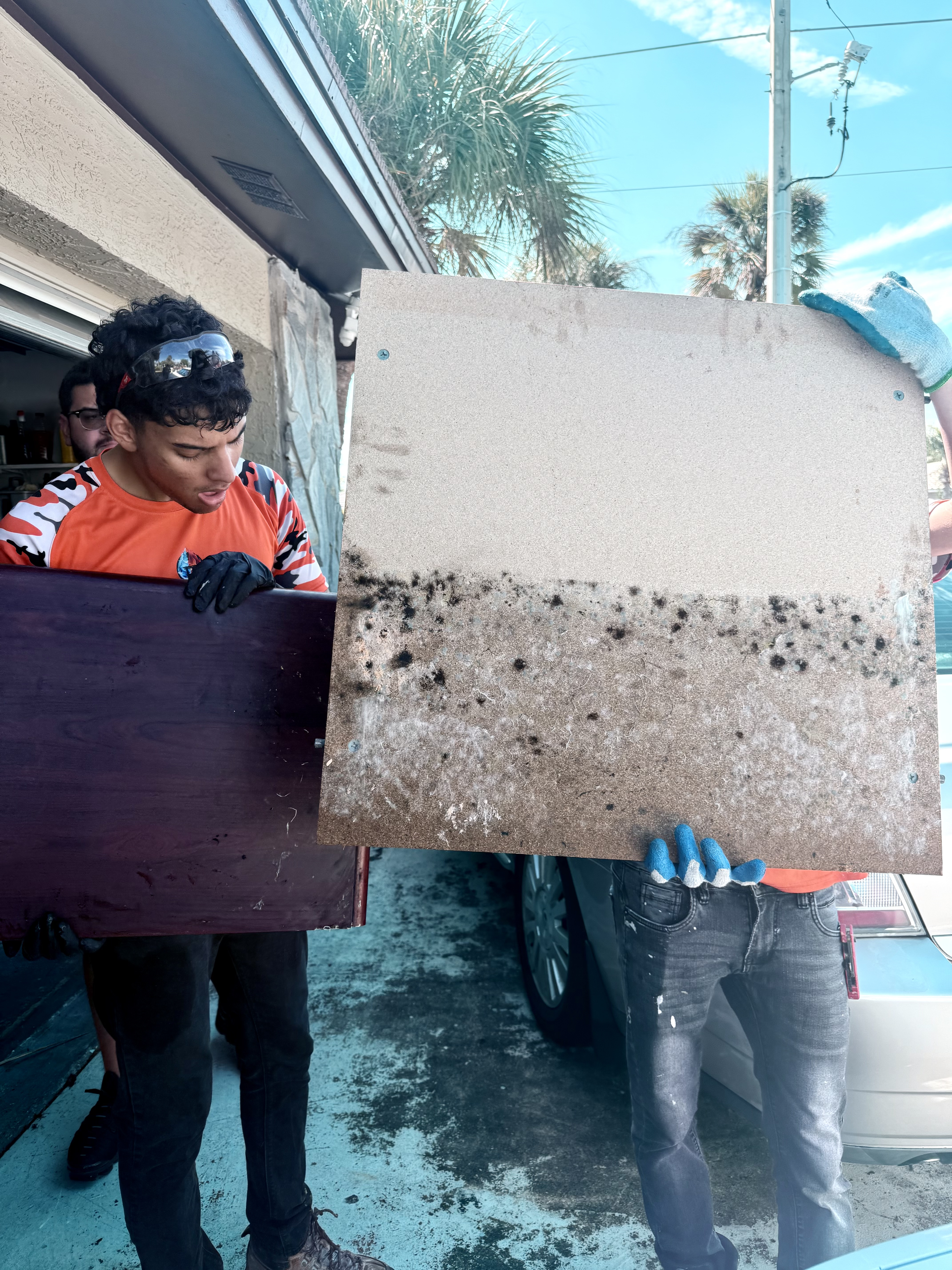
Immediate restoration guidance
Mold remediation cost is scope-specific. Important factors include the moisture source, affected materials and area, access, containment and filtration needs, controlled removal, cleaning, documentation, and independent assessment or clearance requirements. Insurance coverage depends on the policy and carrier decision.
Steps to protect your property
- 1
Identify the moisture event
Record known roof, plumbing, AC, storm, or prior water-damage conditions without disturbing affected material.
- 2
Ask what the proposed scope includes
Containment, filtration, removal, cleaning, disposal, moisture correction, and restoration are distinct items.
- 3
Clarify independent services
Assessment, testing, or clearance may need to be performed by an appropriately licensed independent provider.
- 4
Keep policy decisions with the carrier
Restoration documentation can organize the file but cannot promise mold coverage or claim approval.
Why a generic price range is unreliable
A small accessible area and a concealed multi-room condition do not have the same containment, material, labor, or restoration needs. An on-site scope is necessary.
Who decides insurance coverage?
Hugo offers insurance documentation support. The insurance carrier determines policy coverage, exclusions, reimbursement, claim approval, and settlement decisions.
Official Sources and Further Reading
Use the linked agency page for the source's current public guidance. A source link does not replace property-specific professional judgment.
- EPA. A Brief Guide to Mold, Moisture and Your Home (opens in a new tab)
Homeowner guidance on moisture control, mold cleanup, and prevention.
- CDC. Guide to Mold Cleanup After Disasters (opens in a new tab)
Public-health guidance on safe mold cleanup after flood or storm damage.
- CDC. 8 Tips to Clean Up Mold (opens in a new tab)
Practical safety tips for protection, drying, cleanup, and not covering mold.
Related restoration guides
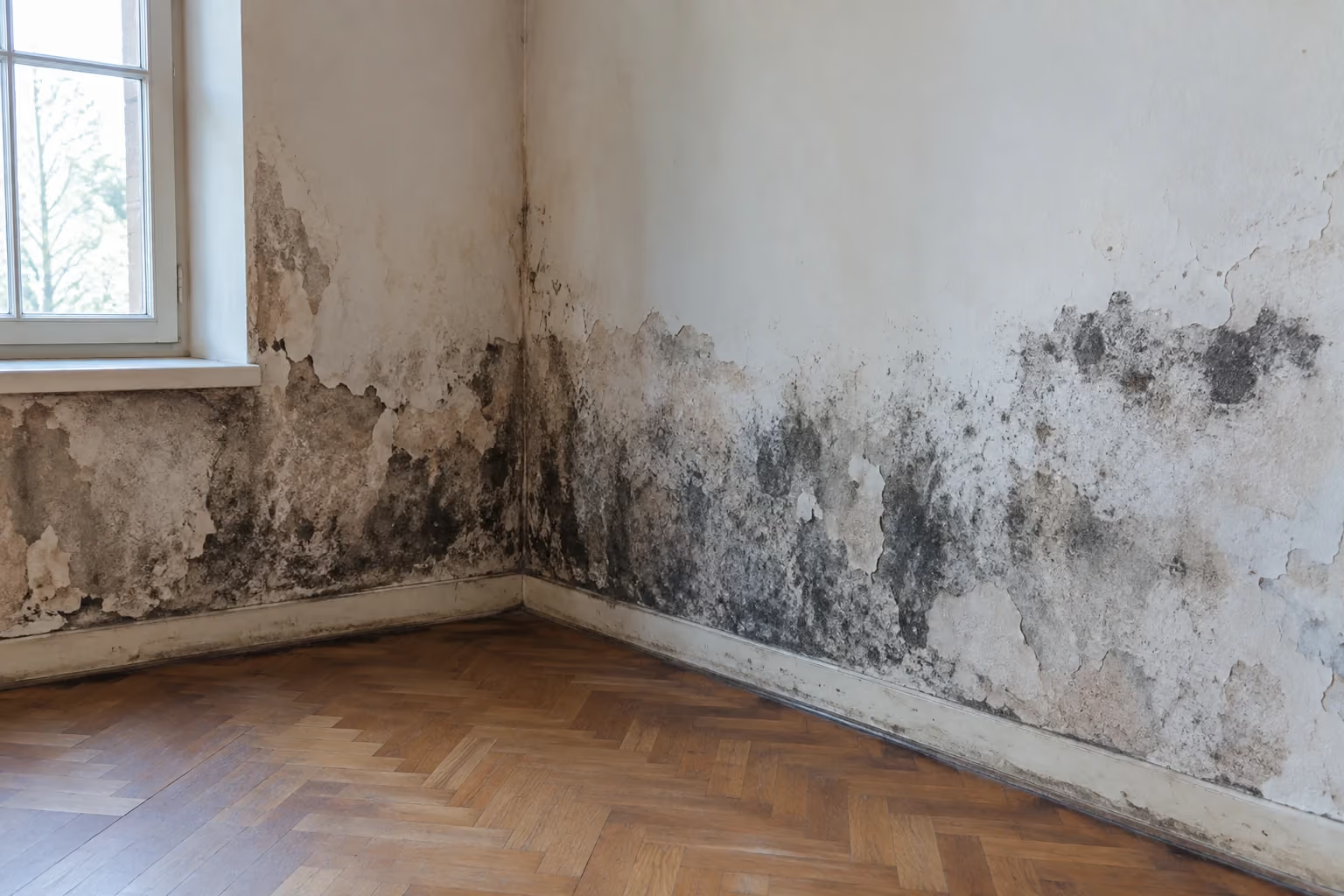 Mold Remediation
How Quickly Mold Can Grow After Water Damage
Why moisture control, professional drying, and documentation matter after a Central Florida leak or flood.
Published by Hugo Fire & Water Restoration
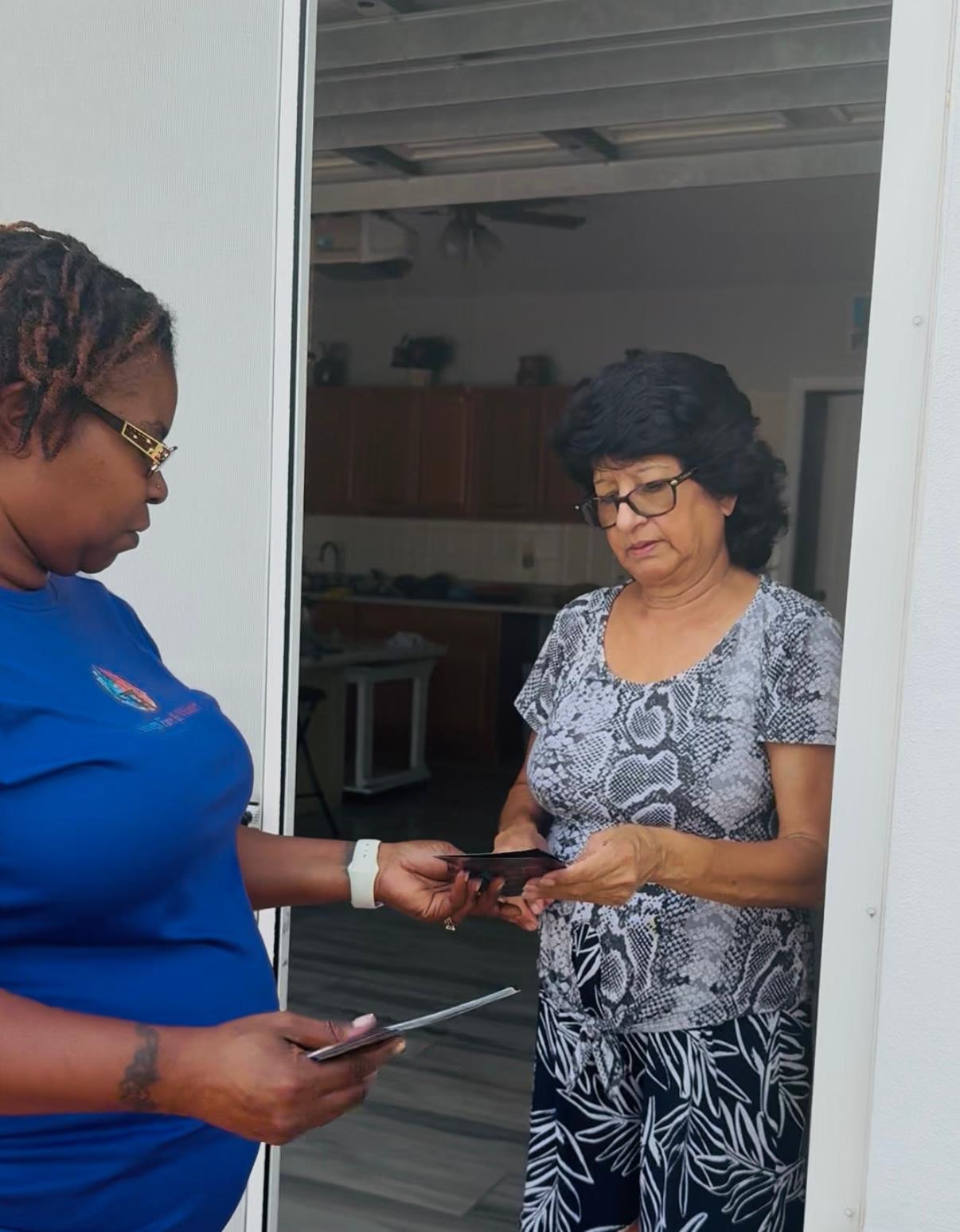 Insurance Claims
What Documentation Helps a Restoration Insurance Claim?
Photos, moisture readings, scope notes, and communication records can help clarify the loss.
Published by Hugo Fire & Water Restoration
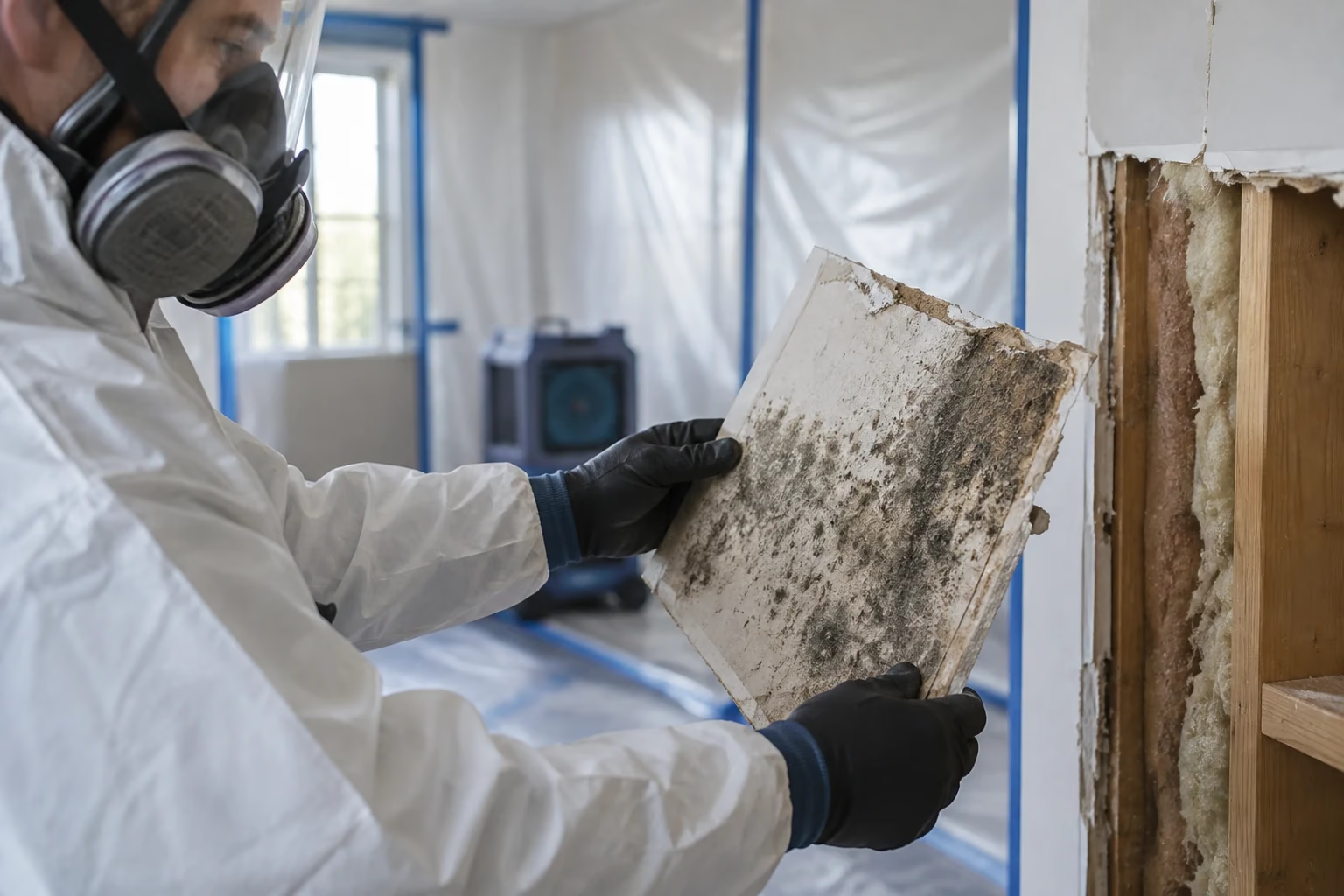 Central Florida Restoration
Mold Remediation in Osceola County: Warning Signs and Next Steps
How to recognize mold concerns, avoid spreading spores, and plan next steps in Osceola County homes.
Published by Hugo Fire & Water Restoration
Osceola County, FL · St. Cloud, FL