+What restoration services does Hugo Fire & Water Restoration provide?
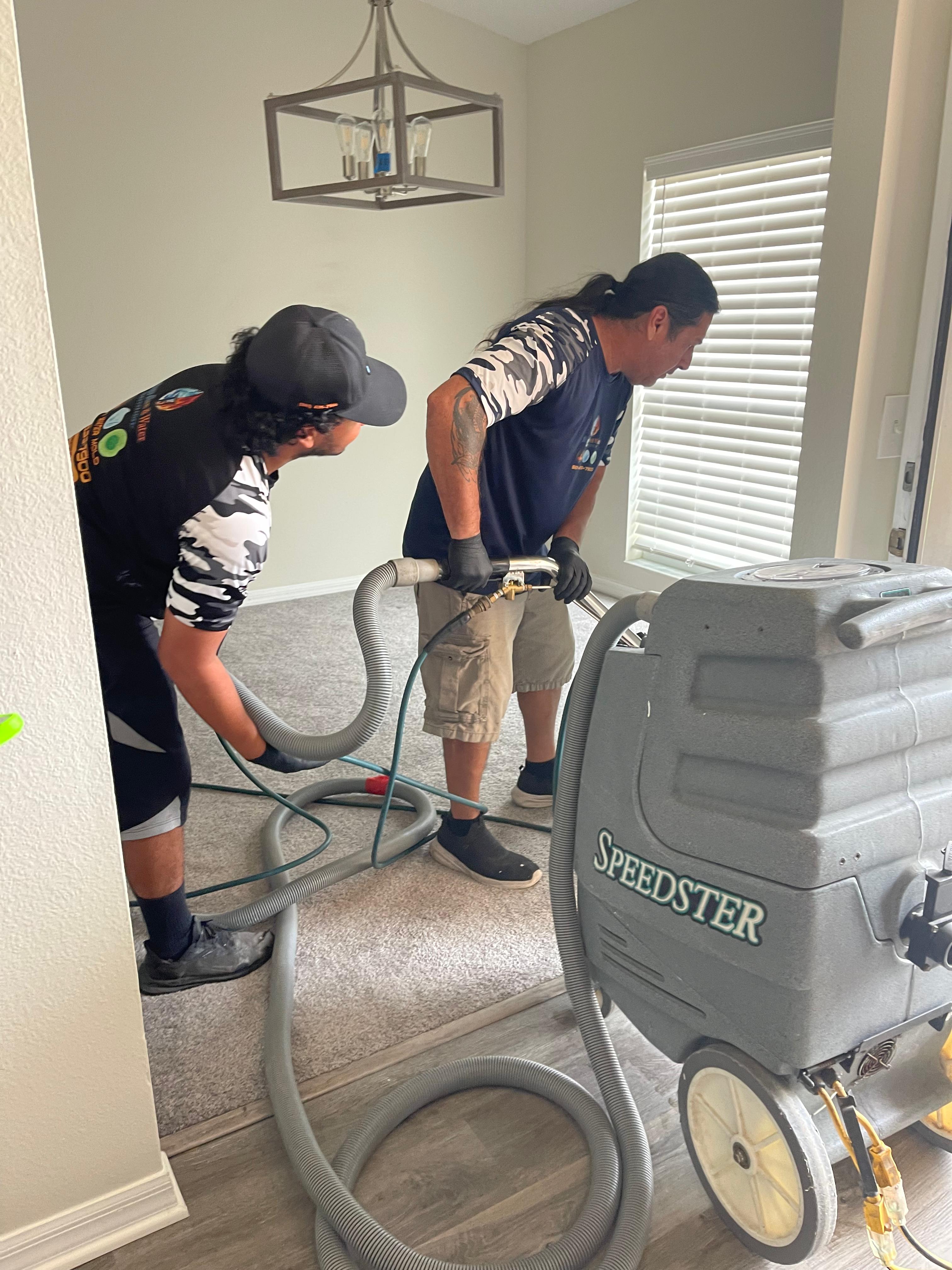
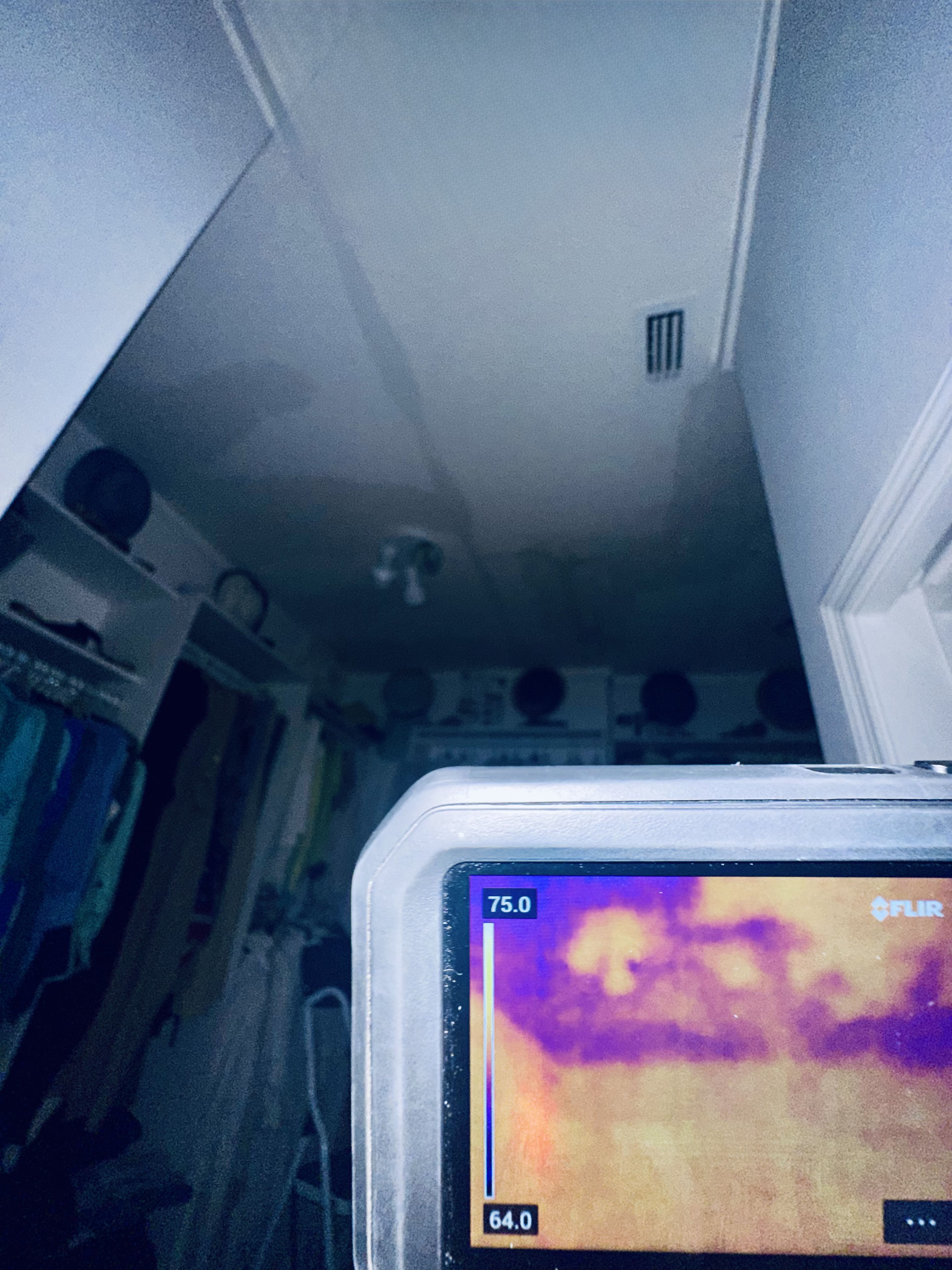
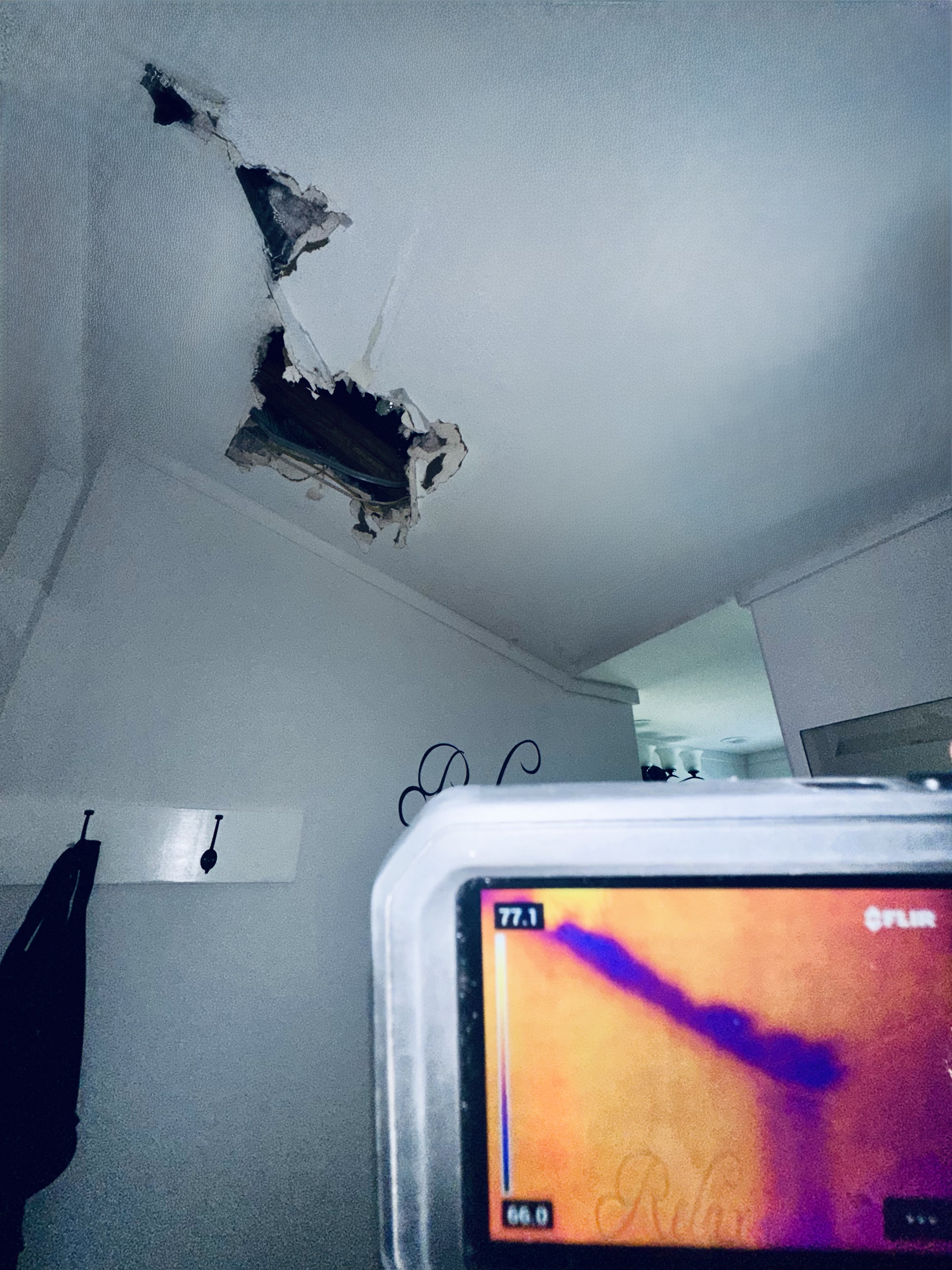
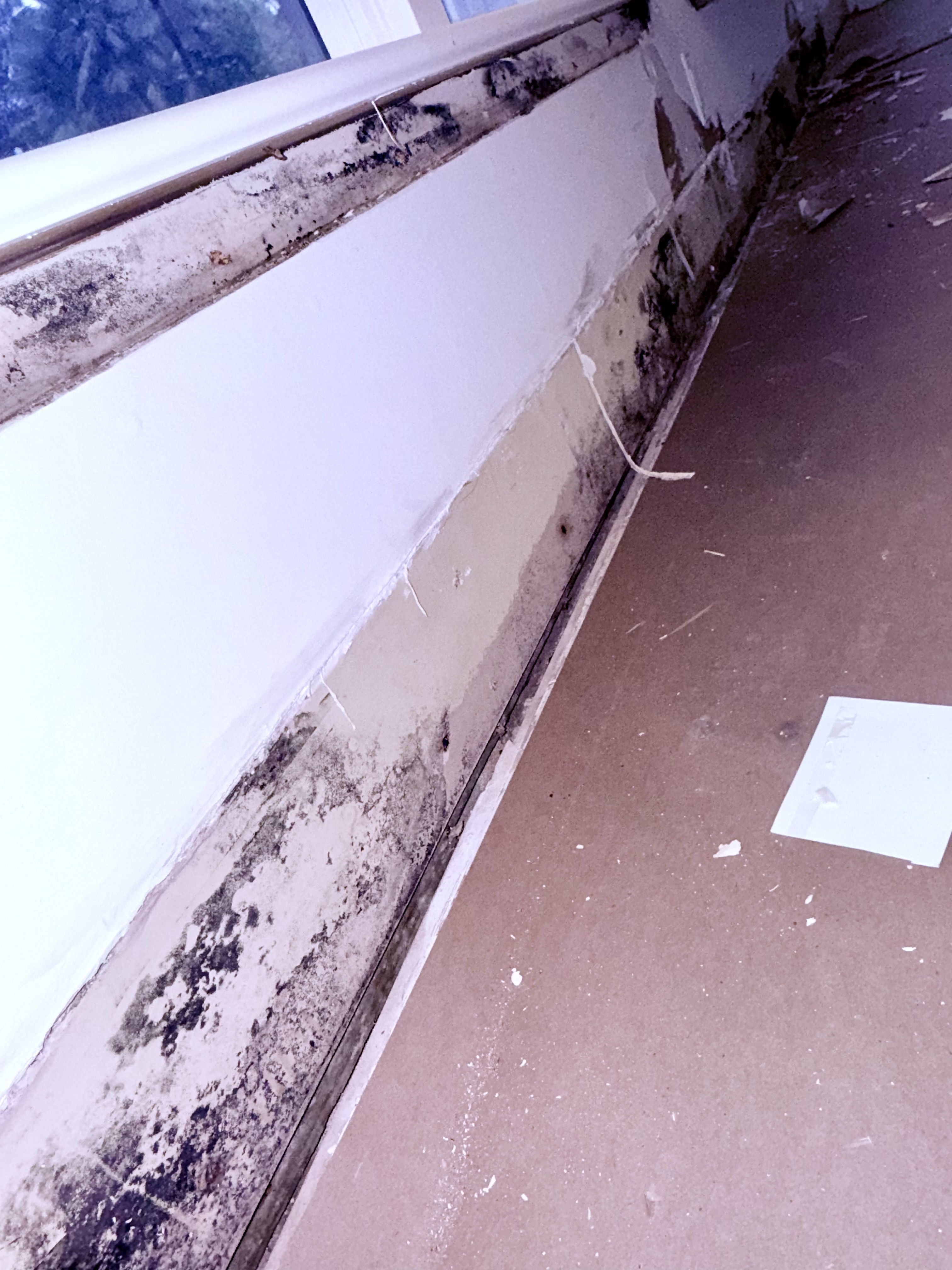
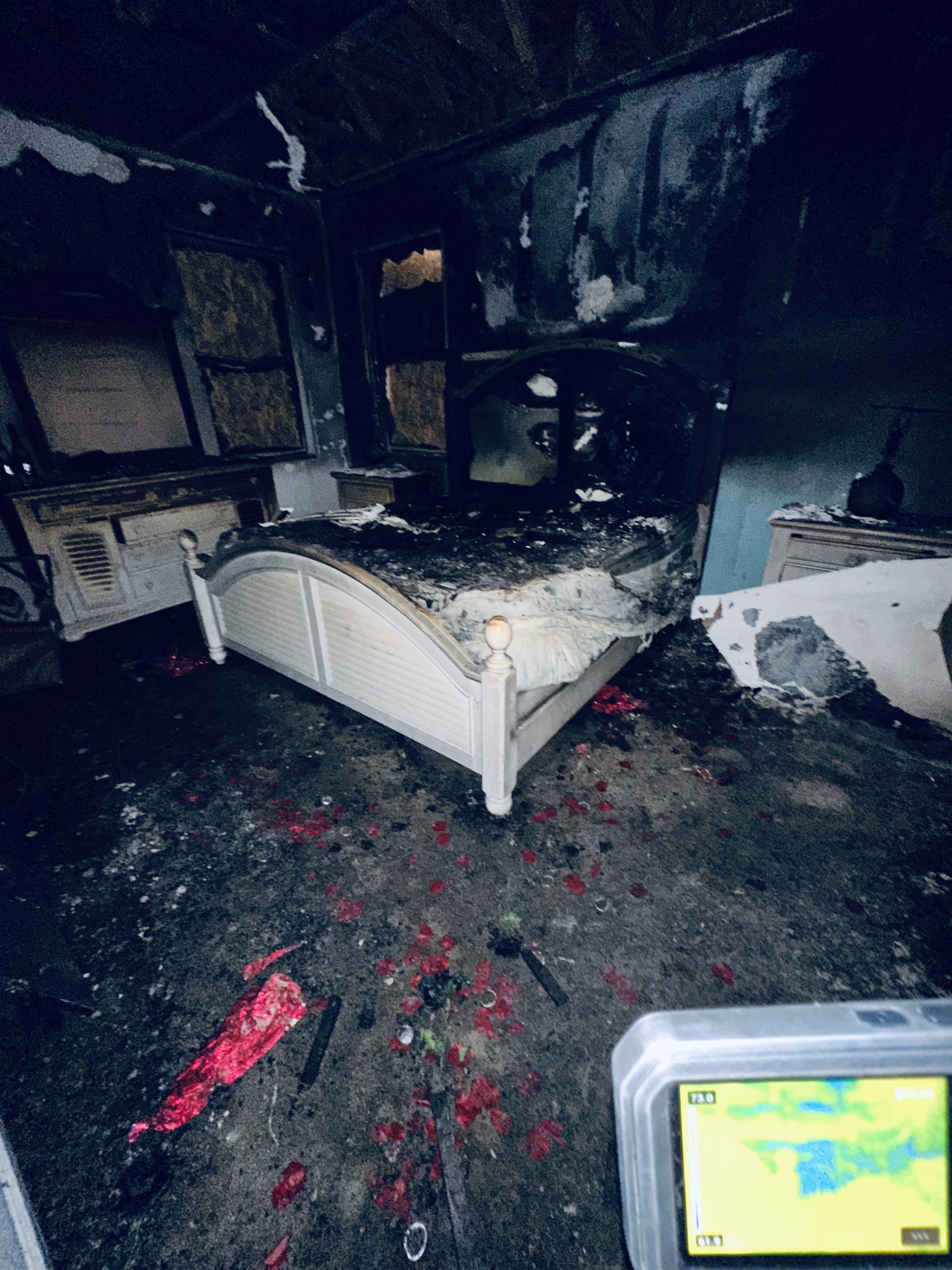
Hugo Fire & Water Restoration provides emergency water damage restoration, fire damage cleanup, mold remediation, storm damage restoration, board-up, roof tarping, decontamination support, and insurance documentation support across Central Florida.
+What service should I choose if I am not sure?
Call first if the damage is active. Hugo can help route the request to water damage, fire damage, mold remediation, storm damage, board-up, roof tarping, decontamination, or documentation support based on what is happening.
+Can one request involve more than one service?
Yes. A single property damage emergency can involve extraction, drying, smoke cleanup, mold prevention, board-up, roof tarping, decontamination, and documentation support depending on conditions.
+When should I use the insurance-help page?
Use the insurance-help page when you need to understand restoration documentation, photos, notes, drying logs, temporary protection records, and communication support without expecting claim-outcome promises.
+Are listed service areas separate offices?
No. The coverage directory helps property owners identify the closest county, community, and service. Hugo is based in St. Cloud and serves listed Central Florida communities from that location.
+What should I do first after discovering water damage?
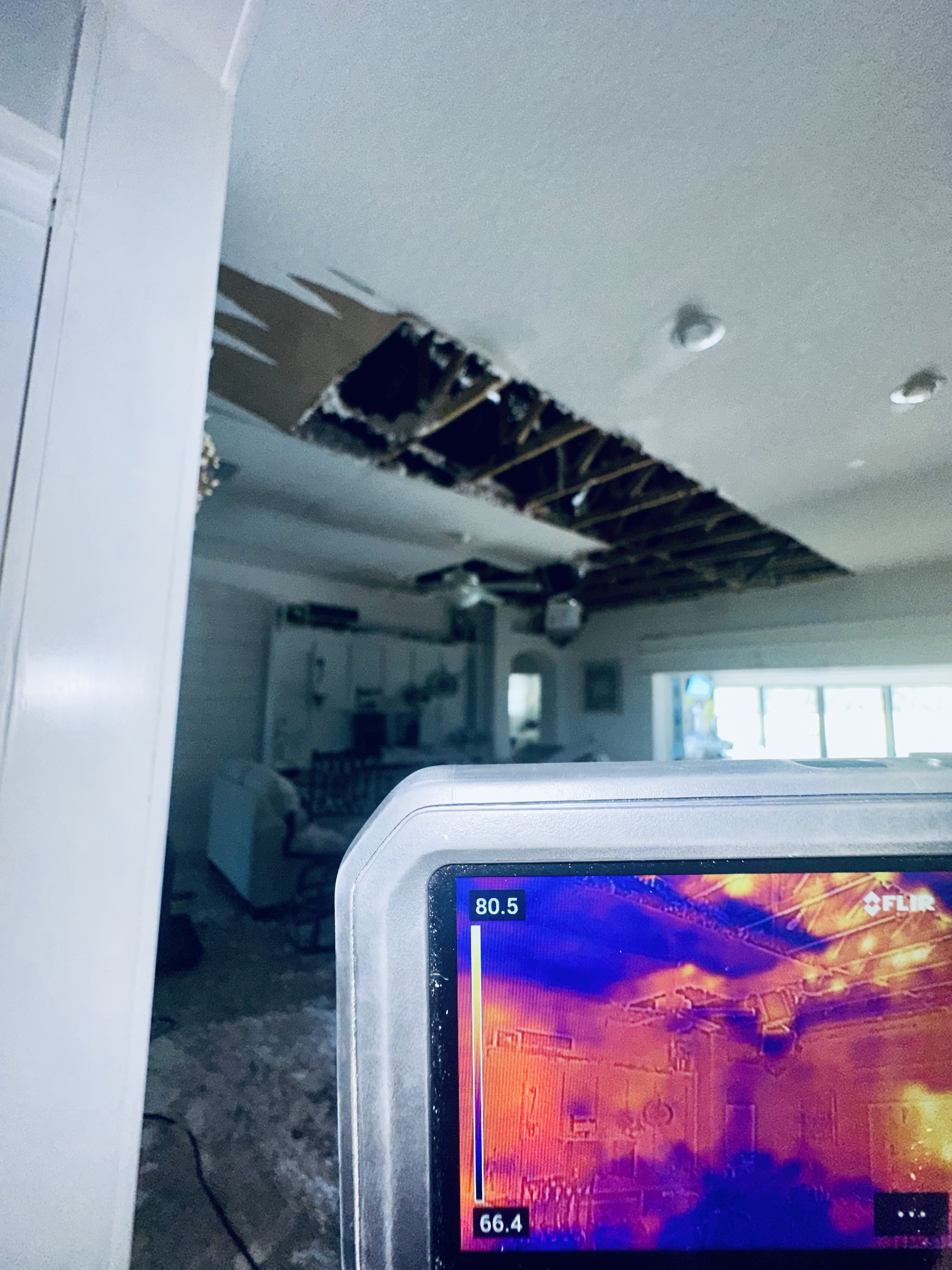
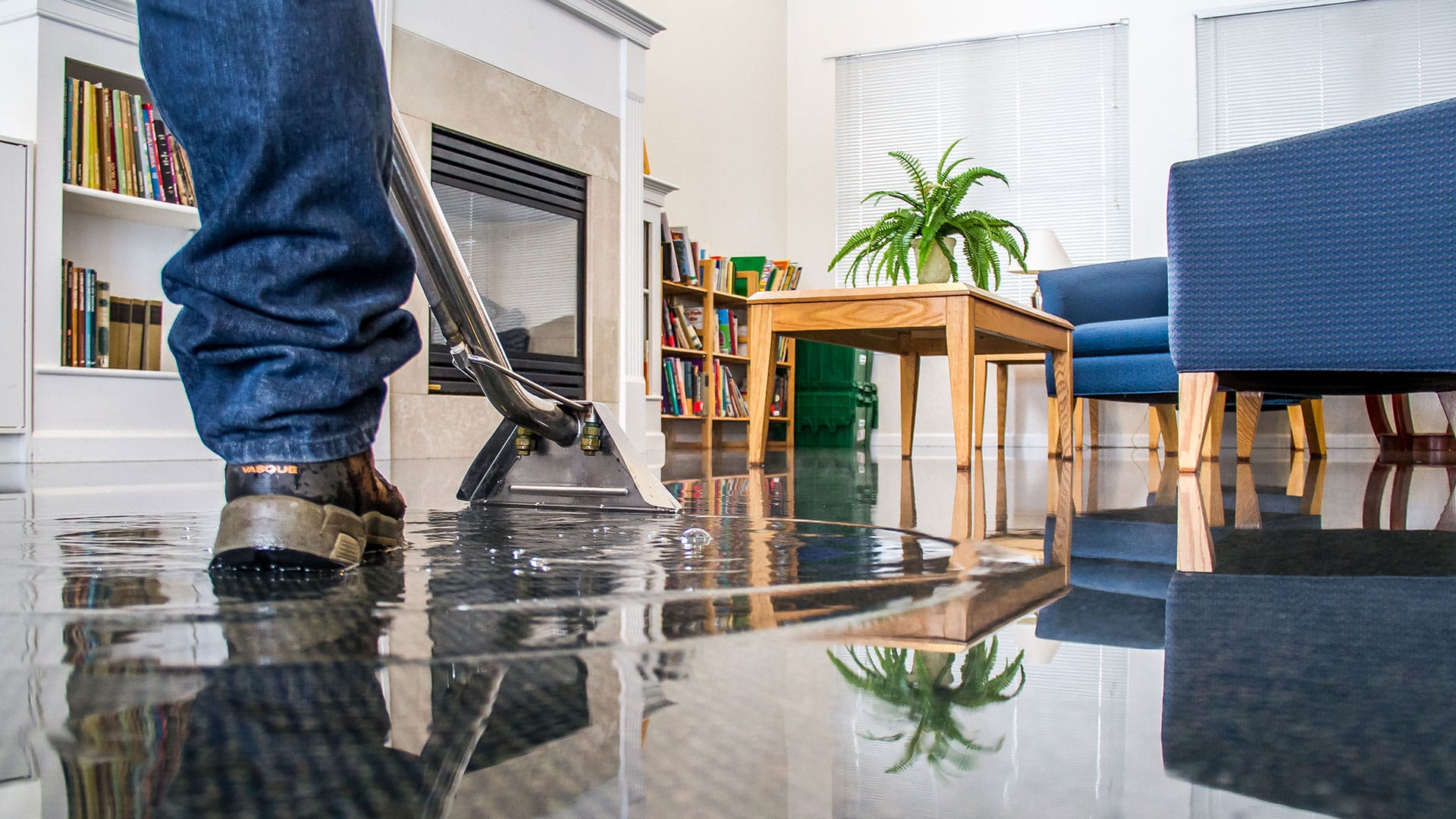
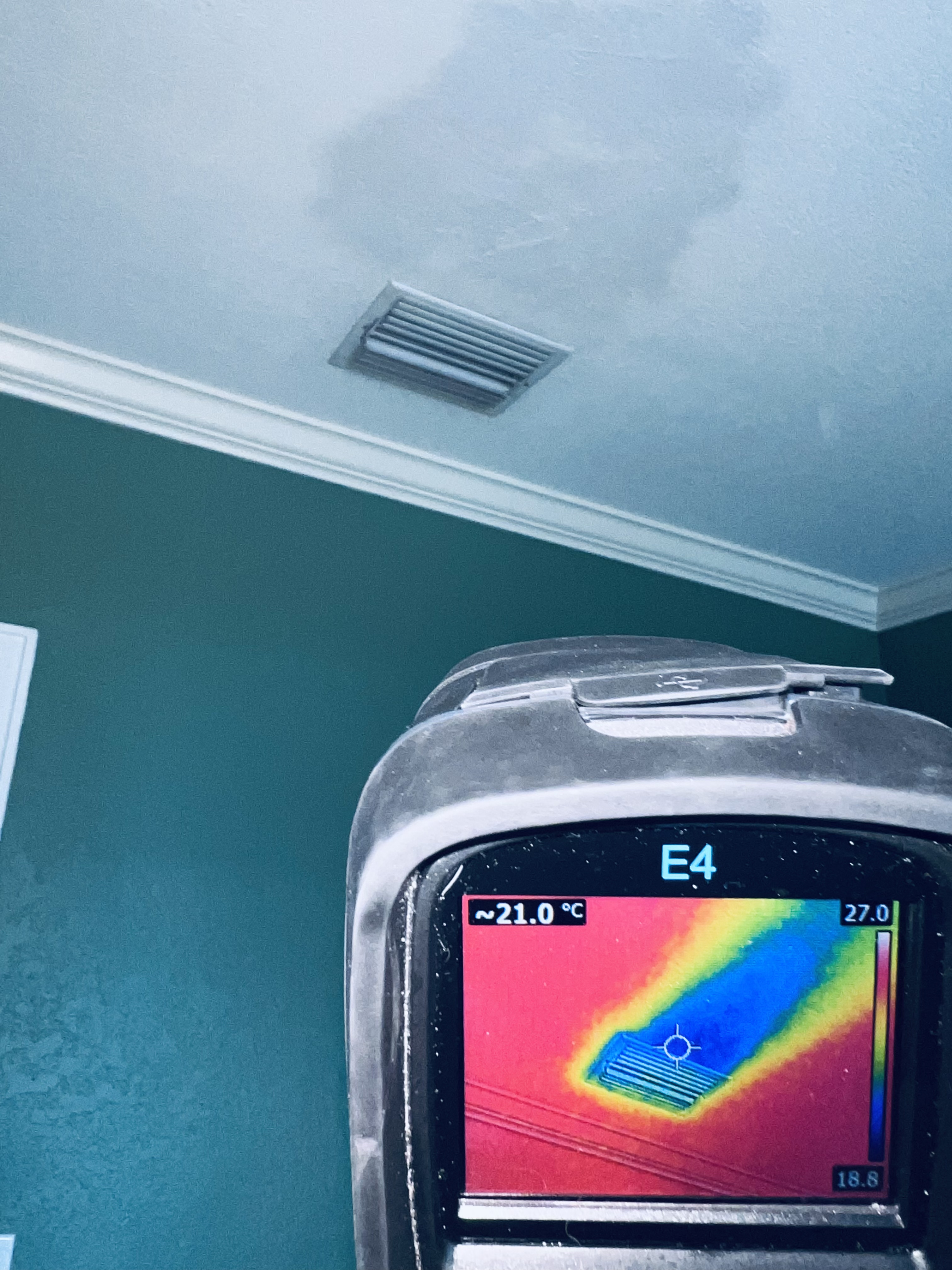
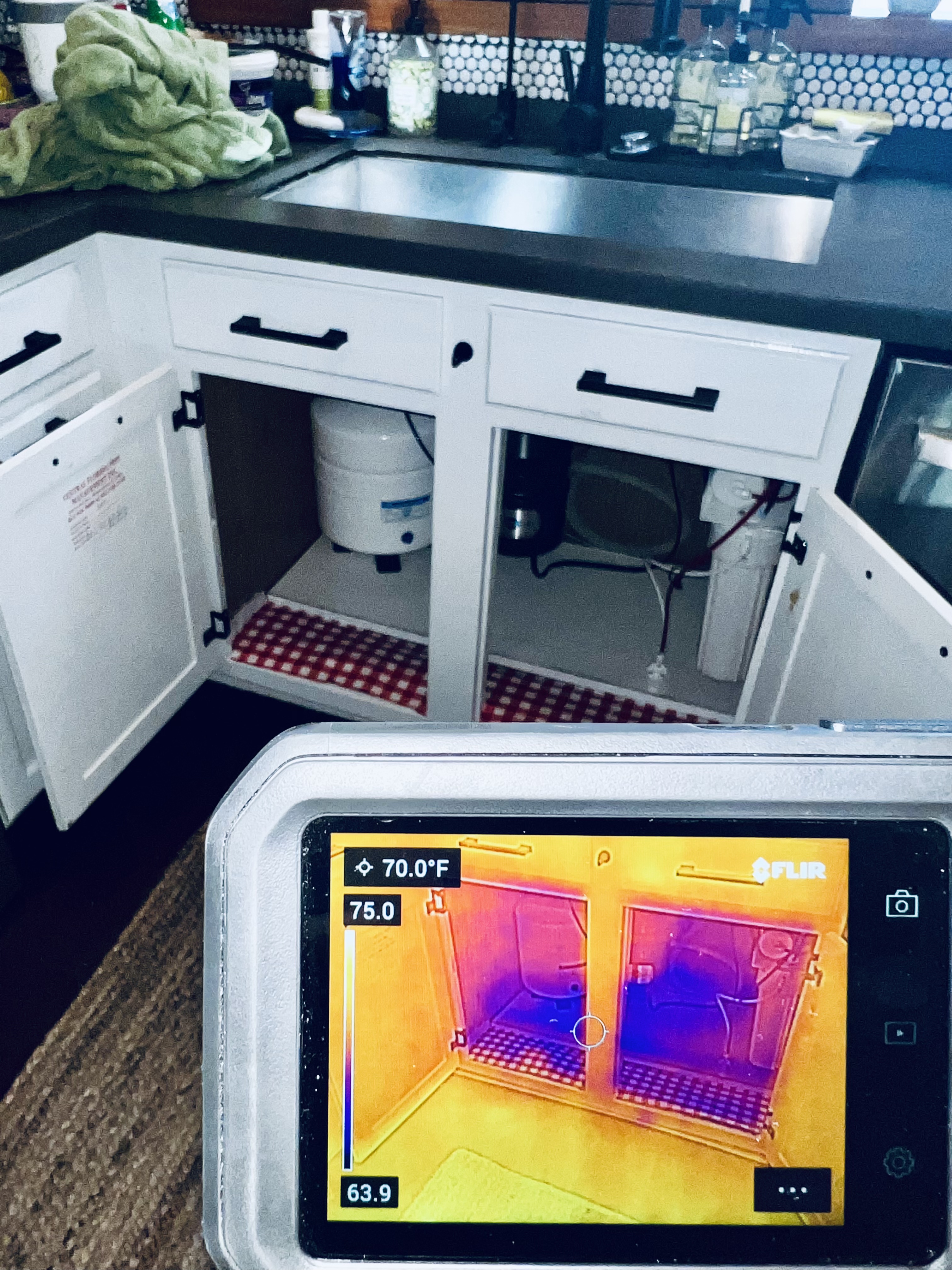
Protect people first, avoid water near electricity, stop the source only when it is safe, and photograph visible damage before cleanup changes the scene. Call Hugo for water extraction, moisture review, structural drying, affected-material decisions, and restoration documentation in the listed Central Florida service area.
+What are the benefits of professional roof tarping after fire or storm damage?
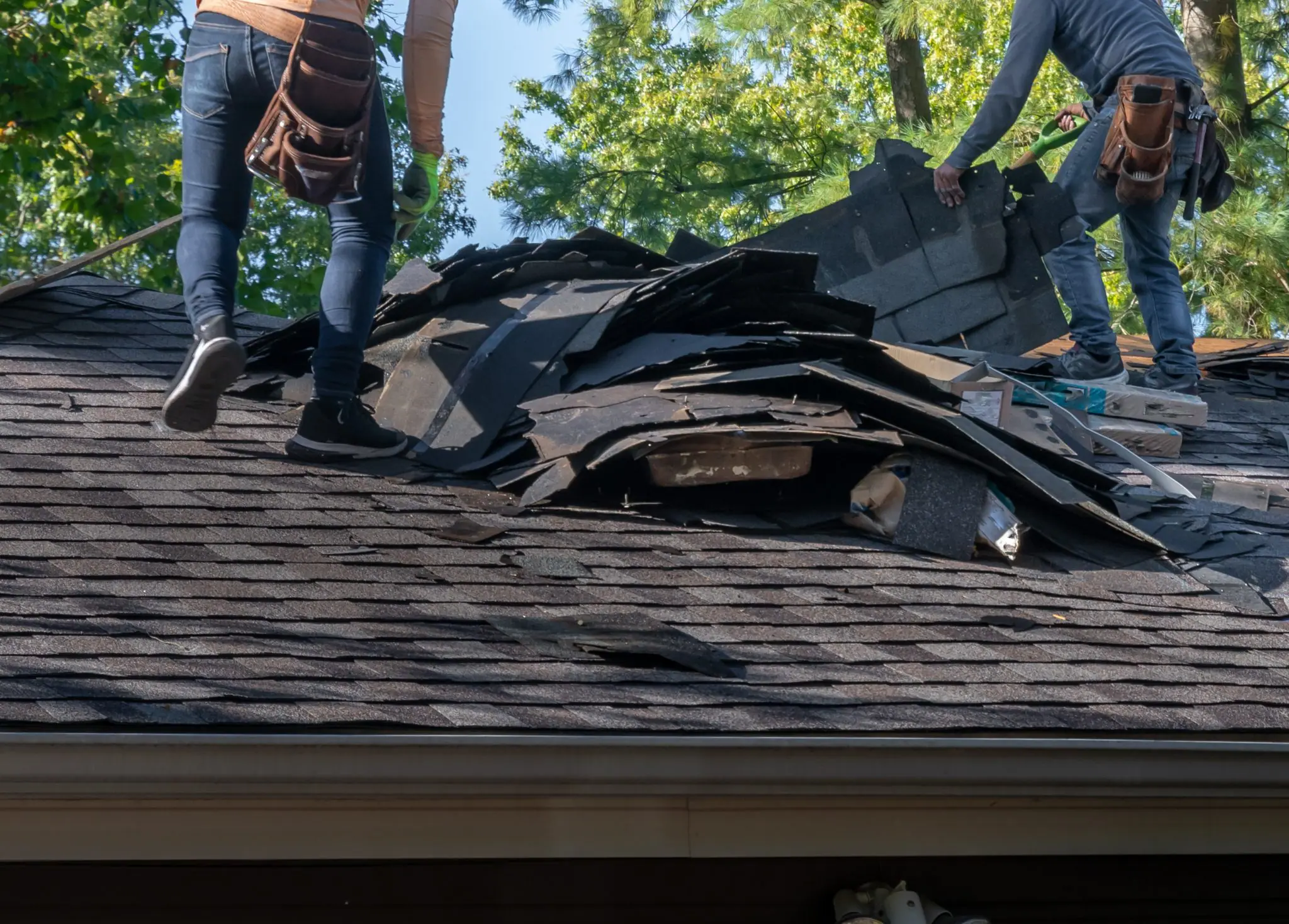
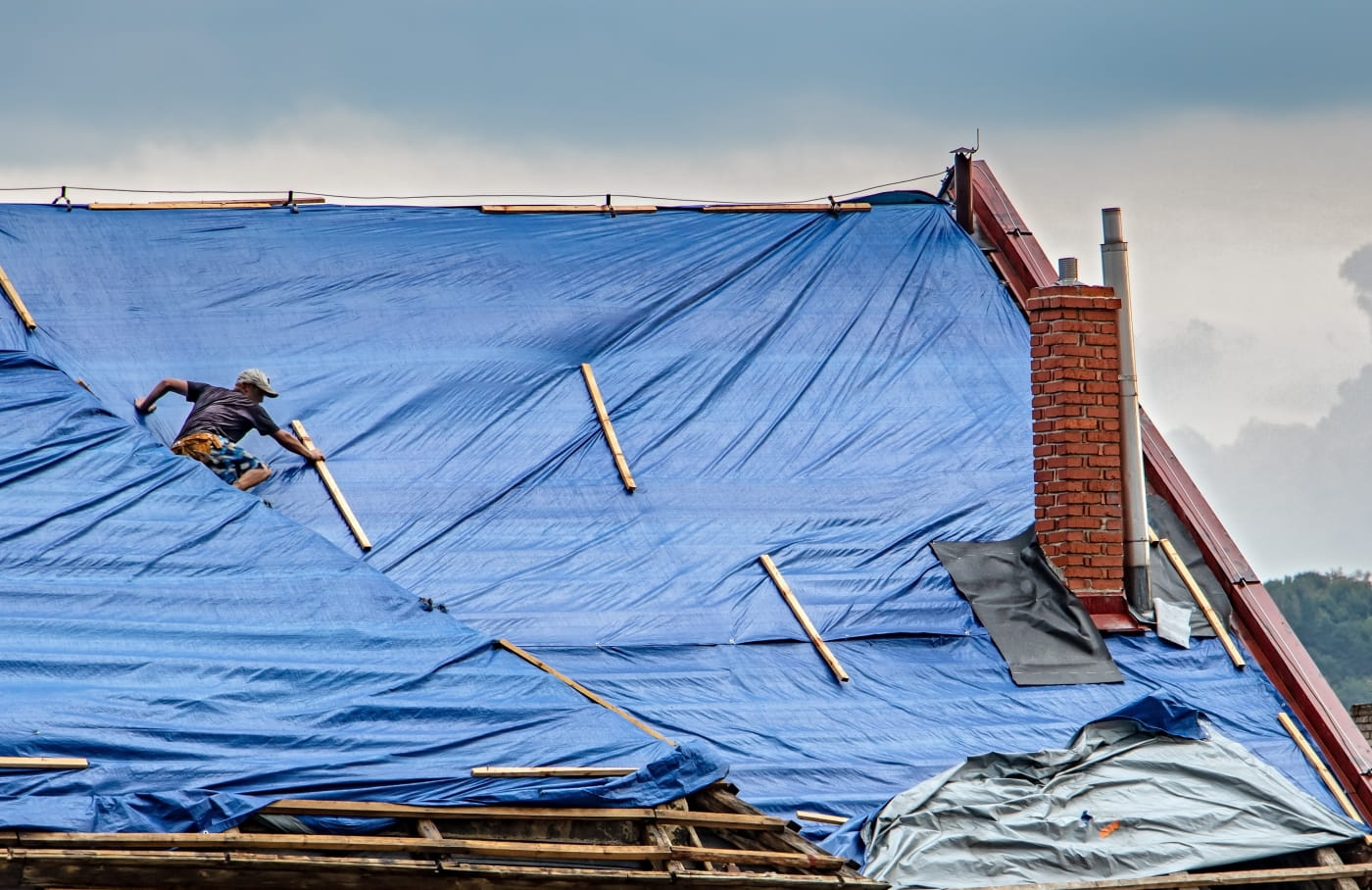
Emergency roof tarping can temporarily reduce additional rain entry through a safely accessible roof opening while the property owner arranges permanent repair. A restoration team can also document the opening, tarp placement, interior water intrusion, and related mitigation without representing the tarp as a structural repair or a guarantee against all weather.
+What signs indicate that fire damage restoration may be needed?
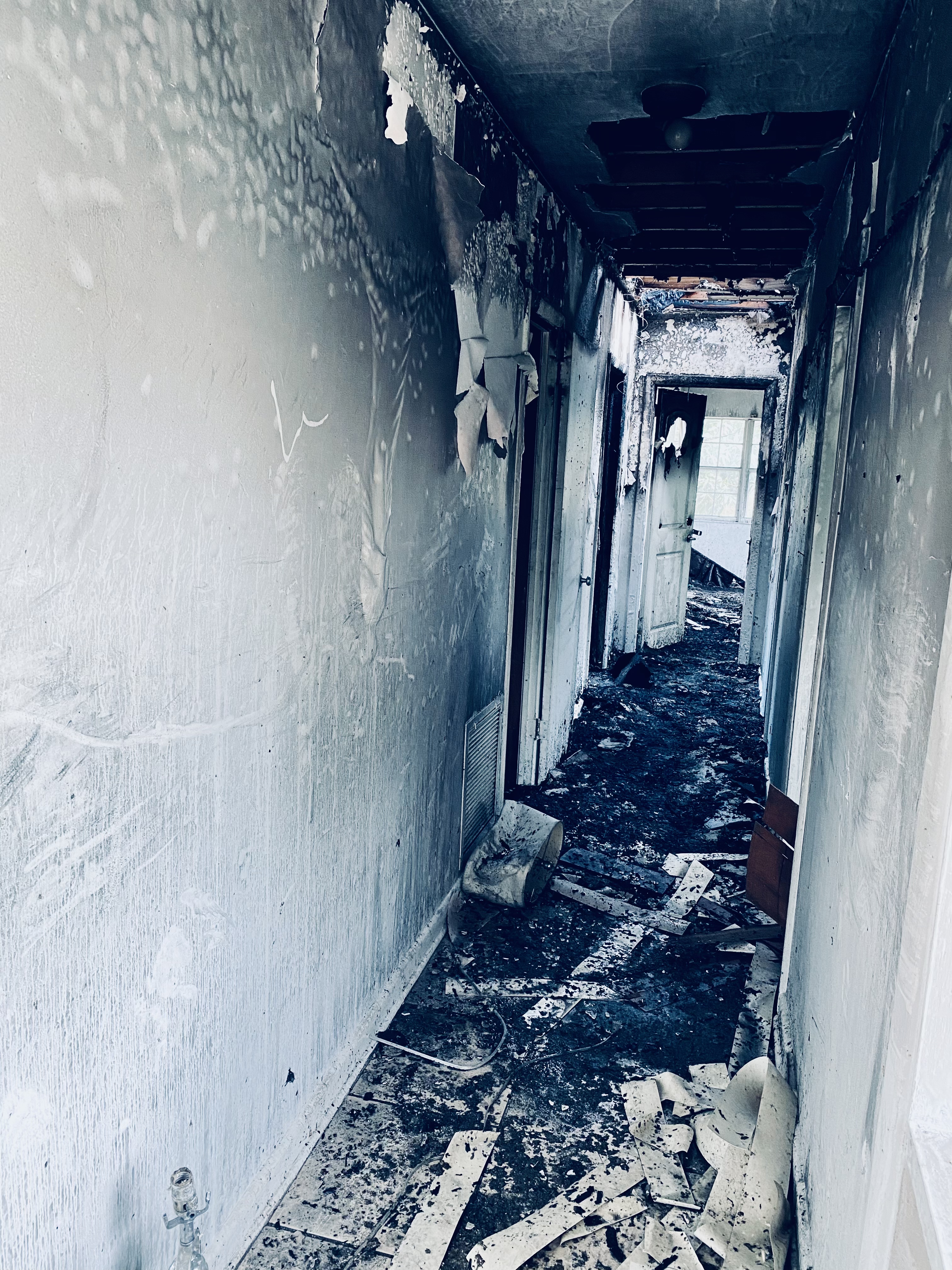
Call after emergency responders clear access when you see soot, smoke residue, persistent odor, firefighting water, damaged openings, wet materials, or affected contents. Do not re-enter an unsafe structure or disturb heavy soot; fire restoration may include board-up, water mitigation, smoke and soot cleanup, odor work, contents review, and documentation.
+Can a restoration contractor help with insurance documentation?
Yes. Hugo can organize photos, affected-area notes, mitigation records, drying logs, temporary-protection details, scopes, invoices, and communication records. The insurance carrier and policy determine coverage, claim approval, reimbursement, deductibles, and settlement decisions; Hugo does not guarantee claim outcomes.
+What should I do after hurricane or storm damage?
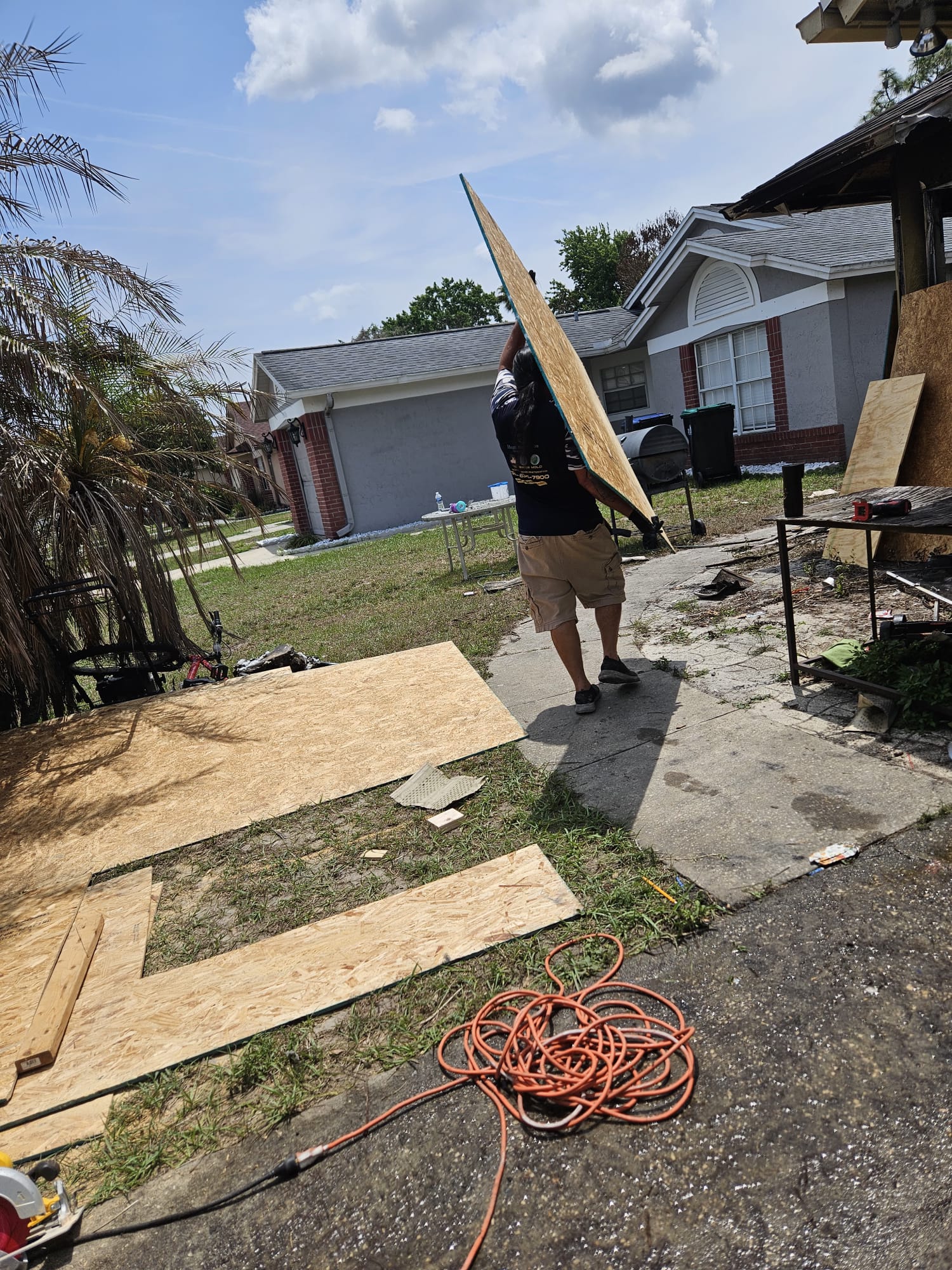
Follow emergency officials, stay away from downed lines and unstable structures, avoid floodwater and electrical hazards, and document visible damage from a safe position. Call Hugo for roof tarping, board-up, water mitigation, structural drying, cleanup, mold-prevention planning, and restoration documentation when conditions and access allow.
+When should I call for mold remediation after water damage?
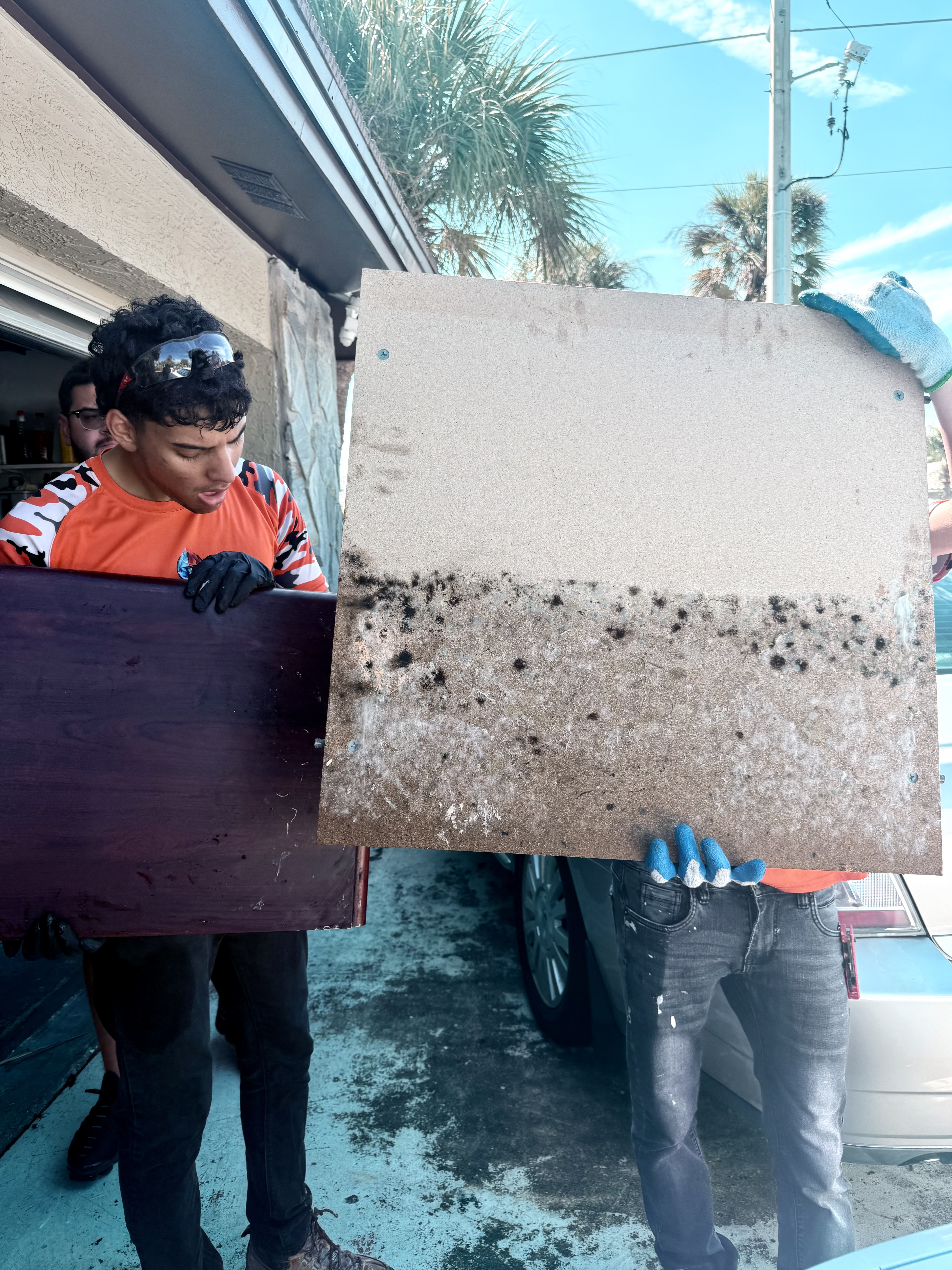
Call when visible growth, musty odor, damp materials, or a known leak remains after water damage. Avoid disturbing suspected mold or using fans that may spread debris. Moisture control comes first, and Florida projects may require assessment, remediation, or other licensed roles depending on the conditions and applicable rules.
+When should I call an emergency restoration company?
Call 911 first for active fire, medical danger, gas odor, collapse risk, or another immediate life-safety emergency. Call Hugo when property damage is active or worsening, including spreading water, smoke or soot, storm openings, unsafe exterior exposure, suspected mold tied to moisture, or a need for temporary protection and documentation.
+How do I compare emergency water damage restoration companies in Central Florida?
Compare whether each company can explain its emergency contact path, the first safety steps, the proposed mitigation scope, moisture and drying documentation, communication process, insurance-documentation support, and the services it actually provides in your location. Ask for a clear scope and next steps; a carrier and policy, not a restoration contractor, determine coverage and claim outcomes.
+How much does professional flood water extraction cost after a hurricane?
The cost depends on safe access, water source and category, affected materials, area size, standing water, moisture conditions, demolition or cleaning needs, equipment, and the scope required after inspection. Hugo can document conditions and explain the proposed mitigation work, but does not promise a price, insurance coverage, reimbursement, or claim outcome before the property is evaluated.
+How much does professional mold removal cost in Central Florida?
Mold-remediation cost varies with the moisture source, visible and concealed impact, materials involved, access, containment, cleaning, and any assessment or licensed roles the project requires. A property review can define the needed work; neither a contractor nor this website can determine insurance coverage, reimbursement, or a final project scope without that evaluation.
+How quickly can flood water be removed by a restoration company?
Water-removal timing depends on emergency conditions, safe access, the amount and source of water, electrical or structural hazards, the affected materials, and the equipment needed. Call as soon as it is safe: Hugo can discuss the situation, coordinate an appropriate next step, and begin documenting mitigation conditions when access allows; active life-safety emergencies belong with 911 first.
+What does 24/7 disaster restoration help include?
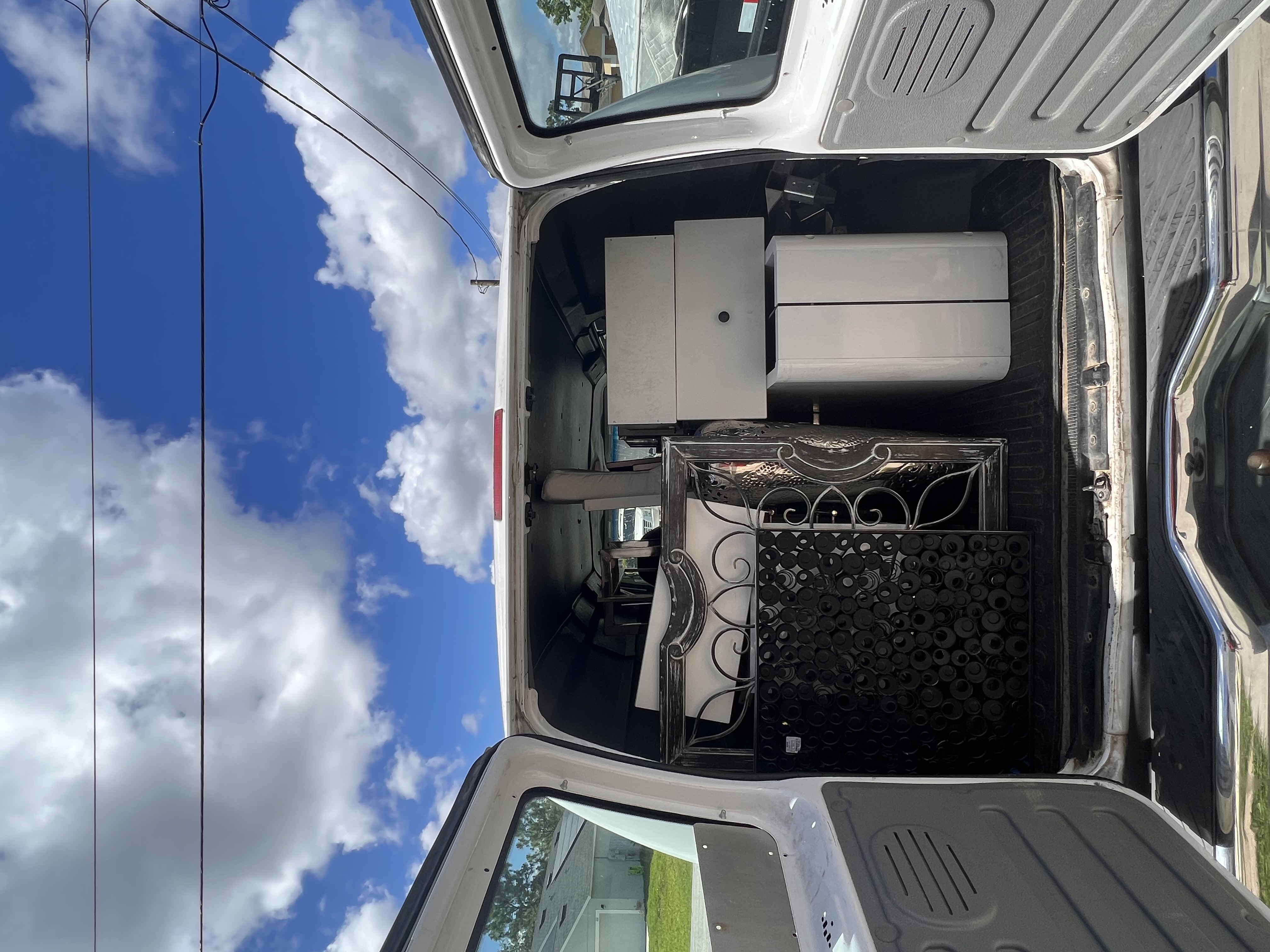
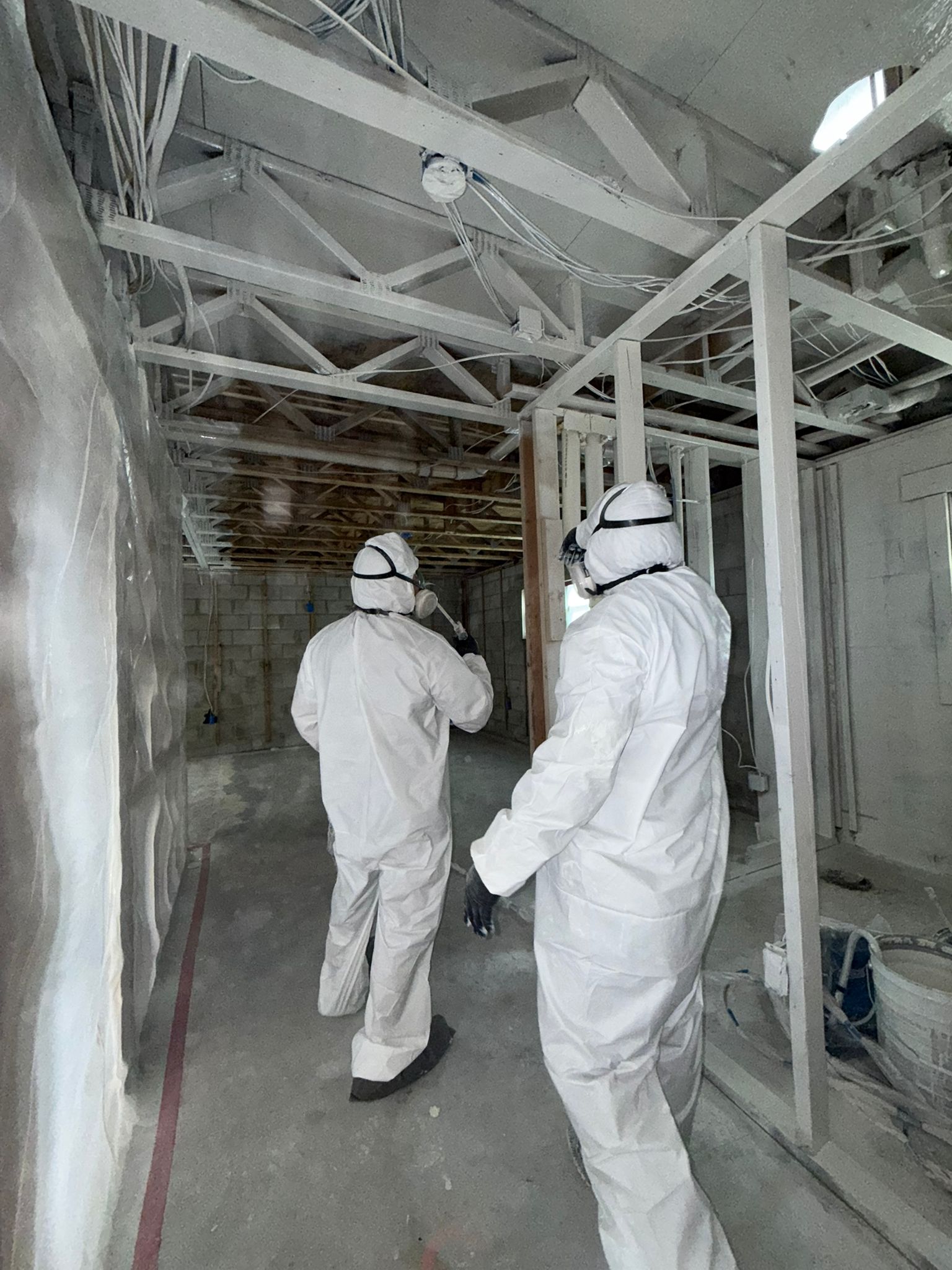
After immediate life-safety risks are addressed, emergency restoration help may include water extraction, structural drying, temporary board-up or roof tarping, fire and smoke cleanup, mold-related moisture control, contents review, decontamination or sanitization when appropriate, and documentation. The work depends on the actual conditions, safe access, and the services needed at the property.
+How do I remove smoke odor from a home after a fire?
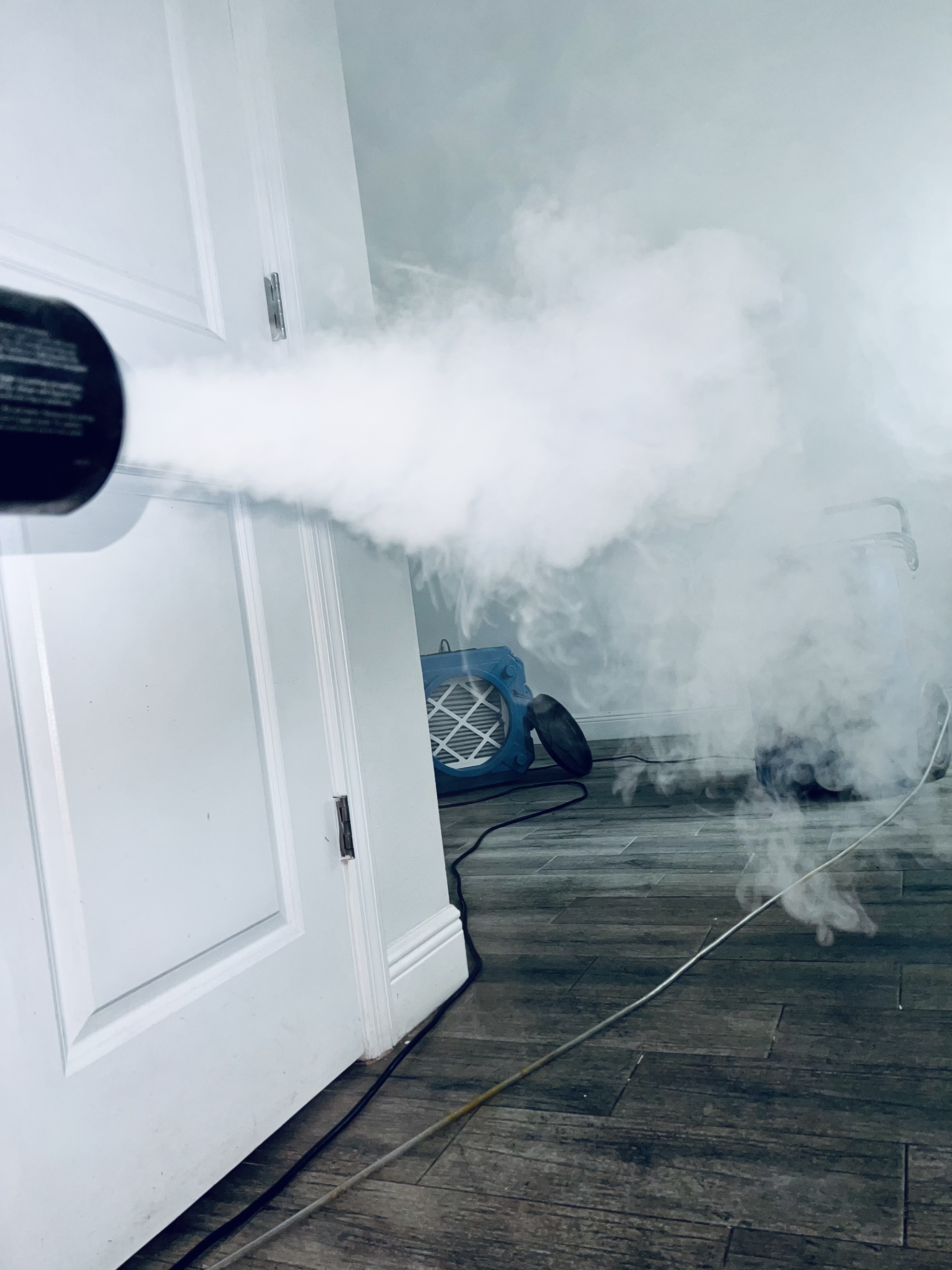
Start only after emergency responders clear the property for safe access. Smoke odor can remain in residue, porous contents, finishes, cavities, and air-handling pathways, so masking the smell alone does not address the source. A restoration plan may include source removal, material-specific cleaning, controlled air treatment, and follow-up evaluation; the appropriate method depends on the affected materials and conditions.
+Who offers 24/7 storm flood restoration in Central Florida?
Hugo Fire & Water Restoration provides 24/7 emergency help for active storm and flood property damage in its listed Central Florida service area. After immediate life-safety risks are addressed, support may include water extraction, structural drying, temporary board-up or roof tarping when appropriate, cleanup, and restoration documentation. Service timing and scope depend on safe access, conditions, weather, and the property needs.