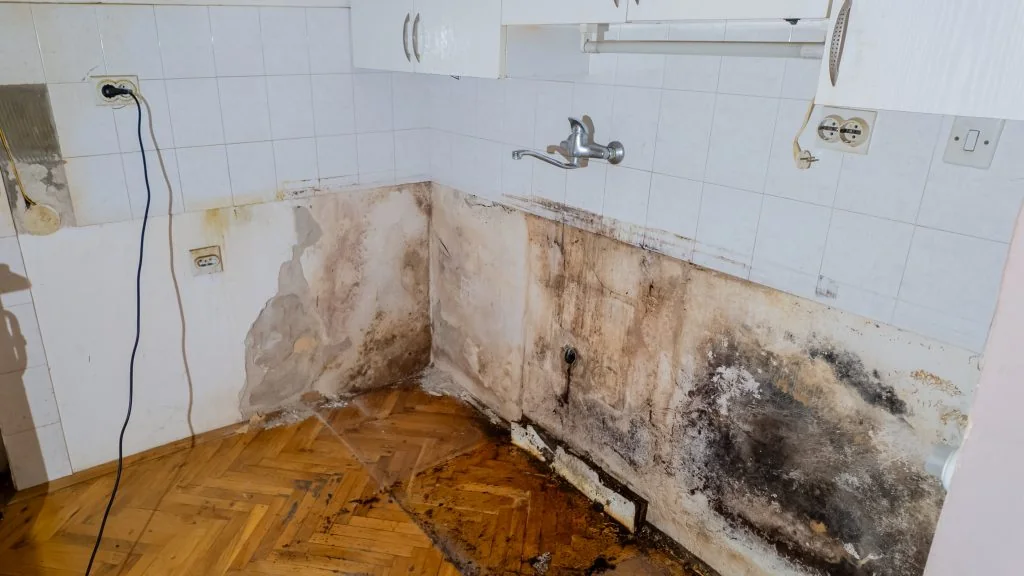
Immediate guidance
Mold risk increases when materials remain damp, but a universal clock cannot determine what is happening in a specific property. Control the moisture source, avoid disturbing suspected growth, keep people away from affected materials, and arrange a site-specific review when visible growth, odor, or persistent dampness is present.
What to do next
- 1
Correct active moisture safely
Address the leak or water source only when it can be reached without electrical, structural, or contamination hazards.
- 2
Do not disturb suspected growth
Scrubbing, cutting, or directing fans at affected material can spread dust and spores beyond the original area.
- 3
Separate the area
Limit unnecessary traffic and keep occupants and belongings away from visibly affected materials until a containment plan is considered.
- 4
Document moisture history
Record prior leaks, dates, odors, visible changes, wet materials, and any drying already performed.
What determines the remediation plan
The plan depends on the moisture source, affected materials, extent of visible or suspected growth, access, and whether independent assessment or clearance is required.
- Moisture-source review
- Containment and filtration
- Controlled affected-material removal
- Cleaning and moisture correction
- Independent assessment or clearance coordination when required
Health and occupancy questions
A restoration article cannot determine whether a condition is medically safe for a particular person. Direct health questions to a qualified healthcare professional and property-entry questions to the appropriate local authority or qualified on-site professional.
Official Sources and Further Reading
Use the linked agency page for the source's current public guidance. A source link does not replace property-specific professional judgment.
- EPA. A Brief Guide to Mold, Moisture and Your Home (opens in a new tab)
Homeowner guidance on moisture control, mold cleanup, and prevention.
- CDC. Guide to Mold Cleanup After Disasters (opens in a new tab)
Public-health guidance on safe mold cleanup after flood or storm damage.
- CDC. 8 Tips to Clean Up Mold (opens in a new tab)
Practical safety tips for protection, drying, cleanup, and not covering mold.
Related restoration guides
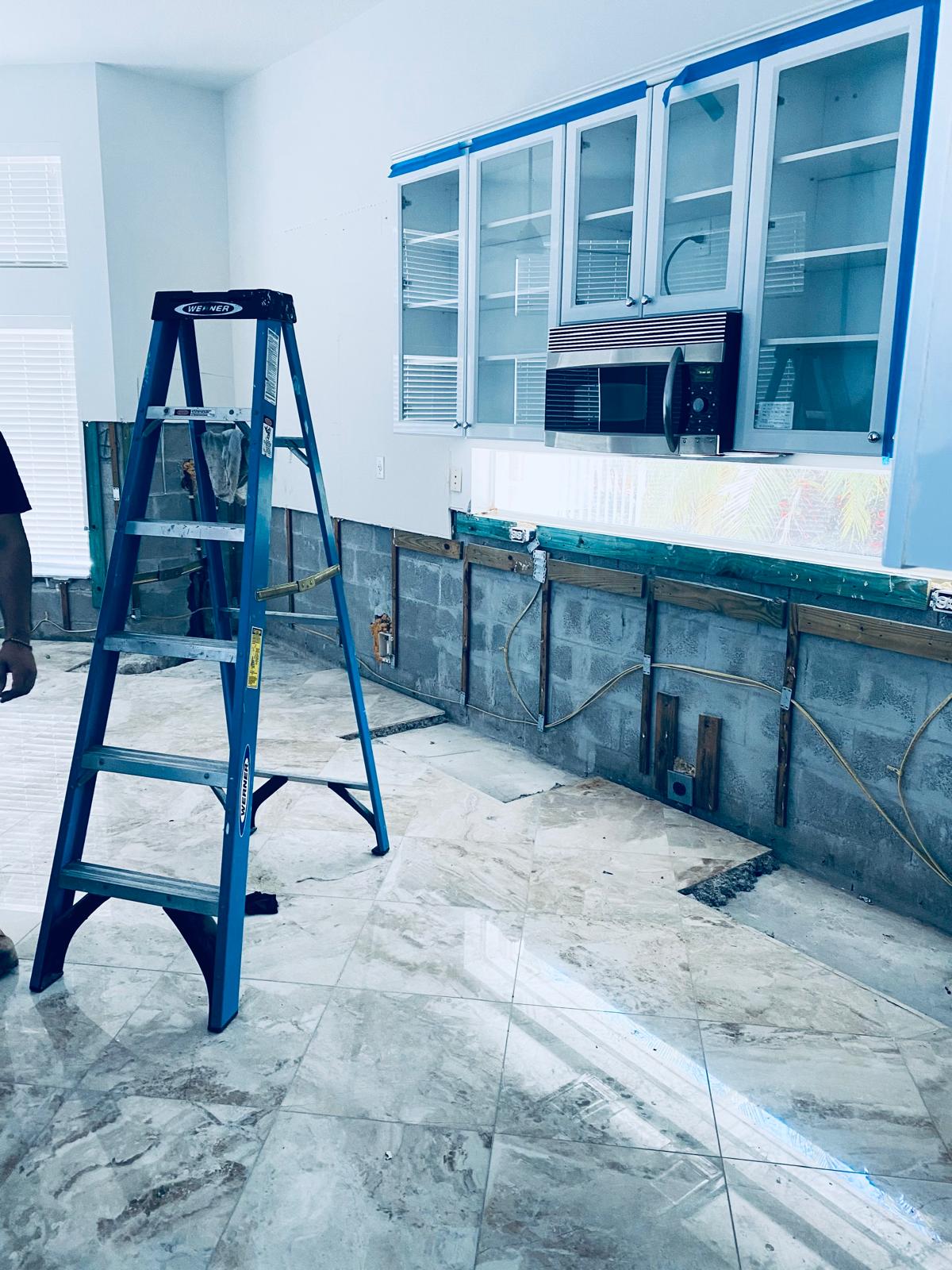 Water Damage
What To Do Immediately After Water Damage
A fast Central Florida checklist for homeowners dealing with a leak, flood, or water intrusion.
Published by Hugo Fire & Water Restoration
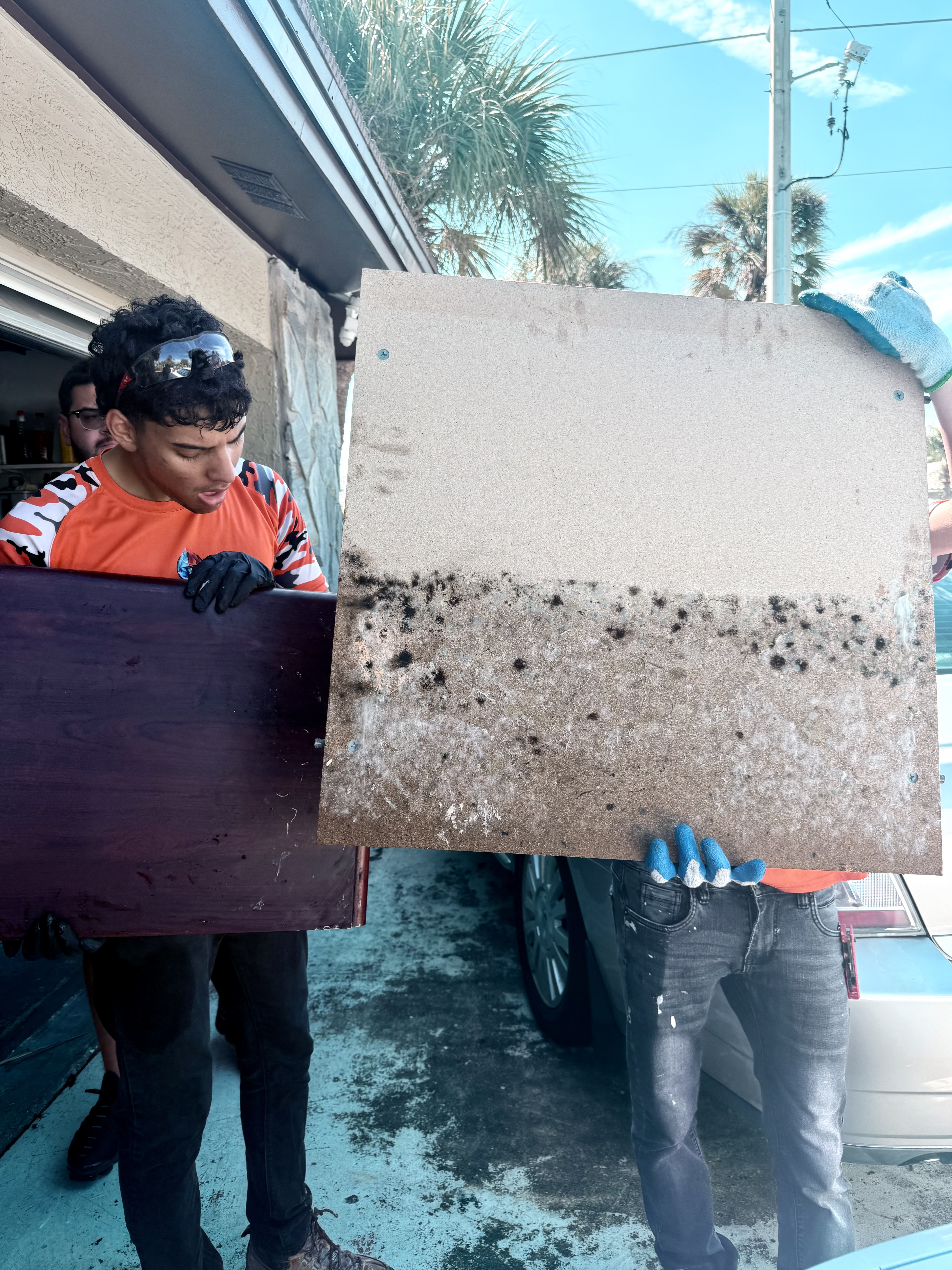 Mold Remediation
Mold Remediation Cost and Insurance Questions
Why mold remediation pricing depends on moisture source, containment, affected materials, and documentation.
Published by Hugo Fire & Water Restoration
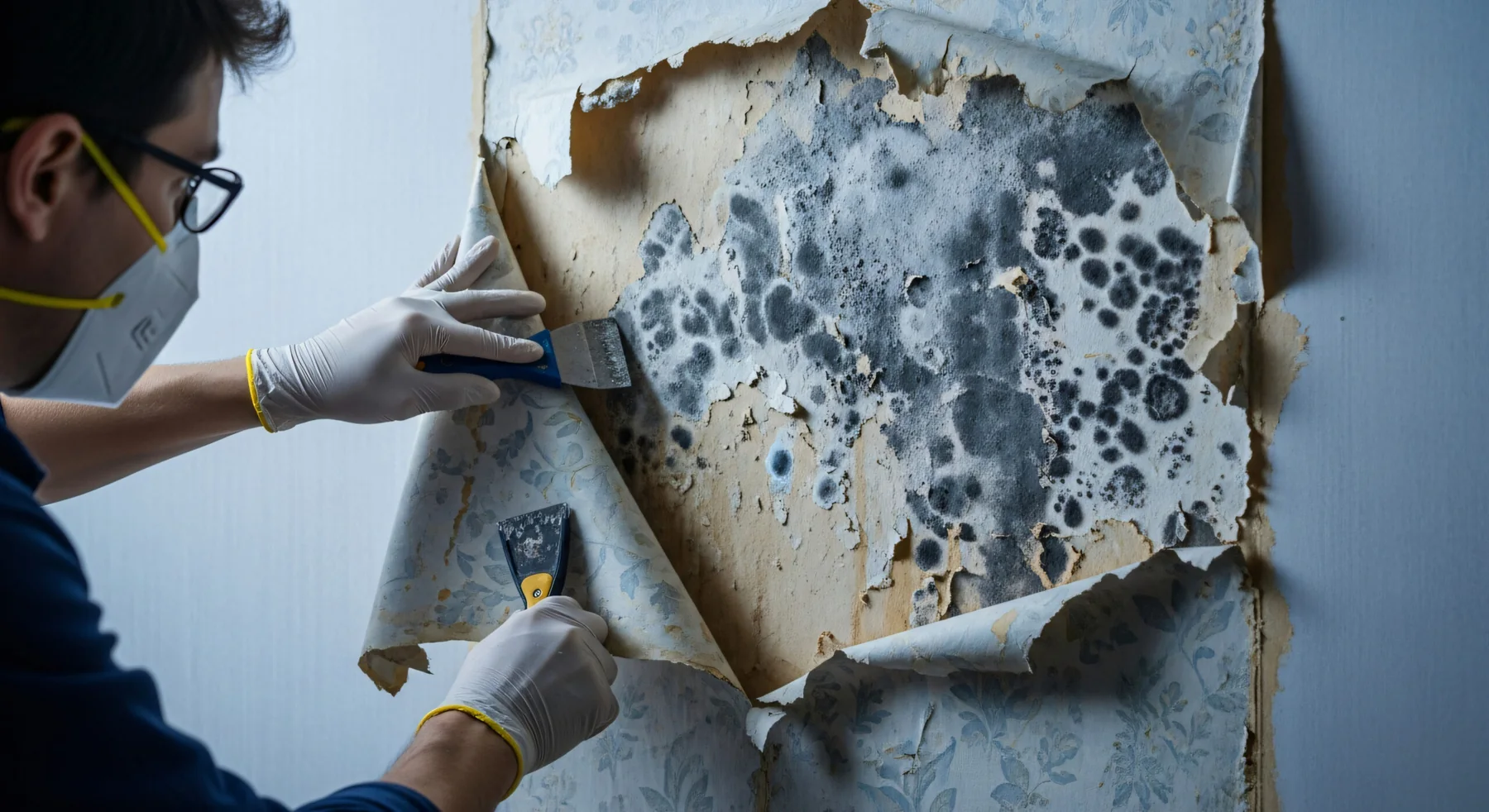 Central Florida Restoration
Mold Remediation in Osceola County: Warning Signs and Next Steps
How to recognize mold concerns, avoid spreading spores, and plan next steps in Osceola County homes.
Published by Hugo Fire & Water Restoration
Osceola County, FL · St. Cloud, FL