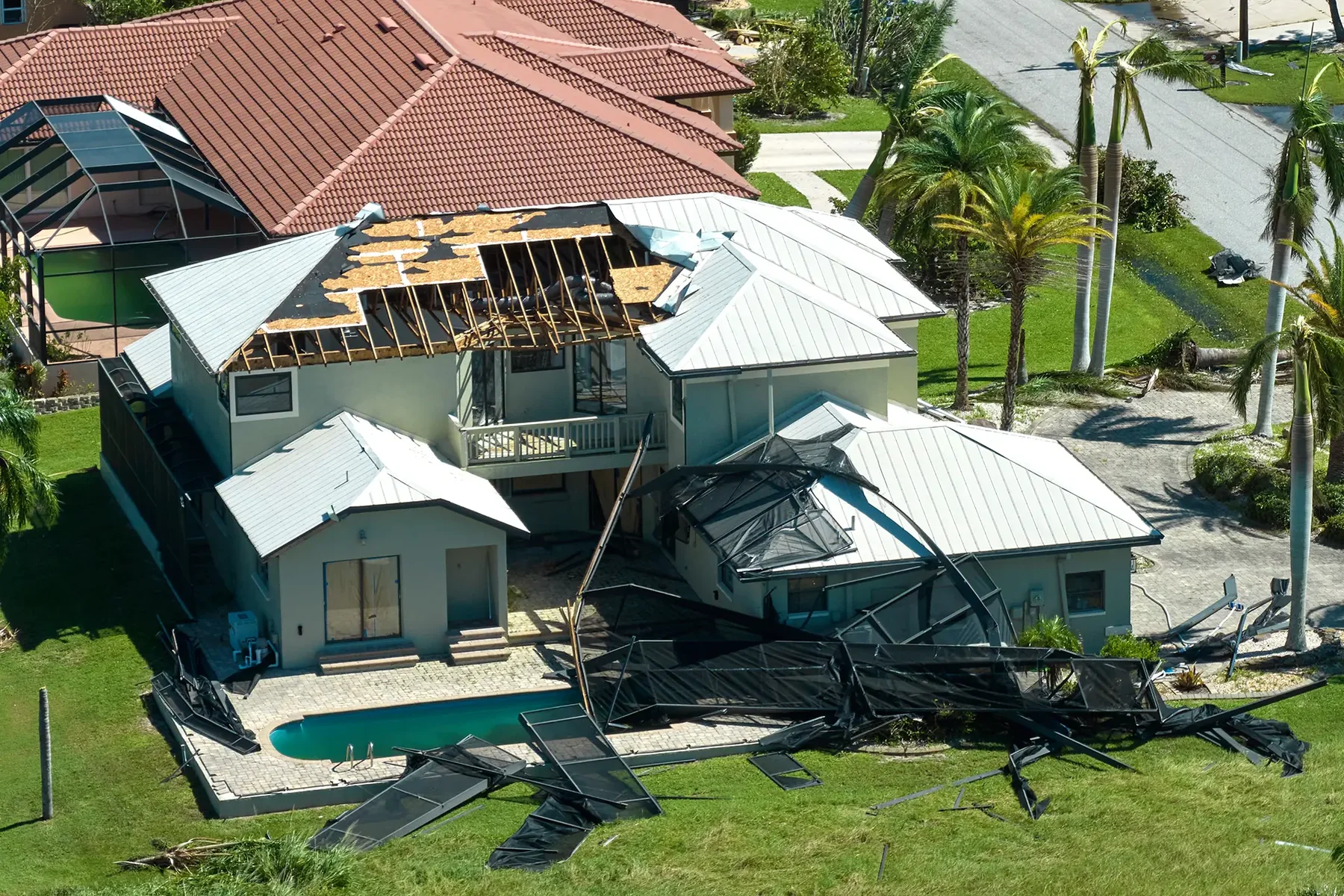
Immediate guidance
Follow local emergency-management instructions before property work. After officials permit access, stay clear of downed lines, floodwater, unstable roofs, and damaged ceilings. Photograph visible conditions safely, then arrange temporary protection and water mitigation for active openings or intrusion.
What to do next
- 1
Use official alerts and local instructions
Base evacuation, return, and immediate safety decisions on government emergency information, not a restoration website.
- 2
Survey only from safe positions
Look for downed lines, broken openings, roof changes, standing water, and ceiling movement before approaching the building.
- 3
Prioritize active exposure
Roof openings, broken windows, and incoming water may require tarping, board-up, extraction, or drying.
- 4
Create a dated damage record
Capture wide and close photographs, affected rooms, temporary protection, mitigation work, and carrier communications.
Before the storm
Save emergency contacts, understand local evacuation information, protect important records, and document the property before conditions deteriorate. Florida Division of Emergency Management and the National Weather Service provide official preparedness guidance.
After the storm
Temporary protection should be matched to the damage. Board-up addresses broken openings, tarping addresses certain roof exposure, and interior water mitigation addresses moisture already inside.
Official Sources and Further Reading
Use the linked agency page for the source's current public guidance. A source link does not replace property-specific professional judgment.
- Florida Division of Emergency Management. Plan and Prepare (opens in a new tab)
Florida hurricane, flood, family plan, and emergency-preparedness resources.
- National Weather Service. Hurricane Preparedness (opens in a new tab)
Hurricane planning, forecast, warning, and post-storm safety guidance.
- National Weather Service. Flood Safety (opens in a new tab)
Flood watches, warnings, and safety guidance before, during, and after flooding.
Related restoration guides
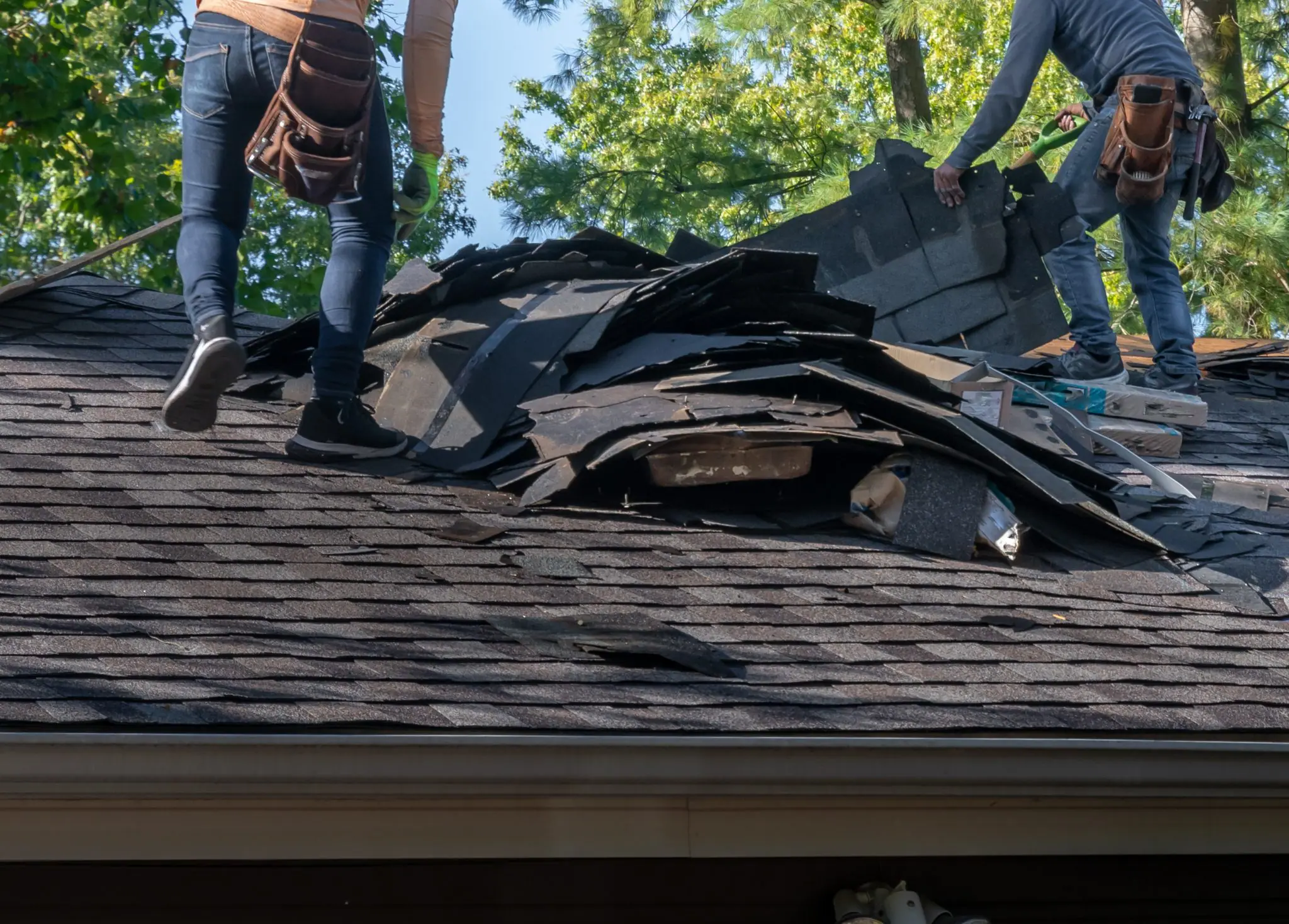 Roof Leak Restoration
What To Do If Your Roof Leaks After a Storm
Temporary protection, water mitigation, and documentation steps after storm damage.
Published by Hugo Fire & Water Restoration
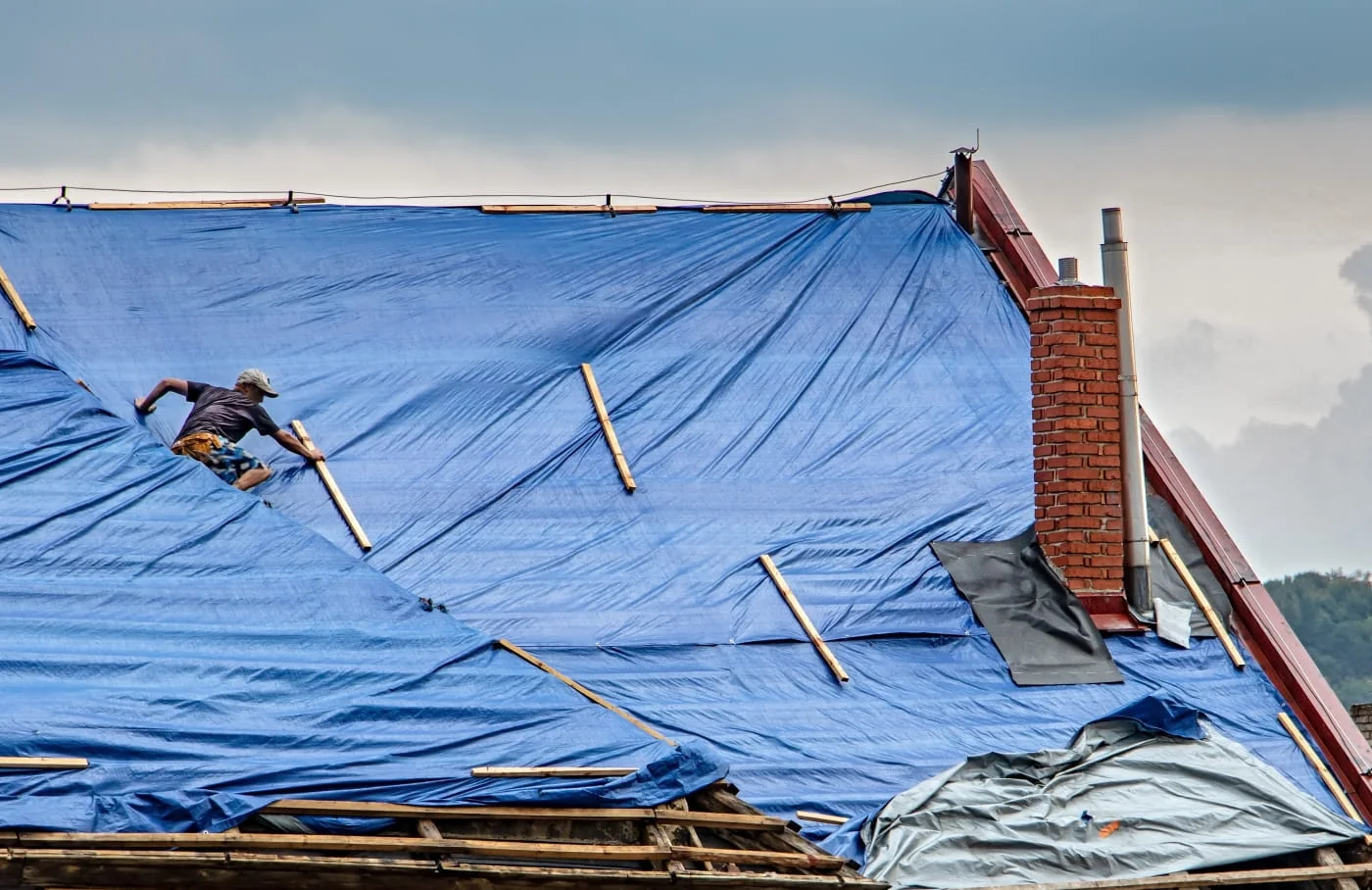 Roof Leak Restoration
When Roof Tarping Helps After a Storm
How temporary roof protection can reduce new water intrusion while cleanup, drying, and documentation are organized.
Published by Hugo Fire & Water Restoration
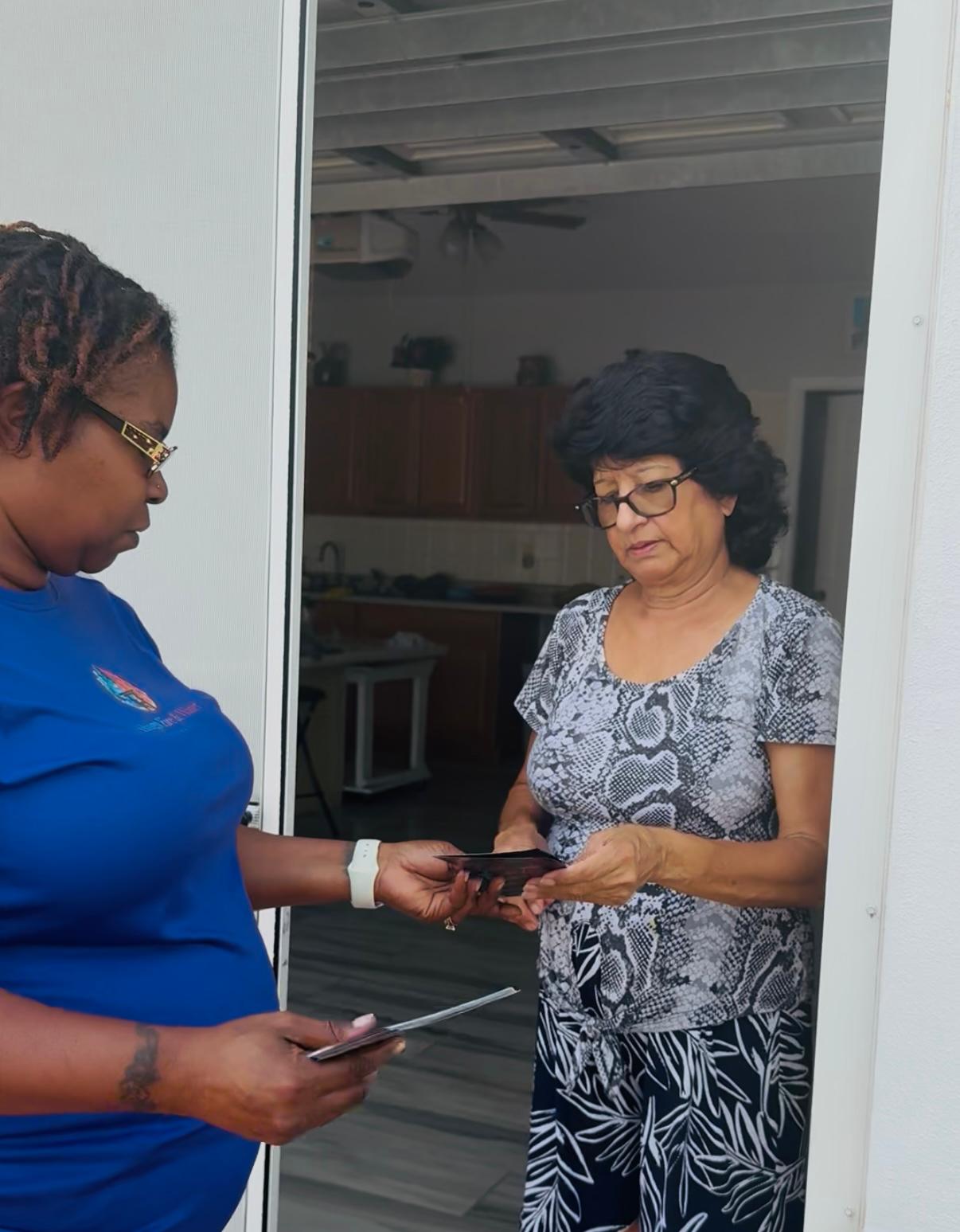 Insurance Claims
What Documentation Helps a Restoration Insurance Claim?
Photos, moisture readings, scope notes, and communication records can help clarify the loss.
Published by Hugo Fire & Water Restoration