Emergency Board-Up in St. Cloud and Central Florida
Hugo Fire & Water Restoration provides temporary emergency board-up for broken windows, damaged doors, fire openings, storm damage, vehicle impacts, exposed storefronts, and other unsecured property openings throughout Central Florida.
Board-up can help reduce weather exposure, unauthorized access, animal entry, debris intrusion, and additional property damage while permanent repairs are arranged.
For active fire, structural collapse, downed power lines, electrical danger, gas odor, medical emergencies, or unsafe access, call 911 or the appropriate emergency authority first.
Stay away from unstable walls, broken glass, exposed electrical systems, smoke-damaged areas, and active fire conditions. Once immediate hazards are controlled, contact a restoration company to secure exposed windows, doors, walls, garage openings, or storefronts.
Do
Follow fire department, police, utility, and local-authority instructions.
Keep children, occupants, visitors, and pets away from the damaged area.
Photograph visible conditions only from a safe location.
Note which windows, doors, walls, storefronts, or garage openings are exposed.
Save property, ownership, management, and available insurance information.
Call Hugo through the public 24/7 emergency line.
Stay reachable for safe-access and dispatch-coordination questions.
Do not
×Do not enter a structurally unstable, smoke-filled, fire-damaged, or restricted area.
×Do not handle broken glass or sharp materials without appropriate protection.
×Do not touch damaged, exposed, wet, or energized electrical components.
×Do not attempt panel installation during unsafe weather or site conditions.
×Do not move fire-damaged or potentially contaminated materials unnecessarily.
×Do not assume plywood permanently repairs or certifies the structure.
×Do not treat board-up as structural, electrical, roofing, glass, or construction evaluation.
For active fire, structural collapse, electrical danger, gas odor, downed power lines, or medical emergencies, call 911 or the appropriate emergency authority first.
24/7 Emergency Requests
The public emergency line accepts board-up requests at any hour.
Verified 15-Minute Dispatch Process
Coordination can begin after intake; a specific arrival time is not guaranteed.
Licensed and Insured
Hugo performs restoration work within the authorized service scope.
IICRC-Certified Technicians
The credential is stated at the technician level.
Temporary Property Protection
Board-up covers exposed openings while permanent work is arranged.
English and Spanish Support
Emergency phone support is available in English and Spanish.
The 15-minute timeframe refers to beginning dispatch coordination after intake and does not guarantee a specific arrival time.
24/7 EMERGENCY REQUESTS
Request Board-Up Help
Provide your contact information, service address, type of opening, current weather or security exposure, access details, and any fire, storm, water, broken-glass, or electrical concerns. Hugo’s intake team will review the request and begin dispatch coordination.
24/7 Emergency Phone Support
English and Spanish support
Verified 15-minute dispatch process
The 15-minute timeframe starts dispatch coordination after intake and is not an arrival guarantee. Weather, roads, restricted access, site hazards, authorization, demand, location, and crew availability can affect response.
Emergency board-up is temporary property protection used to cover and secure damaged openings until permanent repair, replacement, or reconstruction can be completed by the appropriate qualified professional.
What board-up may help do
Cover broken or missing windows when safe attachment is possible.
Provide temporary protection for damaged exterior-door openings.
Cover applicable storefront, garage, wall, and fire-access openings.
Help reduce additional rain, wind, debris, and animal exposure.
Help reduce unauthorized entry through the protected opening.
Help protect interior contents from continued exterior exposure.
Record opening conditions, materials installed, and completed temporary work.
What board-up does not do
×Permanently repair a window, door, wall, garage door, or storefront system.
×Confirm structural, electrical, fire, roof, glass, or occupancy safety.
×Repair roofing or replace permanent building components.
×Remove water already inside or dry wet building materials.
×Eliminate smoke, soot, mold, odor, residue, or contamination.
×Guarantee complete weatherproofing or security against every intrusion.
×Guarantee insurance coverage, payment, reimbursement, or claim approval.
Emergency board-up is temporary stabilization—not permanent repair.
WHEN TO CALL
When Emergency Board-Up May Be Needed
Temporary protection may be appropriate when a safely accessible opening leaves the property exposed. This review is not a structural-safety determination.
Broken Windows
Broken or missing glass may expose rooms to weather, debris, animals, sharp materials, and unauthorized access.
Damaged Exterior Doors
Impact, fire, break-in, or storm damage may prevent an exterior door from securing the property.
Fire-Damaged Openings
Fire damage or emergency-response access may leave windows, doors, walls, or other openings exposed.
Storm Damage
Wind, debris, falling limbs, or impact may damage windows, doors, garage openings, and exterior surfaces.
Storefront Damage
Commercial glass, entry systems, and display openings may need temporary protection after access is authorized.
Vehicle Impact
A vehicle impact may leave a garage, wall, exterior door, or storefront opening exposed.
Vandalism or Break-In
Board-up may help secure a damaged access point after law-enforcement needs and safe access are addressed.
Exterior Wall Openings
A temporary covering may be appropriate when cladding, wall materials, doors, or other large openings are damaged.
CHOOSING TEMPORARY PROTECTION
Emergency Board-Up vs. Emergency Roof Tarping
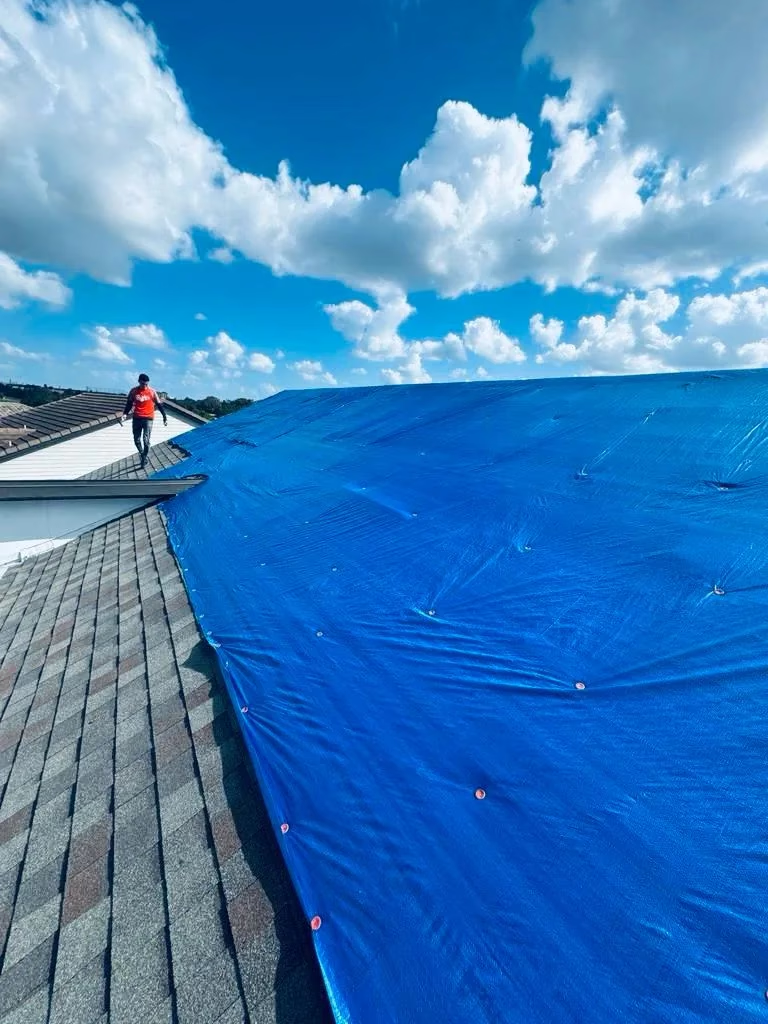
Board-up typically addresses vertical or accessible openings. Roof tarping covers some roof exposure when safe installation is possible.
The response moves from intake and dispatch coordination to safe access, temporary protection, documentation, and next steps.
1
Emergency Request
Share the service address, contact information, property type, opening type, hazards, current weather or security exposure, safe access, and whether emergency services remain on site.
2
Dispatch Coordination
Hugo begins coordination based on urgency, location, safety, access, weather, available information, authorization, and crew availability. The verified 15-minute process starts coordination and is not an arrival guarantee.
3
Safety and Opening Review
When access is permitted, the crew reviews visible openings, broken materials, exposure, access limitations, surrounding hazards, and temporary-protection needs. This is not a structural inspection.
4
Temporary Protection Plan
The team selects an appropriate temporary method based on the opening, surrounding materials, weather, security concerns, safe attachment options, and the authorized scope.
5
Board Installation
Temporary panels or other approved materials are installed where conditions permit to help cover and secure the exposed area without promising complete weatherproofing or security.
6
Documentation and Next Steps
Hugo records photographs, affected openings, temporary work, related visible damage, access notes, and appropriate next restoration steps within the company’s scope.
BEFORE YOU CALL
Information to Have Ready
Do not delay the call. Share what you know from a safe location and add details as they become available.
Do not enter unsafe areas or approach broken glass, exposed wiring, unstable walls, or active fire conditions to collect information.
Property address, city, and best callback number
Property type and your relationship to the property
Whether anyone is currently on site
Type and approximate size of the exposed opening
Whether windows, doors, walls, storefronts, or garage openings are affected
Whether rain, wind, debris, animals, or unauthorized access are current concerns
Whether broken glass or other sharp materials are present
Whether fire, smoke, water, structural, or electrical concerns are visible
Whether fire, police, utility, or building personnel remain on site
Gate, tenant, manager, parking, or other safe-access instructions
Ground-level photographs when they can be taken safely
Insurance claim number or authorized representative, if already available
WHAT HAPPENS NEXT
What Happens After the Property Is Secured?
Board-up is often the first temporary step in a broader restoration project. Fire, storm, water, roof, contents, and documentation needs may still require separate services.
Fire Damage Restoration
Smoke, soot, odor, firefighting water, debris, and affected materials may need separate restoration after the opening is protected.
Hugo Fire & Water Restoration can organize photographs, opening details, temporary-protection records, related fire, storm, or water observations, materials installed, and work-completion notes for the property owner’s claim file.
Initial Conditions
Safe, authorized photographs can record exposed openings, broken doors or windows, weather exposure, and related visible damage.
Temporary Work
The record can list temporary materials installed, protected openings, access conditions, authorizations, and completion photographs.
Related Observations
Visible fire, storm, water, or contents conditions can be documented without making structural, electrical, or coverage determinations.
Handoff Details
Communication notes and next-step recommendations can distinguish board-up from mitigation, cleanup, tarping, and permanent trade work.
Insurance coverage, payment, and claim decisions are determined by the applicable insurance carrier and policy. Hugo Fire & Water Restoration provides restoration documentation and claims assistance but cannot guarantee coverage, claim approval, payment, or reimbursement.
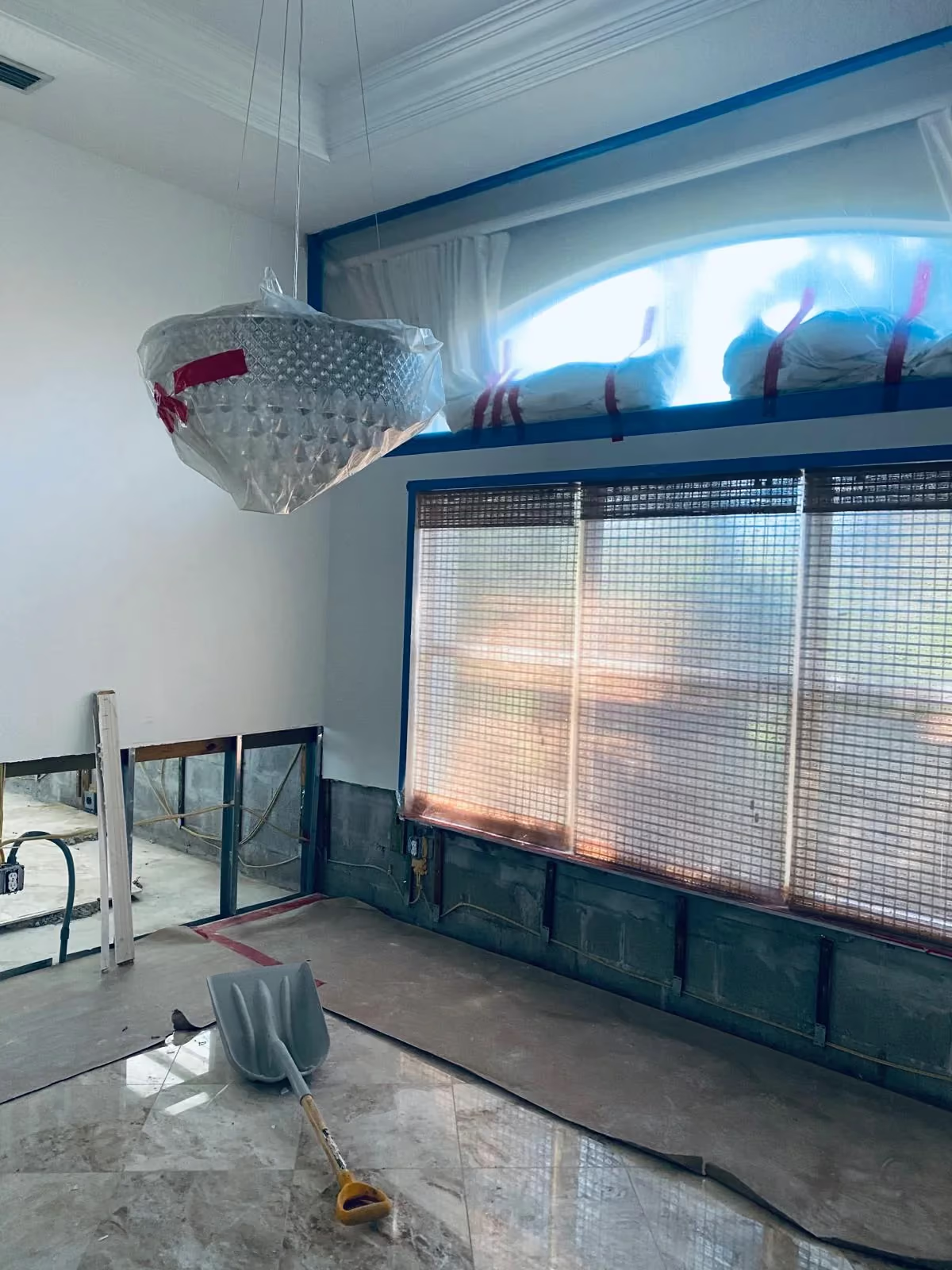
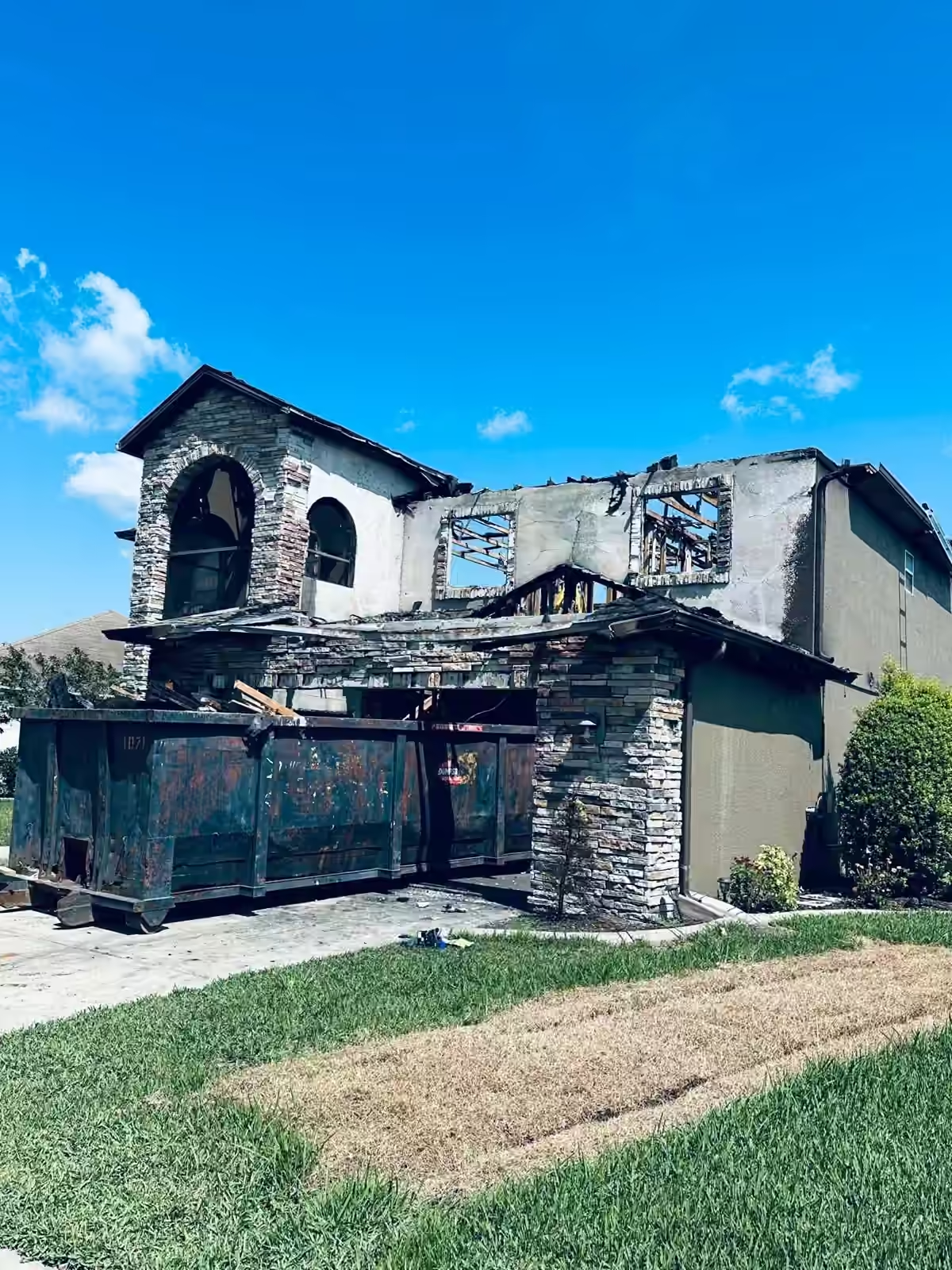
See Hugo crews position board-up panels and protect exposed building openings. The right temporary protection depends on the opening, access, weather, and property conditions.
Large interior opening protected during authorized restoration work.
Exposed exterior openings visible after significant fire damage.
Emergency Board-Up for Homes, Businesses, and Rentals
Access, communication, temporary securing, and documentation are coordinated with the authorized contact. Occupancy or uninterrupted operations are not promised.
Residential Properties
Homes, condos, apartments, windows, exterior doors, garage openings, and fire- or storm-created openings may need temporary protection while permanent work is arranged.
Hugo can coordinate with authorized owners or managers about guest access, temporary securing, weather exposure, documentation, and applicable vendor handoff.
Temporary protection and documentation remain separate from permanent repairs, regulated trade work, safety certification, public adjusting, and insurance decisions.
Emergency board-up is temporary property stabilization. Permanent window, door, wall, storefront, garage-door, structural, electrical, roofing, glass, or construction work may require appropriately licensed professionals.
CENTRAL FLORIDA BOARD-UP
Emergency Board-Up Across Central Florida
Hugo Fire & Water Restoration is based in St. Cloud and provides emergency board-up services across Osceola, Orange, Polk, Brevard, Seminole, Lake, Sumter, and Volusia counties. Response depends on safety, access, weather, roads, location, authorization, demand, and crew availability.
Use these official sources for post-fire access, storm hazards, disaster planning, and damage documentation. Public guidance does not replace emergency authorities, utility providers, building officials, or qualified on-site specialists.
Emergency board-up may be needed when broken windows, damaged doors, fire openings, storm damage, storefront damage, or other exposed areas leave the property vulnerable to weather, animals, debris, unauthorized access, or additional damage.
No. Emergency board-up is temporary property protection used to secure an opening until permanent repair, replacement, or reconstruction can be completed by the appropriate qualified professional.
Depending on access and conditions, Hugo may provide temporary protection for windows, exterior doors, garage openings, storefronts, wall openings, fire-access openings, and other exposed property areas.
Board-up may help reduce rain, wind, debris, animal, and unauthorized-entry exposure, but it is temporary and does not guarantee complete weatherproofing.
No. Board-up is typically used for windows, doors, storefronts, garage openings, and walls. Roof tarping is used for temporary protection over roof openings.
Yes. Board-up is often the first protective step before fire cleanup, storm restoration, water mitigation, roof tarping, contents work, and documentation continue.
Hugo offers a verified 15-minute dispatch process after emergency intake. This refers to beginning dispatch coordination and does not guarantee a specific arrival time.
Hugo can provide temporary board-up support for applicable commercial openings, subject to safe access, opening conditions, authorization, and the agreed service scope.
Yes. Hugo can organize photographs, opening details, temporary-protection records, related damage notes, and completion documentation. Insurance coverage decisions remain with the carrier.
Hugo accepts emergency board-up requests across Osceola, Orange, Polk, Brevard, Seminole, Lake, Sumter, and Volusia counties. Use the coverage directory for listed communities and services.
24/7 BOARD-UP HELP
Need Emergency Board-Up Now?
Call Hugo Fire & Water Restoration for temporary protection of broken windows, damaged doors, storefronts, fire openings, storm openings, garage openings, and other exposed property areas in St. Cloud and Central Florida.
For active fire, structural collapse, electrical danger, gas odor, downed power lines, or medical emergencies, call 911 or the appropriate emergency authority first.