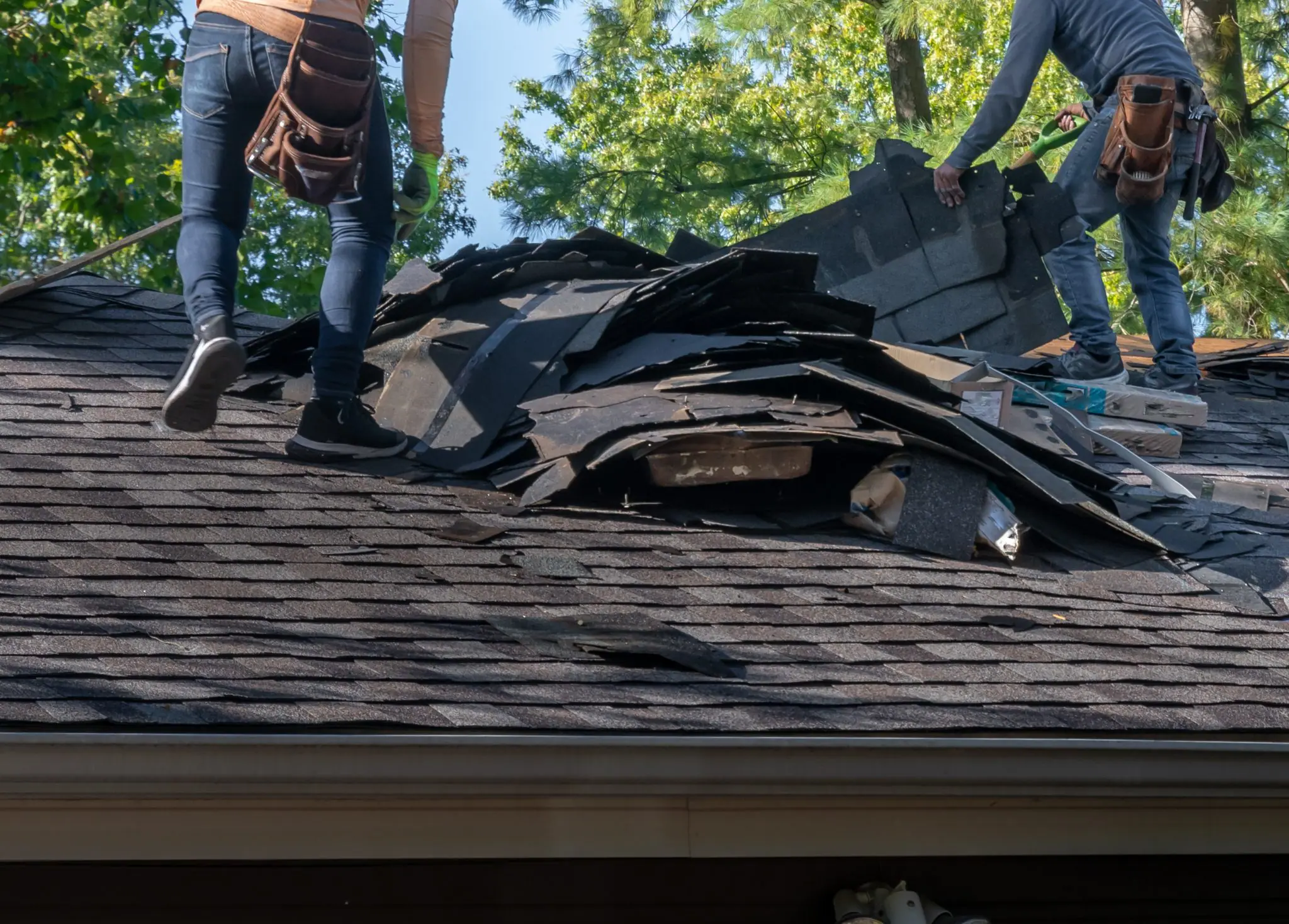
Immediate guidance
Stay off a damaged roof and away from wet electrical areas, sagging ceilings, and downed lines. Move people away from the leak zone, document visible conditions from a safe place, and call for temporary roof protection and interior water mitigation when rain is entering the building.
What to do next
- 1
Create a safe exclusion area
Keep people away from ceiling bulges, falling material, slippery floors, and water near lights or outlets.
- 2
Do not climb onto the roof
Wind, wet surfaces, hidden openings, and damaged decking make homeowner roof access dangerous.
- 3
Record interior and exterior signs
From safe ground and indoor positions, photograph stains, openings, wet materials, and visible roof damage.
- 4
Coordinate both protection and drying
A tarp addresses exposure; water already inside may still require extraction, moisture checks, and structural drying.
Temporary protection is not a permanent repair
Emergency roof tarping is intended to reduce additional intrusion until the appropriate roofing professional can evaluate and complete permanent repairs.
What to report on the emergency call
Share whether rain is still entering, where ceiling or wall changes are visible, whether utilities are affected, how many rooms are wet, and whether safe access is available.
Official Sources and Further Reading
Use the linked agency page for the source's current public guidance. A source link does not replace property-specific professional judgment.
- Florida Division of Emergency Management. Plan and Prepare (opens in a new tab)
Florida hurricane, flood, family plan, and emergency-preparedness resources.
- National Weather Service. Hurricane Preparedness (opens in a new tab)
Hurricane planning, forecast, warning, and post-storm safety guidance.
- National Weather Service. Flood Safety (opens in a new tab)
Flood watches, warnings, and safety guidance before, during, and after flooding.
Related restoration guides
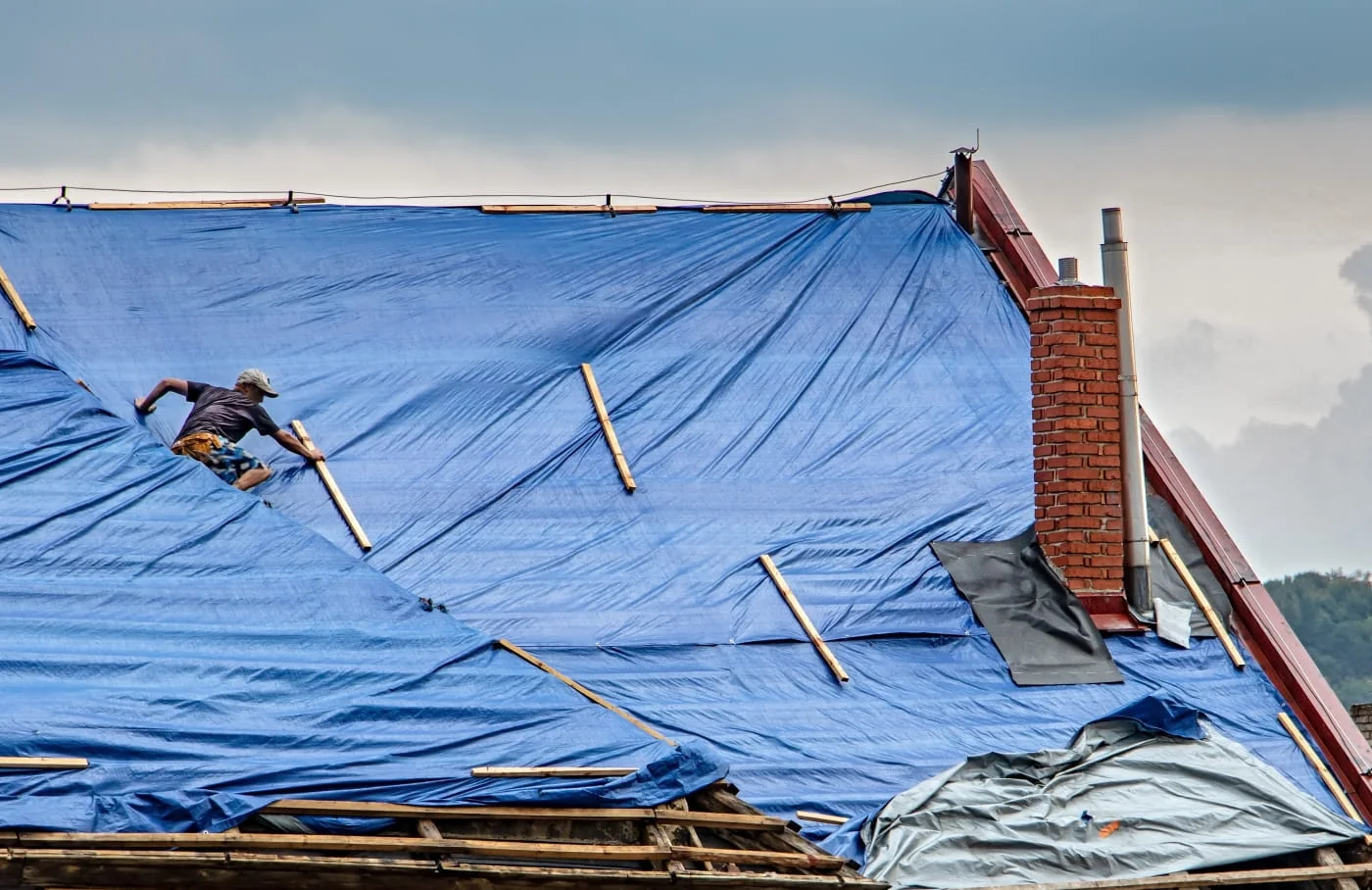 Roof Leak Restoration
When Roof Tarping Helps After a Storm
How temporary roof protection can reduce new water intrusion while cleanup, drying, and documentation are organized.
Published by Hugo Fire & Water Restoration
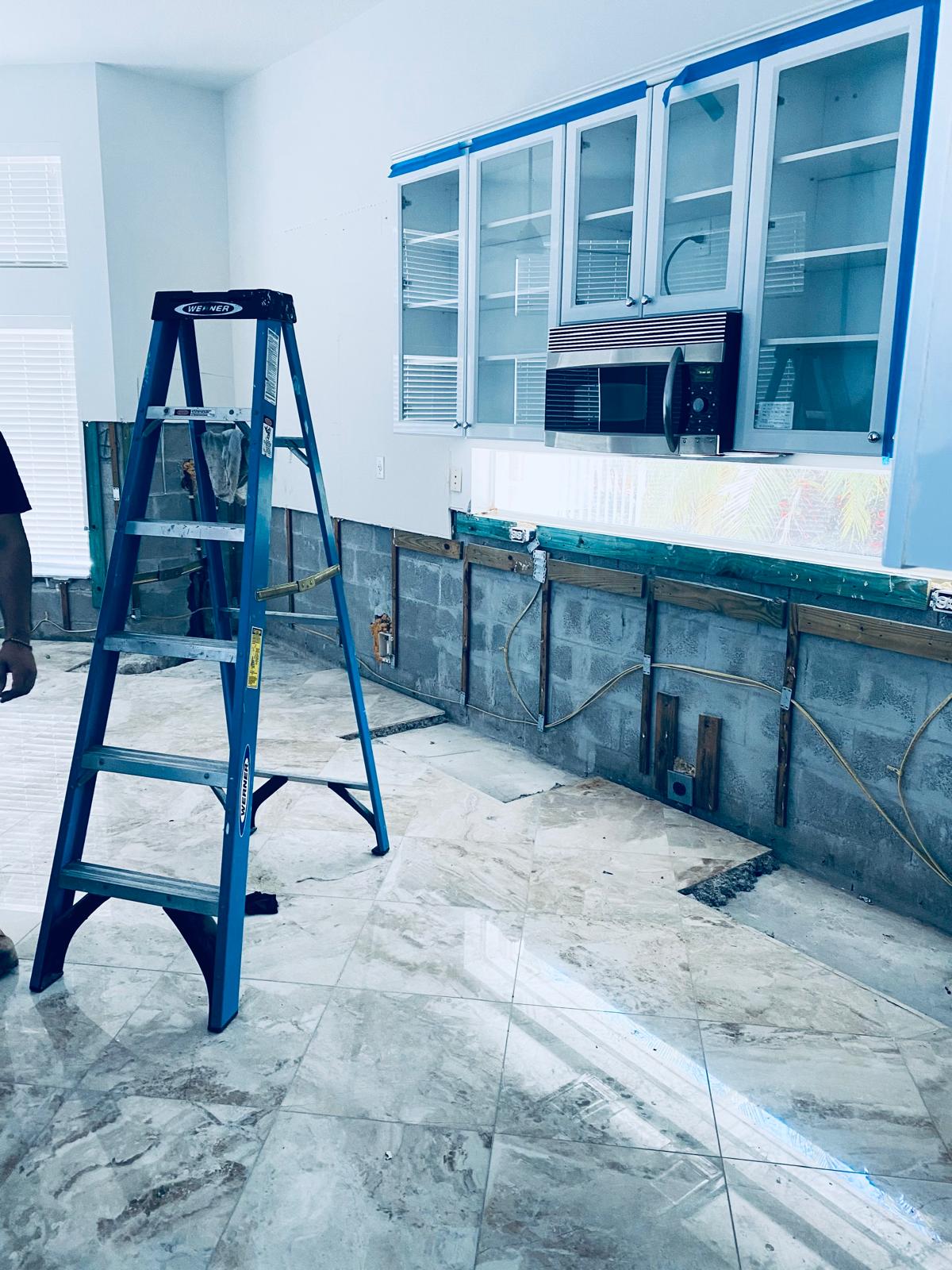 Water Damage
What To Do Immediately After Water Damage
A fast Central Florida checklist for homeowners dealing with a leak, flood, or water intrusion.
Published by Hugo Fire & Water Restoration
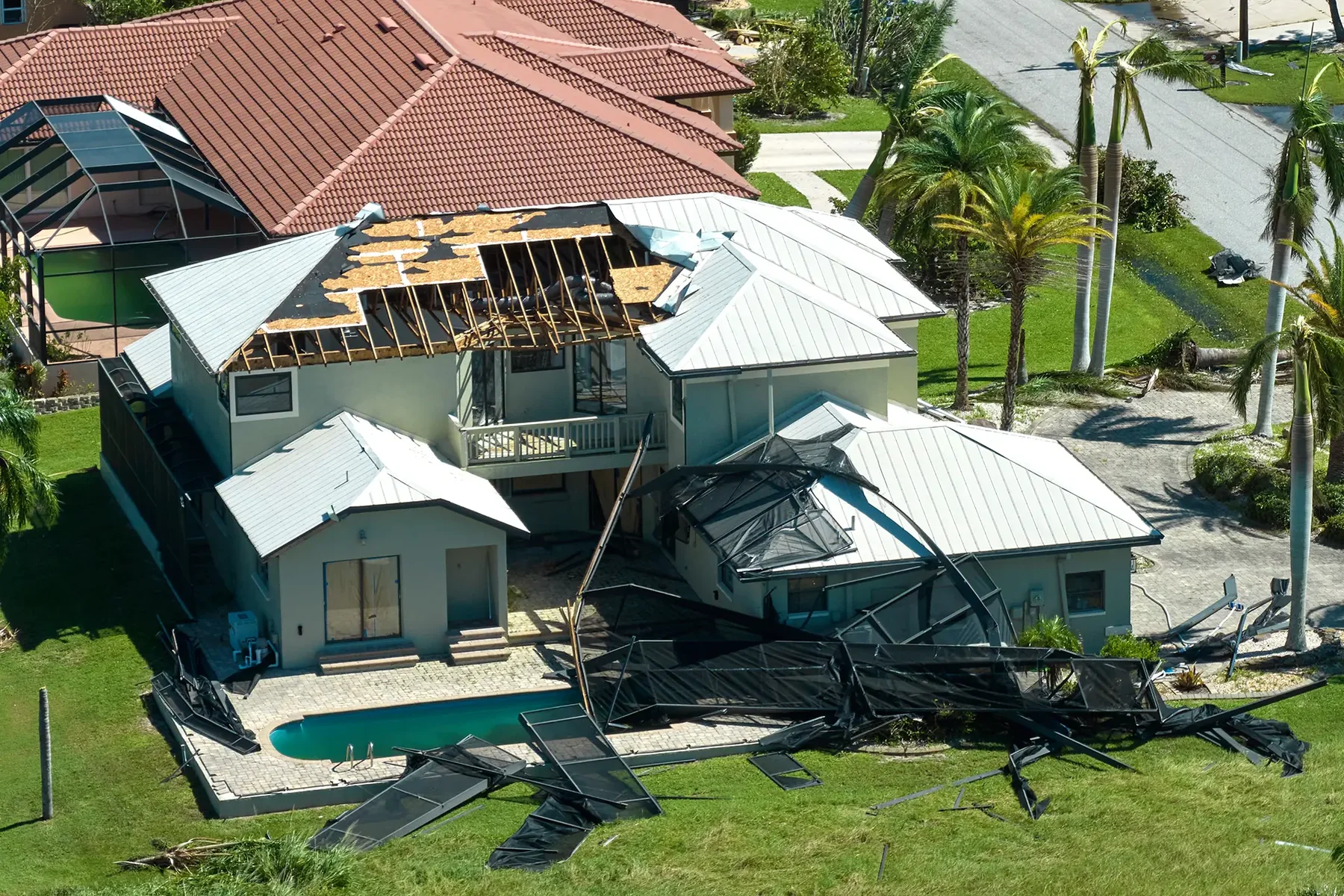 Hurricane Preparation
Central Florida Hurricane Restoration Checklist
Emergency planning, roof leak response, water mitigation, documentation, and property protection steps for Central Florida storm season.
Published by Hugo Fire & Water Restoration