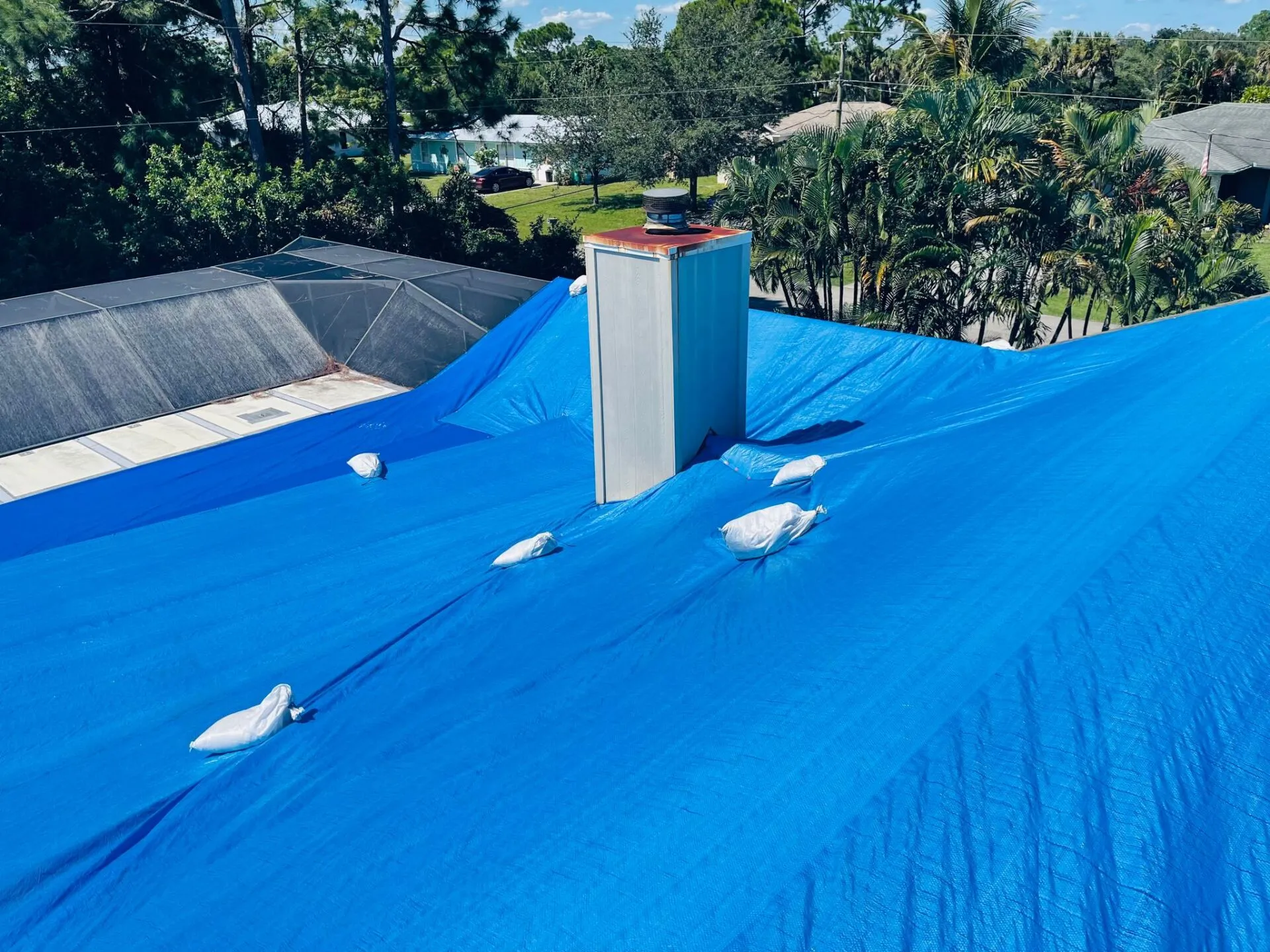
TEMPORARY ROOF PROTECTION
Cover. Document. Coordinate.
Emergency tarping can help reduce additional rain intrusion while permanent roof evaluation and repair are arranged.
When wind, missing shingles, a fallen limb, or a roof puncture leaves a property open to rain, Hugo coordinates temporary roof protection and checks for interior water. Call first so the team can review access, hazards, affected rooms, and next steps.
Stay off the roof. Keep people away from sagging ceilings, wet electrical areas, downed lines, and unstable rooms. Call 911 first for a life-safety emergency.
TEMPORARY ROOF PROTECTION
Cover. Document. Coordinate.
Emergency tarping can help reduce additional rain intrusion while permanent roof evaluation and repair are arranged.
Roof damage can involve falls, unstable decking, electrical exposure, falling materials, and hidden structural damage. Protect people first and leave roof access to qualified workers.
For downed power lines, gas odor, active fire, collapse, medical danger, or another immediate threat, move to a safe location and call 911 or the appropriate utility before contacting a restoration provider.
24/7 Emergency Intake
Call any time for active roof exposure or water intrusion.
Licensed and Insured
Restoration work is performed within the authorized service scope.
IICRC-Certified Technicians
Technician-level restoration training supports water mitigation and drying.
Damage Documentation
Visible conditions and authorized work can be organized in the restoration file.
English and Spanish
Emergency call support is available in English and Spanish.
Central Florida Coverage
St. Cloud-based response across the listed service areas.
Provide the service address, safe access details, visible roof opening, active rain entry, affected rooms, utility concerns, and an authorized contact. Hugo will review the request and begin dispatch coordination.
The 15-minute timeframe refers to beginning dispatch coordination after intake and does not guarantee a specific arrival time. Active weather, road closures, curfews, location, access, roof condition, safety, demand, and crew availability can affect response. A web form is not appropriate for life-safety danger.
Call Now: (888) 484-6669A clear scope helps property owners move quickly without confusing emergency weather protection with permanent roof repair or a structural safety decision.
Temporary protection depends on safe access, weather, roof condition, opening size, surface configuration, surrounding hazards, authorization, and the work that can legally be performed. Permanent repair must be evaluated and completed by the appropriately licensed trade.
Visible damage does not reveal every water path, but these conditions are reasons to keep people clear, document only what is safe, and request an emergency review.
Rainwater is visibly entering through a ceiling, attic access, light opening, or wall transition.
Wind has displaced shingles or other roof-covering material and exposed an underlying area.
A branch, tree section, or airborne object has struck the roof or remains against the structure.
A visible hole, split, torn membrane, or exposed roof opening can admit more rain.
Ceilings, walls, cabinets, or attic materials show fresh stains, dampness, bubbling, or discoloration.
A ceiling bulge, falling texture, or bowed drywall may indicate water loading above. Keep the area clear.
Roof membranes, penetrations, rooftop equipment transitions, or parapet areas show storm-related openings.
An exposed opening may allow repeat intrusion before permanent evaluation and repair can be arranged.
The response moves from intake to safe access, temporary protection, moisture review, and documentation based on actual conditions and authorization.
Share the service address, authorized contact, damage timing, active rain entry, visible opening, affected rooms, access limits, utilities, and immediate hazards.
Hugo begins coordination through its verified 15-minute dispatch process. That timeframe starts coordination only and is not a guaranteed arrival time.
The site is reviewed for weather, roof condition, fall exposure, utilities, debris, structural concerns, access, and scope boundaries before roof work begins.
When conditions and authorization allow, an appropriate temporary covering is positioned and secured to reduce additional weather intrusion.
If water has entered, accessible affected areas can be checked for wet materials, standing water, moisture pathways, and drying needs.
The file may include photographs, observed conditions, authorized work, moisture notes, equipment records, and next-step coordination with the owner, manager, carrier, or qualified repair trade.
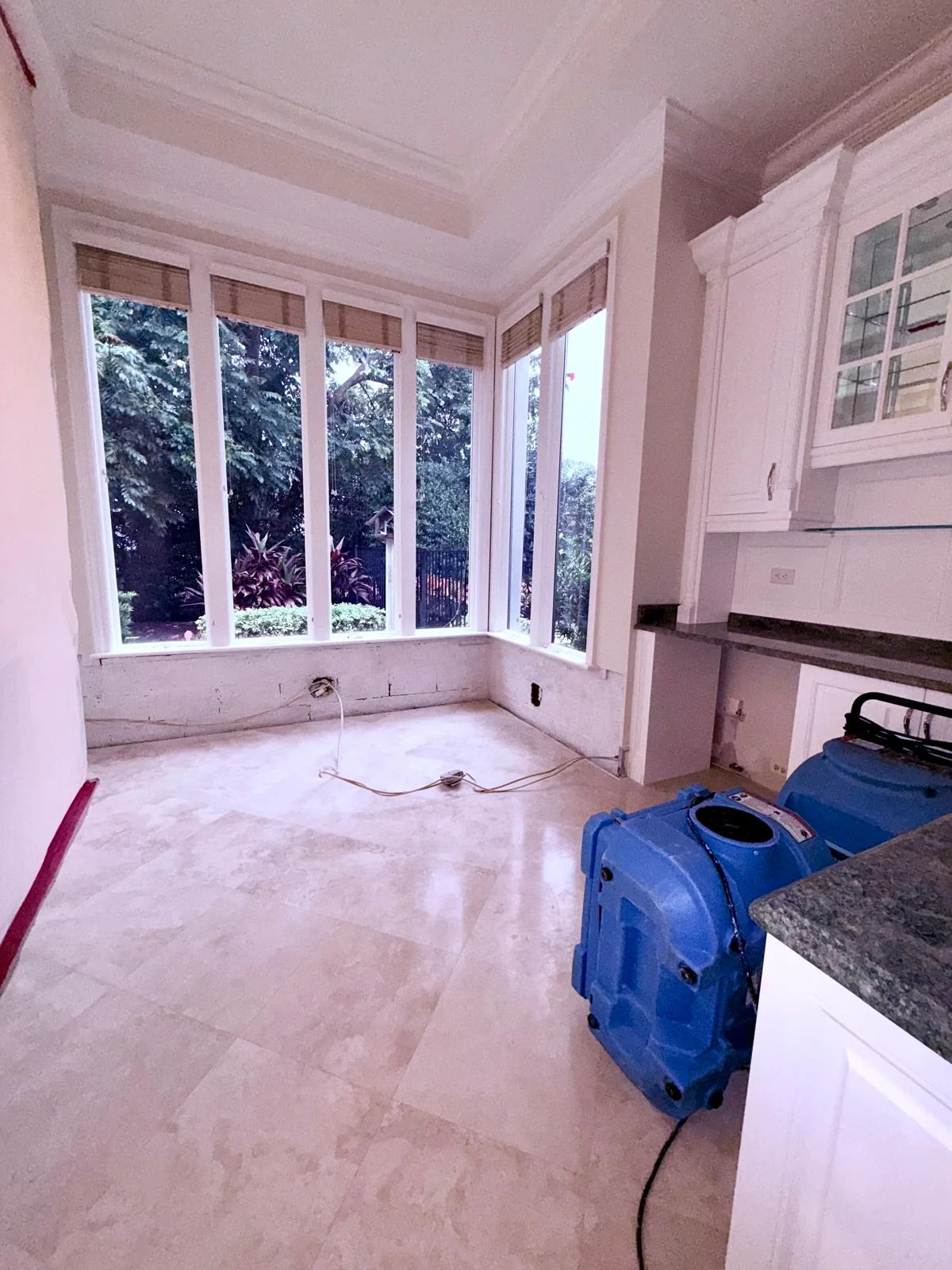
Rain can move through decking, attic insulation, ceilings, wall cavities, cabinets, flooring, contents, and electrical openings before temporary protection is installed.
When access is safe and work is authorized, the response may include bulk water removal, moisture observations, affected-material review, air movement, dehumidification, equipment monitoring, cleaning, and documentation.
Keep people out from beneath ceiling bulges and away from wet fixtures, outlets, panels, appliances, and standing water near electricity. Do not puncture a ceiling bulge, operate wet equipment, or enter an unstable room.
Do not delay an emergency call to collect every item. Share what you know, stay in a safe location, and add details as they become available.
Emergency stabilization and water mitigation records can help the owner, manager, carrier, and repair trades understand what was observed and what work occurred. Documentation supports communication; it does not interpret coverage.
Exterior context, visible openings, interior water signs, affected rooms, and temporary protection can be photographed when safe and authorized.
Dates, observations, authorizations, temporary measures, contacts, and handoff details can be organized in the restoration record.
When interior mitigation is authorized, the file may include readings, affected-material notes, equipment placement, monitoring, and drying progress.
Restoration documentation can distinguish temporary protection and water mitigation from permanent roofing, structural, electrical, or other trade work.
Insurance coverage, payment, and claim decisions are determined by the applicable insurance carrier and policy. Hugo Fire & Water Restoration provides restoration documentation and claims assistance but cannot guarantee coverage, claim approval, payment, or reimbursement.
The same temporary-protection boundary applies to every property. The coordination plan changes with occupancy, access, business needs, authorization, and the people responsible for the site.
Coordinate owner or tenant safety, temporary roof protection, interior moisture checks, contents protection, drying, and communication across affected living areas.
Organize access, occupant safety, business interruption priorities, temporary stabilization, affected-area records, and handoff among owners, managers, tenants, carriers, and repair trades.
Help off-site owners or managers document conditions, protect approved openings, address interior water, coordinate guest or vendor access, and preserve a clear property record.
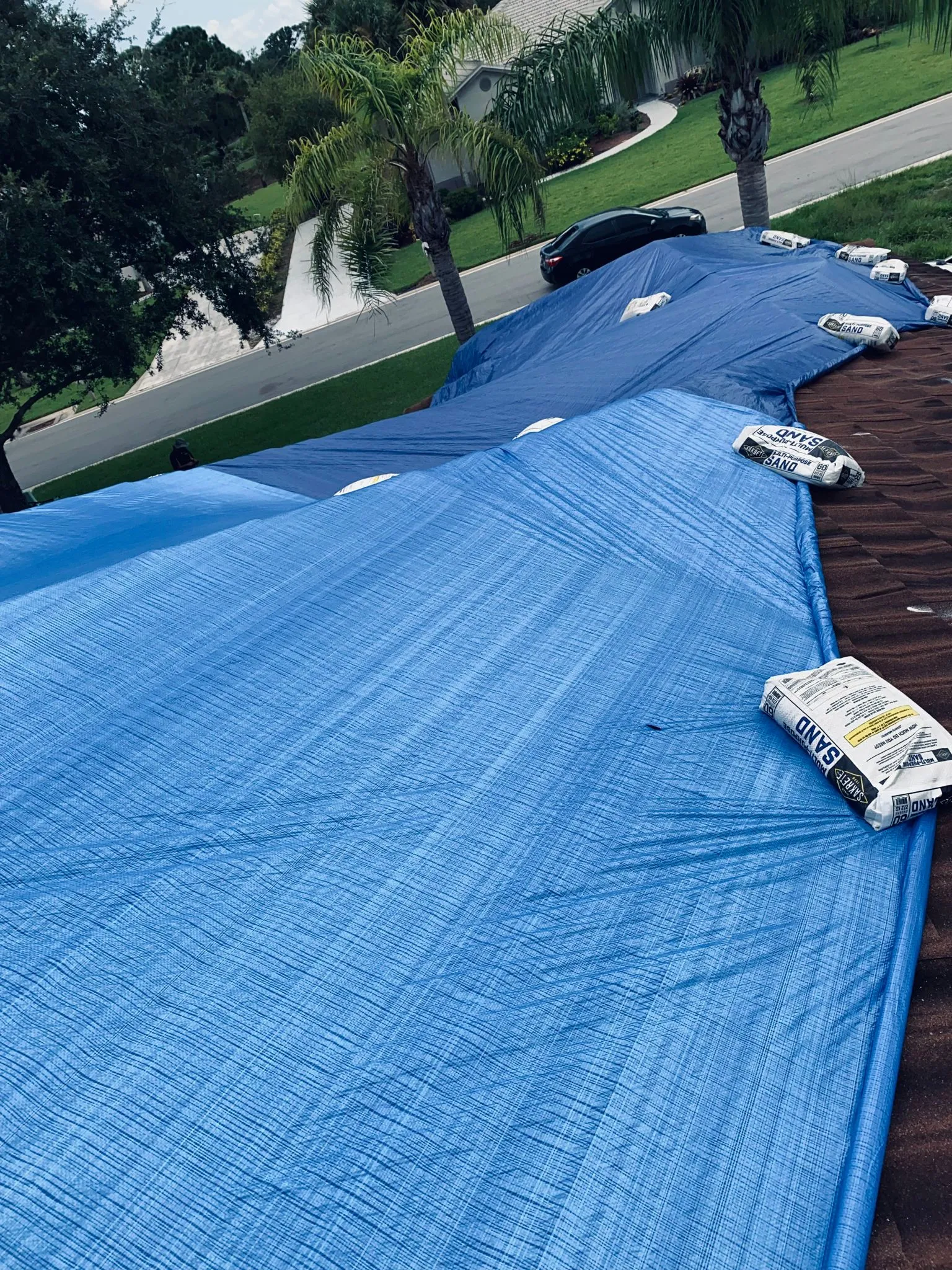
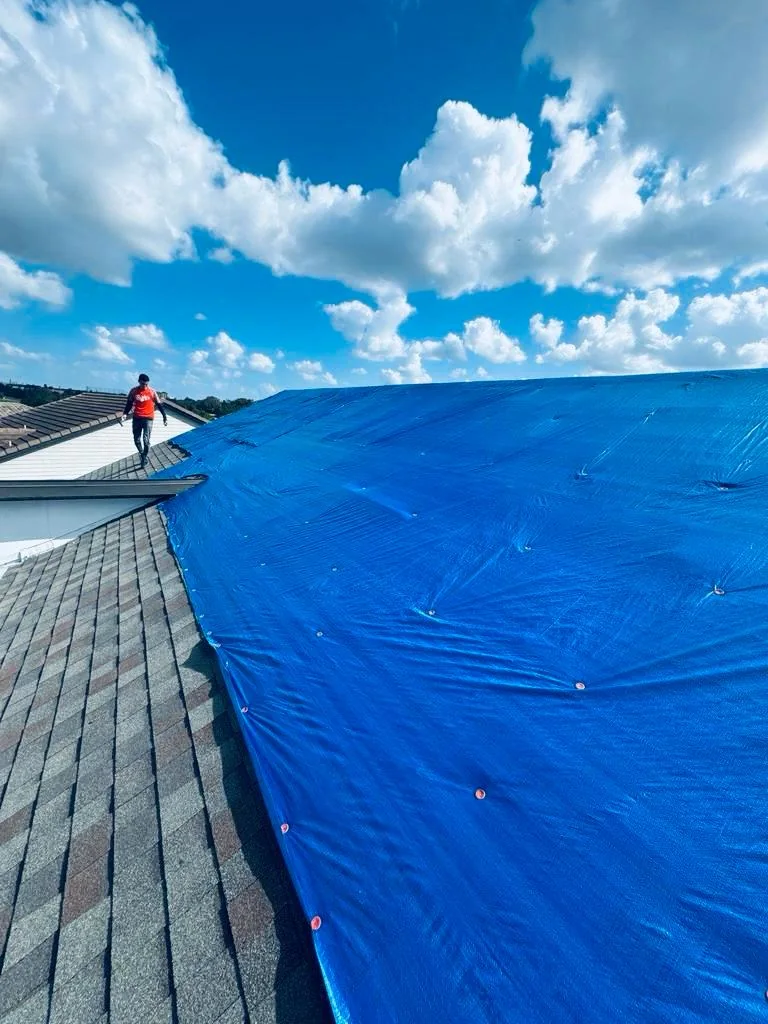
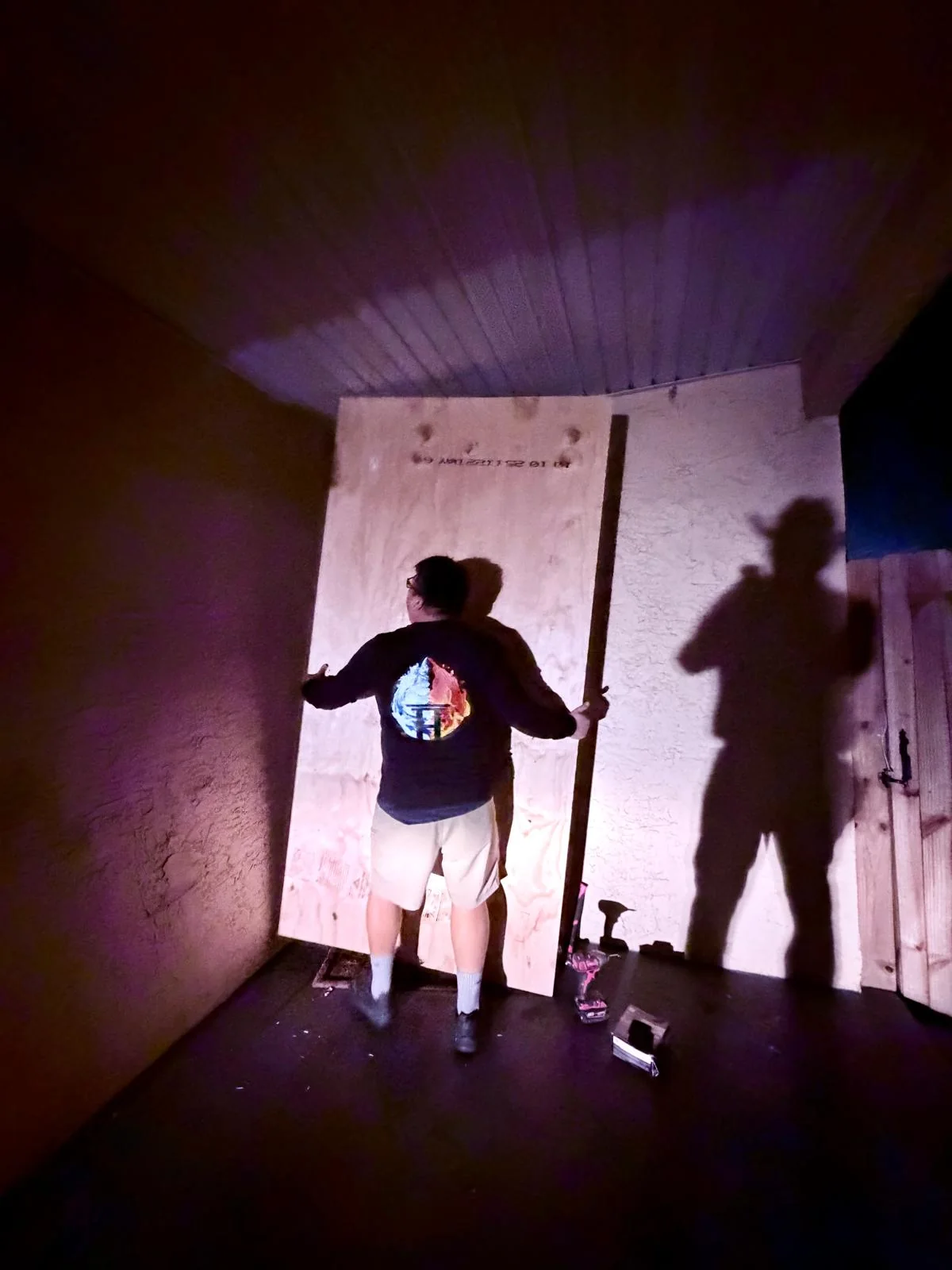
See Hugo crews install temporary roof protection and secure other exposed areas. Every installation is planned around the roof condition, safe access, weather, and the affected property.
Credentials are presented only for the work they actually support. Emergency roof tarping remains temporary property protection, and permanent roofing or regulated specialty work stays with the appropriate qualified provider.
Hugo Fire & Water Restoration is based in St. Cloud and serves the listed Central Florida counties and cities.
The company is licensed and insured for the restoration services it is authorized to perform.
This is a technician-level restoration credential; it is not a roofing license, engineering credential, or guarantee of a result.
Review the current accreditation and rating directly on Hugo's public BBB profile.
Open public profile Opens in a new tab.License MRSR5171 applies only when separate mold-remediation scope is required. It is not a roof-tarping or roofing credential.
Temporary protection, water mitigation, drying, cleanup, and restoration documentation are separated from permanent roofing and other regulated trades.
Hugo is based in St. Cloud and accepts emergency restoration requests across the listed counties and priority cities. Actual response depends on weather, roads, access, safe working conditions, demand, location, and crew availability.
Find related storm stabilization, interior water damage, documentation, and roof-leak guidance. Roof intrusion is not automatically a floodwater condition.
Coordinate temporary protection, water mitigation, drying, cleanup, and documentation after wind and rain damage.
View detailsSee how interior water intrusion, wet materials, moisture pathways, and drying needs are addressed.
View detailsRequest extraction, moisture evaluation, structural drying, and restoration documentation after water enters.
View detailsTemporary protection for accessible broken windows, doors, storefronts, or wall openings.
View detailsLearn how Hugo organizes restoration records without promising a claim outcome.
View detailsRead safety-first steps for a new ceiling leak, missing shingles, or storm-created roof opening.
View detailsUnderstand temporary protection limits and what to expect before permanent roof repair.
View detailsUse these official sources for storm preparation, roof fall-risk context, safe reentry, and post-disaster precautions. Public guidance does not replace emergency authorities, utility providers, building officials, or qualified on-site specialists.
These answers explain safety, dispatch, scope, interior water, insurance documentation, and property coordination without treating a tarp as permanent repair.
Call Hugo Fire & Water Restoration at (888) 484-6669 for 24/7 emergency intake in St. Cloud and the listed Central Florida service areas. Share the visible opening, active water, affected rooms, utilities, safe access, and immediate hazards. Call 911 first for a life-safety emergency.
No. A tarp is temporary protection intended to reduce additional rain intrusion while a qualified roofing professional evaluates and completes permanent work. It is not roof replacement, structural repair, a roofing inspection, or a certification that the roof is safe.
Hugo's verified 15-minute process means dispatch coordination begins after emergency intake. It does not promise a specific arrival time. Weather, roads, curfews, location, access, hazards, demand, authorization, and crew availability can affect response.
No. Wet surfaces, wind, loose materials, hidden punctures, unstable decking, debris, and damaged edges create serious fall and collapse hazards. Stay off the roof and keep others away from the area below visible damage.
No provider can guarantee that a temporary tarp will stop every leak or last for a specific period. Hidden openings, water already inside, roof geometry, changing weather, debris, material condition, and safe anchoring limits can affect performance.
Temporary roof protection addresses exterior exposure; it does not remove water already in ceilings, walls, insulation, flooring, cabinets, or contents. Accessible wet areas may also need extraction, moisture evaluation, structural drying, cleaning, and monitoring.
Report active rain entry, missing roofing, a fallen limb, a puncture, ceiling stains or sagging, wet electrical areas, affected rooms, standing water, access limits, occupancy, and whether emergency authorities or utilities are involved.
This service covers temporary roof protection and related restoration support. Permanent roofing, tree work, structural engineering or repair, electrical, gas, plumbing, and other regulated trade work require the appropriately qualified and licensed provider.
Hugo can organize factual photos, observed conditions, temporary-protection notes, moisture readings, drying records, and authorized restoration work. The carrier and applicable policy determine coverage, payment, approval, and reimbursement.
Yes, when site conditions, authorization, access, weather, and service scope permit. Hugo can coordinate with owners, managers, tenants, vendors, and carrier contacts while keeping temporary stabilization separate from permanent roofing work.
Stay off the roof, keep people away from sagging ceilings and wet electrical areas, and call Hugo with the address, visible opening, active water, affected rooms, access details, and immediate hazards. Temporary tarping is not permanent roof repair and does not certify structural safety.
For a downed line, active fire, gas odor, collapse, or medical danger, call 911 or the appropriate utility first.
Emergency call support is available in English and Spanish.