Immediate guidance
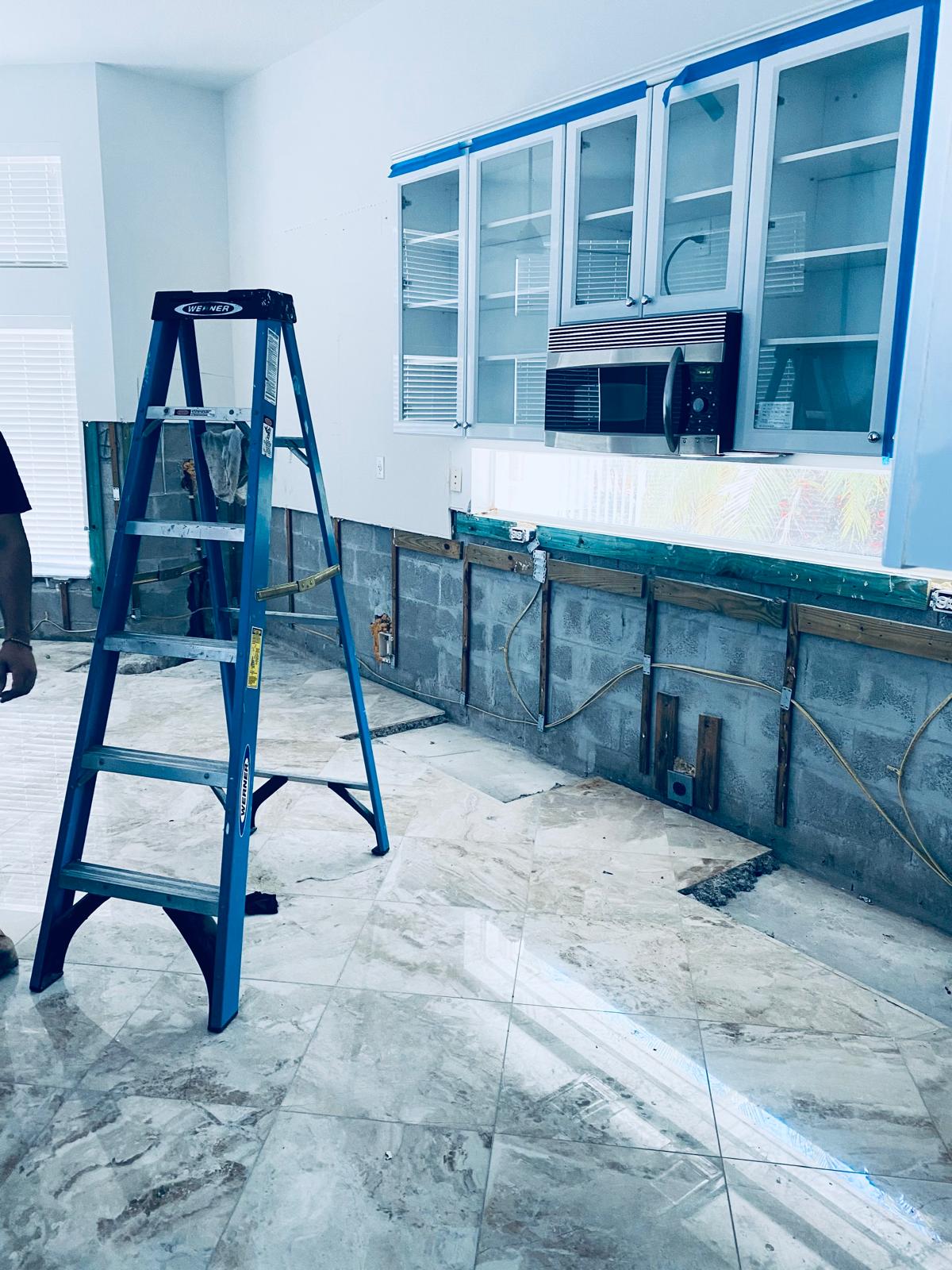
Protect people first. If water is near electricity, the ceiling is sagging, or the source is unsafe, leave the area and use emergency services as appropriate. Stop the source only when it is safe, photograph visible damage from a safe position, and call the 24/7 restoration line while water is still active or spreading.
What to do next
- 1
Check for immediate hazards
Keep people and pets away from standing water, wet electrical components, sagging ceilings, and contaminated water.
- 2
Limit the source if it is safe
Use a reachable fixture shutoff or main water shutoff only when doing so does not require entering an unsafe area.
- 3
Record the starting condition
Photograph affected rooms, the apparent source, wet materials, and visible water before cleanup changes the scene.
- 4
Start extraction and drying planning
Visible water removal is only the first phase; moisture checks help identify wet walls, flooring, cabinets, and concealed spaces.
Why surface dryness is not the finish line
Water can move beneath flooring, behind trim, into cabinets, and through wall or ceiling assemblies. A room can look dry while building materials still hold moisture.
- Source and affected-area review
- Water extraction where needed
- Moisture mapping
- Structural drying and monitoring
- Photo and drying documentation
What to have ready for the call
Share the property city, when the damage was found, the suspected source, affected rooms, whether water is still moving, and any access or electrical concerns. Coverage and claim decisions remain with the insurance carrier.
Official Sources and Further Reading
Use the linked agency page for the source's current public guidance. A source link does not replace property-specific professional judgment.
- National Weather Service. Flood Safety (opens in a new tab)
Flood safety steps for watches, warnings, evacuation awareness, and avoiding floodwater hazards.
- National Weather Service. Flood Safety Resources (opens in a new tab)
Flood watches, warnings, and safety guidance before, during, and after flooding.
- CDC. Returning Home After a Natural Disaster (opens in a new tab)
Cleanup safety, insurance photos, and mold precautions after disaster damage.
Related restoration guides
 Water Damage
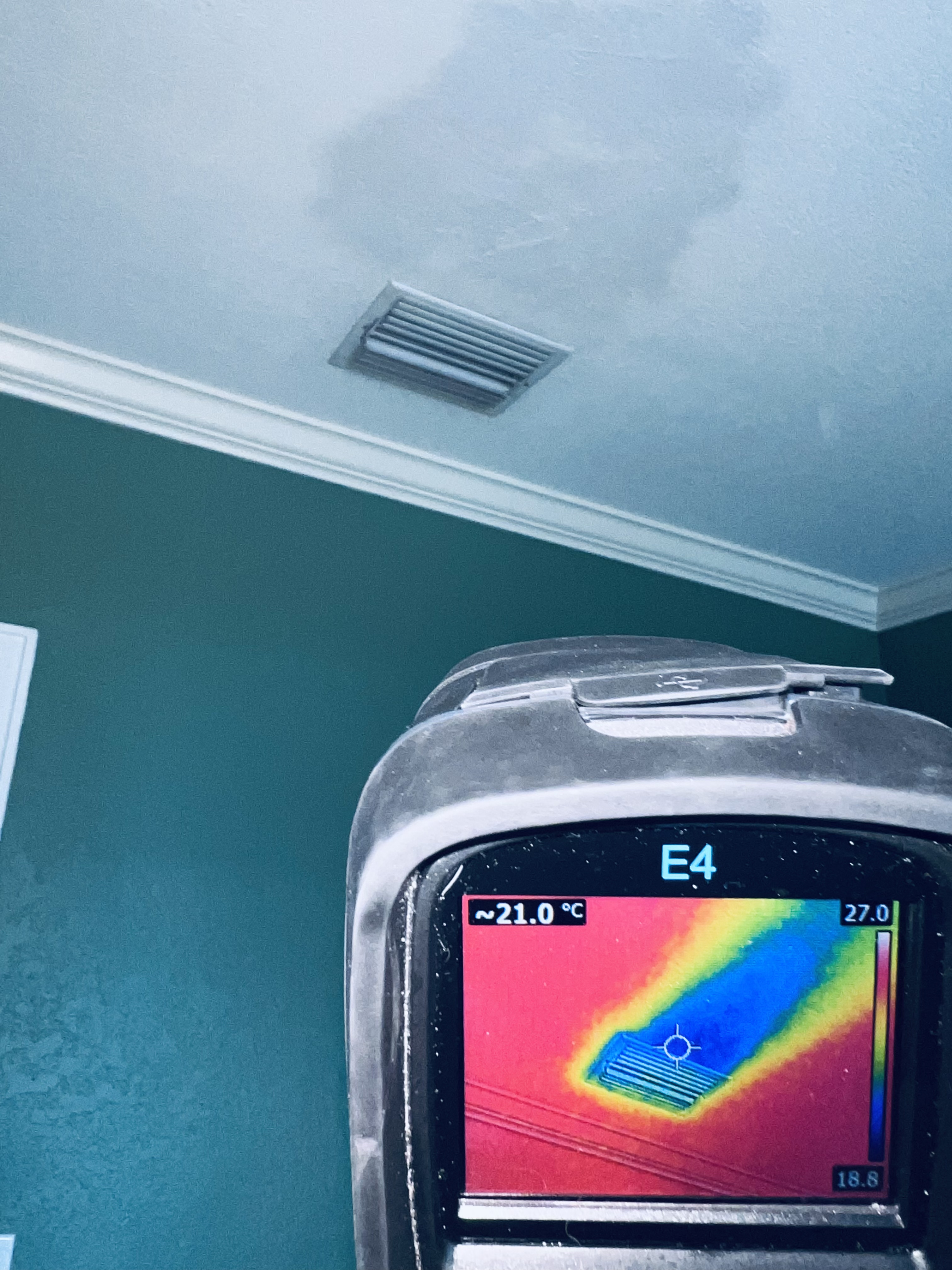
How Long Does Water Damage Restoration Take?
A plain-English look at extraction, drying, monitoring, documentation, and what can extend the timeline.
Published by Hugo Fire & Water Restoration
 Water Damage
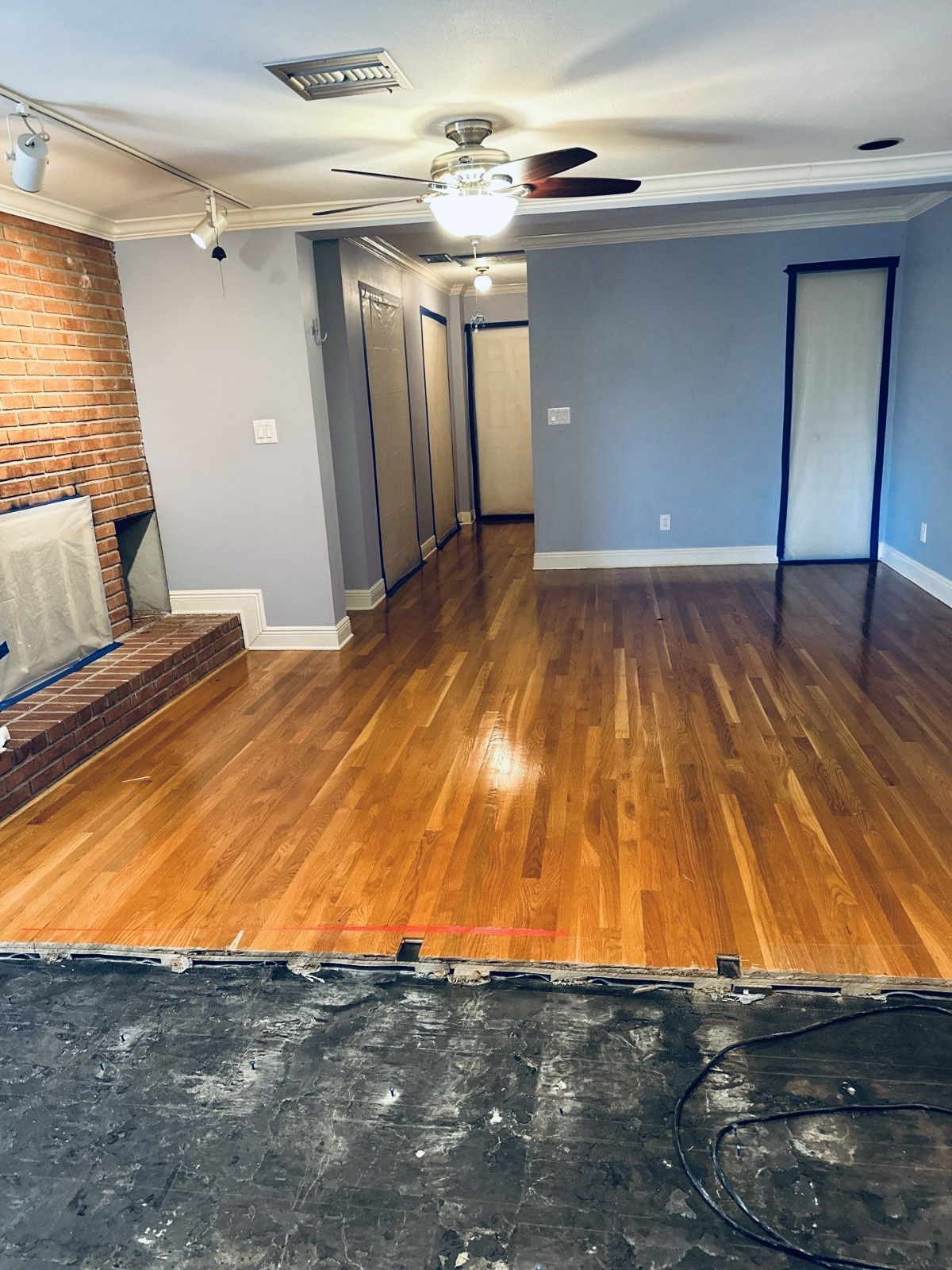
How Much Can Water Damage Restoration Cost in Central Florida?
What affects water damage restoration cost, what to document, and why an inspection matters before any estimate.
Published by Hugo Fire & Water Restoration
 Mold Remediation
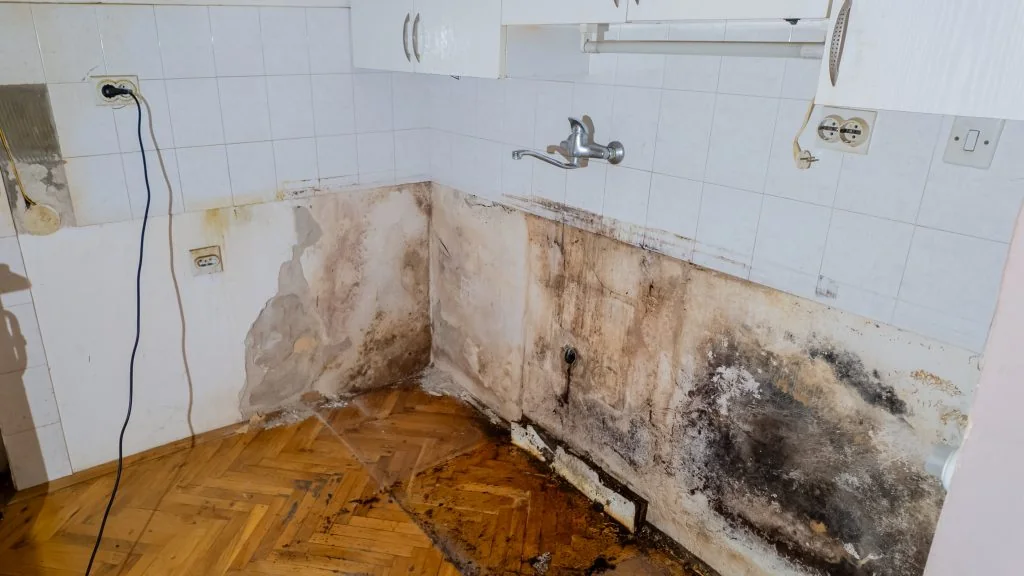
How Quickly Mold Can Grow After Water Damage
Why moisture control, professional drying, and documentation matter after a Central Florida leak or flood.
Published by Hugo Fire & Water Restoration