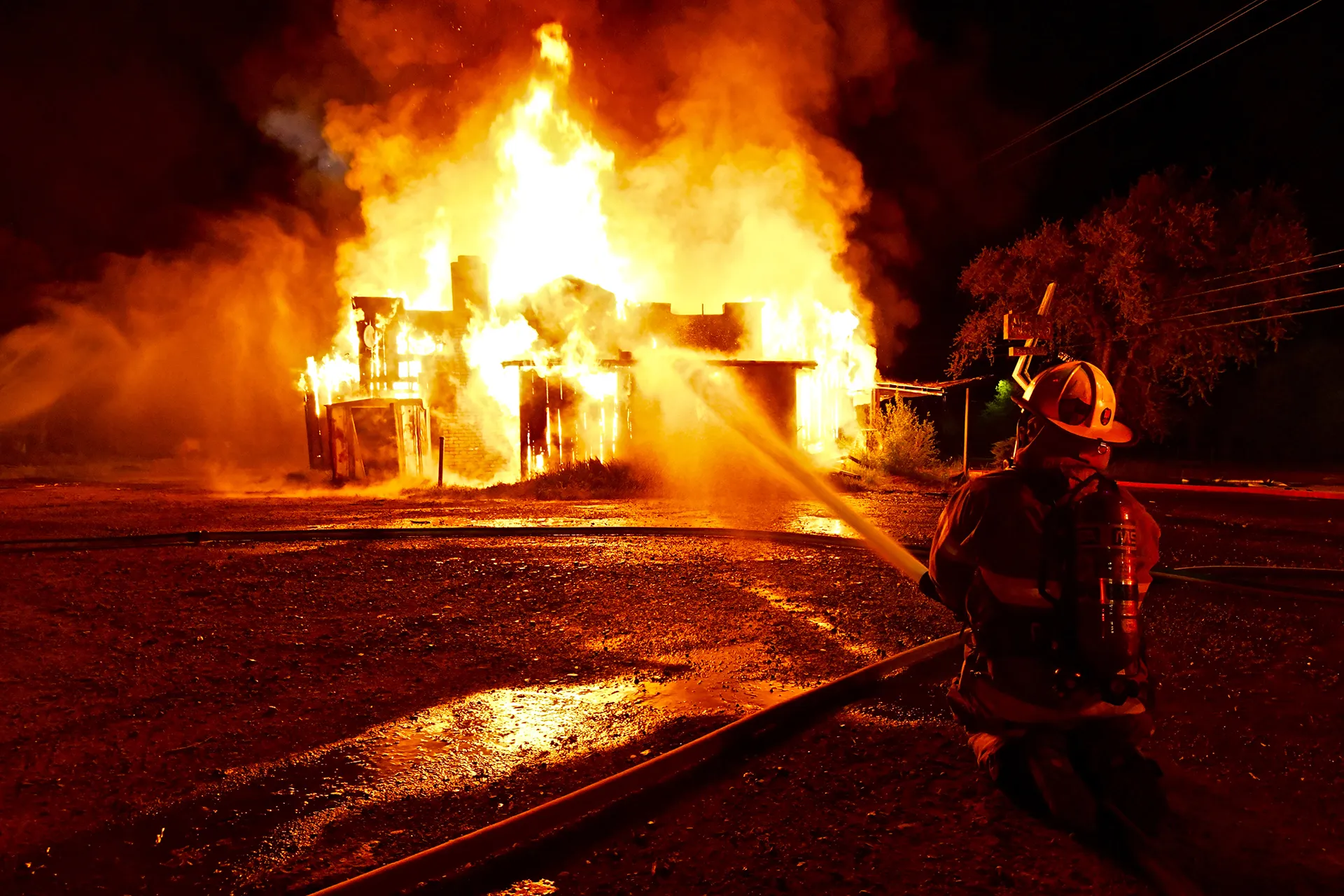
Immediate guidance
Make sure everyone is accounted for and follow fire-department instructions. Do not re-enter until the appropriate authority says entry is permitted. Once access is allowed, document visible conditions without touching soot, and arrange temporary protection, water mitigation, and fire-restoration assessment as the property requires.
What to do next
- 1
Follow official clearance
Treat fire-department and utility instructions as the authority for entry, power, gas, and immediate hazards.
- 2
Avoid disturbing residue
Wiping soot or moving affected contents can spread residue and complicate later cleaning.
- 3
Secure exposed openings
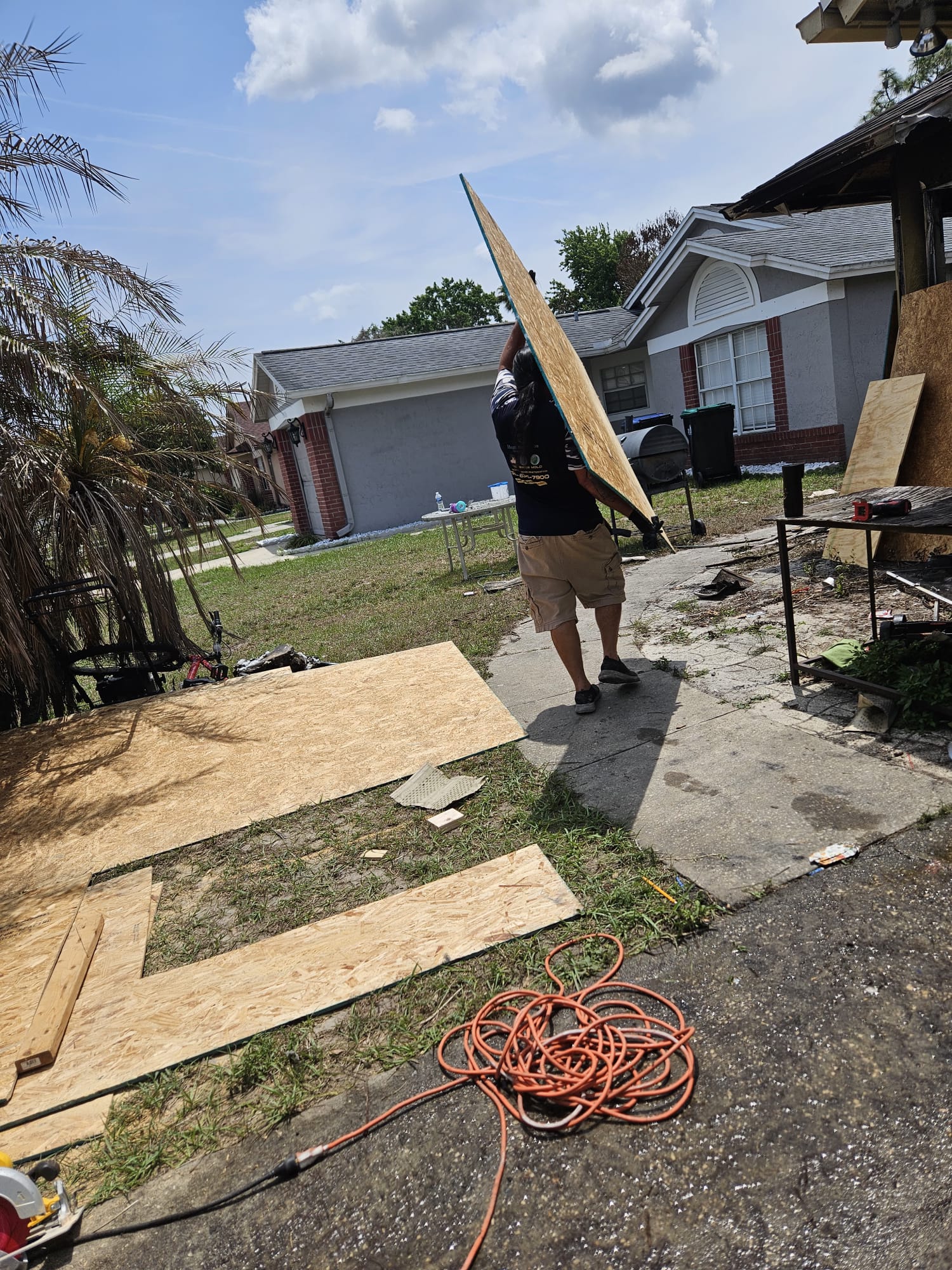
Broken windows, doors, walls, or roof areas may need temporary board-up or tarping after access is approved.
- 4
Document the full loss
Record fire, smoke, soot, contents, openings, and water used during suppression from a safe position.
Fire damage often overlaps with other damage
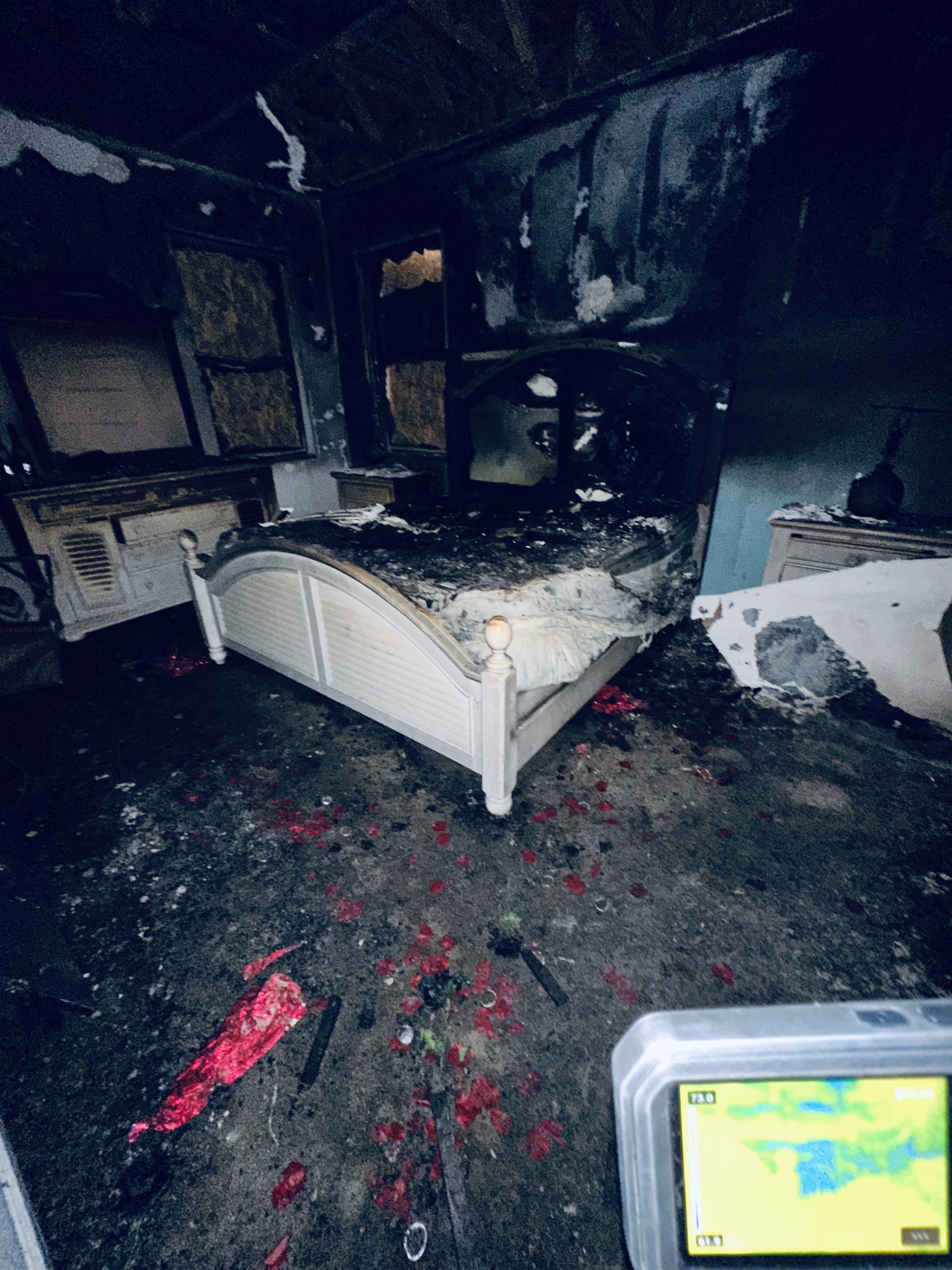
A fire loss may include smoke migration, soot, odor, damaged contents, exposed openings, debris, and water from firefighting. Those conditions can require different methods and sequencing.
- Property protection
- Water extraction or drying
- Smoke and soot cleanup
- Odor source reduction
- Contents and documentation coordination
Insurance documentation support
Photos, emergency-service records, temporary-protection notes, affected-area descriptions, and restoration records can help organize communication. Hugo does not interpret policy coverage, and the carrier decides coverage and claim outcomes.
Official Sources and Further Reading
Use the linked agency page for the source's current public guidance. A source link does not replace property-specific professional judgment.
- U.S. Fire Administration. Prevent Fires (opens in a new tab)
Federal fire-prevention guidance for home fire risks and safety habits.
- NFPA. Smoke Alarms (opens in a new tab)
Smoke alarm education and home fire safety information from NFPA.
- U.S. Fire Administration. Home Fire Safety (opens in a new tab)
Federal home fire safety, prevention, and escape-planning guidance.
Related restoration guides
 Fire Damage
Fire and Smoke Damage Cleanup: What To Expect
What happens after a fire, why smoke and soot need careful handling, and when board-up or water mitigation may come first.
Published by Hugo Fire & Water Restoration
 Emergency Board-Up
Why Board-Up Matters After Fire Damage
Board-up helps secure the property and prevent additional weather or security problems.
Published by Hugo Fire & Water Restoration
 Insurance Claims
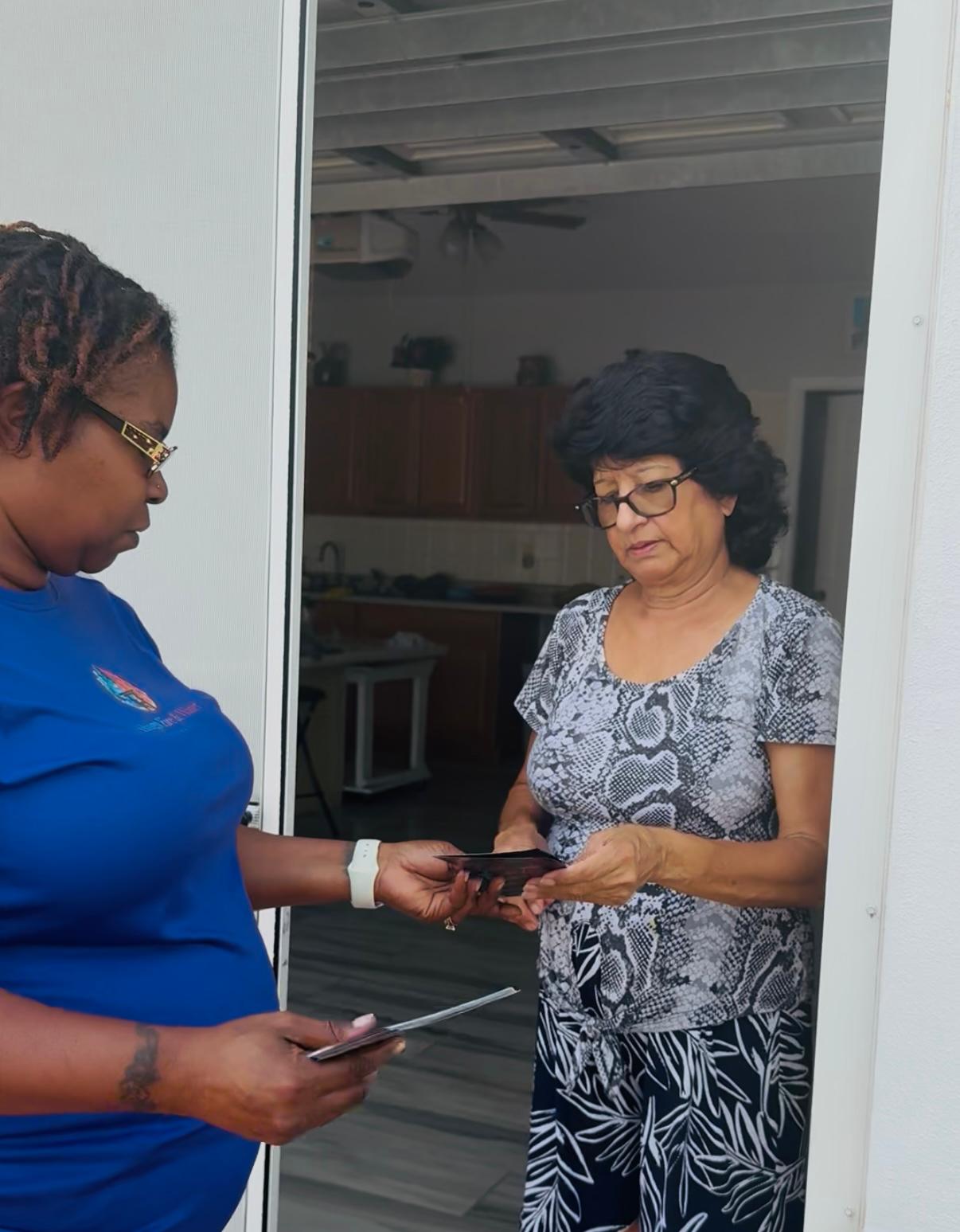
What Documentation Helps a Restoration Insurance Claim?
Photos, moisture readings, scope notes, and communication records can help clarify the loss.
Published by Hugo Fire & Water Restoration