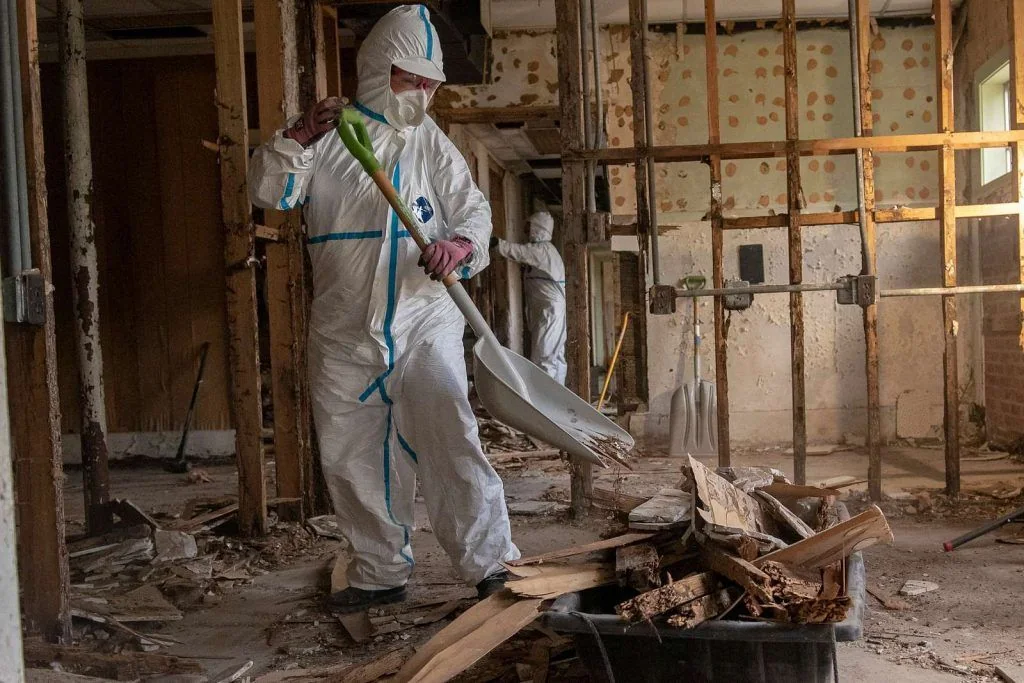
Smoke Cleanup Response
Review. Test. Clean. Document.
A careful plan follows where smoke traveled, how residue behaves, which materials were affected, and what work is authorized.
Hugo Fire & Water Restoration provides smoke residue and soot cleanup, odor-source work, surface cleaning, air-filtration support, contents review, and restoration documentation throughout Central Florida.
For active fire, structural danger, gas odor, electrical hazards, or medical emergencies, call 911 first and follow emergency-authority instructions.
Smoke Cleanup Response
Review. Test. Clean. Document.
A careful plan follows where smoke traveled, how residue behaves, which materials were affected, and what work is authorized.
Professional smoke and soot cleanup begins with safe access, a review of visible residue and likely pathways, and cleaning trials on representative materials. The work plan may connect source removal, surface cleaning, air-filtration support, contents decisions, odor work, and documentation without assuming every room or material needs the same method.
Hugo's verified 15-minute dispatch process begins dispatch coordination after intake. It is not an arrival-time guarantee; safety, location, access, weather, demand, and crew availability affect timing.
Safety instructions and access restrictions come first. These steps help protect people, preserve useful records, and avoid spreading residue while you wait for a professional review.
Smoke can travel beyond the burned room and settle on surfaces, contents, and materials with different finishes and porosity. The work plan changes with the residue, pathway, material, access, and cleaning response.
Light, powdery residue may spread or embed when it is wiped with the wrong pressure or material. The surface and a representative cleaning trial guide the approach.
Heavier or oily residue may smear across finished surfaces. Cleaning decisions depend on what burned, the finish, porosity, and test results.
Cooking-related fires can leave a thin film and persistent odor even when heavy soot is not obvious. Broad cleaning should follow a material-aware test.
Many losses involve more than one burned material and more than one residue behavior. A single cleaning method may not fit every room or item.
Visible burn damage is only one part of the loss. Cleanup boundaries are based on observed conditions, likely movement paths, representative testing, and the authorized scope.
Paint, coatings, drywall paper, unfinished wood, and decorative finishes can react differently to residue and cleaning.
Hard surfaces, grout, resilient flooring, wood, laminates, and cabinet finishes may need separate trials and handling decisions.
Upholstery, soft goods, electronics, documents, artwork, and household belongings may require individual review or specialty referral.
Smoke can move through doorways, penetrations, attic paths, wall and ceiling openings, shafts, and pressure differences.
Returns, supply paths, closets, and nearby surfaces may need review. HVAC inspection or work can require a separate qualified specialist.
Visible flame damage does not define the full cleanup boundary. Odor and residue can reach rooms away from the fire area.
Available work depends on safe access, observed conditions, materials, customer authorization, and specialist needs. Hugo does not treat every smoke loss or surface the same.
Visible patterns, affected rooms, likely movement paths, contents, materials, and access conditions are documented before broad cleaning.
Authorized surfaces are approached according to residue behavior, material, finish, access, and representative cleaning results.
Affected source materials and residues are addressed before or alongside condition-appropriate odor work.
Learn moreFiltration may support the cleaning plan when conditions call for it, but it does not replace source removal or surface cleaning.
Photographs, item notes, cleaning-feasibility review, handling, deodorization, and specialty referrals may be coordinated when applicable.
Learn moreHugo can document visible concerns and help coordinate qualified HVAC evaluation when affected systems or pathways require separate attention.
Photos, affected-area notes, residue observations, authorized work, equipment records, contents notes, and progress details support an organized file.
Learn moreWhen a smoke loss also involves fire damage or suppression water, Hugo can connect cleanup with the applicable restoration work.
Learn moreA careful review follows the source, likely pathways, and affected materials. The work stays within the services authorized for the property and separates concerns that need another qualified professional.
Equipment and methods are selected after the property conditions are reviewed. Ask the project team which options apply to your property and authorized scope.
Visible patterns and likely movement paths help define which rooms, surfaces, openings, and contents deserve closer review.
Paint, unfinished wood, metal, masonry, flooring, fabric, electronics, and other materials do not respond to the same cleaning approach.
A representative trial helps show whether a method lifts, smears, damages, discolors, or leaves unacceptable residue.
Structural, electrical, gas, HVAC, environmental, and specialty-content concerns are routed to qualified parties when needed.
The exact sequence changes with access, damage, residue, materials, contents, water, authorizations, and specialist needs. These are the practical decision points customers can expect.
The crew follows current access restrictions and identifies conditions that require emergency, utility, structural, HVAC, or other specialist support.
Rooms, surfaces, contents, openings, odor observations, and likely movement paths are reviewed and photographed when authorized.
Cleaning trials help show how a residue and finish respond before the same method is used more broadly.
Cleaning, affected-material decisions, contents work, filtration support, odor work, and specialist handoffs are separated into clear next steps.
Work progresses by area and material so residue is not needlessly moved into cleaner spaces or pushed deeper into surfaces.
The team records applicable work, remaining conditions, customer communication, and the next restoration or specialist handoff.
Deodorization works best as part of a plan that addresses affected source materials and residue. Masking odor does not resolve the underlying condition.
Owners can protect people, preserve records, and avoid spreading residue. Cleaning choices should wait until the residue, pathway, material, and hazards are understood.
Safe owner action
Leave it undisturbed and photograph only when safe.
Professional plan
Review residue and material behavior, then use representative cleaning trials.
Safe owner action
Ventilate only when authorities permit and conditions are safe; do not mask odor with fragrance.
Professional plan
Trace likely sources and pathways, clean affected materials, and add filtration or deodorization when appropriate.
Safe owner action
Avoid moving affected items through clean rooms or discarding them before documentation.
Professional plan
Photograph, note, separate, and review items for cleaning, handling, or specialty referral.
Safe owner action
Keep affected equipment off until a qualified party permits use.
Professional plan
Document visible concerns and coordinate a separate qualified evaluation when needed.
These Hugo project photographs show actual damage and cleanup work. They are not presented as a matched before-and-after series or as a promise of identical results.
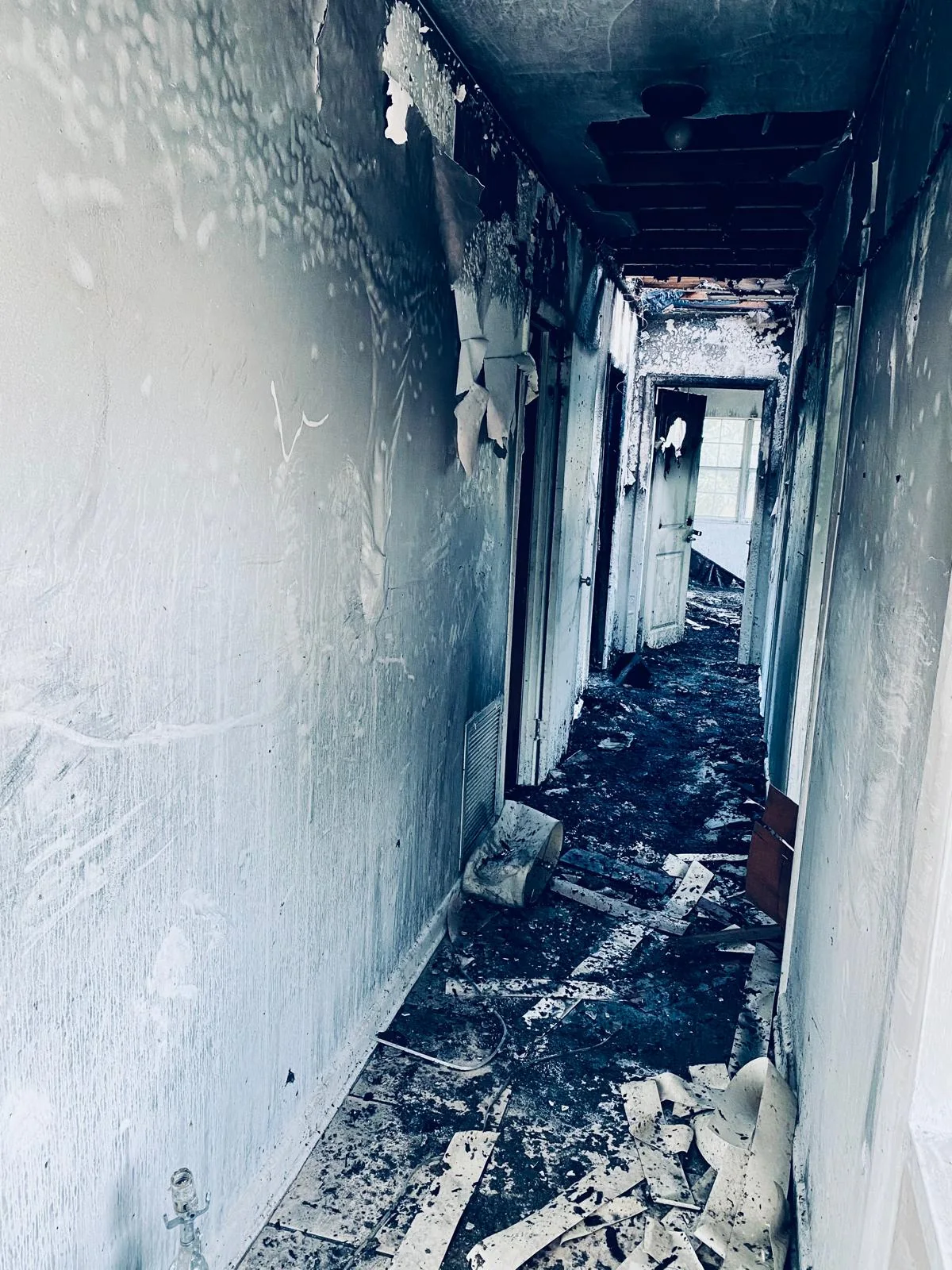
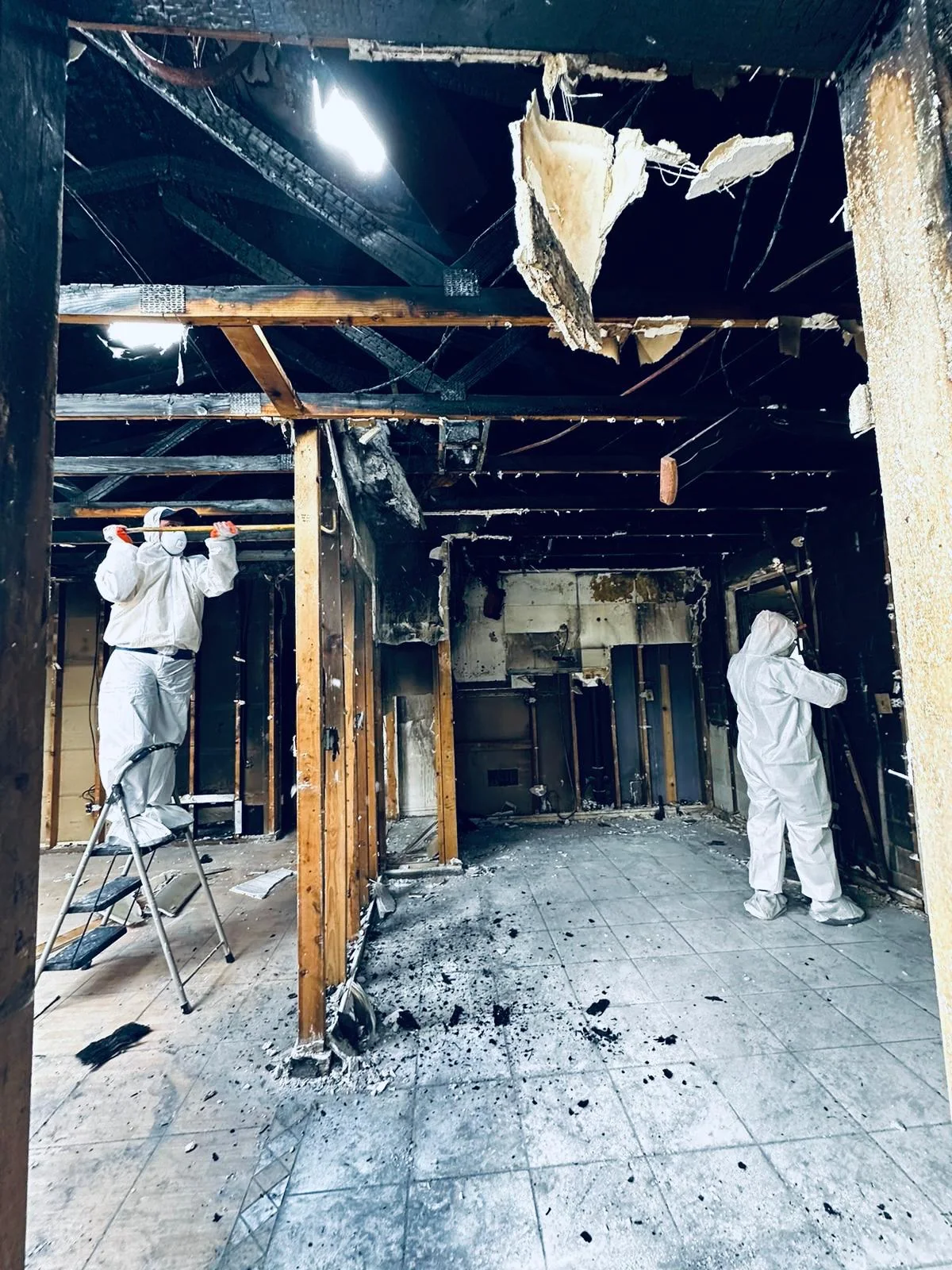
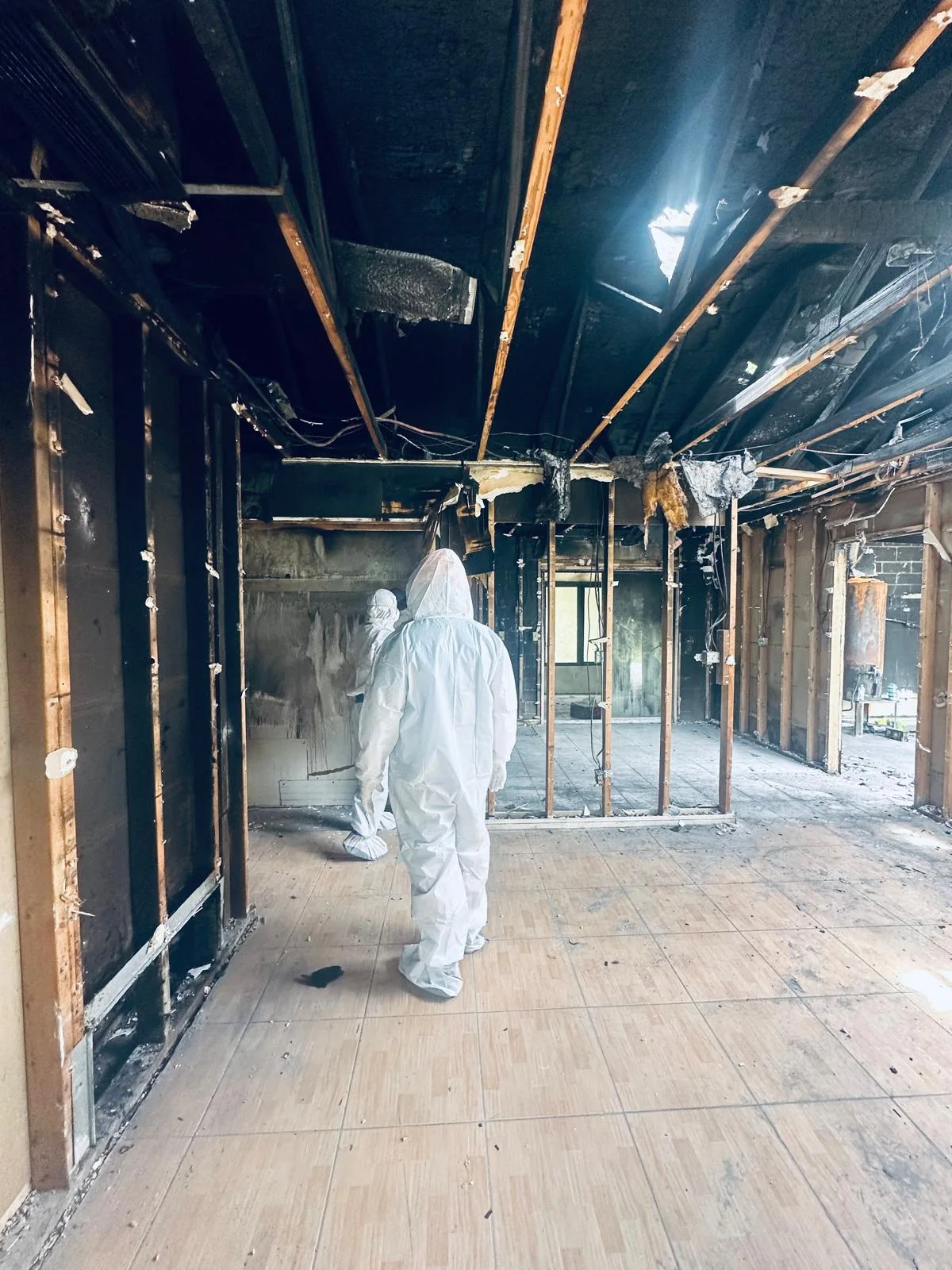
Hugo is based in St. Cloud and accepts property-damage requests across eight Central Florida counties. Service timing and availability depend on safety, access, location, weather, demand, and crew availability.
Each property type brings different access, contents, occupancy, decision-maker, and work-sequencing needs.
Hugo accepts smoke and soot requests for single-family homes, condos, apartments, rental properties, and vacation rentals. Access, occupants, ownership, contents, and authorization affect the plan.
Review residential restoration helpOffices, retail spaces, restaurants, warehouses, multi-unit properties, and managed facilities may need area-by-area documentation, authorized contacts, and work sequencing around unaffected operations.
Review commercial restoration helpHugo keeps the cleanup conversation practical: what the team can verify, what the property needs next, and when another qualified professional should be involved.
Hugo's public company line accepts property-damage requests every day and night.
Customers can request current company licensing and insurance documentation when comparing providers.
Hugo has IICRC-certified technicians. This is a technician credential, not a business-level designation.
Hugo is based at 4551 Hunting Lodge Dr, Saint Cloud, Florida 34772.
Phone support is available in English and Spanish through the emergency intake process.
Structural, electrical, gas, HVAC, environmental, and other specialist work is separated from the restoration scope when needed.
Applicable records describe observed conditions, authorized work, progress, contents, equipment, customer communication, and remaining next steps without deciding insurance coverage or payment.
Insurance coverage, payment, and claim decisions are determined by the applicable carrier and policy. Hugo provides restoration documentation and claims assistance but cannot guarantee coverage, approval, payment, or reimbursement.
Downloadable one-page guides for safe first steps, photographs, and records. They do not replace instructions from emergency authorities or permission to enter the property.
Straight answers about safe first steps, residue, odor, HVAC pathways, contents, timing, cost, documentation, and 24/7 intake.
Call 911 for active danger, follow emergency instructions, and do not enter until access is permitted. Keep affected HVAC equipment, utilities, appliances, and electronics off until a qualified party permits use. Avoid wiping soot, photograph only when safe, and call Hugo after immediate hazards are controlled.
Avoid household cleaning before the residue and surface are reviewed. Dry, oily, protein-related, and mixed residues can respond differently, and the wrong method can smear, embed, or spread soot. Representative cleaning trials help guide broader work.
Yes. Smoke and odor can move through doorways, halls, openings, attics, closets, shafts, pressure differences, contents, and porous materials. The visible fire area may not define the full cleanup boundary.
Smoke residue and odor may reach returns, supply paths, closets, and nearby surfaces. Keep affected equipment off until a qualified party permits operation. HVAC concerns may require a separate inspection or qualified specialist.
Odor can return when residue, affected source material, contents, debris, or a hidden pathway remains. Surface fragrance or deodorization alone does not replace source removal and cleaning. Results depend on the materials, access, residue, and authorized scope.
Source removal, surface cleaning, filtration, contents work, and condition-appropriate deodorization can often reduce or remove smoke odor. Complete removal cannot be guaranteed because results depend on the residue, materials, pathways, access, heat, water, and scope.
Cleaning feasibility depends on the item's material, residue, heat and water exposure, safety, available process, and customer authorization. Some belongings may be cleaned, some may need specialty handling, and some may not be restorable. Hugo can support photographs, notes, handling, and referrals.
There is no universal timeline. Safe access, property size, smoke spread, residue behavior, affected materials, contents, water, hazards, authorizations, specialist needs, and the cleaning response all affect the sequence and duration.
Cost depends on the affected area, residue, materials, contents, access, water, hazards, testing, authorized work, and specialist needs. Hugo reviews the property conditions and scope before providing project-specific information.
Yes. Hugo can organize applicable photos, affected-area and residue observations, representative cleaning notes, contents information, equipment records, authorizations, progress details, and specialist handoffs. The carrier and policy determine coverage and payment.
Yes. Hugo accepts authorized requests for offices, retail spaces, restaurants, warehouses, managed properties, and multi-unit facilities. Commercial work may require area-specific documentation, phased access, stakeholder coordination, and protection of unaffected operations.
Yes. Hugo's public phone line accepts property-damage requests 24/7. The verified 15-minute dispatch process begins coordination after intake; it is not an arrival-time promise. Safety, location, access, weather, demand, and crew availability affect timing.
Use these public sources for fire prevention, smoke alarms, and home-fire safety. Online guidance does not replace instructions from the fire department, utilities, medical professionals, or other authorities at the property.
Smoke and soot conditions can overlap with fire damage, odor, contents, water, drying, exposed openings, and restoration records.
Property protection, fire cleanup, smoke and soot work, suppression-water mitigation, contents, and documentation.
Review serviceSource review, cleaning, filtration support, and condition-appropriate deodorization planning.
Review servicePhotographs, item notes, handling, cleaning-feasibility review, deodorization, and specialty referrals.
Review serviceRemoval of accessible water when smoke damage also involves firefighting water or another water source.
Review serviceMoisture readings, air movement, dehumidification, monitoring, and drying records when materials are wet.
Review serviceTemporary protection for approved, accessible windows, doors, walls, storefronts, and openings.
Review serviceRestoration records and claims assistance without coverage, payment, reimbursement, or approval promises.
Review serviceThe public 24/7 intake path for active property-damage requests after immediate hazards are controlled.
Review serviceShare the service address, access status, affected rooms, visible residue, odor, contents, and any water or exposed-property concerns you can safely observe.
For active fire, gas odor, structural danger, electrical hazards, or medical emergencies, call 911 first. Dispatch coordination begins within 15 minutes after intake; arrival time is not guaranteed.