Updated May 31, 2026
Fast Answer: How Long Does Water Damage Restoration Take?
For this kind of property damage, the safest path is to protect people first, avoid unsafe areas, document what you can from a safe position, and call Hugo Fire & Water Restoration for Central Florida restoration help when damage is active or spreading.
Water damage restoration can move quickly when the source is stopped early, materials are accessible, and drying starts right away. Some jobs may need only extraction and several days of drying. More complicated losses can take longer if water reached hidden cavities, cabinets, insulation, multiple floors, or contaminated materials.
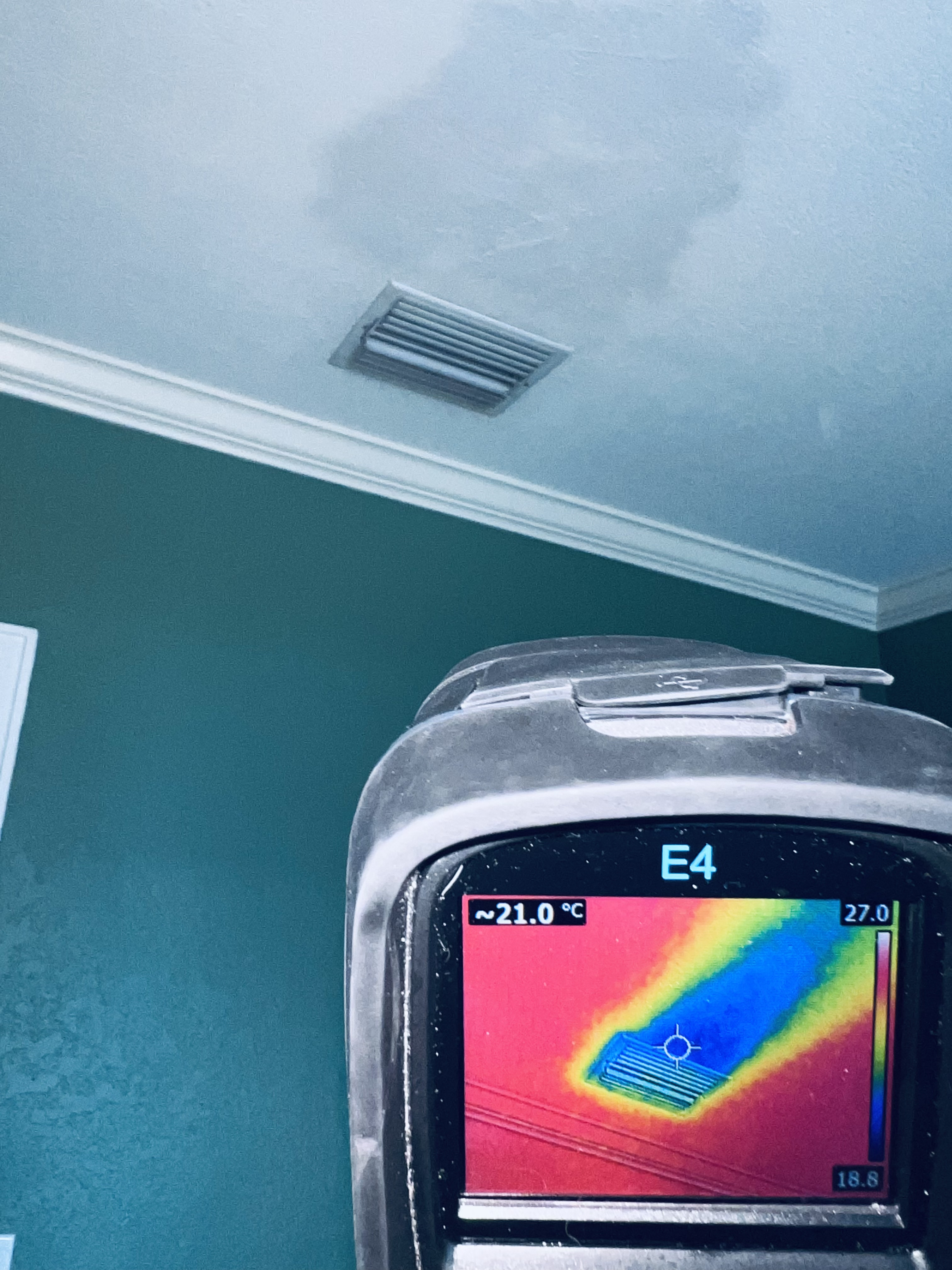
The first phase is emergency intake and safety review. The next steps usually include source control if possible, water extraction, moisture checks, equipment placement, drying updates, cleanup, and documentation.
Common Timeline Factors
- How long the water was present before help arrived.
- Whether the water source is clean, gray, storm-related, or contaminated.
- Which materials are wet and whether they can dry in place.
- Indoor humidity, air movement, and temperature.
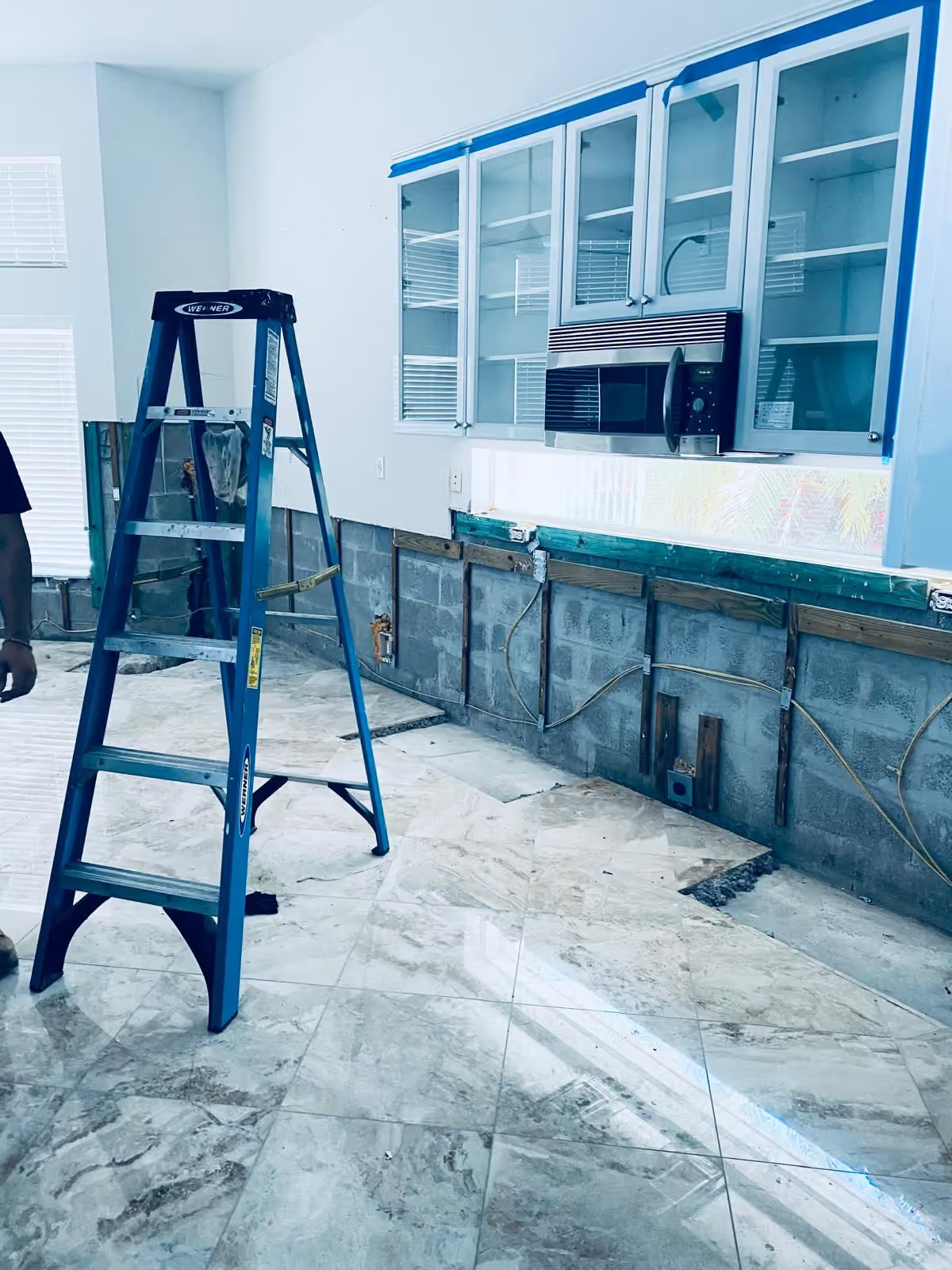
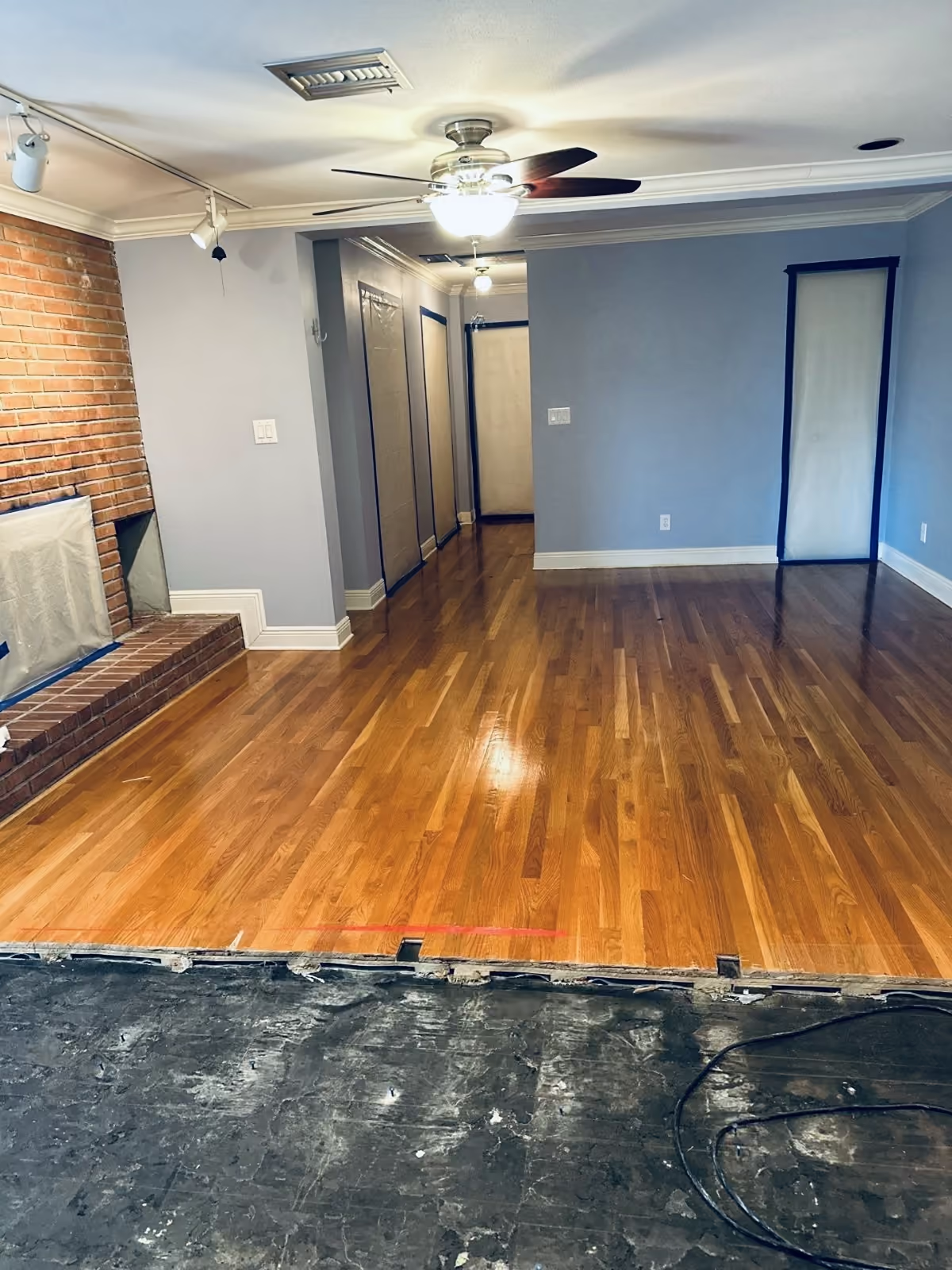
- Whether flooring, trim, cabinets, drywall, or insulation must be removed.
- Whether insurance documentation, photos, or drying logs are needed.
What You Can Do Early
Avoid unsafe rooms, stop the source only if it is safe, and keep people away from wet electrical areas. Take photos from a safe position before cleanup changes the scene. Save receipts and write down when the damage was discovered.
If water damage is active in Central Florida, call first. A phone call helps route the emergency faster than a form when materials are still getting wet.
Why This Matters in Central Florida
Central Florida homes, rental properties, and commercial buildings can face fast-changing conditions after property damage. Heat, humidity, storm activity, aging plumbing, roof openings, and occupied buildings all affect how quickly damage can spread. The practical goal is not to guess the full repair scope on day one. The first goal is to make the situation safer, reduce continued damage, and document what happened while details are still fresh.
For how long does water damage restoration take, the most useful early information is the damage source, affected rooms, visible safety hazards, standing water or contamination, odors, and whether the property is exposed to weather. That information helps restoration teams route the request and helps property owners keep a clearer record for follow-up conversations.
First Actions to Take
Stop the water source only if it is safe, move valuables from affected areas, avoid electrical hazards, and call before moisture spreads into hidden materials.
Do not enter unsafe rooms, touch contaminated materials, or move through water near electrical equipment. If active danger exists, call emergency services first. Once the immediate safety issue is addressed, call (888) HUGONOW and keep your phone nearby so the team can ask intake questions about the property, location, service needed, and urgency level.
- Photograph damage from a safe position before moving materials.
- Write down when the issue was discovered and what changed after discovery.
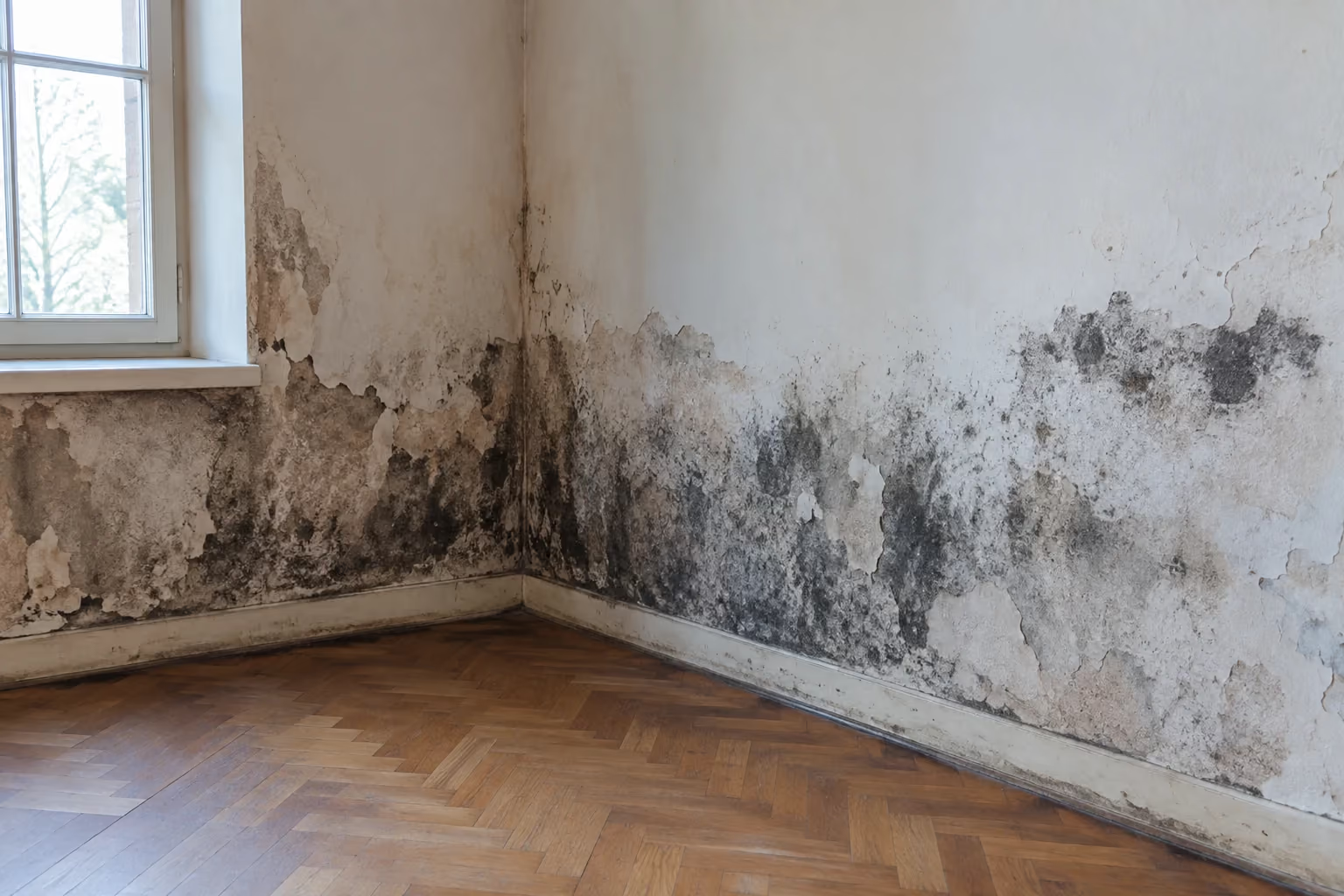
- Avoid using fans on contaminated, mold, or smoke-related damage unless advised.
- Save receipts, invoices, and notes from emergency protection work.
What Restoration Documentation Should Capture
Good documentation connects the visible damage to the mitigation steps. Depending on the event, documentation may include standing water, wet building materials, humidity, plumbing failures, appliance leaks, and storm-related intrusion. The record should be organized enough that a homeowner, property manager, adjuster, or restoration coordinator can understand what was affected and what emergency actions were taken.
Insurance information on the site is general and does not guarantee coverage, reimbursement, claim approval, or policy interpretation. Still, clean documentation can reduce confusion because it creates a timeline of conditions, decisions, emergency services, and next steps.
When to Call Instead of Waiting
Call immediately when damage is active, spreading, contaminated, smoky, creating odors, exposing the property to weather, or affecting ceilings, walls, flooring, cabinets, electrical areas, or HVAC pathways. Waiting can make the scope harder to understand because materials continue absorbing moisture, smoke odors settle, and contamination can move into adjacent areas.
For emergency restoration support in Central Florida, the primary action is a direct call to (888) HUGONOW. Forms are useful for follow-up details, but the phone path is the fastest route when property damage is active.
What To Do Next
Stop the source only if it is safe.
Keep people away from unsafe, wet, smoky, or contaminated areas.
Call a restoration professional quickly and document visible damage from a safe position.
Common Questions
+What is the first thing to do?
Prioritize life safety, call 911 for immediate hazards, then call the restoration number once the property situation is safe enough to discuss.
+Should I document the damage?
Yes, take photos and notes from a safe position before moving materials when possible.
+Can restoration documentation support insurance?
Documentation can support communication with a carrier or adjuster, but coverage and claim outcomes are not guaranteed.