Commercial Property Restoration in Central Florida
Based in St. Cloud, Hugo Fire & Water Restoration helps Central Florida businesses respond to water, fire, mold, storm, and other property damage with mitigation, cleanup, temporary protection, structural drying, and documentation support.
For fire, electrical danger, structural collapse, hazardous conditions, or another immediate life-safety emergency, call 911 first and do not enter an unsafe area.
Verified commercial project image
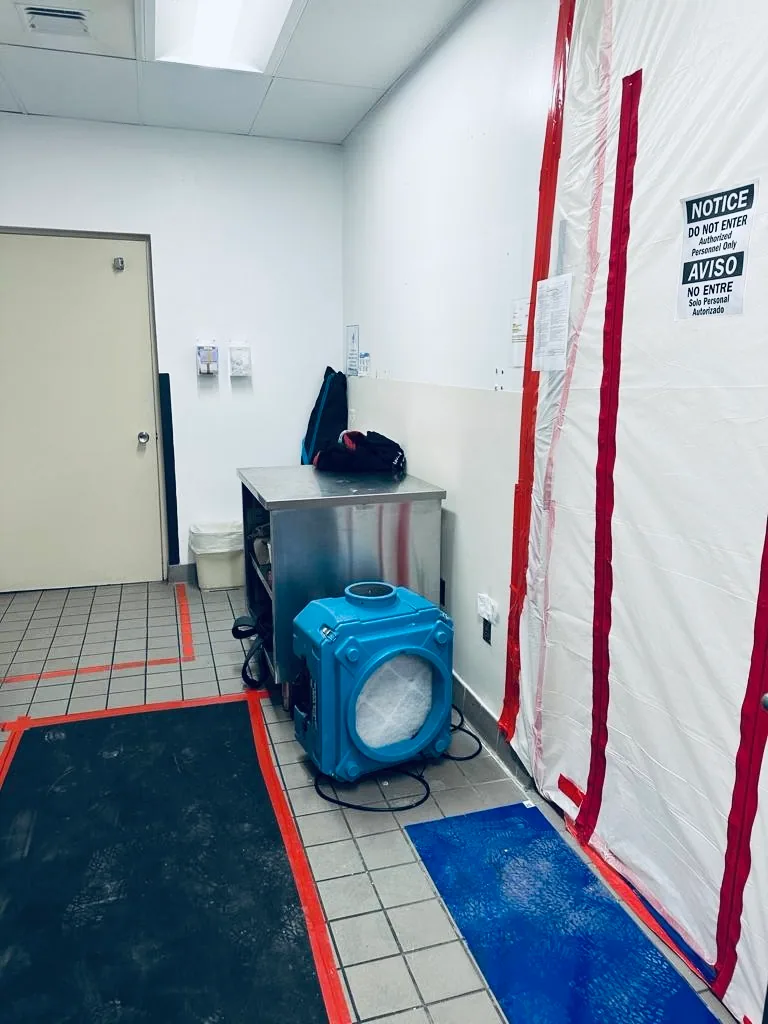
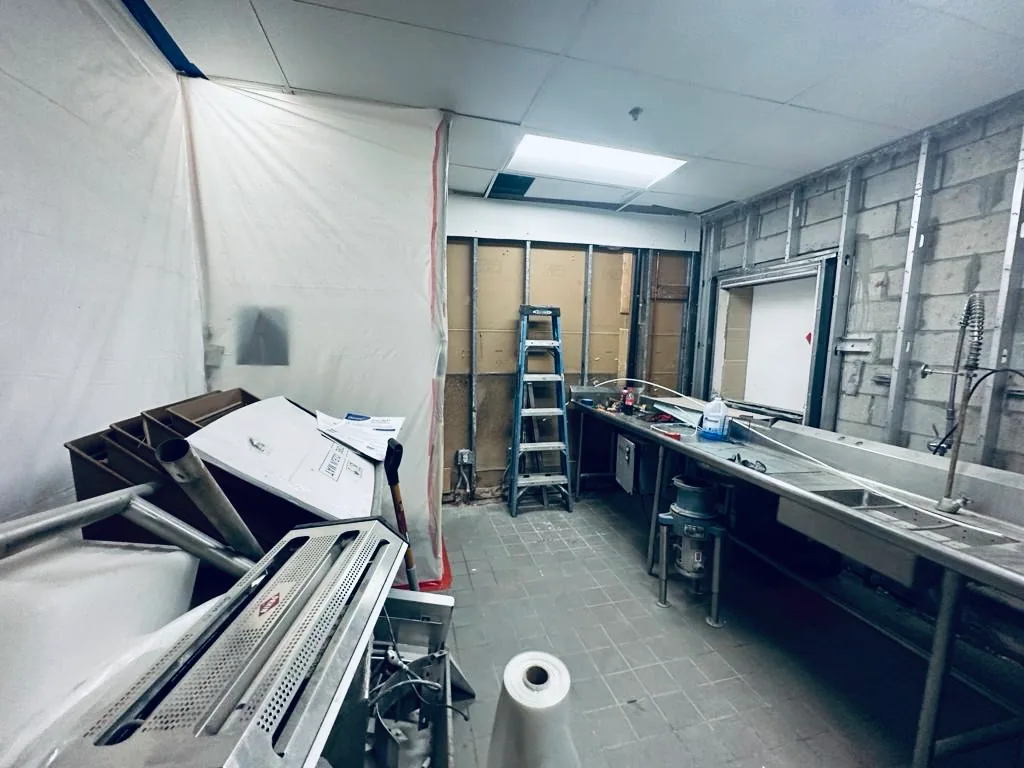
Containment and drying equipment documented during commercial water mitigation.
Open 24 hours
Licensed and insured
FL Licensed Mold Remediator MRSR5171
IICRC-certified technicians
St. Cloud based
English and Spanish-speaking team
At a Glance
Commercial restoration help, organized around the property
Start with life safety, active conditions, access, and the people or operations affected. You do not need to know the right restoration terms before calling.
Who provides commercial restoration services in Central Florida?
Hugo Fire & Water Restoration provides commercial water, fire, mold, storm, board-up, roof-tarping, structural-drying, cleanup, and damage-documentation support from its St. Cloud base across Central Florida.
What should I do after commercial property damage?
Address life safety first, call Hugo, and share the property type, affected areas, access restrictions, and how operations are being disrupted.
Call 911 first for immediate life-safety danger. Stay out of unsafe areas and share only what can be observed safely.
Commercial Services
Route the damage to the right restoration service
One commercial property loss can involve several services. Choose the primary damage type, or call and describe what is active now.
Commercial Water Damage
Water extraction, affected-area review, controlled removal when needed, and drying support for commercial spaces.
The exact scope depends on site conditions, authorization, safety, and the services required. These steps show how the response can be organized.
11
Emergency intake and life safety
Call 911 first for immediate danger. Then share the address, damage type, active conditions, and safe site contact.
22
Authority, access, and operations review
Confirm who can authorize work, how crews can enter, operating hours, restricted areas, and who needs updates.
33
Affected-area and damage assessment
Organize the site by affected area, occupancy, floor, tenant, business function, and visible conditions.
44
Mitigation and temporary protection
Complete approved extraction, containment, cleanup, board-up, roof tarping, or other temporary protection as conditions require.
55
Drying, cleaning, and progress documentation
Track applicable work, site conditions, moisture or drying information, photographs, and progress notes.
66
Restoration planning and communication
Keep authorized contacts informed and organize next-step restoration information without promising claim or reopening outcomes.
Business Interruption and Access
Share what must stay protected, accessible, or informed
Commercial work planning can account for site contacts, operating hours, restricted zones, occupants, deliveries, records, inventory, and equipment. Reopening and business-continuity outcomes cannot be guaranteed.
Authorized owner, manager, facility, and insurance contacts
Temporary closures, restricted zones, and communication needs
Insurance documentation support
Hugo can organize applicable restoration records for owners, managers, facility contacts, and insurance communication. Coverage, reimbursement, approval, policy interpretation, and claim decisions are determined by the insurance carrier.
Moisture readings and drying records when applicable
Mitigation, cleanup, and material-removal records
Board-up, roof-tarping, and temporary-protection notes
Authorized contacts and project communication records
Central Florida Coverage
Commercial restoration help from Hugo's St. Cloud base
Use the county and city links below for local restoration details, or view the full service-area directory. Call to confirm service for the exact property address.
Answers for owners, managers, and facility contacts
These answers cover first-call details, access planning, service coordination, documentation, coverage, and immediate safety.
Hugo can support restoration requests for offices, retail spaces, restaurants, warehouses, hotels and lodging, multifamily and managed properties, community facilities, and other commercial or operational spaces.
Share the property address and type, affected areas, whether the damage is active, life-safety concerns, access restrictions, operating hours, business disruption, and the authorized site contact.
Tell the team which areas remain occupied or operational, which zones are restricted, and what access or scheduling limits apply. Work planning depends on site conditions, authorization, and safety.
It can. Depending on the conditions, commercial water work may include extraction, affected-material review, controlled removal, drying equipment, monitoring, and applicable drying documentation.
Yes. A commercial fire loss can involve smoke and soot cleanup, odor work, debris, firefighting-water extraction, drying, contents coordination, board-up, and damage documentation.
Hugo can provide temporary board-up or roof-tarping support for safe, accessible, and authorized openings while permanent repairs are planned.
Start by identifying the authorized contacts, update recipients, access rules, affected areas, tenants or occupants, and the information each stakeholder needs. Communication needs can then be organized around the project.
Applicable records can include project photographs, affected-area notes, moisture or drying information, mitigation and cleanup records, temporary-protection notes, authorized contacts, and project communications.
No. Hugo provides Insurance documentation support, but coverage, reimbursement, approval, policy interpretation, and claim decisions are determined by the insurance carrier.
When conditions and authorization allow, the affected property can be organized by area, occupancy, floor, tenant, business function, and risk so work and access needs are easier to coordinate.
Hugo serves Osceola, Polk, Brevard, Orange, Lake, Sumter, Volusia, and Seminole counties from its St. Cloud base.
Call 911 first for fire, electrical danger, structural collapse, hazardous conditions, or another immediate life-safety emergency. Do not enter an unsafe area to inspect damage or complete a form.
Request Commercial Help
Share the property, damage, access, and operations details
For the fastest response to active damage, call first. The form uses Hugo's existing secure lead process and does not require private policy documents.
Plan restoration around people, access, and business operations
Commercial property damage can affect occupants, equipment, inventory, vendors, and business continuity at the same time. A useful first call identifies the hazard and the operational priority.
Reviewed by Hugo Fire & Water Restoration content team on 2026-07-31.
What should a commercial decision-maker prepare before calling?
Provide the property address, affected areas, known source, and restricted zones. Include the site contact, access rules, operating hours, and any activity that must remain separated from the damage.
Protect occupants and visitors
Keep people away from electrical hazards, unstable materials, active leaks, fire residue, and suspected contamination during the evaluation.
Mark restricted areas clearly
Share site-specific emergency contacts
Identify operational priorities
Explain which spaces support customers, production, records, utilities, or critical equipment so the conversation reflects actual business needs.
Name the most time-sensitive area
List access and shutdown restrictions
Create a factual record
Keep safe photos, incident times, affected-area notes, vendor contacts, and work authorizations together for consistent communication.
Use room or zone names consistently
Avoid guessing about insurance coverage
Plan restoration around people, access, and business operations: customer questions
Can work be discussed around an operating business?
Yes. Explain occupancy, hours, access, and separation needs so Hugo can discuss practical options for the specific property.
Who should authorize commercial restoration decisions?
The owner or designated property representative should identify the authorized contact before work decisions are made.