Broken Windows
Broken or missing glass may expose rooms to weather, debris, animals, sharp materials, and unauthorized access.
A broken window, damaged door, exposed storefront, fire opening, or impact-damaged wall can leave a property open to rain, debris, animals, and unauthorized access. Hugo provides temporary board-up for safely accessible openings at homes, rentals, managed buildings, and businesses throughout inland Osceola County while permanent repairs are arranged.
For active fire, structural collapse, downed power lines, electrical danger, gas odor, medical danger, or unsafe access, call 911 or the appropriate emergency authority first.
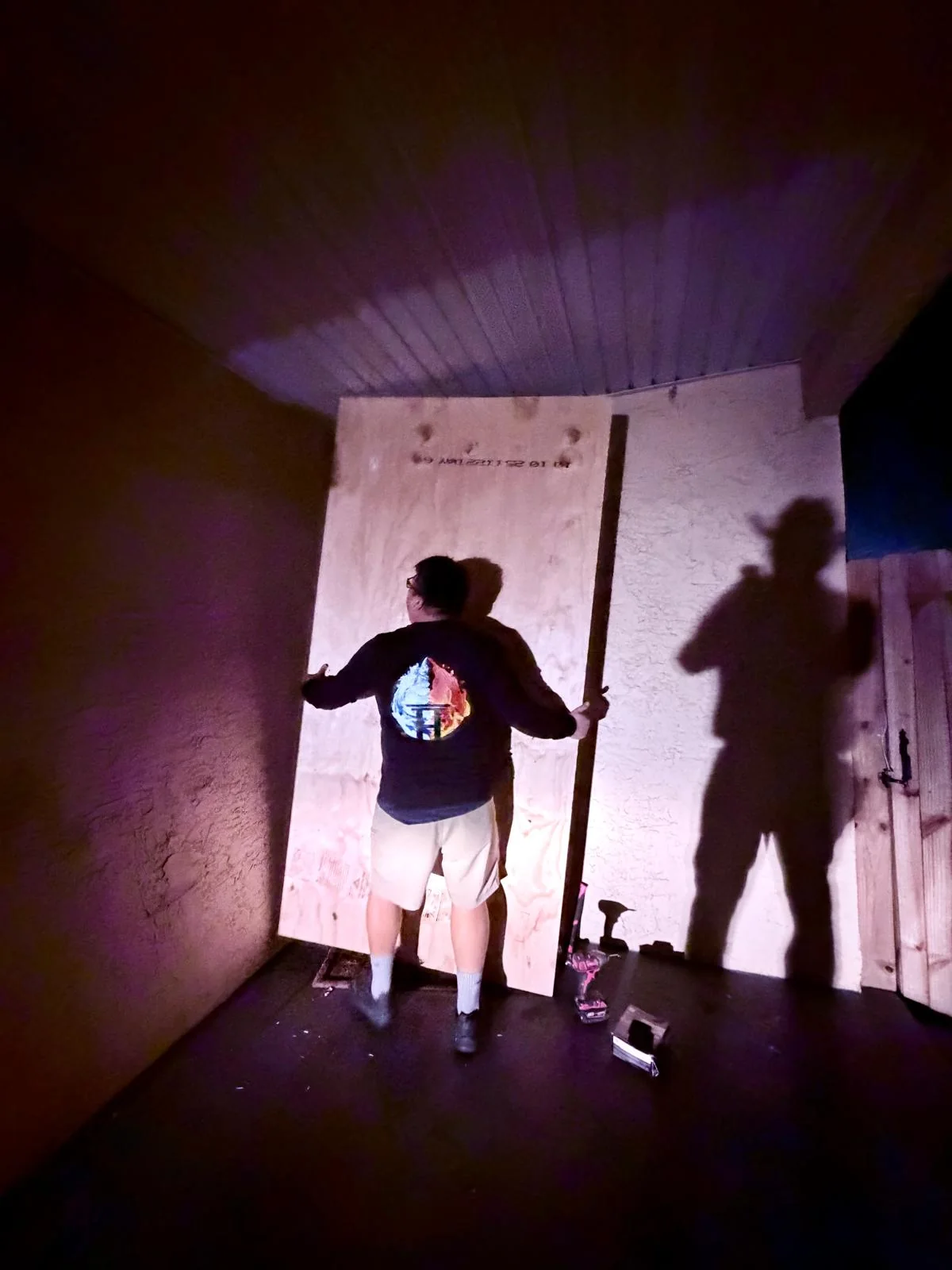
The 15-minute timeframe refers to beginning dispatch coordination after intake and is not a guaranteed arrival time.
Hugo Fire & Water Restoration provides 24/7 emergency board-up throughout Osceola County. The St. Cloud-based team can temporarily protect safely accessible broken windows, damaged exterior doors, storefronts, garage openings, fire-created openings, and impact-damaged walls while permanent repairs are coordinated. Board-up is temporary stabilization, not structural certification or permanent construction.
Call 24/7: (888) HUGONOWBoard-up may be appropriate when a safely accessible opening leaves a property exposed. The opening and surrounding hazards still need to be reviewed before temporary work begins.
Broken or missing glass may expose rooms to weather, debris, animals, sharp materials, and unauthorized access.
Impact, fire, break-in, or storm damage may prevent an exterior door from securing the property.
Fire damage or emergency-response access may leave windows, doors, walls, or other openings exposed.
Wind, debris, falling limbs, or impact may damage windows, doors, garage openings, and exterior surfaces.
Commercial glass, entry systems, and display openings may need temporary protection after access is authorized.
A vehicle impact may leave a garage, wall, exterior door, or storefront opening exposed.
Board-up may help secure a damaged access point after law-enforcement needs and safe access are addressed.
A temporary covering may be appropriate when cladding, wall materials, doors, or other large openings are damaged.
Stay away from unstable walls, broken glass, exposed electrical systems, smoke-damaged areas, and active fire conditions. Once immediate hazards are controlled, contact a restoration company to secure exposed windows, doors, walls, garage openings, or storefronts.
Emergency board-up is temporary property protection used to cover and secure damaged openings until permanent repair, replacement, or reconstruction can be completed by the appropriate qualified professional.
Some properties may require both board-up and roof tarping when multiple openings are present. Review roof-tarping help
The sequence moves from safety and authorization to temporary protection, documentation, and any needed restoration handoff.
Share the address, best callback number, property type, opening type, approximate size, current exposure, and immediate hazards.
Coordination begins through Hugo's verified 15-minute dispatch process. This is not an arrival-time guarantee; safety, access, roads, weather, location, demand, and crew availability affect timing.
The authorized contact confirms access, gate or tenant instructions, official restrictions, and whether emergency or utility personnel remain on site.
When access is permitted, the crew reviews visible openings, broken materials, attachment conditions, weather exposure, and surrounding hazards. This is not a structural inspection.
The proposed method reflects the opening, surrounding materials, safe attachment options, weather, security concerns, and authorized scope.
Temporary panels or other approved materials are installed where conditions permit. Board-up cannot promise complete weatherproofing or security against every intrusion.
Applicable photographs, opening details, temporary materials, access notes, authorizations, and completion conditions are organized for the restoration file.
Hugo explains related water, fire, storm, contents, tarping, or documentation needs and distinguishes them from permanent trade repairs.
Do not delay the call or enter an unsafe area to collect details. Share what you know from a safe place.
Access, authorization, work zones, occupants, guests, tenants, and documentation are coordinated with the property’s authorized contact.
Single-family homes, condos, townhomes, apartments, exterior doors, windows, garages, and fire- or storm-created openings may need temporary protection.
Storefronts, offices, hospitality buildings, retail spaces, and warehouses may add tenant, inventory, operating-hour, authorization, and work-zone needs.
Vacation rentals can require fast communication with an authorized owner or manager, plus guest, gate, vendor, and remote-documentation coordination.
Osceola County properties can be exposed by thunderstorms, tropical winds, debris, fire, impacts, or forced entry. The right response starts with the actual opening, hazards, access, and current weather—not assumptions based on coastal conditions.
Inland wind events and fast summer thunderstorms can break windows, damage doors, and push limbs or debris into exterior openings.
Fire damage or emergency access can leave windows, doors, walls, and other openings exposed after officials permit property access.
An impact can damage a garage, storefront, entry door, wall, or window and may require other qualified specialists before temporary work begins.
After law-enforcement needs are complete, temporary board-up may help protect an accessible damaged entry point while permanent repair is arranged.
Remote owners and managers may need authorization, gate, guest, parking, and vendor-access details coordinated before work can begin.
Commercial openings can involve tenants, inventory, operating hours, property managers, landlords, and safe work-zone planning.
Openings can admit wind-driven rain, and Central Florida humidity can complicate conditions when water reaches interior materials.
Trees, fencing, signs, roofing fragments, and other debris can create openings or make access unsafe until the hazard is controlled.
Board-up protects an opening temporarily. Water, fire, smoke, storm, roof, contents, or documentation needs may continue after the exposed area is secured.
Cleanup, smoke and soot work, odor control, firefighting-water mitigation, contents, and documentation may follow fire-related board-up.
Review this serviceWind, rain, debris, roof, siding, water, and multiple-opening damage may require coordinated mitigation after temporary protection.
Review this serviceRoof punctures and exposed roof decking require a different temporary-protection method from vertical board-up.
Review this serviceAccessible standing water may need removal when rain or firefighting water has already entered the property.
Review this serviceMoisture readings, air movement, dehumidification, and monitoring can support affected-material drying after water intrusion.
Review this serviceExposed belongings may need photographs, inventory notes, careful handling, cleaning-feasibility review, or specialty coordination.
Review this serviceTemporary-protection records can be organized alongside applicable photographs, observations, authorizations, and progress notes.
Review this serviceApplicable records can help the owner, manager, restoration team, and insurance contacts understand the opening, temporary work, related conditions, and remaining needs.
Insurance coverage, claim approval, payment, and reimbursement are determined by the applicable carrier and policy. Hugo can organize restoration documentation and claims-support records but cannot guarantee an insurance outcome.
These Hugo project images show temporary board-up work and exposed fire-damaged openings. The appropriate method still depends on safe access and property conditions.
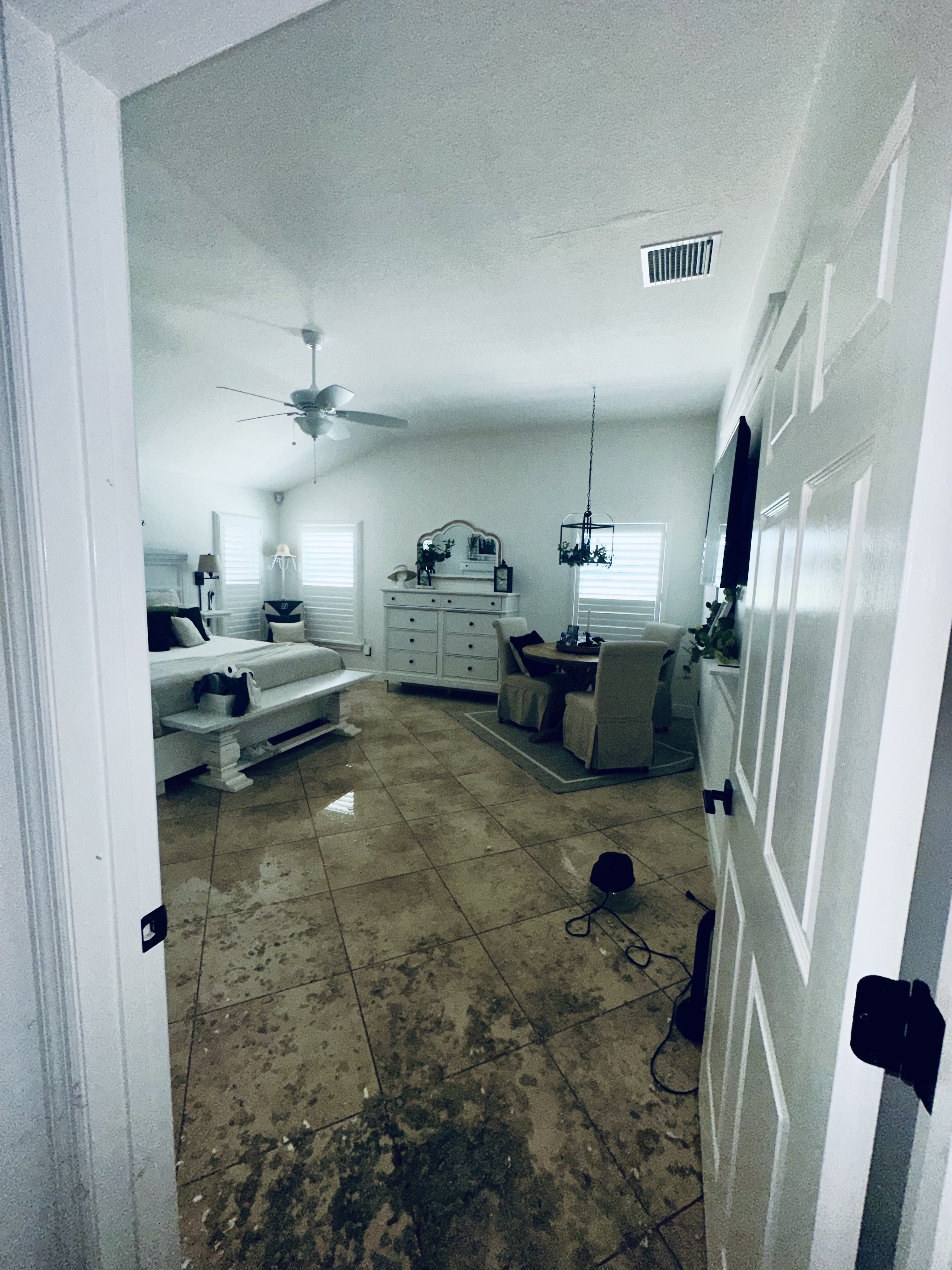
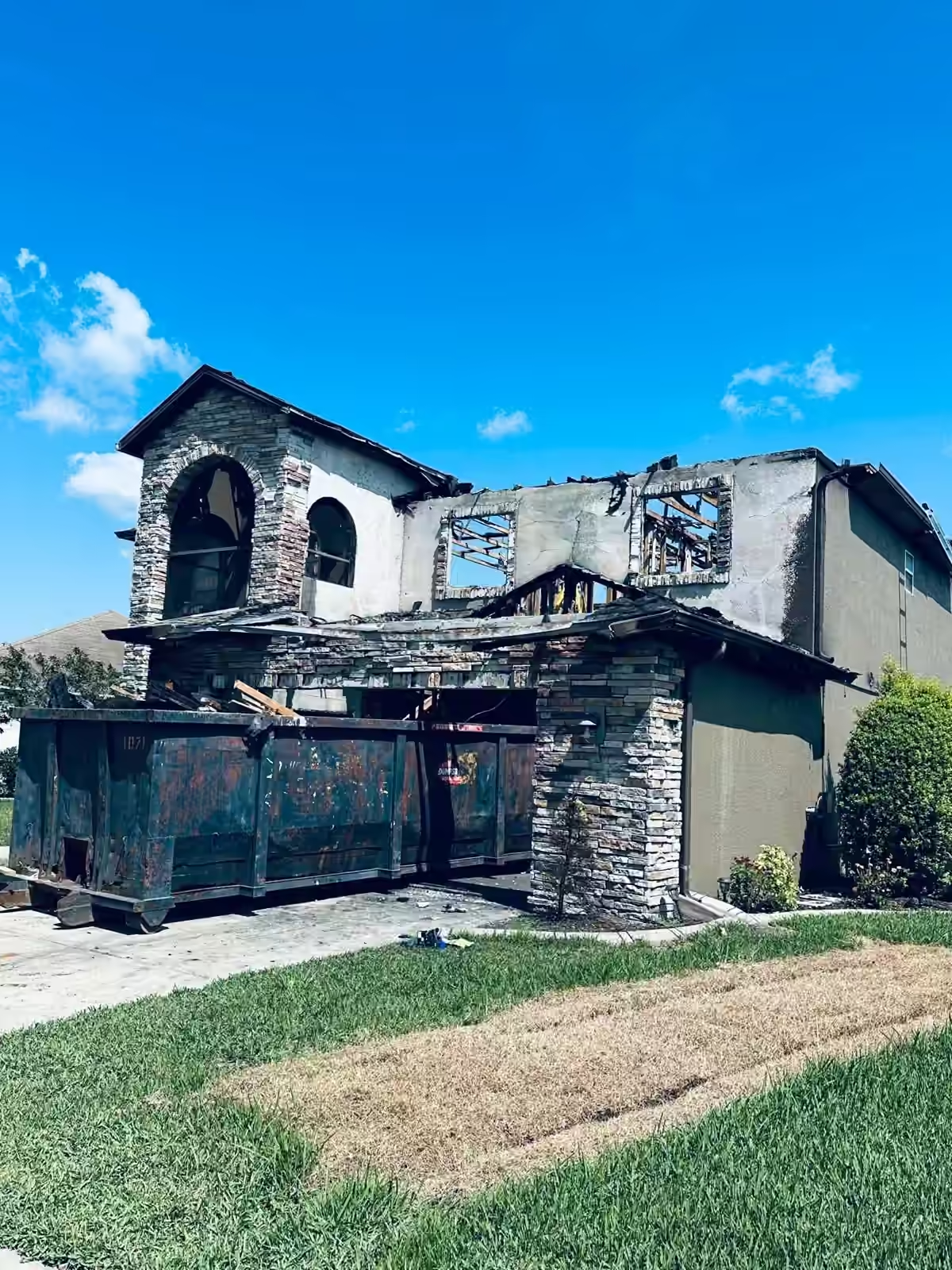
A responsible scope comes from the actual openings, hazards, access, materials, and authorization needs. A universal price cannot describe every property.
Hugo accepts authorized emergency requests from properties in Kissimmee, St. Cloud, Poinciana, Celebration, Buenaventura Lakes, Narcoossee, and nearby Osceola communities.
Homes, apartments, hotels, vacation rentals, restaurants, and storefronts can add guest, tenant, manager, and operating-hour considerations.
View Kissimmee servicesHugo's St. Cloud base supports emergency calls from residential, managed, hospitality, and commercial properties across eastern Osceola.
View St. Cloud servicesThe exact address and county jurisdiction help coordinate access and service near the Osceola-Polk line.
View Poinciana servicesManaged communities, hospitality properties, multifamily buildings, and remote owners may require coordinated authorization and access.
View Celebration servicesDense residential and rental areas can involve owners, occupants, managers, parking, and adjoining-property considerations.
View Buenaventura Lakes servicesGates, long approaches, acreage properties, and growing subdivisions can affect safe access and crew positioning.
View Narcoossee services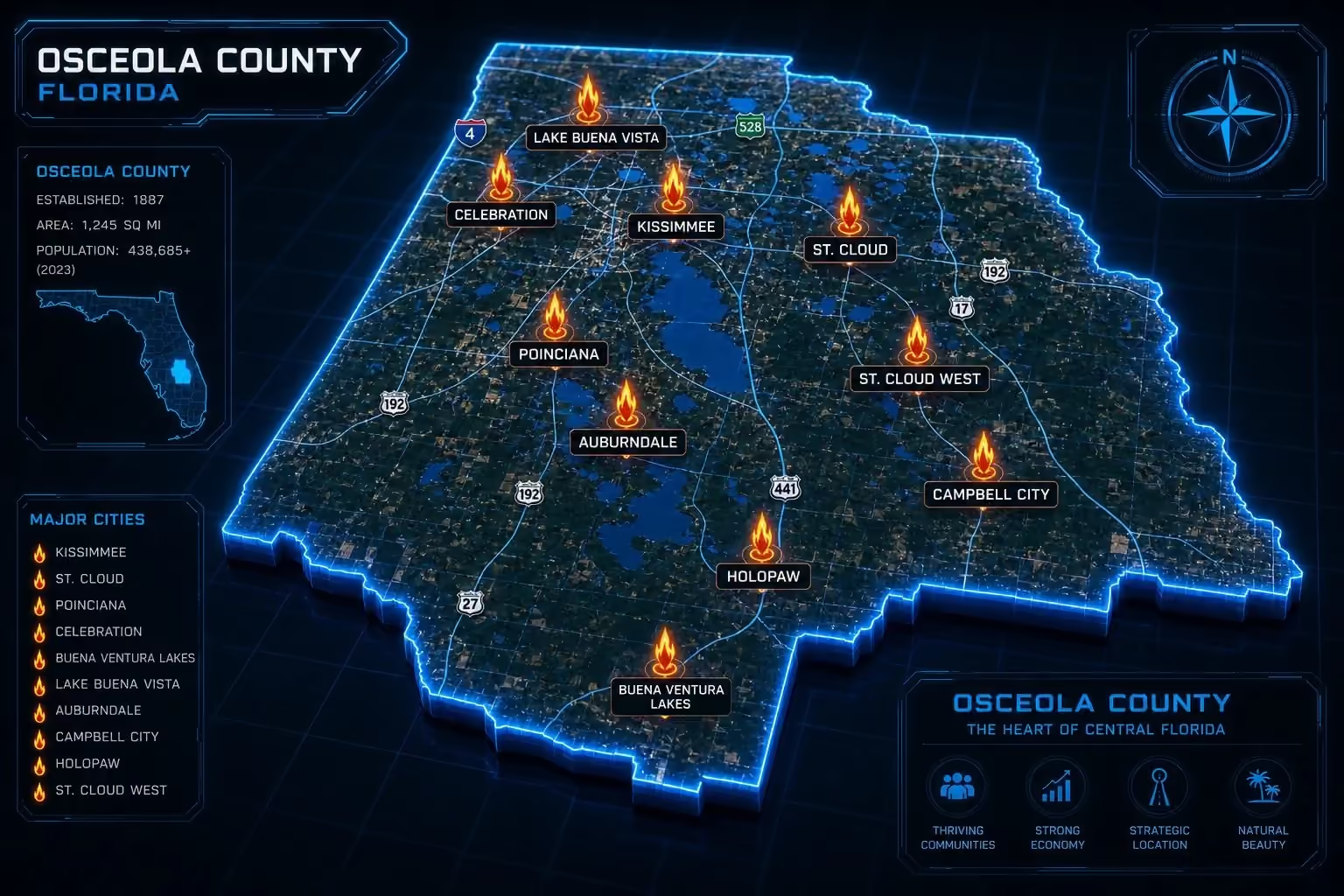
Customers can review current company details, understand what temporary protection covers, and receive clear handoff information for the work that remains.
Hugo's public phone line accepts active property-damage requests day and night.
Dispatch coordination begins within 15 minutes after intake; a specific arrival time is not guaranteed.
Review detailsCustomers can ask for current company licensing and insurance documentation before authorizing work.
Hugo has technicians with IICRC certification. This is technician-level wording, not a firm-level IICRC designation.
Customers can review Hugo's current accreditation and rating on its public BBB profile.
Review details Opens in a new tab.Hugo is based in St. Cloud and serves properties throughout Osceola County.
English and Spanish phone support is available for emergency intake and restoration communication.
Temporary protection remains separate from structural certification, permanent construction, regulated trade work, and insurance decisions.
Answers cover safety, temporary scope, storefronts, fire openings, roof tarping, cost factors, dispatch, rentals, and documentation.
Hugo Fire & Water Restoration provides 24/7 emergency board-up intake throughout Osceola County. When access and conditions permit, the team can temporarily protect approved broken windows, damaged doors, storefronts, garage openings, fire-created openings, and impact-damaged walls while permanent repair is arranged.
Board-up may be appropriate when a broken window, damaged exterior door, exposed storefront, garage opening, fire-created opening, impact-damaged wall, or other accessible opening leaves a property vulnerable to rain, wind, debris, animals, or unauthorized access.
No. Board-up is temporary property protection. It does not permanently repair windows, doors, walls, storefronts, garages, roofs, structural components, electrical systems, or glass, and it does not certify that a building is safe to occupy.
Stay out of restricted or unstable areas, keep people and pets away from broken glass and exposed openings, follow emergency and utility instructions, and photograph only from a safe place. Share the address, opening type, hazards, access details, and authorized contact with Hugo.
Hugo can temporarily protect approved, accessible fire-created openings after the fire department or other appropriate authority permits access. Structural, electrical, gas, utility, roofing, or other hazards may require a qualified specialist before board-up can proceed.
Yes, when the opening is accessible, temporary work is safe, and the authorized property contact approves the scope. Commercial coordination may include tenants, inventory, operating hours, property managers, landlords, parking, and safe work zones.
After law-enforcement needs are complete and access is permitted, temporary board-up may help protect an approved damaged door, window, storefront, or other entry point until permanent repair is completed.
No. Board-up generally protects windows, doors, storefronts, garage openings, and accessible wall openings. Roof tarping is a separate temporary method for some roof punctures, missing materials, or exposed decking when installation can be performed safely.
Board-up can help reduce weather, debris, animal, and unauthorized-entry exposure, but it is temporary. It does not guarantee complete weatherproofing, prevent every intrusion, or replace permanent repair.
Hugo uses a verified 15-minute dispatch process after intake. That timeframe refers to beginning coordination, not a guaranteed arrival time. Safety, access, roads, weather, location, authorization, active demand, and crew availability can affect timing.
Cost depends on the number, type, size, and location of openings; access; hazards; attachment conditions; materials; labor; weather; site restrictions; authorization; and whether roof tarping or other restoration work is also needed. Hugo discusses the authorized scope for the actual property conditions.
Hugo can organize applicable photographs, opening details, temporary materials, access notes, authorizations, related restoration observations, and completion records. The carrier and policy determine coverage, claim approval, payment, and reimbursement.
Yes. Hugo accepts authorized requests for vacation rentals, apartments, condominiums, managed residential buildings, hospitality properties, and commercial facilities. Owners and managers should share gate, guest, tenant, parking, vendor, and decision-maker details.
Hugo accepts emergency board-up requests across Osceola County, including Kissimmee, St. Cloud, Poinciana, Celebration, Buenaventura Lakes, Narcoossee, and nearby communities. Service timing depends on safety, access, roads, weather, location, demand, and crew availability.
Use official sources for public-safety instructions, county updates, post-fire recovery, and damage records. Follow emergency authorities and qualified on-site specialists for property-specific hazards.
County alerts, preparedness, shelter, response, and recovery information.
Opens in a new tab.Official guidance for downed power lines, debris, weather updates, and hazards after high winds.
Opens in a new tab.Federal guidance on access, recovery, documents, insurance communication, and property security after a home fire.
Opens in a new tab.Federal guidance about photographs, damage records, receipts, and recovery documentation.
Opens in a new tab.Call Hugo for temporary protection of approved, accessible broken windows, damaged doors, storefronts, garage openings, fire openings, impact-damaged walls, and other exposed property areas.
Call 911 first for active fire, structural collapse, electrical danger, gas odor, downed power lines, medical danger, or unsafe access.
English and Spanish phone support available.
Describe safe observations for emergency board-up in Osceola County. Note when you first noticed damaged doors or windows in Osceola County and whether conditions change.
Reviewed by Hugo Fire & Water Restoration on .
Leave unsafe areas and keep others away from hazards. Describe damaged doors or windows only from a safe location.
Do not enter hazardous areas. Avoid wet electrical areas. Report active water only when safely observable.
For emergency board-up in Osceola County, share the address, affected areas, and timing. For emergency board-up in Osceola County, identify known sources. For emergency board-up in Osceola County, provide access instructions and authorized contacts.
Keep safe photos and dated area labels for emergency board-up in Osceola County. Save contacts, receipts, messages, and completed-work notes for Osceola County emergency board-up.
Yes, discuss safe observations when asking about emergency board-up in Osceola County. Explain when you noticed damaged doors or windows in Osceola County. For emergency board-up in Osceola County, report whether any known source remains active.
Hugo can organize factual incident and completed-work records for emergency board-up in Osceola County. Your policy and insurance carrier determine coverage.
Call Hugo 24/7 about emergency board-up in Osceola County. Send safe emergency board-up in Osceola County details through the request form.