Address and access
Property address, gate or unit details, occupancy, and a safe on-site contact.
Hugo Fire & Water Restoration provides 24/7 water, fire, mold, and storm damage services for homes, rentals, managed properties, and businesses across Volusia County. Call for water extraction, structural drying, cleanup, temporary protection, and insurance documentation support.
Call 911 first for active fire, electrical danger, structural collapse, gas odor, medical risk, or another immediate life-safety hazard.
Dispatch refers to initiating and assigning the response process. Arrival time varies by location, weather, road conditions, access, and crew availability.
Call while water is spreading, an opening is exposed, smoke or soot is present, or another restoration need requires prompt help. Use the form to share details after the call is underway.
Call 911 first for active fire, electrical danger, structural collapse, gas odor, medical risk, or another immediate threat.
Useful details when safe
Property address, gate or unit details, occupancy, and a safe on-site contact.
Water, fire or smoke, mold, storm, roof, opening, or another restoration need.
Where damage is visible, whether it is spreading, and any utility or access concern.
Yes. Hugo Fire & Water Restoration provides 24/7 emergency restoration support for homes, rental properties, managed communities, hospitality properties, and businesses across Volusia County. Services include water extraction, structural drying, fire and smoke cleanup, mold remediation, storm cleanup, emergency board-up, roof tarping, contents cleaning, and insurance documentation support.
Choose the closest damage type. Call first when damage is active, or select a service for details about the work.
Coordinate extraction, moisture evaluation, drying, cleanup, and next-step restoration planning after an active water loss.
View service detailsRemove standing water and begin moisture control before affected materials and concealed spaces are evaluated.
View service detailsUse moisture readings, air movement, dehumidification, and monitoring to support a documented drying plan.
View service detailsAddress fire-related debris, affected materials, smoke residue, water from suppression, contents, and restoration documentation.
View service detailsEvaluate residue spread, affected surfaces, odor sources, contents, and cleaning needs after emergency authorities release the property.
View service detailsPlan Florida-licensed remediation around moisture conditions, containment, affected materials, occupants, and the authorized scope.
View service detailsCoordinate temporary protection, water mitigation, cleanup, drying, and documentation after wind and rain damage.
View service detailsTemporarily secure broken doors, windows, and other openings after authorities address immediate hazards.
View service detailsProvide temporary roof protection when safe conditions, weather, access, roof condition, and authorization allow.
View service detailsReview affected personal property, cleaning options, inventory needs, movement controls, and storage documentation.
View service detailsPlan specialty cleaning around the source, affected materials, work-area controls, occupants, and documented scope.
View service detailsOrganize applicable photos, readings, logs, room notes, estimates, and communication records without promising a claim outcome.
View service detailsCoastal, inland, older, multifamily, hospitality, and commercial properties do not share one risk profile. These patterns help callers describe conditions; they do not replace address-level information or an on-site evaluation.
Named storms can bring different combinations of wind, rain, roof damage, openings, and flooding. The response may begin with safe access, temporary protection, water removal, drying, and documentation rather than a one-size-fits-all storm scope.
Rain can enter around damaged roofing, windows, doors, flashing, and exterior penetrations even when standing water is not visible. Moisture evaluation helps define affected materials and whether drying or controlled removal is appropriate.
Beachside and river-adjacent properties may face different exposure and access conditions than inland buildings. After a storm opening or water intrusion, the response should account for the actual water source, materials, corrosion concerns, occupancy, and association rules.
Missing roofing, punctures, failed seals, and damaged openings can move water into attics, ceilings, walls, insulation, and contents. Temporary protection may limit additional intrusion while the interior is documented and evaluated.
Supply lines, drains, fixtures, appliances, and concealed piping can affect homes, condos, rentals, and commercial spaces in any season. Source control and a room-by-room moisture record guide extraction and drying decisions.
Condensate failures, drain problems, and persistent moisture can affect ceilings, closets, walls, and mechanical areas. Correcting the source and verifying material conditions matter more than relying on appearance alone.
Flood and drainage conditions vary by address across the county and are not limited to oceanfront property. Follow official instructions, avoid floodwater and electrical hazards, and use county or FEMA tools for property-level risk information.
A fire can leave soot, odor, damaged openings, affected contents, and water from suppression activities beyond the visibly burned area. Restoration starts only after emergency authorities control active danger and safe access is established.
For flood, evacuation, warning, and address-level map information, use the official links in the local public resources section.
The sequence keeps safety, authorization, source control, documentation, and the actual property conditions ahead of a preset scope.
Share the address, caller authority, damage type, active hazards, occupancy, and safe-access conditions.
Dispatch coordination begins within 15 minutes after intake; arrival time varies with the property and conditions.
Visible conditions, affected rooms, materials, photos, readings, and limitations are recorded before avoidable disturbance when safe.
The active source is stopped or controlled when authorized, and temporary protection or containment is considered for the conditions present.
The authorized work follows the damage type, contamination concerns, materials, access, occupants, and measured conditions.
Records are updated as conditions change, and remaining remediation, contents, repair, or reconstruction needs are discussed separately.
Scope and next steps vary by conditions, safety, access, damage type, regulated-work requirements, and authorization.
Restoration planning changes with occupants, access, building systems, shared walls, guest or tenant needs, operating schedules, and the person authorized to approve work.
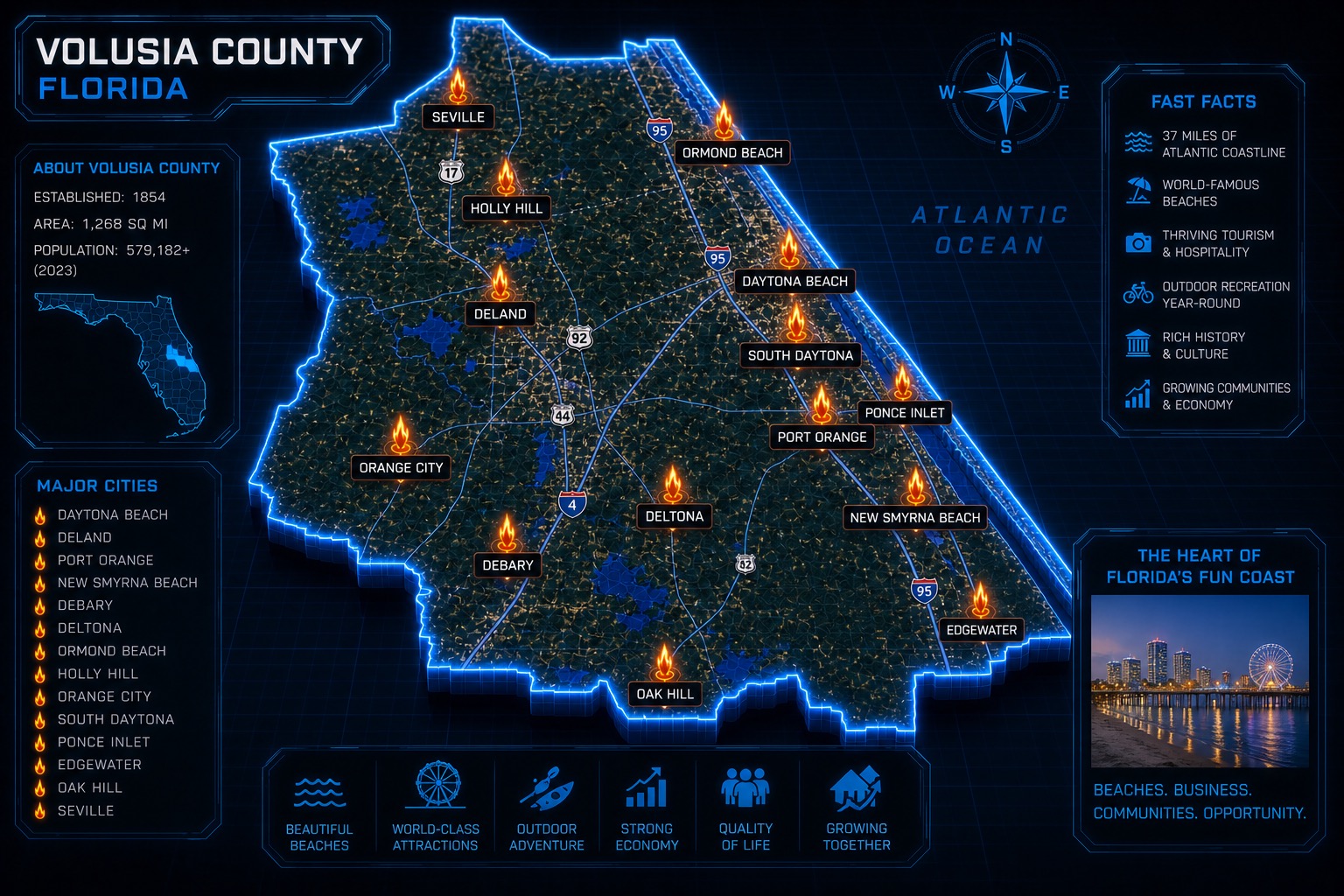
Choose a community for local restoration information, or call with the exact address to confirm service and routing.
Coastal, riverfront, hospitality, condo, and mainland property settings.
Explore restoration helpInland homes, historic buildings, apartments, offices, and downtown properties.
Explore restoration helpResidential communities shaped by lakes, canals, drainage, and the St. Johns River system.
Explore restoration helpHomes and businesses near coastal, river, creek, and stormwater systems.
Explore restoration helpBeachside, Halifax River, Tomoka River, residential, and commercial settings.
Explore restoration helpCoastal, lagoon, condo, vacation-rental, restaurant, and mainland properties.
Explore restoration helpLagoon-side neighborhoods, manufactured-home areas, waterfront properties, and small businesses.
Explore restoration helpHugo's office is in St. Cloud. Call with the exact address so the team can confirm service and routing for your property.
Atlantic and Halifax River corridor properties face different conditions from inland communities near lakes, drainage systems, and the St. Johns River basin. Every property still requires its own evaluation.
Ormond Beach, Daytona Beach, Port Orange, New Smyrna Beach, and nearby coastal communities combine Atlantic weather exposure with condos, hospitality properties, vacation rentals, restaurants, and river-adjacent buildings.
DeLand, Deltona, Orange City, DeBary, and surrounding areas have different drainage, lake, river, plumbing, roof, AC, and building-age considerations than the beachside corridor.
County context helps organize likely questions, but the property address, damage source, materials, access, occupants, active hazards, and authorization determine the restoration plan.
Nearby waterways, coastal areas, and communities can affect local conditions, but they do not determine conditions at a specific property. Hugo is not affiliated with Volusia County, any municipality, FEMA, NOAA, or the National Weather Service.
See Hugo's credentials, restoration services, and links to licensing and business information. Arrival, scope, and insurance outcomes depend on the property and situation.
Call any time to begin emergency intake after immediate life-safety concerns are addressed.
Coordination begins within 15 minutes after intake; arrival time varies.
How dispatch timing worksFlorida Licensed Mold Remediator MRSR5171.
Verify through Florida DBPR (opens in a new tab)IICRC-certified technicians support applicable restoration work. Hugo is not presented as an IICRC-certified firm.
Ask for current licensing and insurance documentation before authorized work begins.
View Hugo's BBB business profile.
Open Hugo's BBB profile (opens in a new tab)English and Spanish phone support is available; additional website languages do not imply phone support in those languages.
Emergency restoration support is available for residential, rental, managed, hospitality, and commercial properties.
See examples of drying, controlled cleanup, and temporary roof protection during Hugo restoration projects.
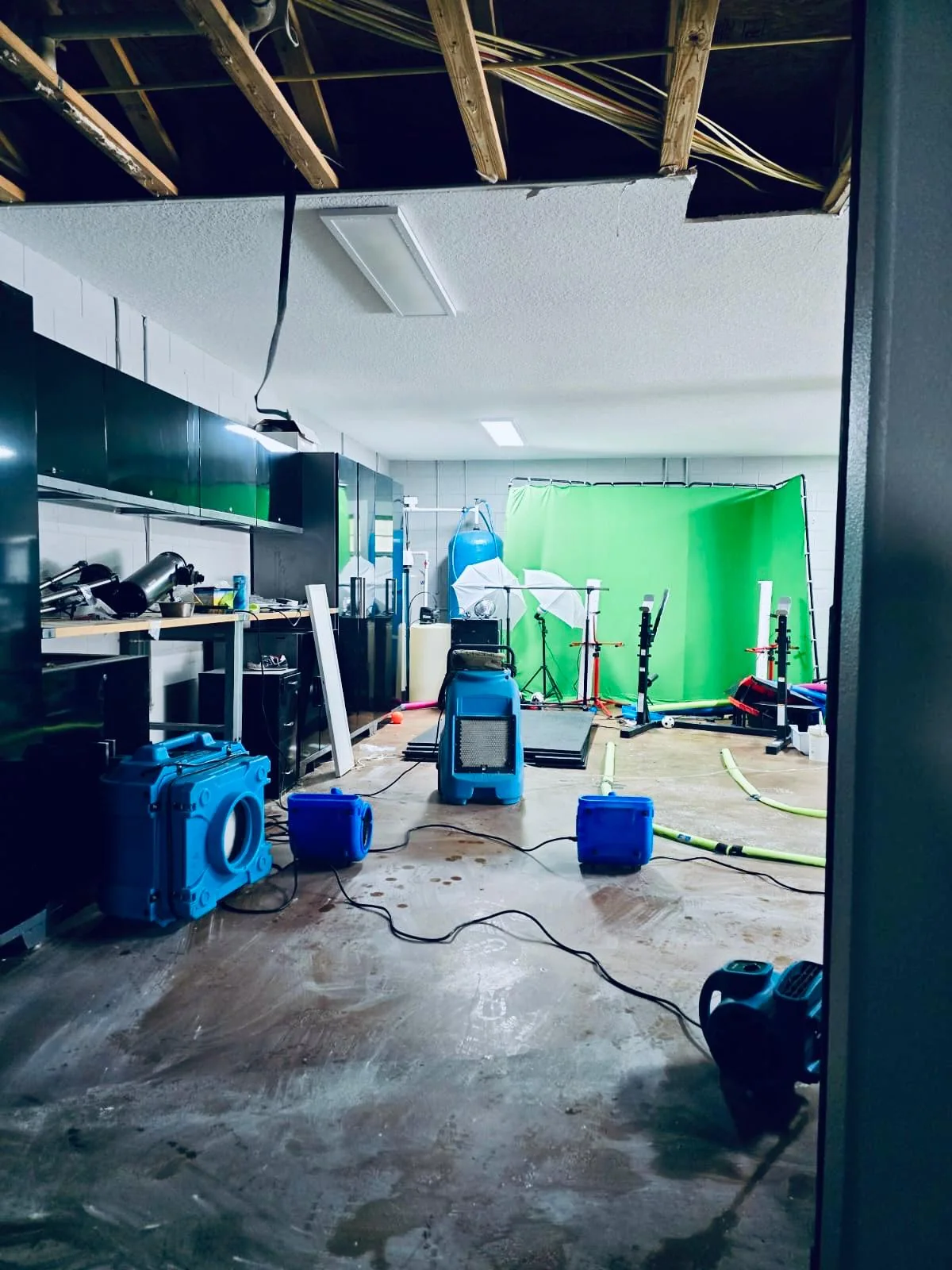
Drying equipment operating inside a protected Hugo restoration work area.
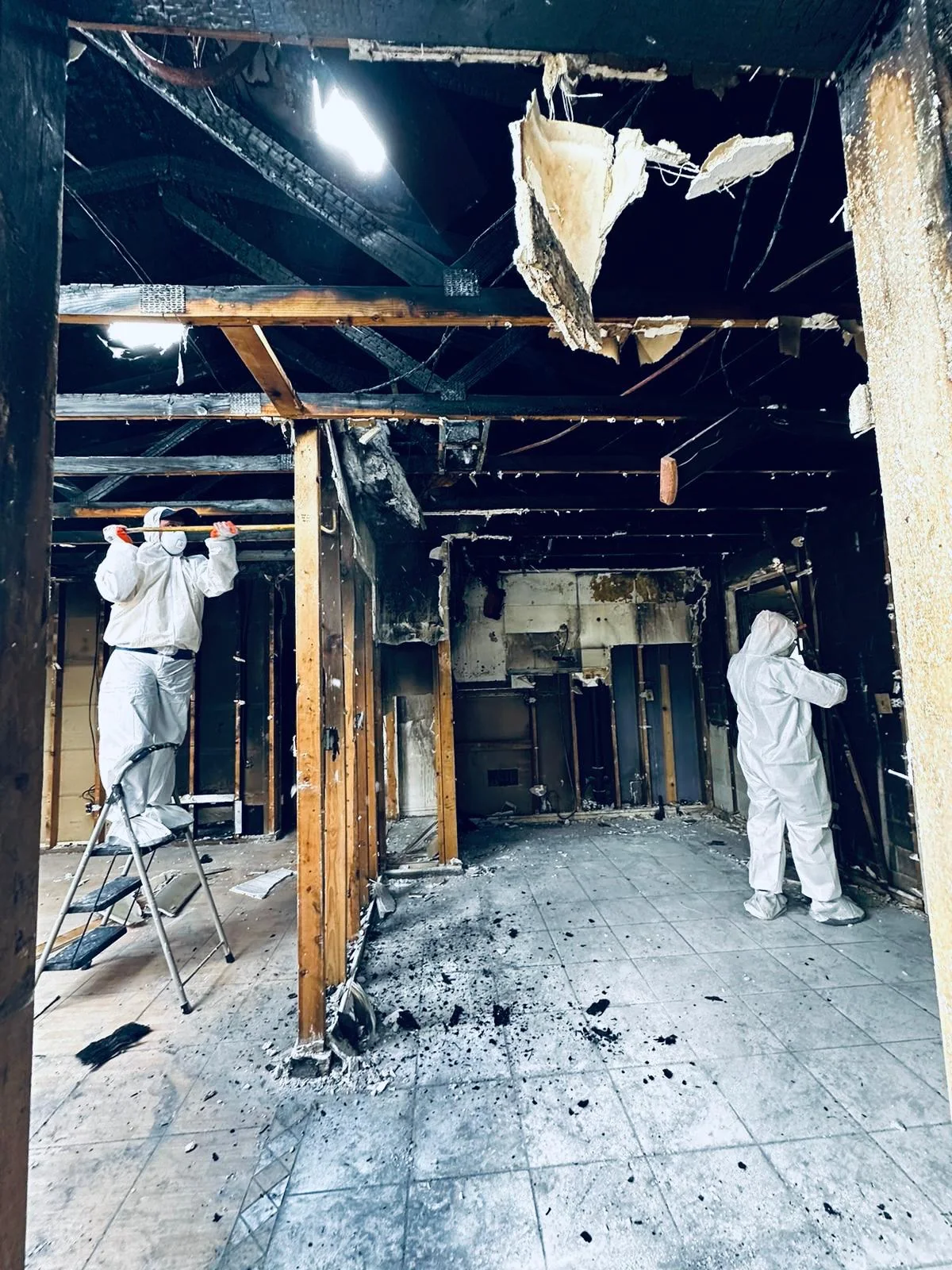
Hugo technicians performing controlled cleanup inside an affected property.
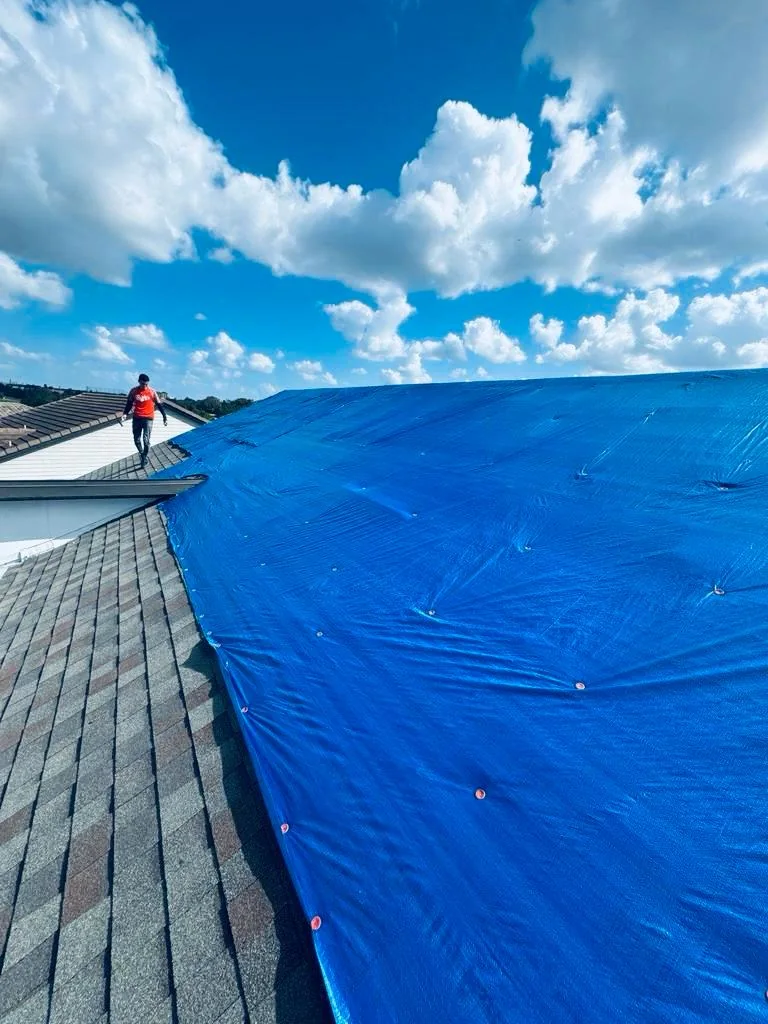
Temporary roof protection installed during a Hugo restoration project.
Hugo may help organize records connected to authorized restoration work. The records support communication and review; they are not policy interpretation, public adjusting, legal advice, or a promise that a carrier will approve or pay a claim.
Coverage, reimbursement, and claim decisions are made by the applicable insurance carrier and are not guaranteed.
Review common questions about service coverage, emergency contact, drying, temporary protection, mold, fire and smoke cleanup, property types, documentation, communities, and when to call instead of using the form.
Yes. Hugo provides 24/7 emergency restoration support for homes, rentals, managed communities, hospitality properties, and businesses across Volusia County. Services include water extraction, structural drying, fire and smoke cleanup, mold remediation, storm cleanup, emergency board-up, roof tarping, contents cleaning, and insurance documentation support.
Yes. Hugo's emergency phone line is available 24/7. Call first when damage is active or spreading. Dispatch coordination begins within 15 minutes after intake; arrival time varies with safety, weather, roads, access, demand, property location, and crew availability.
Address immediate safety first. Avoid standing water near electricity, do not enter an unsafe room, and stop the source only if that can be done safely. Call Hugo while damage is active, then photograph visible conditions before moving materials when practical. Share the source, affected rooms, timing, access, and active hazards.
Source control, extraction, and drying evaluation should begin as soon as conditions are safe and the work is authorized. The drying plan depends on the water source, affected materials, concealed moisture, humidity, access, and contamination concerns. Visible dryness alone does not confirm that building materials have returned to an appropriate condition.
Yes. Water from a roof opening can move into insulation, ceilings, walls, cabinets, flooring, and other concealed spaces. Staining may show only part of the affected area. A restoration evaluation may use material-specific moisture readings and documented observations to define where temporary protection, extraction, drying, or controlled removal is appropriate.
Roof tarping may be considered for a damaged roof or opening that can admit more rain. Board-up may be considered for broken doors, windows, or other exposed openings. Both are temporary measures and depend on safe access, weather, structural conditions, authorization, and the limits of the restoration scope.
Moisture left in building materials can create conditions that support mold growth after storms, roof leaks, plumbing failures, or AC problems. Correct the source promptly, avoid disturbing visible growth, and request an evaluation when moisture, musty odor, or visible growth remains. Florida mold-remediation requirements may affect the project sequence.
After emergency authorities control active danger, restoration may address soot and smoke residue, odor sources, damaged materials, contents, exposed openings, and water from firefighting. The exact scope depends on structural safety, utilities, residue type and spread, affected materials, HVAC conditions, contents, access, and authorization.
Yes. Hugo supports residential and commercial restoration requests, including rentals, condos, multifamily properties, managed communities, vacation rentals, hotels, restaurants, offices, retail, and other managed facilities. The intake should identify the authorized property contact, occupancy, access restrictions, affected operations, building systems, tenants or guests, and reporting needs.
Keep photos and videos, loss-date and source notes, affected-room details, emergency-service records, receipts, estimates, invoices, moisture and drying records, equipment logs, contents information, and authorized communication records. Preserve records safely and avoid entering a dangerous area only to take photos. The carrier may request additional information.
No. Hugo can help organize restoration records and explain the work performed, but coverage, reimbursement, claim approval, payment amount, and settlement decisions are made by the applicable insurance carrier and are not guaranteed. Hugo does not interpret policy coverage or promise what an insurer must pay.
Hugo serves listed communities across the county, including Daytona Beach, DeLand, Deltona, Port Orange, Ormond Beach, New Smyrna Beach, and Edgewater, along with other county communities. Call with the exact property address because routing depends on safety, weather, roads, access, demand, location, and crew availability.
Call first when damage is active, water is spreading, the building is exposed, smoke or soot is present, or prompt coordination is needed. Use the emergency form after the call path starts to share contact, address, access, damage, affected-area, and documentation details. Call 911 first for any immediate life-safety danger.
Use these official sources for county alerts, flood and evacuation information, Florida emergency guidance, address-level FEMA maps, local forecasts, and tropical advisories.
County preparedness, alerts, shelters, evacuation information, and emergency-management contacts.
Open official resource (opens in a new tab)County flood safety, preparation, drainage, floodplain, and property-risk resources.
Open official resource (opens in a new tab)County guidance for flood zones, evacuation zones, and address-level risk questions.
Open official resource (opens in a new tab)State emergency information, preparedness guidance, recovery resources, and official updates.
Open official resource (opens in a new tab)Official FEMA flood-map search and mapping products for property-level review.
Open official resource (opens in a new tab)Official East Central Florida forecasts, warnings, radar, and weather information.
Open official resource (opens in a new tab)Official tropical outlooks, forecasts, advisories, and preparedness information.
Open official resource (opens in a new tab)Call for water, fire and smoke, mold, storm, structural drying, board-up, roof-tarping, contents, or documentation needs. English and Spanish phone support is available.
Dispatch coordination begins within 15 minutes after intake. Arrival time and service availability vary by property and conditions.
When your property needs property restoration in Volusia County, keep people away from hazards. Note when property restoration in Volusia County began and whether conditions are changing.
Reviewed by Hugo Fire & Water Restoration content team on 2026-07-31.
Before property restoration in Volusia County, leave unsafe areas. Describe only property restoration in Volusia County conditions that you can see safely.
For property restoration in Volusia County, avoid wet electrical areas. Report whether water is still moving during property restoration in Volusia County.
For property restoration in Volusia County, share the address, source, affected rooms, and timeline. Also explain access and the authorized contact for property restoration in Volusia County.
Keep safe photos, dates, and room names for property restoration in Volusia County. Save contacts and completed-work notes about property restoration in Volusia County.
Yes. Tell Hugo what you can safely see for property restoration in Volusia County. Explain when property restoration in Volusia County began and whether the source is still active.
Hugo can organize factual records for property restoration in Volusia County; your insurance policy and carrier determine coverage.
Call 24/7 when property restoration in Volusia County needs attention. Use the request form for safe property restoration in Volusia County details.