Serving Central Florida
24/7
Fire Risk: Low

🔥 Fire Risk: Low | No Major Weather Alerts | 24/7 Restoration Help Available | 15-Minute Dispatch Guarantee

24/7 Emergency Service

Flood Cleanup in St. Cloud & Central Florida

Flood cleanup for flooded rooms, stormwater intrusion, wet flooring, debris, mud, odor, drying needs, controlled cleanup, and damage documentation in St. Cloud and Central Florida. Call first if the damage is active, then use the form for property details and documentation support.

Flood Cleanup Central Florida

What To Do First for Flood Cleanup

If there is life safety danger, active fire, gas, electrical danger, structural collapse, or medical risk, call 911 first. If the property is safe to approach, call the restoration line and avoid disturbing damaged or contaminated areas.

Fast Help Answer

My house flooded. What should I do first?

After flooding, protect people first, stay out of unsafe water, avoid electrical hazards, document visible damage from a safe position, and call for flood cleanup, emergency water removal, drying, moisture documentation, and next-step restoration support.

When Should You Call?

Call immediately when damage is active, spreading, contaminated, or exposing the property to weather or security risks. Fast mitigation can reduce secondary damage.

Customer Guidance

Flood Cleanup Starts With Safety and Source Details

Flood cleanup is different from a small clean-water leak because the water may involve storm runoff, outdoor debris, contamination concerns, or materials that cannot be safely cleaned in place. Before entering affected areas, think about electrical hazards, slippery floors, contaminated water, and structural concerns. When you call, describe where the water came from, how high it rose, which rooms were affected, and whether the water is still present.

Call Prep and Documentation

What To Share When You Call About Flood Cleanup

A focused restoration call helps the team understand urgency, access, active damage, and which next step fits the property. You do not need a perfect diagnosis before calling; share what you can see, what changed, and whether the damage is still spreading.

  • Property city and nearest major cross street
  • Property type, access notes, and whether anyone is on site
  • When the damage was first noticed and whether it is still active
  • Affected rooms, floors, ceilings, cabinets, contents, roof areas, or openings
  • Any immediate safety concern such as electricity, smoke, odor, unstable materials, or contamination
  • Water source, standing water depth, wet flooring, wet walls, leak status, and whether electricity may be involved

Affected Materials to Mention

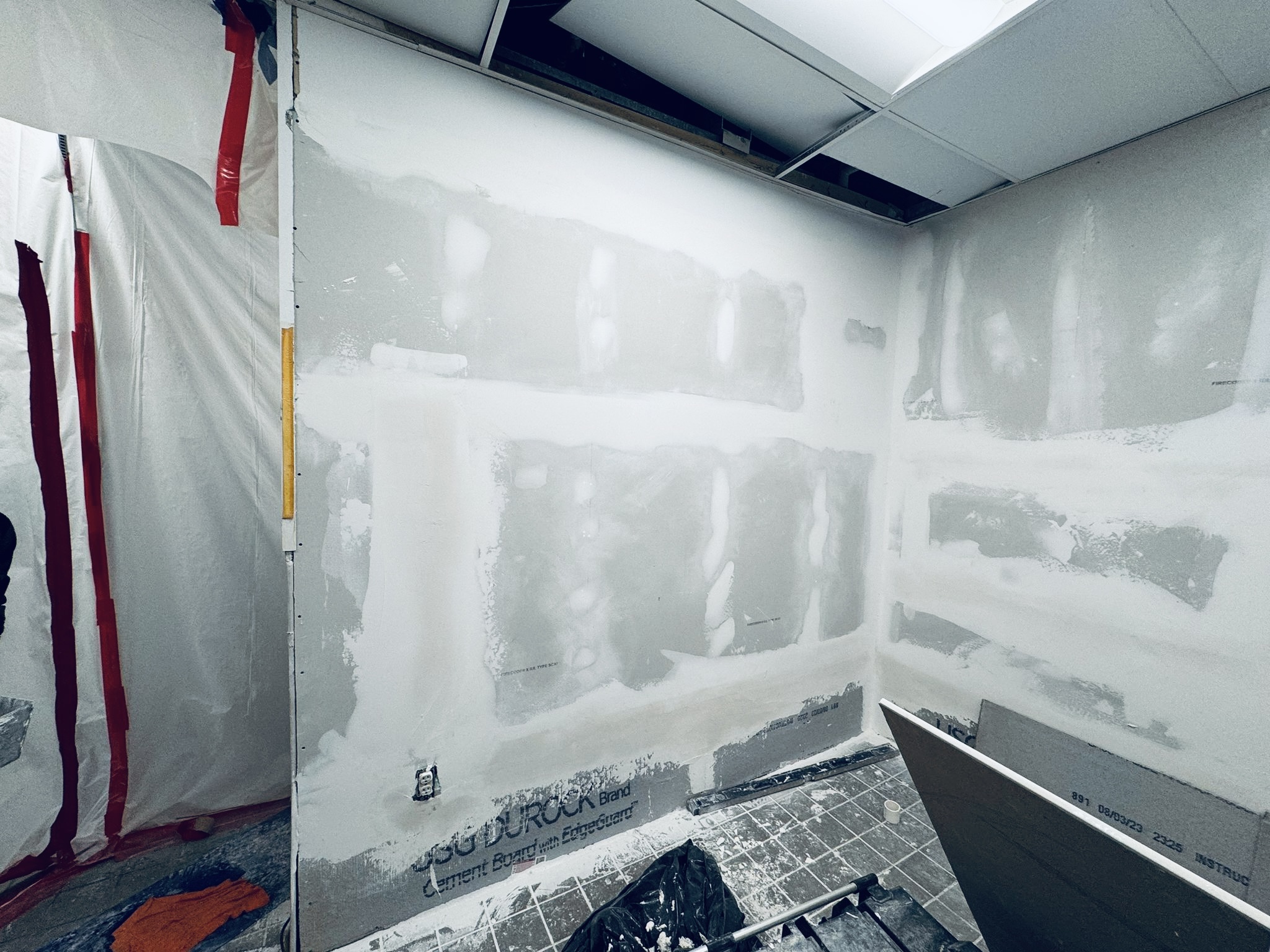
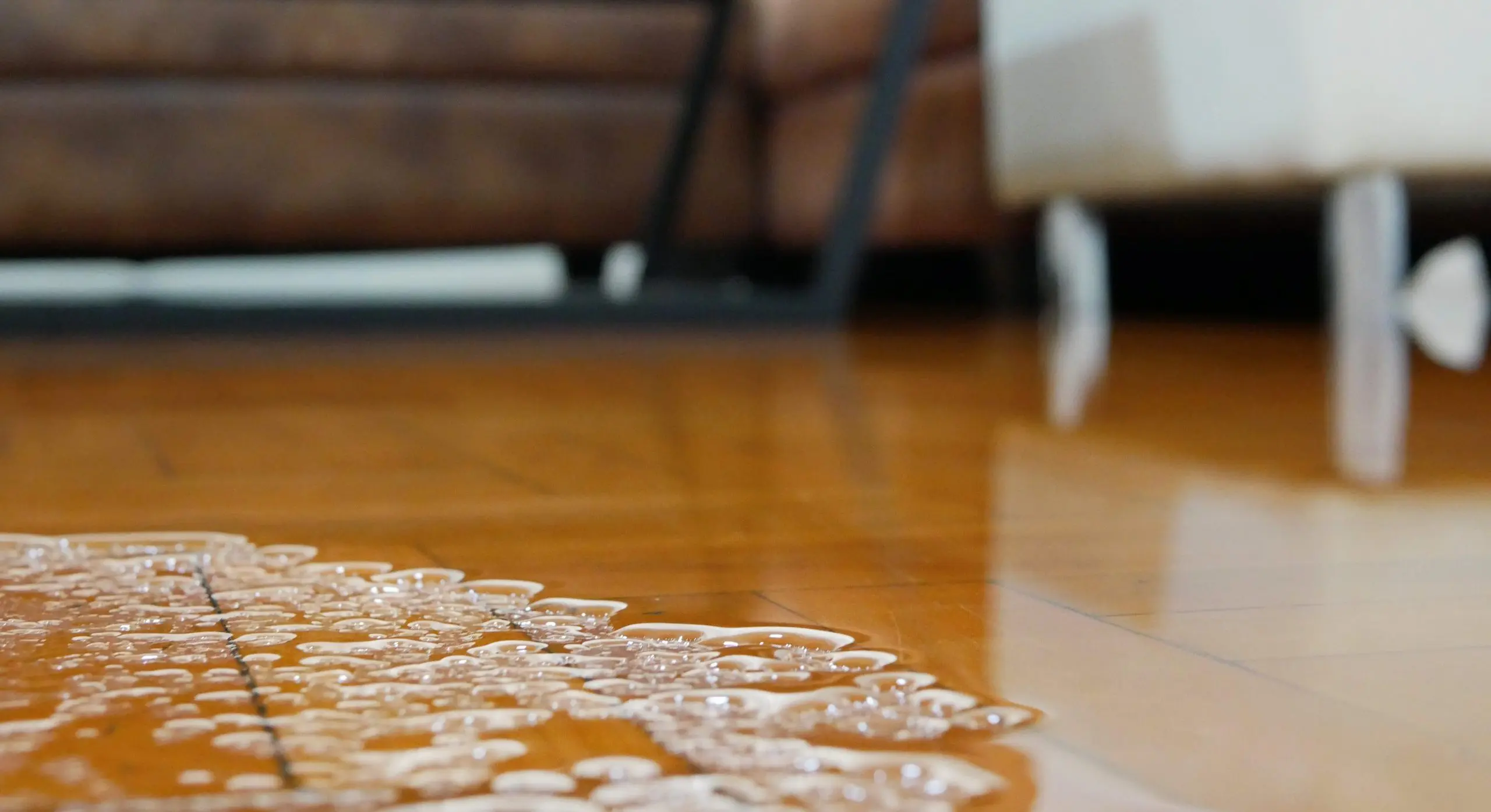
Common water damage details include soaked flooring, wet carpet pad, drywall, baseboards, cabinets, insulation, ceilings, closets, contents, and hidden cavities that may need moisture checks after visible water is removed.

Documentation Expectations

Useful documentation may include photos before cleanup, source notes, extraction records, moisture readings, drying logs, affected-material notes, and insurance communication records. Hugo can help organize restoration documentation, but insurance carriers decide coverage and claim outcomes.

Emergency Response Planning

How Hugo Plans Flood Cleanup Requests

A flood cleanup request usually starts with safety, access, the active damage source, and the rooms or materials already affected. Hugo asks for those details first because they shape the next step more than a broad service label does.

Central Florida properties can involve humid building conditions, storm exposure, roof openings, slab leaks, AC leaks, smoke residue, hidden moisture, or managed-property communication. Clear early notes help the team discuss mitigation, cleanup, temporary protection, and documentation without making claim-outcome promises.

If you are comparing restoration companies before calling, look for direct emergency access, service-area clarity, plain explanations, and help organizing photos, damage notes, affected-area details, and restoration records. For active damage, calling is still the fastest path.

Central Florida Restoration Help

How Hugo Helps With Flood Cleanup in Central Florida

Property damage rarely stays in one neat category. A roof leak can lead to water damage, wet drywall, odor, and mold concerns. A fire can leave smoke residue, exposed openings, and water from suppression efforts. Hugo helps you connect the immediate problem to the right next step so the property is protected before secondary damage spreads.

If you need flood cleanup in Central Florida, the most useful first call is one that explains what is active, where the damage is located, and whether the property is safe to enter. Hugo helps emergency restoration customers across St. Cloud, Kissimmee, Orlando, Lakeland, Melbourne, Palm Bay, Daytona Beach, Clermont, Winter Haven, Davenport, and nearby Central Florida communities, then helps organize photos, mitigation notes, drying or cleanup details, and insurance documentation support without promising claim outcomes.

Customer Guidance

My House Flooded. What Should I Do First?

Stay out of unsafe water, avoid electrical hazards, move only what you can safely move, and take photos from a safe position before cleanup changes the scene. If there is life-safety danger, call 911 first.

Flood cleanup may include emergency water removal, affected-material review, drying, odor concerns, controlled cleanup planning, moisture documentation, and insurance documentation support.

What Hugo Can Help With

What Is Flood Cleanup?

Flood cleanup for flooded rooms, stormwater intrusion, wet flooring, debris, mud, odor, drying needs, controlled cleanup, and damage documentation in St. Cloud and Central Florida. The work may include inspection, mitigation, cleanup, drying or treatment, documentation, and restoration planning based on the damage type.

Common Questions

Who is Hugo Fire and Water Restoration?

Hugo Fire & Water Restoration is a St. Cloud-based restoration company serving Central Florida.

What services does Hugo provide?

Water, fire, mold, storm, board-up, roof tarping, contents, drying, cleanup, and insurance documentation support.

Where does Hugo serve?

Central Florida, including Osceola, Polk, Brevard, Orange, Lake, Sumter, Volusia, and Seminole counties.

Is Hugo open 24/7?

Yes. Hugo provides 24/7 emergency help for active restoration requests.

Does Hugo help with insurance documentation?

Yes. Hugo can help organize photos, mitigation notes, scope details, and communication support without guaranteeing claim outcomes.

Should I call or submit the form first?

For active emergencies, call first. Use the form for property details, documentation, and follow-up support.

Signs You Need Help

Common Flood Cleanup Warning Signs

Stormwater entered the building
Flooded rooms or hallways
Wet drywall or flooring
Mud, debris, or odor after flooding
Humidity or musty odor after water recedes
Why Property Owners Call Hugo

Flood Cleanup Trusted Team

Licensed & Insured
IICRC Certified Technicians
BBB Accredited: A Rating
Google 5-Star Rating
Trustpilot 4-Star Rating
15-Minute Dispatch Guarantee
St. Cloud based company
Call First for Active Damage
Emergency Guidance

Protect People First, Then Protect Property

After water damage, call 911 for electrical or life-safety hazards, stop the source only if safe, keep clear of wet electrical areas, document visible damage, and call Hugo for extraction, drying, and documentation support.

Stay out of unsafe rooms or contaminated areas
Stop the source only if it is safe
Take photos before moving damaged materials
Call and stay reachable for follow-up
Sub-services

What This Service Includes

Stormwater cleanup
Interior floodwater removal
Debris and wet material cleanup
Water extraction
Moisture mapping
Structural drying coordination
Contamination review
Insurance documentation support
Restoration Process

Fast, Clear Restoration Process

A clear step-by-step process helps reduce confusion and keeps the recovery moving.

01

Safety and contamination review

02

Floodwater extraction

03

Affected-material evaluation

04

Cleaning and debris removal

05

Drying and moisture monitoring

06

Damage documentation and restoration planning

Insurance Help

Damage Documentation & Claim Support

The process can include photos, notes, mitigation records, and adjuster coordination support. Insurance information is general and does not guarantee coverage, reimbursement, or claim approval.

+What should I do first after flooding?

Stay out of unsafe water, avoid electrical hazards, move only what you can safely move, and take photos from a safe position before cleanup changes the scene. If there is life-safety danger, call 911 first. Then call Hugo for flood cleanup, emergency water removal, drying, moisture documentation, and next-step restoration support.

+Is flood cleanup the same as water extraction?

Water extraction removes visible water. Flood cleanup may also include debris review, affected-material evaluation, drying, odor concerns, sanitization planning, moisture documentation, and insurance documentation support.

+Can flooding cause mold?

Yes. When building materials remain wet, mold concerns can develop. Fast water removal, drying, moisture checks, and source control help reduce that risk.

+Is floodwater safe to clean myself?

Floodwater may contain chemicals, debris, outdoor contaminants, and electrical hazards. Avoid contact and request professional cleanup guidance when contamination is possible.

+Does flood cleanup include drying?

Flood cleanup can include extraction, debris removal, cleaning, moisture checks, drying coordination, and documentation support depending on property conditions.

Helpful Public Resources

Public Guidance for Flood Cleanup Customers

These public resources support the safety-first guidance on this page. They help property owners understand flood, fire, mold, storm, cleanup, and documentation considerations while Hugo focuses on active property damage response.

Emergency Help

Need Flood Cleanup Now?

Call the 24/7 emergency line or send a request so urgent fire, water, mold, and storm damage can be handled quickly.

Call 24/7Request Emergency Help