Emergency Board-Up
Temporary protection for approved broken windows, doors, walls, and other accessible openings while permanent repairs are planned.
Emergency board-up in Osceola CountyHugo helps property owners move from emergency response into a clear restoration plan. Depending on the conditions, work may include smoke and soot cleanup, fire odor removal, debris handling, emergency board-up, water extraction and structural drying after firefighting, contents cleaning, temporary property protection, and restoration documentation. The exact scope begins only after officials permit access and the property, utilities, affected materials, water movement, and smoke pathways can be evaluated.
If there is an active fire, gas odor, electrical danger, structural collapse, medical emergency, or other immediate threat, call 911 first.
Hugo Fire & Water Restoration provides 24/7 fire restoration intake for homes, rentals, managed properties, and businesses throughout Osceola County. The St. Cloud-based team can coordinate emergency stabilization, board-up, smoke and soot cleanup, fire odor work, firefighting-water extraction and drying, contents cleaning, affected-material cleanup, temporary protection, and factual restoration documentation based on safe access and the conditions found at the property.
Call 24/7: (888) HUGONOWDispatch coordination begins within 15 minutes after intake. This is not an arrival-time guarantee; timing and service availability vary with safety, access, roads, weather, location, demand, and crew availability.
Follow public-safety instructions first, then protect the property record and call for restoration help only after immediate hazards are controlled.
Use emergency services for an active fire, medical emergency, gas odor, electrical danger, collapse risk, or another immediate threat.
Do not re-enter until the fire department or other appropriate authority confirms that access is permitted.
Avoid wiping walls, ceilings, fixtures, furnishings, or belongings because the wrong method can smear or embed residue.
Do not turn on affected utilities, appliances, electronics, or HVAC equipment until a qualified party permits their use.
Record visible rooms, openings, water, smoke patterns, and belongings without entering restricted areas or delaying urgent protection.
Keep temporary-protection receipts, official notices, property details, and other records together for later review.
Share the address, access status, affected rooms, visible openings, smoke or soot, firefighting water, and contents concerns.
The restoration plan separates temporary protection, water work, residue cleaning, odor work, contents handling, and documentation so each condition receives the appropriate response.
Temporary protection for approved broken windows, doors, walls, and other accessible openings while permanent repairs are planned.
Emergency board-up in Osceola CountyAuthorized removal and handling of fire-damaged materials and loose debris within Hugo's restoration scope, with specialist referrals when required.
Main fire cleanup guideResidue-specific cleaning starts with smoke-pathway review and representative cleaning tests so dry, oily, protein-related, and mixed residues are not treated alike.
Smoke and soot cleanupOdor work can combine source removal, surface cleaning, filtration, and condition-appropriate deodorization after affected reservoirs are identified.
Fire odor removalAccessible water from suppression efforts may need removal from floors, walls, ceilings, cabinets, contents, or adjoining areas before drying begins.
Water extraction in Osceola CountyMoisture readings, air movement, dehumidification, and monitoring can support drying when suppression water affects building materials.
Structural drying servicesBelongings may need photographs, inventory notes, cleaning-feasibility review, careful handling, deodorization, or specialty referral.
Contents cleaning servicesBoard-up or roof tarping may reduce weather exposure and unauthorized entry when openings are safe, accessible, and approved for temporary work.
Emergency roof tarping in Osceola CountyApplicable photographs, observations, moisture records, equipment information, contents notes, authorizations, and progress details help organize the restoration file.
Insurance documentation supportThe exact sequence depends on property safety, damage severity, water intrusion, access, affected materials, specialist needs, authorization, and insurance requirements. Not every project needs every stage.
Intake starts with immediate hazards, official access status, the property address, affected areas, utilities, exposed openings, smoke, soot, water, contents, and the best authorized contact.
When access is permitted, the team documents visible conditions and identifies urgent restoration needs. Structural, electrical, gas, roofing, environmental, or other hazards may require a qualified specialist first.
Approved windows, doors, walls, or roof openings may receive temporary protection when the work can be performed safely. These measures do not replace permanent repair or establish occupancy safety.
Suppression water is evaluated separately from smoke and soot. Accessible water may be extracted, affected materials checked with moisture readings, and drying equipment monitored when conditions support that work.
Crews map residue movement, perform cleaning trials, remove or clean affected source materials, and use methods suited to the residue and surface instead of applying one process everywhere.
Odor treatment follows source work and cleaning. Belongings are considered separately by material, residue, heat, water exposure, safety, customer authorization, and available cleaning or specialty options.
Applicable photographs, notes, readings, equipment records, authorizations, progress details, limitations, and repair handoffs are organized around the authorized work and remaining property needs.
Once officials permit access, a timely evaluation can help separate immediate property protection, water mitigation, residue cleaning, contents decisions, and specialist needs.
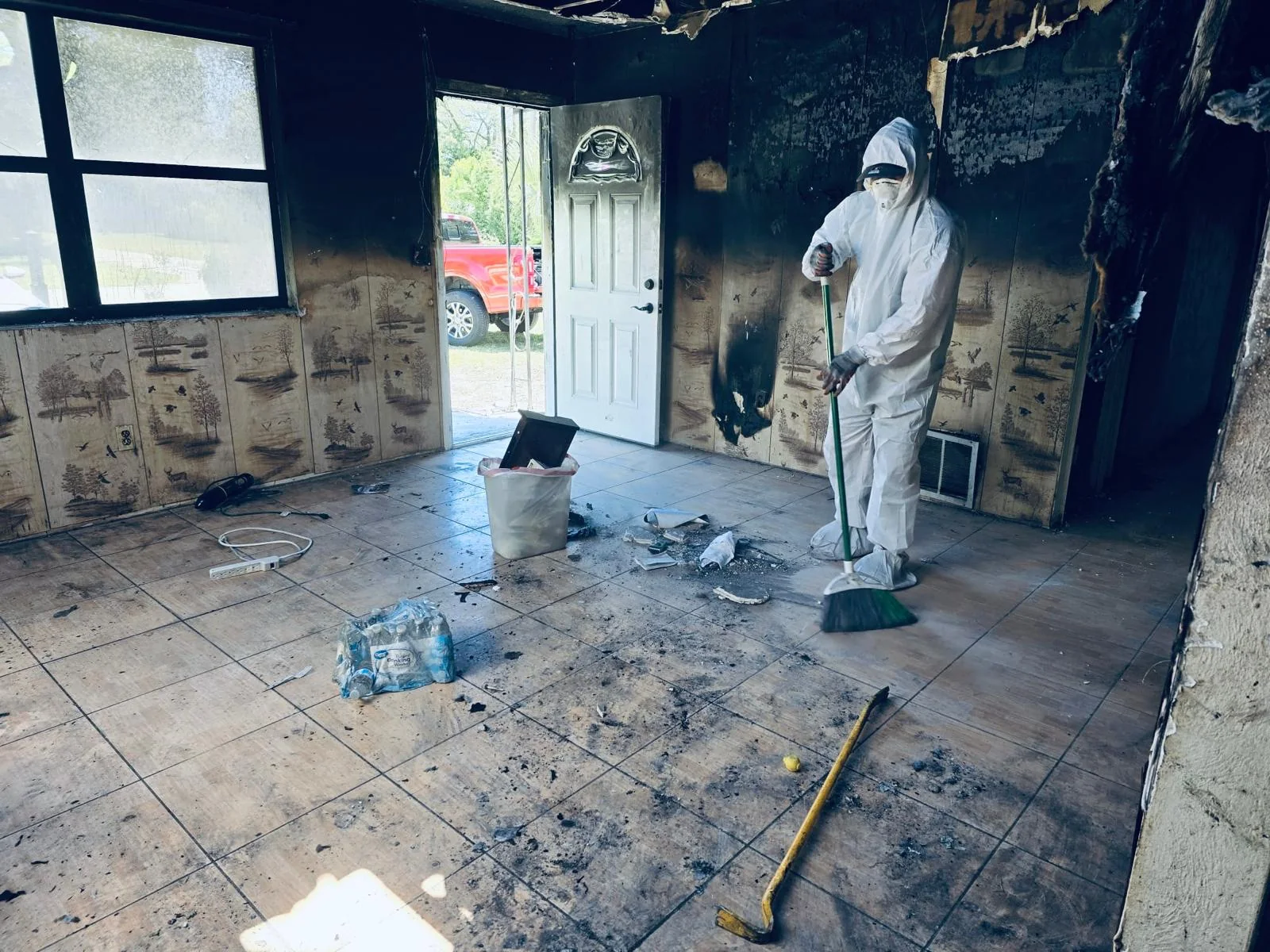
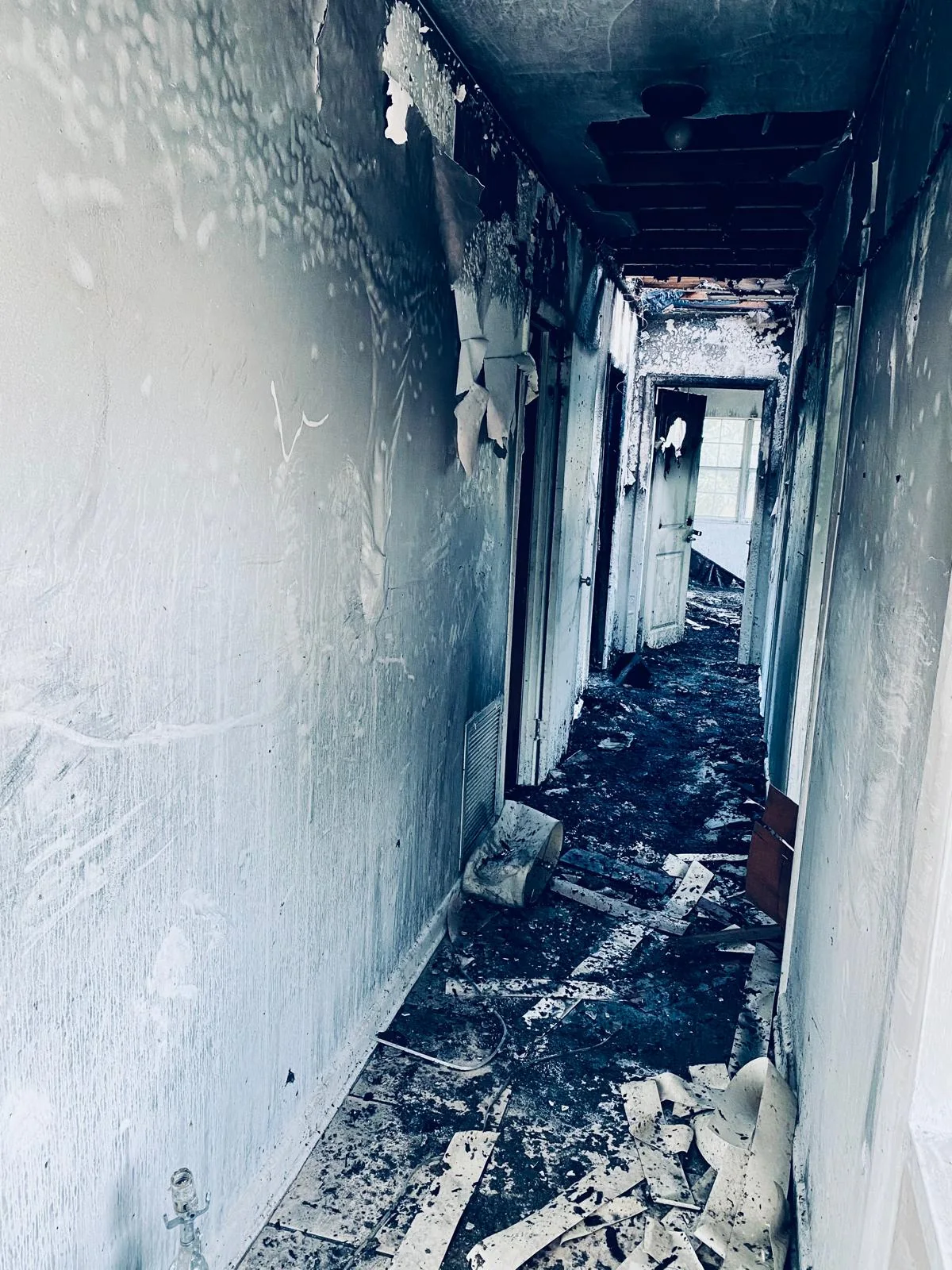
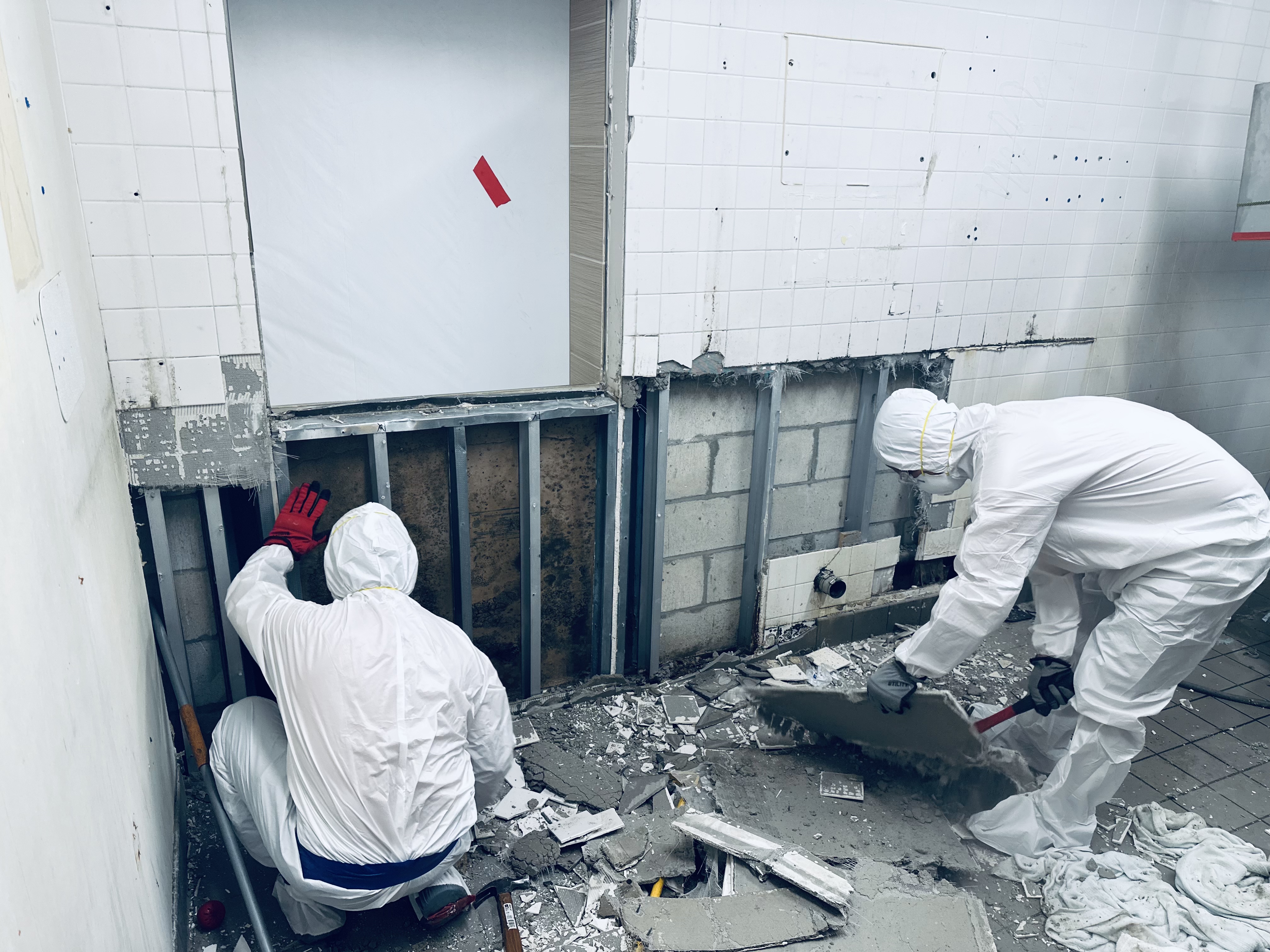
These photos from Hugo restoration work show fire conditions, damaged-material removal, and technicians cleaning exposed framing. The scope and results at another property will depend on its conditions and authorized work.
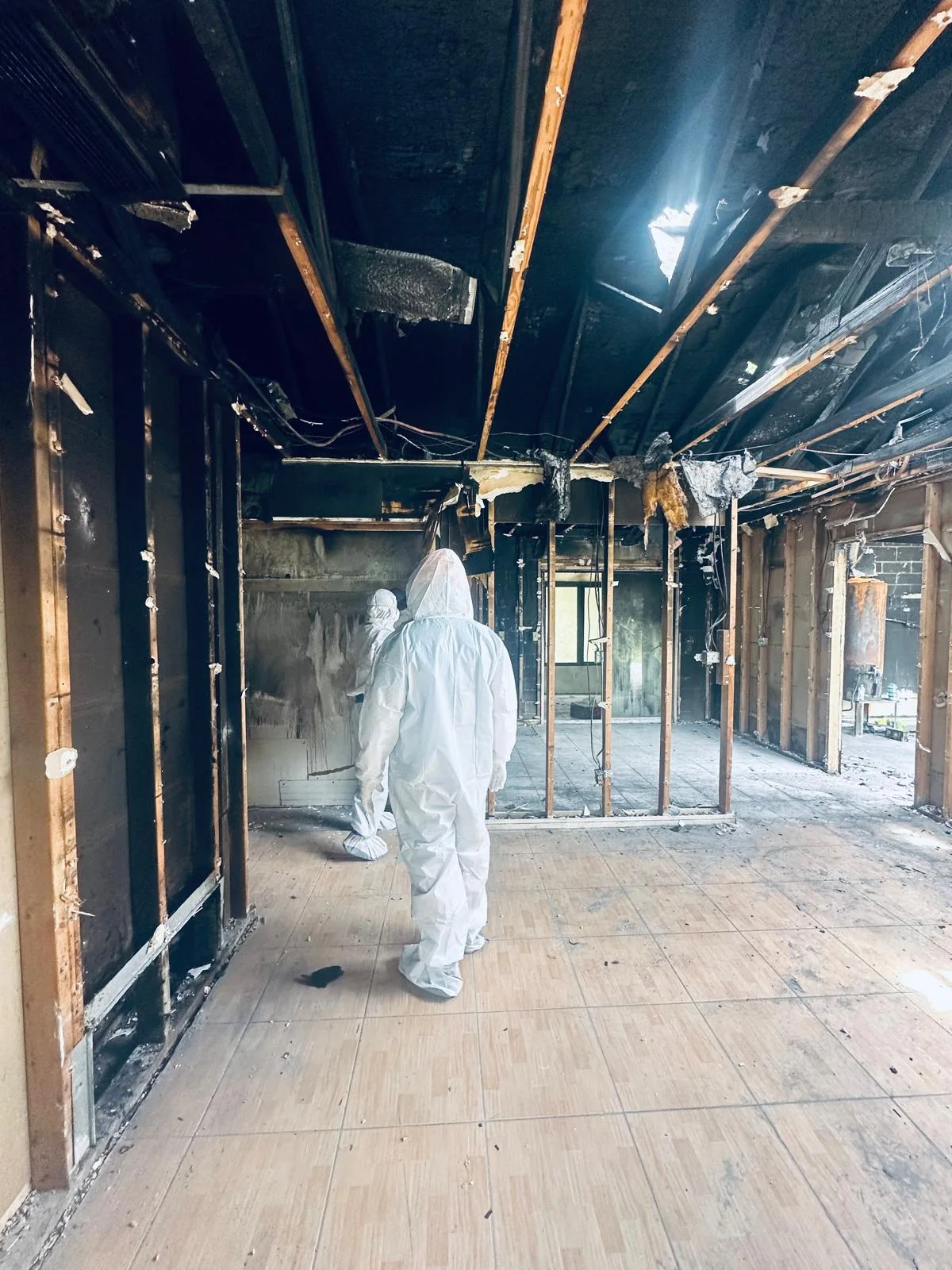
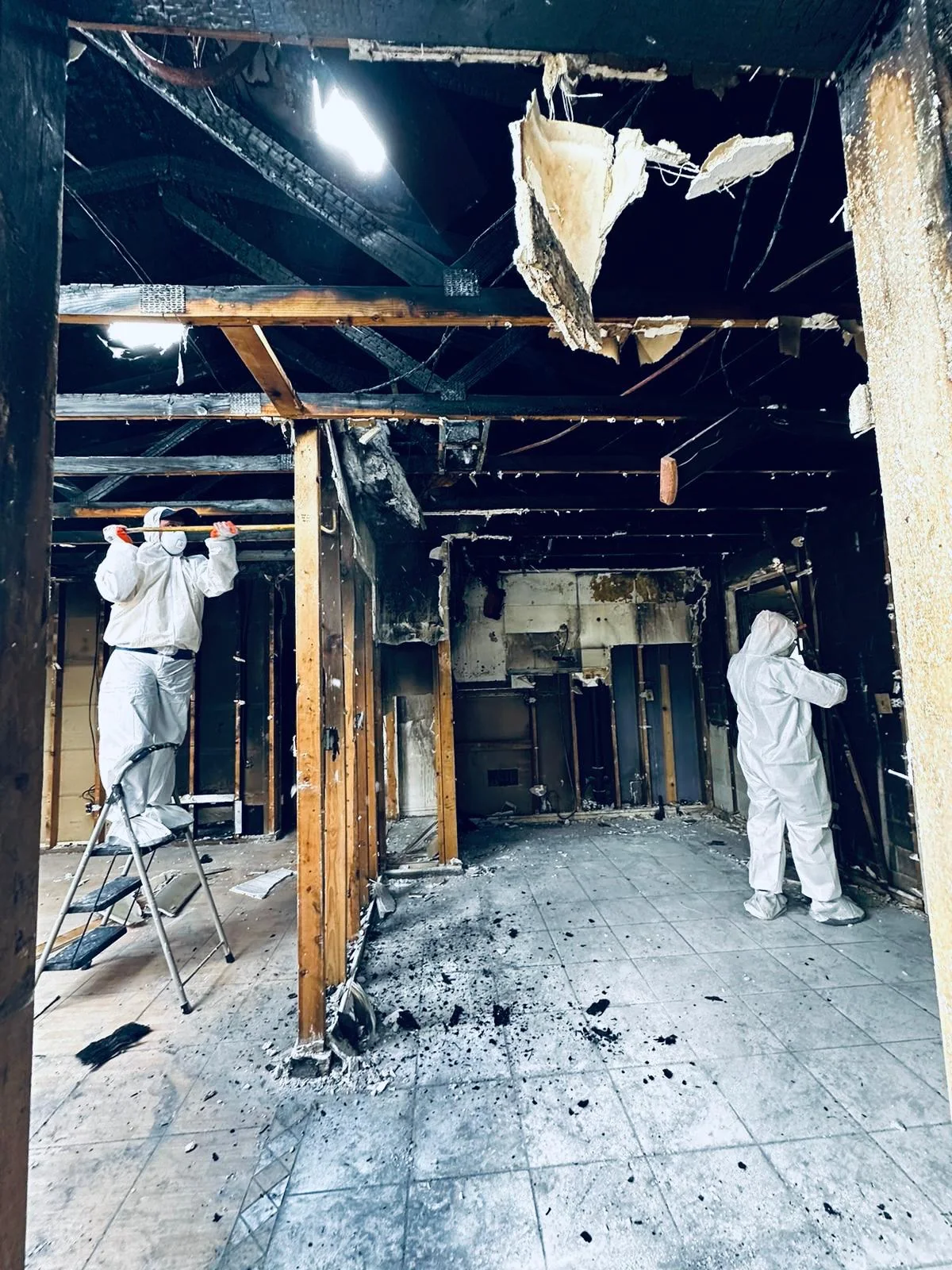
Hugo serves the county's urban, suburban, rural, hospitality, and managed-property settings without treating every community or building as if it has the same access, occupancy, or restoration needs.
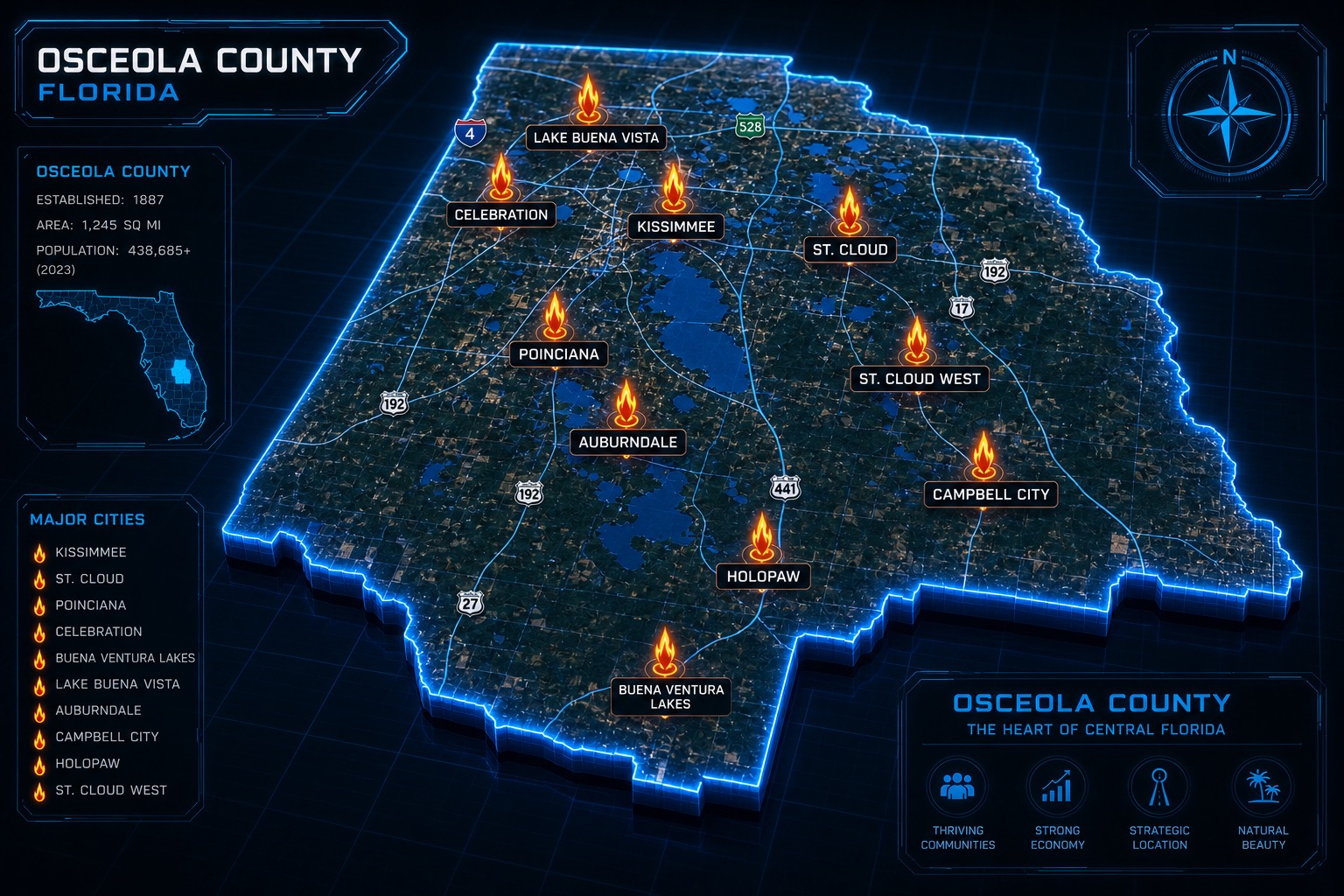
Property type changes the people, access, contents, operations, communication, and documentation involved in restoration.
Residential planning considers occupants, pets, belongings, shared assemblies, owners, associations, managers, and safe access.
Commercial planning considers guests, employees, tenants, operating hours, inventory, equipment, management approval, and phased work zones.
Review verified company details, service boundaries, credentials, response wording, and public profiles before authorizing restoration work.
Hugo's public phone line accepts active property-damage requests day and night.
Dispatch coordination begins within 15 minutes after intake; arrival time varies with safety, access, roads, demand, location, and crew availability.
Read detailsCustomers can ask for current company licensing and insurance documentation before authorizing work.
Hugo has technicians with IICRC certification. This is technician-level wording, not a business-level IICRC designation.
Customers can review Hugo's current accreditation and rating on its public BBB profile.
View public profile Opens in a new tab.Hugo is based in St. Cloud and serves homes, rentals, managed properties, and businesses throughout Osceola County.
English and Spanish phone support is available for emergency intake and restoration communication.
Hugo can organize restoration records but does not interpret policy coverage or guarantee claim outcomes.
Source and Update Information
Last substantively updated July 16, 2026. A named technical reviewer is displayed only after that person's review of the specific page is documented.
Read current customer feedback and rating information through Hugo's review center and linked public profiles. Fire-specific quotes or rating summaries appear only when the original public review data supports them.
Hugo can help organize factual records connected to observed conditions and authorized restoration work.
Documentation may support communication among the property owner, authorized contacts, project team, adjuster, and carrier. It does not turn Hugo into a public adjuster or allow the company to determine coverage.
Review Documentation SupportInsurance coverage and claim decisions are determined by the applicable insurance carrier and policy. Hugo does not guarantee claim approval, payment, or reimbursement.
Use these one-page guides to organize immediate next steps and preserve practical property records. They do not replace emergency, legal, insurance, medical, or property-specific professional guidance.
A one-page safety and first-steps guide for the period after emergency authorities control the scene.
A one-page guide to photographs, receipts, property details, and restoration records that may help organize the file.
Answers about immediate safety, soot, smoke pathways, firefighting water, contents, board-up, documentation, timing, property types, and 24/7 intake.
Hugo Fire & Water Restoration provides 24/7 fire-restoration intake throughout Osceola County. Depending on safe access and property conditions, services may include emergency stabilization, board-up, smoke and soot cleanup, odor work, firefighting-water extraction and drying, contents cleaning, affected-material cleanup, and restoration documentation.
Call 911 for active danger, follow fire-department instructions, and do not re-enter until access is permitted. Avoid touching soot, turning on damaged systems, or moving affected materials. Photograph only from a safe location, preserve emergency receipts and records, and call Hugo after immediate hazards are controlled.
Re-enter only when the fire department or another appropriate authority permits access. A restoration company does not replace structural, electrical, gas, utility, medical, or public-safety clearance. Conditions can change, so continue following restrictions and leave immediately if officials identify a new hazard.
Avoid household cleaning until the residue and affected surface are reviewed. Dry, oily, protein-related, and mixed residues can react differently, and the wrong method can smear soot or push it deeper into porous materials. Professional cleaning begins with pathway review and representative cleaning trials.
Yes. Suppression water can move beneath flooring or into walls, ceilings, cabinets, insulation, contents, and concealed areas. Restoration may require accessible water removal, moisture readings, structural drying, monitoring, and documentation. Visible dryness alone does not confirm that layered materials are dry.
Smoke residue and odor may move through returns, ducts, closets, attics, openings, and pressure pathways. Keep affected HVAC equipment off until a qualified party permits operation. HVAC concerns may require a separate inspection or specialist; cleaning visible soot alone may not address every pathway.
Hugo can provide temporary board-up for approved, accessible windows, doors, walls, storefronts, and other openings when conditions allow. Board-up helps reduce weather exposure and unauthorized entry, but it does not establish structural safety or replace permanent repair.
Some belongings may be candidates for cleaning, while others may require specialty handling or may not be restorable. Decisions depend on material, residue, heat, water exposure, safety, customer authorization, and available processes. Hugo can support photographs, inventory notes, handling, cleaning-feasibility review, and referrals.
There is no universal timeline. Official access, property size, smoke spread, residue type, water intrusion, contents, material conditions, permits, specialist needs, authorizations, insurance requirements, and permanent repairs all affect the sequence and duration. Hugo explains the next steps after the property is evaluated.
Hugo can organize applicable photographs, observations, moisture and equipment records, contents notes, temporary-protection records, authorizations, and progress details. With customer authorization, the team may communicate about restoration records. The carrier and policy determine coverage, approval, payment, and reimbursement.
Yes. Hugo accepts authorized requests for homes, apartments, condominiums, vacation rentals, hotels, restaurants, retail spaces, offices, warehouses, and managed properties. Access, tenants, guests, contents, operations, work zones, and decision-makers can change the plan for each property.
Yes. Hugo's public phone line accepts property-damage requests 24/7. The verified 15-minute dispatch process begins coordination after intake; it is not an arrival-time promise. Safety, location, access, roads, weather, active demand, and crew availability can affect response timing.
Use the links that match the actual condition instead of treating every post-fire need as one undifferentiated service.
Use official sources for fire safety, smoke alarms, county emergency information, and public instructions. Online information does not replace directions from authorities at the property.
Federal home-fire prevention, escape, smoke-alarm, and recovery guidance.
Opens in a new tab.County emergency notifications, preparedness, shelter, response, and recovery information.
Opens in a new tab.Public education about smoke alarms and home fire safety.
Opens in a new tab.Call Hugo for emergency stabilization, smoke and soot cleanup, odor concerns, firefighting-water mitigation, contents, temporary protection, and restoration documentation.
For an active fire or another immediate threat, call 911 first.
When your property needs fire damage restoration in Osceola County, keep people away from hazards. Note when fire damage restoration in Osceola County began and whether conditions are changing.
Reviewed by Hugo Fire & Water Restoration content team on 2026-07-31.
Before fire damage restoration in Osceola County, leave unsafe areas. Describe only fire damage restoration in Osceola County conditions that you can see safely.
For fire damage restoration in Osceola County, wait for fire officials before entering. Report soot or odor safely for fire damage restoration in Osceola County.
Keep safe photos, dates, and room names for fire damage restoration in Osceola County. Save contacts and completed-work notes about fire damage restoration in Osceola County.
For fire damage restoration in Osceola County, share the address, source, affected rooms, and timeline. Also explain access and the authorized contact for fire damage restoration in Osceola County.
Yes. Tell Hugo what you can safely see for fire damage restoration in Osceola County. Explain when fire damage restoration in Osceola County began and whether the source is still active.
Hugo can organize factual records for fire damage restoration in Osceola County; your insurance policy and carrier determine coverage.
Call 24/7 when fire damage restoration in Osceola County needs attention. Use the request form for safe fire damage restoration in Osceola County details.