Standing water, soaked carpet, or water moving beneath flooring needs a safe extraction plan now. Hugo removes accessible bulk water, records the starting condition, checks materials that may remain wet, and coordinates structural drying when the loss extends beyond the visible surface.
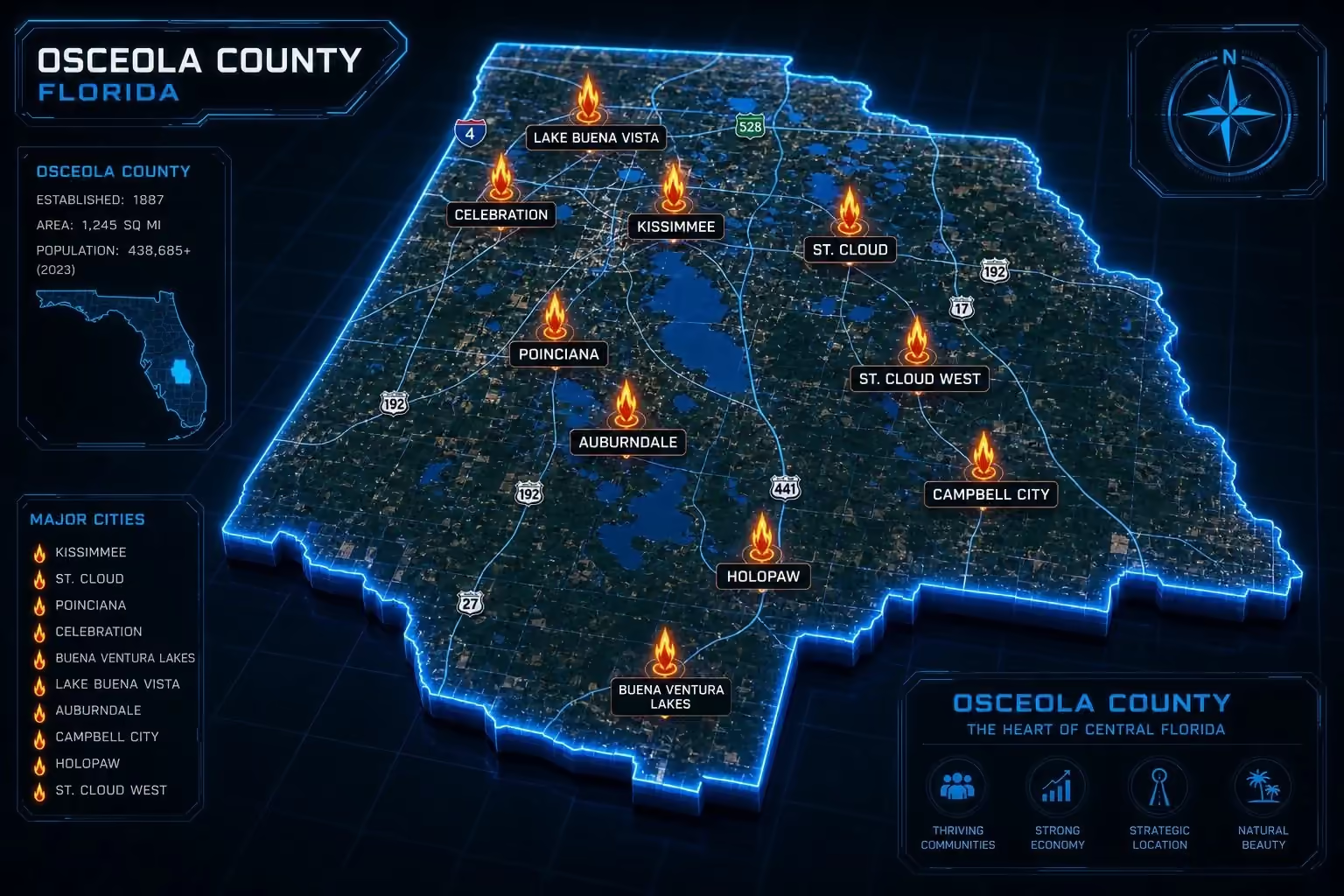
Accessible text coverage is listed below the map and in the county-coverage section. Routing depends on the exact address, safety, access, weather, roads, demand, and crew availability.
24/7 emergency phone line
Dispatch coordination begins within 15 minutes
St. Cloud-based company
Licensed and insured
IICRC-certified technicians
English and Spanish phone support
Dispatch coordination begins within 15 minutes after intake. Arrival time and service availability vary with the property and conditions.
Immediate Answer
Who Handles Emergency Water Extraction in Osceola County?
Hugo Fire & Water Restoration provides 24/7 emergency water extraction for accessible standing water in Osceola County homes and businesses. Technicians screen safety and source conditions, document affected rooms and water depth when applicable, remove bulk water, check materials for remaining moisture, and coordinate structural drying when the property requires more than extraction.
Water extraction is the controlled removal of accessible standing water and excess water from affected surfaces and materials. The method depends on the water source, depth, access, safety, and materials involved. Extraction is an immediate mitigation phase; it does not prove that flooring, walls, cabinets, or concealed assemblies are dry.
First Five Actions
What to Do Before Water Extraction Begins
Protect people first, then preserve useful information without delaying the call. Online guidance cannot determine electrical safety, contamination, structural stability, or the correct extraction method for one property.
1
Keep people away from hazards
Do not enter standing water near outlets, panels, appliances, wiring, a sagging ceiling, or another unsafe condition. Call 911 or the appropriate emergency authority for immediate danger.
2
Stop the source only if safe
Use a reachable fixture shutoff or main water shutoff only when it does not require entering water or approaching electrical or structural hazards. The active source may require a plumber, roofer, utility, or other qualified trade.
3
Protect unaffected areas
Move small, dry belongings away from the water path only when the route is safe. Do not use a household vacuum, and avoid fans when contamination, mold, or loose material may be present.
4
Record what you can see
From a safe position, photograph the source, visible water line or depth, affected rooms, wet carpet, flooring, baseboards, cabinets, and contents before cleanup changes the scene.
5
Call while water is active
Share the exact address, water source, whether it is still flowing, affected rooms, property type, occupancy, known hazards, and safe-access details so extraction can be coordinated.
When Water Removal Is Needed
Signs the Property Needs Professional Water Extraction
Call when water is standing, spreading, stored in carpet or padding, moving beneath flooring, or affecting several rooms, units, or operating areas. The source and safety conditions still determine the correct scope.
Standing or pooled water
Water is collecting on hard flooring, in a room, around cabinets, or in a low area and cannot be removed safely with ordinary cleanup.
Soaked carpet and padding
Carpet may release water under pressure while padding below continues to store moisture and spread it toward walls, trim, or adjoining rooms.
Water beneath flooring
Edges, seams, transitions, baseboards, toe-kicks, or neighboring rooms suggest that water has moved below the visible finished surface.
Plumbing or appliance release
A supply line, water heater, washing machine, dishwasher, refrigerator, sink, toilet, or other indoor source released more water than can be safely contained.
Roof or stormwater intrusion
Rain entered through a roof, window, door, or exterior opening and left accessible water after the weather or temporary protection allowed safe work.
Multi-unit or commercial loss
Water affects shared walls, corridors, multiple rooms or units, inventory, equipment, guest areas, tenants, or operating space that requires organized access and documentation.
Why visible water removal is not the finish line
Water follows seams, edges, gravity, porous materials, and connected cavities. Carpet padding can store water below a surface that feels only damp; baseboards and cabinet toe-kicks can conceal wet edges; flooring can move water toward adjoining rooms. Moisture readings and accessible material checks help establish the affected area before structural drying decisions are made.
Inland Osceola Conditions
Local Conditions That Shape Water-Removal Calls
Osceola County losses commonly connect to inland rainfall, drainage, humidity, HVAC condensate, plumbing, appliances, roof or window openings, lakes and waterways, and managed-property access. No countywide statement predicts the risk at one address.
Heavy inland rainfall
Summer downpours and tropical rainfall can exceed drainage capacity at a particular property, expose openings, and push water toward lower rooms. Osceola is inland, so the useful local focus is rain, drainage, saturated ground, lakes, canals, wetlands, and address-specific flood conditions.
AC and condensate leaks
Central Florida cooling systems operate through long humid periods. A blocked drain, failed pan, air-handler issue, or condensate line can wet ceilings, closets, drywall, flooring, and cabinets, especially when a property is unoccupied.
Plumbing, slab, and appliance failures
Supply lines, pipes inside walls or slabs, water heaters, laundry equipment, dishwashers, refrigerators, and bathroom fixtures can release water without an outdoor storm. Hidden pathways can carry it beyond the first wet room.
Roofs, windows, and exterior openings
Wind-driven rain can enter through damaged roofing, flashing, windows, doors, or penetrations. Temporary protection may need to happen before safe extraction, and wet ceilings or electrical components require extra caution.
Vacation rentals and managed access
A leak found between stays may involve a remote owner, property manager, cleaner, guest schedule, gate, key, HOA, or vendor authorization. Record who can approve access and whether the unit is occupied before work begins.
Commercial and hospitality schedules
Hotels, restaurants, retail, offices, medical spaces, schools, and warehouses may need phased access, work-zone separation, tenant or guest communication, and room-by-room records while operational decisions are made.
Lake Tohopekaliga and the Kissimmee River system are useful regional context, but flood maps and watershed information do not establish the cause, depth, contamination, or coverage of a particular water loss.
Standing water is still spreading?
Call first. Share the exact address, active source, visible depth, affected rooms, electrical concerns, occupants, and safe-access details.
The order can change when source control, electrical safety, contamination, weather, access, authorization, or another qualified trade must be addressed first. Each step should create a clearer record of what was found and what happens next.
1
Emergency Request and Safety Review
The first call identifies active hazards, source status, standing-water conditions, occupants, access, affected rooms, and whether public safety, a utility, or another qualified trade must act first.
2
Source and water-condition review
Technicians confirm what can be safely observed about the source, how far water has moved, and whether outside water, wastewater, or another condition changes controls or scope.
3
Starting-condition documentation
Applicable photographs, affected-room lists, visible water-depth notes, material observations, and access limitations establish what was present before extraction changed the scene.
4
Bulk-water extraction
Accessible standing water is removed using a method suited to the depth, surface, access, source conditions, utilities, and authorized scope. Wet carpet or padding receives material-specific attention.
5
Affected-area and moisture checks
Readings and observations help check flooring, baseboards, drywall, cabinets, toe-kicks, adjoining rooms, and other accessible materials. A surface that looks dry can still have moisture below or behind it.
6
Drying-plan transition
When materials remain wet, the project moves from liquid-water removal to structural drying with appropriate air movement, dehumidification, access decisions, and progress monitoring.
7
Records and next-step coordination
Extraction details, readings, equipment or drying notes, photographs, and remaining conditions are organized for the owner and authorized parties. Repairs, cleaning, contents, or specialty work follow actual conditions and approvals.
Choose the Right Service
Water Extraction vs. Structural Drying vs. Restoration
These services connect, but they answer different questions. Understanding the handoff prevents accessible water removal from being mistaken for a complete drying or restoration plan.
Accessible liquid water
Water Extraction
Removes standing water and water held in accessible carpet or surface materials. It reduces the amount of water present but does not confirm that the building is dry.
Uses moisture observations, air movement, dehumidification, access decisions, and monitoring for drywall, flooring, cabinets, trim, framing, and other wet assemblies.
May include extraction, drying, affected-material evaluation, cleaning, contents support, documentation, and repair or rebuild coordination based on the actual loss.
Equipment selection, quantity, placement, access, and operating time depend on the water source, depth, materials, utilities, safety, and drying progress. Not every project uses every item.
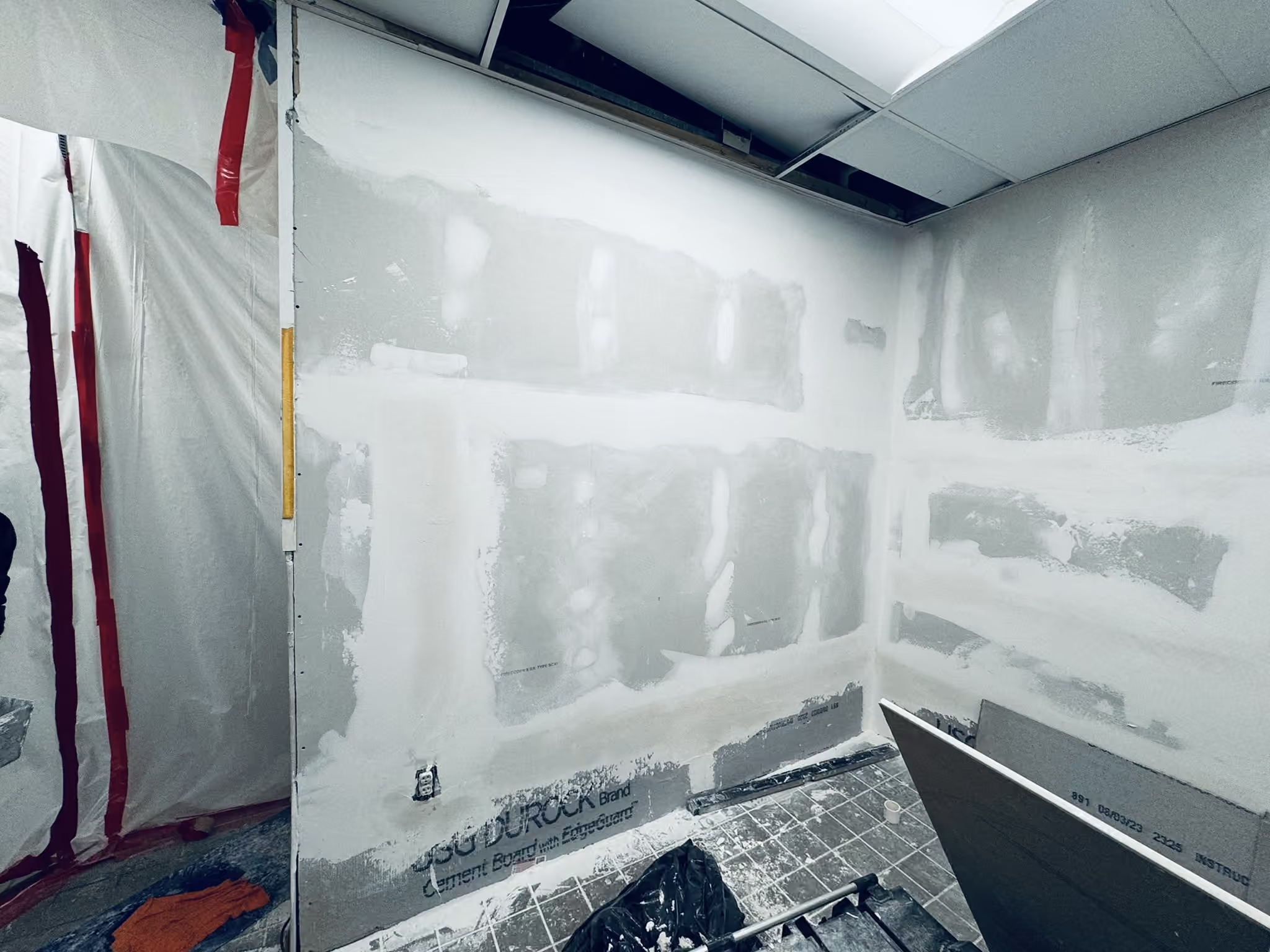
Partially finished walls beside a containment doorway.
Water-extraction equipment
Professional extraction equipment removes accessible bulk water. The exact method depends on water depth, source conditions, flooring, access, utilities, and safe wastewater handling.
Carpet extraction tools
Wet-carpet extraction addresses water held in carpet and accessible layers. Padding, tack strips, subfloor, material condition, and water source still require separate evaluation.
Moisture meters
Material readings help establish affected areas, compare nearby reference areas, and track change. The correct scale, material, and location matter when interpreting a reading.
Thermal imaging
Infrared patterns can direct closer inspection toward temperature differences, but a thermal image does not prove moisture. Suspected areas require confirmation with appropriate readings and observations.
Air movers
After extraction, directed airflow can support evaporation from wet materials when site conditions allow. Placement follows the drying plan and should account for contamination, loose material, occupants, and power.
LGR dehumidifiers
Low-grain refrigerant dehumidification can remove water vapor from the drying environment. Quantity, placement, and operating period depend on the affected volume, materials, conditions, and observed progress.
Residential and Commercial
Water Extraction for Different Property Types
Construction is only part of the response. Occupants, shared systems, operating schedules, contents, access, and approval authority can change how extraction and drying are coordinated.
Residential and managed properties
Residential extraction can involve occupants, pets, belongings, shared assemblies, remote owners, managers, associations, gates, and keys. The intake identifies who can authorize access and which rooms or units are affected.
Commercial extraction planning considers the authorized contact, employees, tenants, guests, operating hours, inventory, equipment, loading access, and work zones that may need temporary separation.
Hugo offers a local base, prompt dispatch coordination, a clear extraction-to-drying handoff, professional credentials, bilingual phone support, and restoration documentation. Arrival, drying time, material outcome, and insurance results depend on the property and other responsible parties.
A real St. Cloud base
Hugo's company address is in Osceola County, giving customers a local point of contact for restoration requests throughout the county.
Dispatch coordination starts promptly
Dispatch coordination begins within 15 minutes after emergency intake. Arrival time and service availability vary with the property and conditions.
Extraction connects to drying
The response does not treat visible water removal as proof of a dry building. Moisture checks guide whether materials need structural drying, access, monitoring, or further evaluation.
Records explain the work
Applicable photographs, water-depth notes, affected-area details, readings, extraction records, and drying notes support clear owner, manager, and carrier communication.
Credentials and customer resources
Customers can review Hugo's licensed-and-insured status, IICRC-certified technicians, leadership profiles, project gallery, and customer reviews.
Bilingual Phone Support
English and Spanish phone support helps owners, occupants, and authorized contacts describe the source, hazards, access, and affected areas during an urgent call.
Meet Hugo and Review Company Credentials
Hugo Garcia is the founder, CEO, and owner. Learn more about his restoration experience, company leadership, and Hugo's credentials.
Extraction changes the scene quickly. A factual record can help owners, managers, the restoration team, and authorized insurance representatives understand the source information, affected areas, visible water, measurements, and authorized mitigation work.
Hugo Fire & Water Restoration can assist with restoration and insurance documentation. Coverage decisions and claim outcomes are determined by the insurance carrier and policy.
Available records depend on the authorized scope and what can be safely observed or performed. Report the loss according to policy requirements, and do not enter a dangerous area solely to create photographs or notes.
Hugo accepts water-extraction requests across the listed communities and surrounding Osceola County areas. Call with the exact property address because safety, access, weather, roads, demand, location, and crew availability affect routing; no city-level arrival time is promised.
Kissimmee
Water-removal help for homes, apartments, hospitality properties, commercial corridors, and managed buildings.
Hugo's office is at 4551 Hunting Lodge Dr in Saint Cloud, Florida. Crews serve Kissimmee, Poinciana, Celebration, Buenaventura Lakes, Narcoossee, and surrounding areas based on property location and availability.
Related Restoration Services
Continue With the Service the Property Actually Needs
Extraction handles accessible liquid water. Choose the related service that matches drying, broader restoration, roof or opening protection, mold, contents, storm, or documentation needs.
Water Damage Restoration
The broader recovery path after extraction, including drying, affected-material decisions, cleaning, documentation, and repair planning.
Immediate Answers for Property Owners and Managers
These answers focus on standing-water removal, wet materials, hidden moisture, drying handoff, property coordination, and documentation. Actual site conditions determine the safe scope.
Call while the water is active and describe only what you can observe from a safe location.
Water extraction is the controlled removal of accessible standing water and excess water from affected surfaces or materials. It is an immediate mitigation step, not proof that the building is fully dry.
Hugo Fire & Water Restoration provides 24/7 emergency intake for water extraction in Osceola County. Call (888) 484-6669 with the address, source, affected rooms, hazards, and access details.
Keep people away from standing water, wet electrical systems, sagging ceilings, and suspected contaminated water. Stop the source only if safe, photograph visible conditions from a safe location, and avoid household vacuums.
The extraction method is selected for the source, water depth, surface, access, utilities, safety conditions, and authorized scope. Accessible water may require different equipment or techniques on hard flooring, carpet, padding, or confined areas.
Not usually when materials remain wet. Extraction removes accessible liquid water; structural drying addresses moisture held in flooring, drywall, cabinets, trim, framing, and other assemblies through readings, air movement, dehumidification, and monitoring.
Technicians use material readings, affected-area observations, nearby reference areas, and sometimes thermal imaging to direct closer inspection. Thermal patterns require confirmation, and inaccessible cavities may require access or additional evaluation.
The answer depends on the water source, time, material condition, installation, contamination concerns, subfloor, and authorized scope. Extraction alone does not determine whether carpet, padding, tack strips, or nearby materials can remain.
Begin safety screening and response coordination as soon as water is standing, spreading, or soaking materials. Exact arrival, extraction, and drying times depend on hazards, weather, roads, access, demand, source control, property conditions, and crew availability.
Yes. Hugo accepts water-extraction requests for homes, vacation rentals, HOAs, multifamily buildings, hospitality properties, retail, offices, warehouses, and other commercial spaces, subject to safety, access, authorization, and service availability.
Depending on the authorized scope, records may include photographs, water-depth notes, affected-room lists, source notes, moisture readings, extraction details, equipment or drying notes, and communications. The carrier and policy determine coverage and claim outcomes.
Official Public Resources
Check Current Warnings and Address-Level Flood Information
These government sources provide public preparedness, flood-map, and weather information. Linking to them does not imply endorsement, and Hugo does not replace emergency authorities, floodplain determinations, or address-specific professional evaluation.
Osceola County Emergency Management
County emergency information, preparedness resources, alerts, and official local updates.
Standing Water or Soaked Materials Need Attention?
Call Hugo Fire & Water Restoration for 24/7 water-extraction intake across Osceola County. Share the exact address, source, visible water, affected rooms or units, known hazards, occupancy, and safe-access details.
Hugo Fire & Water Restoration 4551 Hunting Lodge Dr Saint Cloud, FL 34772 (888) HUGONOW
Call 911 first for immediate life-safety danger.
Osceola County Water Extraction Planning
Water extraction in Osceola County: your first call
Describe safe observations for water extraction in Osceola County. Note when you first noticed accumulated water in Osceola County and whether conditions change.
Reviewed by Hugo Fire & Water Restoration on .
What should I do before arranging water extraction in Osceola County?
Leave unsafe areas and keep others away from hazards. Describe accumulated water only from a safe location.
Safe observations before water extraction in Osceola County
Do not enter hazardous areas. Avoid wet electrical areas. Report active water only when safely observable.
Identify known access hazards when requesting water extraction in Osceola County
Explain what has changed since you noticed accumulated water in Osceola County
Property details for water extraction in Osceola County
For water extraction in Osceola County, share the address, affected areas, and timing. For water extraction in Osceola County, identify known sources. For water extraction in Osceola County, provide access instructions and authorized contacts.
List rooms, units, or belongings affected by accumulated water in Osceola County
Distinguish the damage timeline from completed water extraction work in Osceola County
Records supporting water extraction in Osceola County
Keep safe photos and dated area labels for water extraction in Osceola County. Save contacts, receipts, messages, and completed-work notes for Osceola County water extraction.
Take photos of accumulated water only from a safe position
Group incident records separately from completed-work notes for water extraction in Osceola County
Questions to ask before work begins: Water extraction in Osceola County
Can I call early about water extraction in Osceola County?
Yes, discuss safe observations when asking about water extraction in Osceola County. Explain when you noticed accumulated water in Osceola County. For water extraction in Osceola County, report whether any known source remains active.
What documentation can Hugo discuss for water extraction in Osceola County?
Hugo can organize factual incident and completed-work records for water extraction in Osceola County. Your policy and insurance carrier determine coverage.