Control the Risk
The cleanup plan starts with what may be unsafe to touch, breathe, or spread.
Specialty cleaning, contamination control, surface sanitization, odor control, affected-material cleanup, and safety-first restoration support. Call first if the damage is active, then use the form for property details and documentation support.
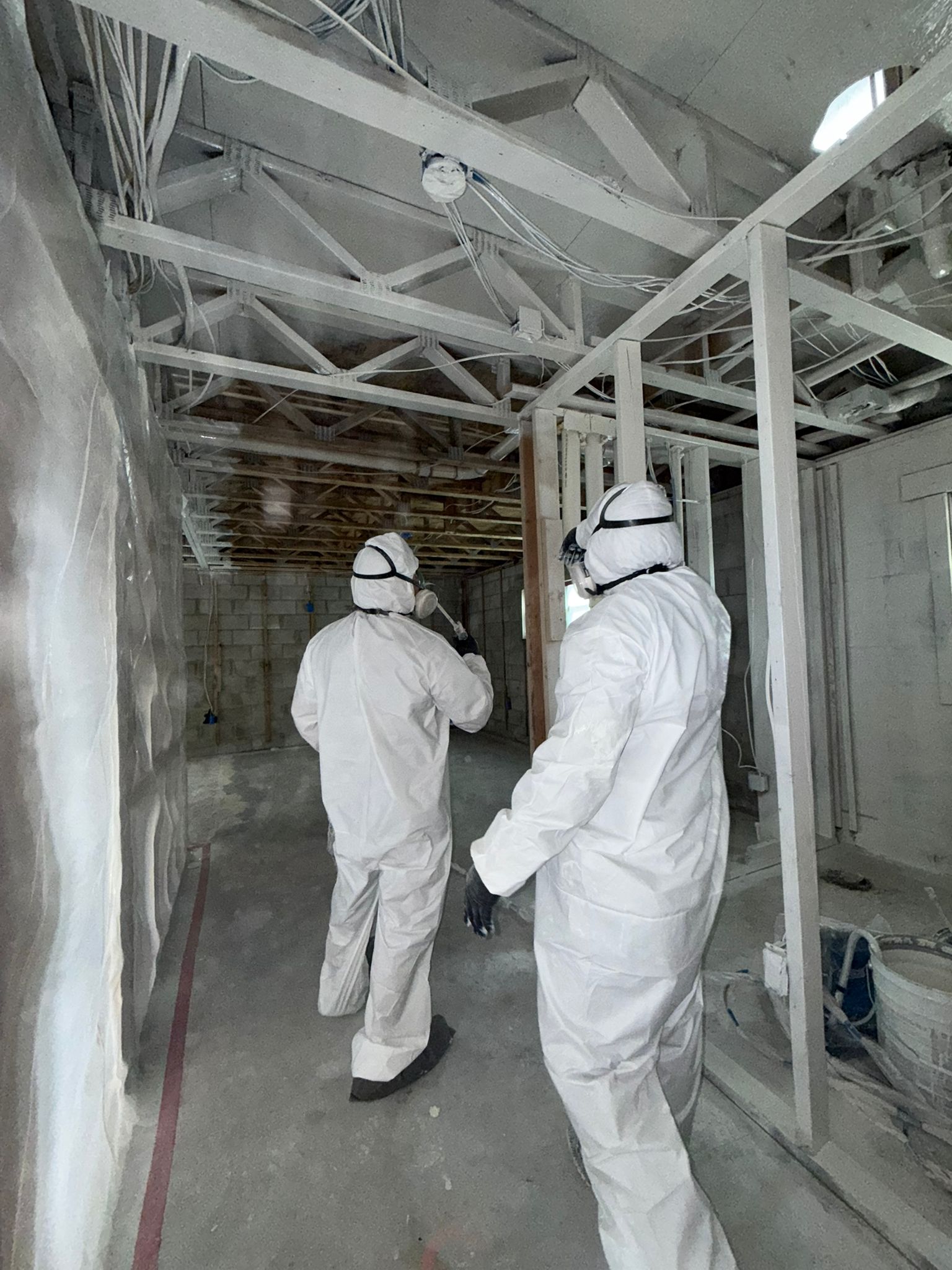
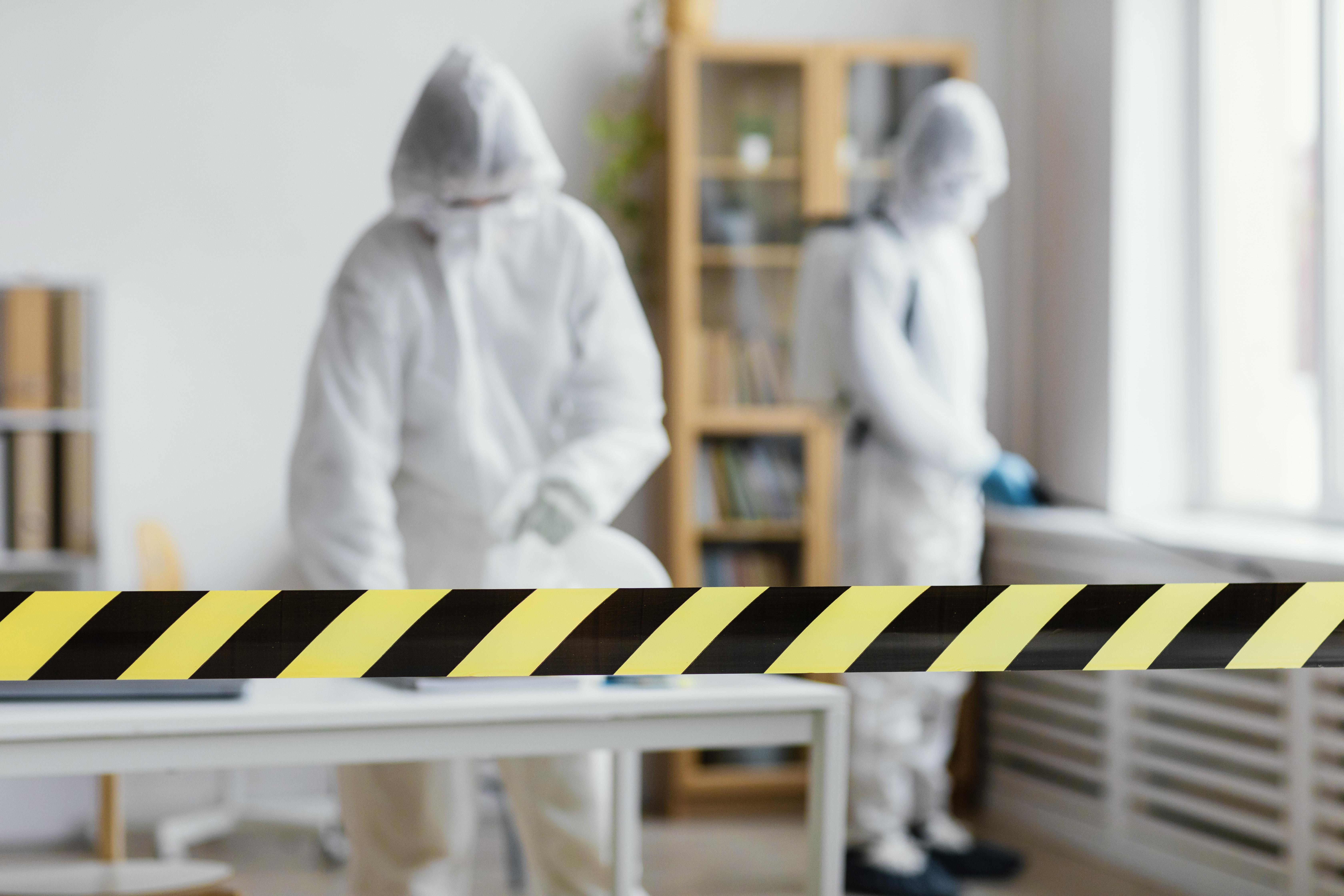
Decontamination services support restoration-related specialty cleaning after floodwater, mold conditions, smoke residue, odor, or other property-damage concerns. The process can include containment, affected-material cleanup, surface sanitization, air filtration support, odor control, and final review.
Clean, treat, verify
If there is life safety danger, active fire, gas, electrical danger, structural collapse, or medical risk, call 911 first. If the property is safe to approach, call the restoration line and avoid disturbing damaged or contaminated areas.
Request decontamination services when floodwater, mold conditions, smoke residue, odor, or unsafe contamination concerns require controlled cleanup, surface sanitization, air filtration support, and safety-first restoration planning.
Call immediately when damage is active, spreading, contaminated, or exposing the property to weather or security risks. Fast mitigation can reduce secondary damage.
Some restoration situations involve more than water or debris. Contaminated water, floodwater, biological materials, heavy odors, smoke residue, or unsanitary conditions may require a more careful cleanup plan. Avoid direct contact, keep people away from affected areas, and call for decontamination and sanitization guidance when materials may be unsafe to handle. The first conversation should cover the source, affected rooms, exposure concerns, and whether the area is still active.
A focused restoration call helps the team understand urgency, access, active damage, and which next step fits the property. You do not need a perfect diagnosis before calling; share what you can see, what changed, and whether the damage is still spreading.
Common water damage details include soaked flooring, wet carpet pad, drywall, baseboards, cabinets, insulation, ceilings, closets, contents, and hidden cavities that may need moisture checks after visible water is removed.
Useful documentation may include photos before cleanup, source notes, extraction records, moisture readings, drying logs, affected-material notes, and insurance communication records. Hugo can help organize restoration documentation, but insurance carriers decide coverage and claim outcomes.
A decontamination request usually starts with safety, access, the active damage source, and the rooms or materials already affected. Hugo asks for those details first because they shape the next step more than a broad service label does.
Central Florida properties can involve humid building conditions, storm exposure, roof openings, slab leaks, AC leaks, smoke residue, hidden moisture, or managed-property communication. Clear early notes help the team discuss mitigation, cleanup, temporary protection, and documentation without making claim-outcome promises.
If you are comparing restoration companies before calling, look for direct emergency access, service-area clarity, plain explanations, and help organizing photos, damage notes, affected-area details, and restoration records. For active damage, calling is still the fastest path.
Property damage rarely stays in one neat category. A roof leak can lead to water damage, wet drywall, odor, and mold concerns. A fire can leave smoke residue, exposed openings, and water from suppression efforts. Hugo helps you connect the immediate problem to the right next step so the property is protected before secondary damage spreads.
If you need decontamination cleanup support, the most useful first call is one that explains what is active, where the damage is located, and whether the property is safe to enter. Hugo helps emergency restoration customers across St. Cloud, Kissimmee, Orlando, Lakeland, Melbourne, Palm Bay, Daytona Beach, Clermont, Winter Haven, Davenport, and nearby Central Florida communities, then helps organize photos, mitigation notes, drying or cleanup details, and insurance documentation support without promising claim outcomes.
Specialty cleaning, contamination control, surface sanitization, odor control, affected-material cleanup, and safety-first restoration support. The work may include inspection, mitigation, cleanup, drying or treatment, documentation, and restoration planning based on the damage type.
Hugo Fire & Water Restoration is a St. Cloud-based restoration company serving Central Florida.
Water, fire, mold, storm, board-up, roof tarping, contents, drying, cleanup, and insurance documentation support.
Central Florida, including Osceola, Polk, Brevard, Orange, Lake, Sumter, Volusia, and Seminole counties.
Yes. Hugo provides 24/7 emergency help for active restoration requests.
Yes. Hugo can help organize photos, mitigation notes, scope details, and communication support without guaranteeing claim outcomes.
For active emergencies, call first. Use the form for property details, documentation, and follow-up support.
After water damage, call 911 for electrical or life-safety hazards, stop the source only if safe, keep clear of wet electrical areas, document visible damage, and call Hugo for extraction, drying, and documentation support.
A clear step-by-step process helps reduce confusion and keeps the recovery moving.
Risk assessment
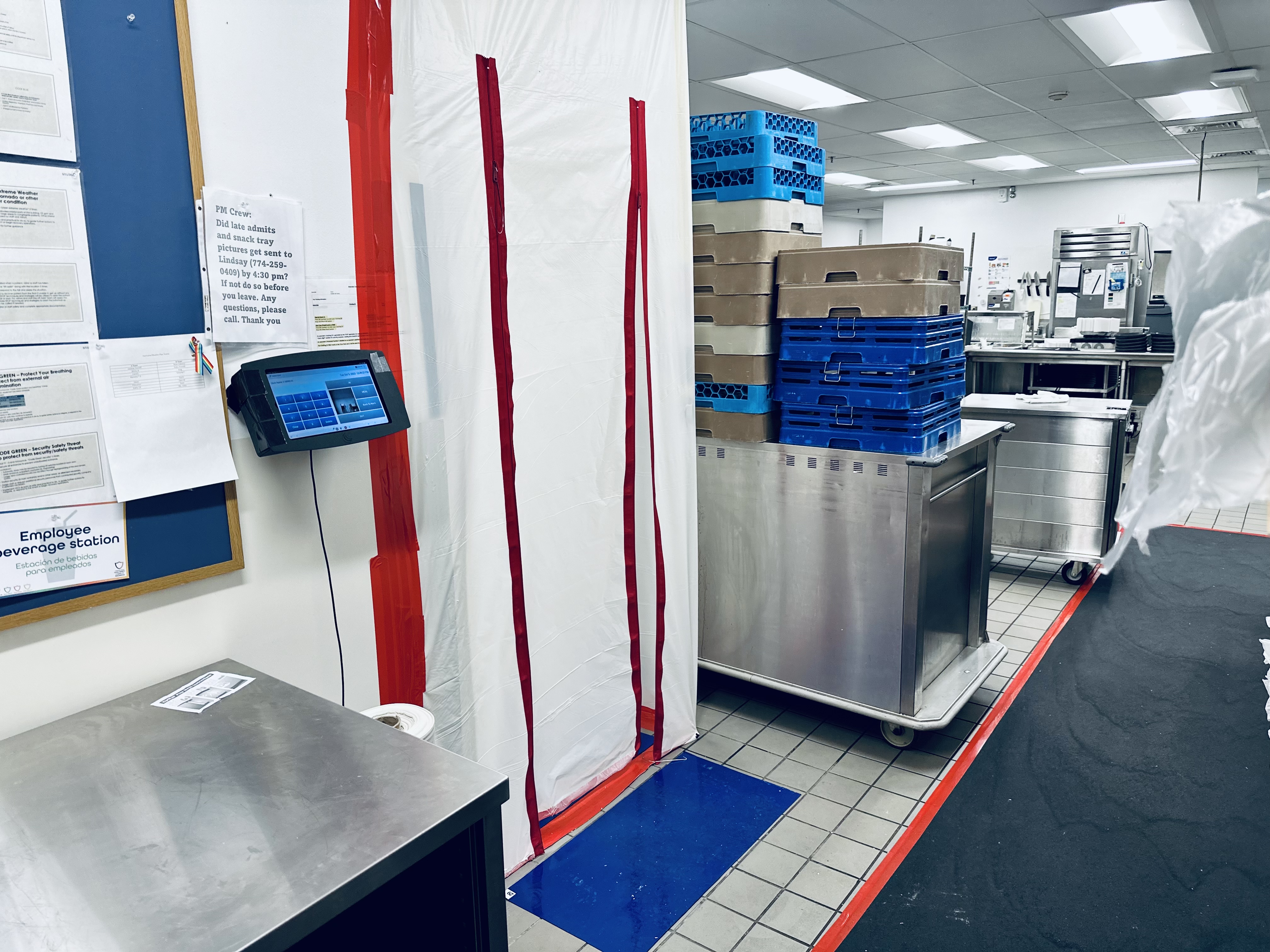
Containment and protection plan
Removal or treatment of affected materials
Cleaning and surface sanitization
Odor control
Final review
Fast mitigation, practical property protection, and clear updates help Central Florida property owners move from damage control into recovery with less confusion.
The cleanup plan starts with what may be unsafe to touch, breathe, or spread.
Air scrubbers, disinfectants, containment, and protective procedures support safer cleanup.
The goal is a cleaned, treated, and documented space that can move toward normal use again.
The process can include photos, notes, mitigation records, and adjuster coordination support. Insurance information is general and does not guarantee coverage, reimbursement, or claim approval.
Decontamination service can include containment, affected-material cleanup, surface sanitization, odor control, air filtration support, and disposal coordination depending on the property condition and safety needs.
Yes. Decontamination requests can be handled for residential and commercial properties.
Yes. Decontamination is often bundled with mold work, smoke cleanup, or specialty restoration when unsafe property conditions are present.
These public resources support the safety-first guidance on this page. They help property owners understand flood, fire, mold, storm, cleanup, and documentation considerations while Hugo focuses on active property damage response.
Choose a priority service area for local decontamination steps, nearby county links, phone support, and documentation help.
When your property needs decontamination and sanitization in Central Florida, keep people away from hazards. Note when decontamination and sanitization in Central Florida began and whether conditions are changing.
Reviewed by Hugo Fire & Water Restoration content team on 2026-07-31.
Before decontamination and sanitization in Central Florida, leave unsafe areas. Describe only decontamination and sanitization in Central Florida conditions that you can see safely.
For decontamination and sanitization in Central Florida, keep people away from suspect residue until its source is understood.
Keep safe photos, dates, and room names for decontamination and sanitization in Central Florida. Save contacts and completed-work notes about decontamination and sanitization in Central Florida.
For decontamination and sanitization in Central Florida, share the address, source, affected rooms, and timeline. Also explain access and the authorized contact for decontamination and sanitization in Central Florida.
Yes. Tell Hugo what you can safely see for decontamination and sanitization in Central Florida. Explain when decontamination and sanitization in Central Florida began and whether the source is still active.
Hugo can organize factual records for decontamination and sanitization in Central Florida; your insurance policy and carrier determine coverage.
Call 24/7 when decontamination and sanitization in Central Florida needs attention. Use the request form for safe decontamination and sanitization in Central Florida details.
Call the 24/7 emergency line or send a request so urgent fire, water, mold, and storm damage can be handled quickly.