Smoke and Soot Residue
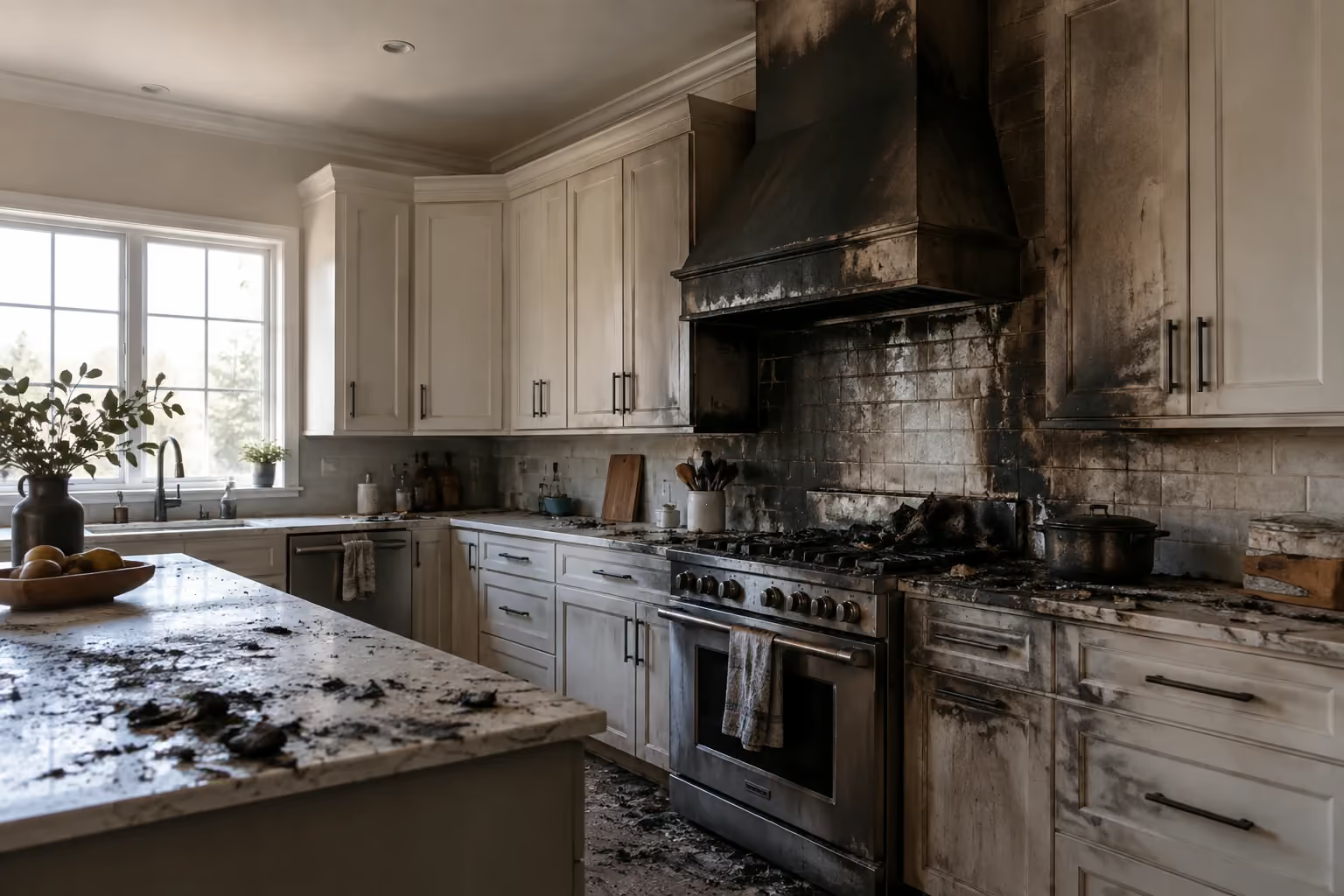
Fire and smoke can leave residue on supported walls, ceilings, fixtures, cabinets, furnishings, and other surfaces that require condition-specific cleaning.
When property damage leaves smoke residue, mold-related surface concerns, floodwater exposure, storm debris, persistent odor, or another supported cleaning need, Hugo can assess the affected area and build a condition-specific restoration plan.
Call 911 first for active fire, collapse, electrical danger, gas odor, medical danger, or another life-safety emergency. Do not enter an unsafe area to inspect residue, odor, debris, or affected materials.
Hugo has IICRC-certified technicians; this is a technician credential, not a business-level certification or a guarantee of a result. The 15-minute timeframe begins dispatch coordination after intake and is not a guaranteed arrival time.
Hugo Fire & Water Restoration provides 24/7 restoration-related decontamination and sanitization intake throughout Osceola County. The St. Cloud-based team can review property-damage conditions involving smoke residue, mold-related surface concerns, floodwater exposure, persistent odor, and supported specialty-cleaning needs. Work is selected for the affected surface, condition, access, safety, and authorized restoration scope.
Call 24/7: (888) HUGONOWThese scenarios begin with a restoration condition, not routine housekeeping. The appropriate next step depends on the source, affected surfaces and materials, access, occupancy, and authorized scope.
Fire and smoke can leave residue on supported walls, ceilings, fixtures, cabinets, furnishings, and other surfaces that require condition-specific cleaning.
Visible growth, debris, or musty odor may require a coordinated mold-remediation and surface-cleaning plan tied to the affected materials and moisture source.
Storm or floodwater exposure can leave soil, debris, residue, and contamination concerns that should be assessed before ordinary cleanup begins.
Roof openings, broken windows, wind-driven rain, and debris can create mixed cleaning and restoration needs inside a property.
Smoke, water, mold, and storm losses may leave odor sources that require review alongside the affected surfaces, materials, and contents.
Cleaning fixed surfaces may need to be sequenced with furniture, equipment, household goods, or business contents in the same work area.
Apartments, condos, rentals, and managed buildings can add access, occupant, authorization, and work-zone coordination.
Hotels and vacation rentals can require organized access, documentation, surface-specific planning, and coordination with property operations.
Offices, retail, restaurants, and facilities may need phased cleaning around operating hours, responsible contacts, and restoration dependencies.
After the source is controlled, supported surfaces and materials may still need cleaning, sanitization, odor-source work, or documented next steps.
Protect people first. Document only what can be seen safely, keep occupants away from affected areas when possible, and avoid actions that can spread residue or create another hazard.
The plan should fit the confirmed source, supported surfaces and materials, property conditions, responsible contacts, and authorized restoration work.
Ask which cleaning methods suit the affected materials. Results vary; complete odor removal and property safety cannot be guaranteed. Some conditions require a separate qualified specialist.
Smoke, mold, floodwater, and storm damage create different surface, material, contents, access, and restoration dependencies. Mixed losses may require more than one path.
Residue type, heat, surface, finish, exposure time, firefighting activity, contents, and odor sources can change the cleaning plan. Avoid wiping soot before review because improper cleaning can spread or set residue.
Review connected restoration helpMold-related cleaning should stay connected to source control, affected-material decisions, work-area planning, and Florida-licensed remediation when that scope applies. Casual disturbance can spread debris.
Review connected restoration helpStorm or floodwater can bring soil, debris, residue, and uncertain conditions indoors. The next step depends on the reported source, affected materials, access, and broader flood-cleanup plan.
Review connected restoration helpWind, rain, roof openings, broken windows, and debris can create mixed cleaning, temporary-protection, contents, and repair needs that should be sequenced together.
Review connected restoration helpThe difference is the property-damage condition and the planning around it. Routine housekeeping is not the service described on this page.
The order can change with safety, access, active damage, occupancy, affected materials, contents, authorization, and connected restoration needs.
Confirm the address, what happened, source of concern, affected areas, active conditions, occupancy, safe access, and authorized contact.
Review visible residue, odor, affected surfaces, materials, contents, access limits, and connected property damage before defining work.
Identify the supported work area, nearby spaces to protect, access route, occupants, operating limits, and temporary separation needs.
Select cleaning, sanitization, odor-source, affected-material, contents, or specialist-coordination steps for the confirmed condition.
Coordinate authorized protection, contents movement, utility considerations, and other restoration work before active cleaning begins.
Perform the agreed surface cleaning, sanitization, residue work, and connected tasks for the supported areas and materials.
Record applicable photographs, visible conditions, work completed, scope changes, unresolved materials, and connected restoration needs.
Review the authorized work and coordinate remaining drying, remediation, contents, repair, or reconstruction steps with responsible contacts.
The access, occupants, decision-makers, work zones, documentation, and restoration sequence should fit the property and the people responsible for it.
Residential restoration cleaning can affect occupied rooms, personal property, children, pets, tenants, landlords, and remote owners. Hugo helps organize access, affected areas, surface-specific work, documentation, and connected restoration steps without making a blanket safety or outcome promise.
Commercial work can add guests, tenants, employees, operating hours, business contents, responsible contacts, access rules, and phased restoration. The scope should identify priority areas and coordinate cleaning with the property’s broader recovery plan.
Osceola County combines year-round homes, vacation rentals, hospitality, multi-unit housing, commercial growth, severe summer weather, and humid conditions. Those patterns can change access, occupancy, timing, documentation, and work-zone planning.
Damage may be found after a delay, and remote owners or managers may need clear access instructions, photographs, and work updates.
Hotels and short-term rentals can add guest areas, operating schedules, furnishings, access windows, and business-continuity coordination.
Residue, odor, moisture, or restoration activity may affect more than one unit and require coordination among occupants, owners, associations, and managers.
Warm, humid conditions can complicate delayed water, mold, odor, and surface concerns, making source control and timely review important.
Wind-driven rain, roof openings, broken windows, debris, and floodwater can create mixed cleaning and building-restoration needs away from the coast.
Kissimmee, St. Cloud, Celebration, Poinciana, and nearby areas include lodging, retail, offices, healthcare, education, and managed properties with different access needs.
Cleaning may be one part of a larger restoration project. Explore related services for damaged surfaces, belongings, and building materials.
Connect surface cleaning and odor-source work with stabilization, smoke and soot cleanup, contents decisions, and repair planning.
Open serviceReview residue, surface type, odor sources, contents, affected rooms, and cleaning dependencies after smoke damage.
Open serviceCoordinate supported cleaning with source control, work-area planning, affected-material decisions, and licensed remediation.
Open serviceConnect floodwater-related cleaning with safe access, debris, affected materials, documentation, and the wider restoration plan.
Open serviceOrganize temporary protection, cleanup, contents, documentation, and repair needs after wind and rain damage.
Open serviceCoordinate furniture, household goods, business contents, photographs, inventory notes, and handling decisions.
Open serviceReview odor sources and connected surfaces, materials, contents, and restoration conditions.
Open serviceOrganize applicable photographs, work records, scope details, and communications without promising a claim result.
Open serviceUseful records connect the reported source, affected areas, visible conditions, authorized work, scope updates, and remaining restoration steps. They should stay factual and avoid promising an insurance outcome.
The carrier and policy determine coverage, approval, payment, reimbursement, and claim outcomes. Hugo's records support communication but do not decide the claim.
A responsible price depends on the actual source, areas, surfaces, materials, access, occupancy, documentation, connected restoration work, and authorized scope. A page cannot provide a reliable property-specific quote.
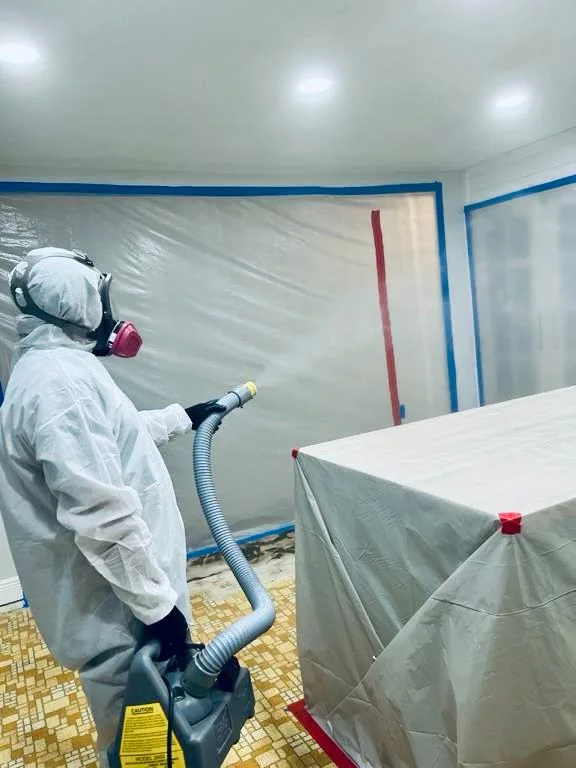
These images show separated work areas and protected surfaces from Hugo projects. They do not establish the scope, product, method, or result for another property.
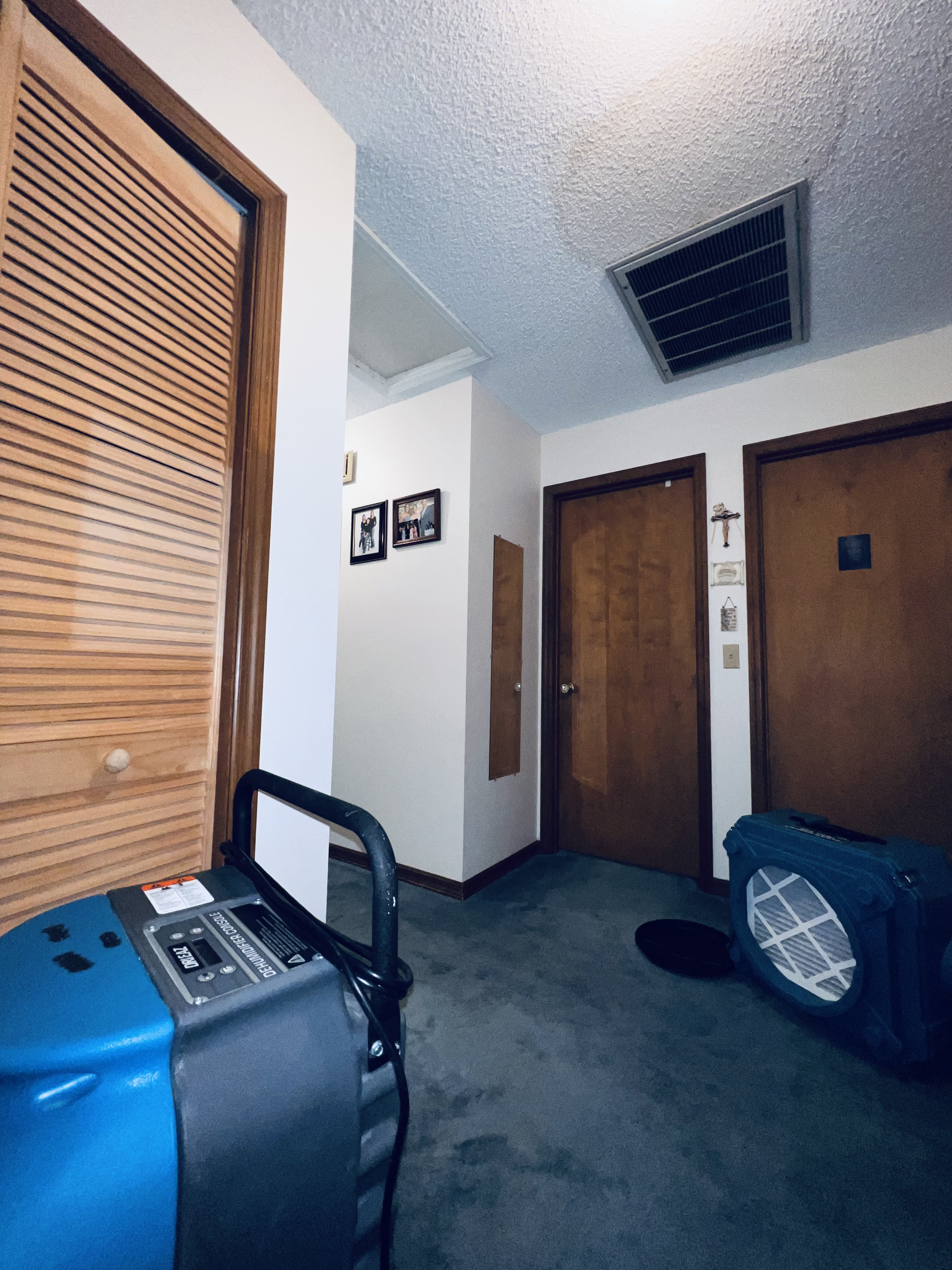
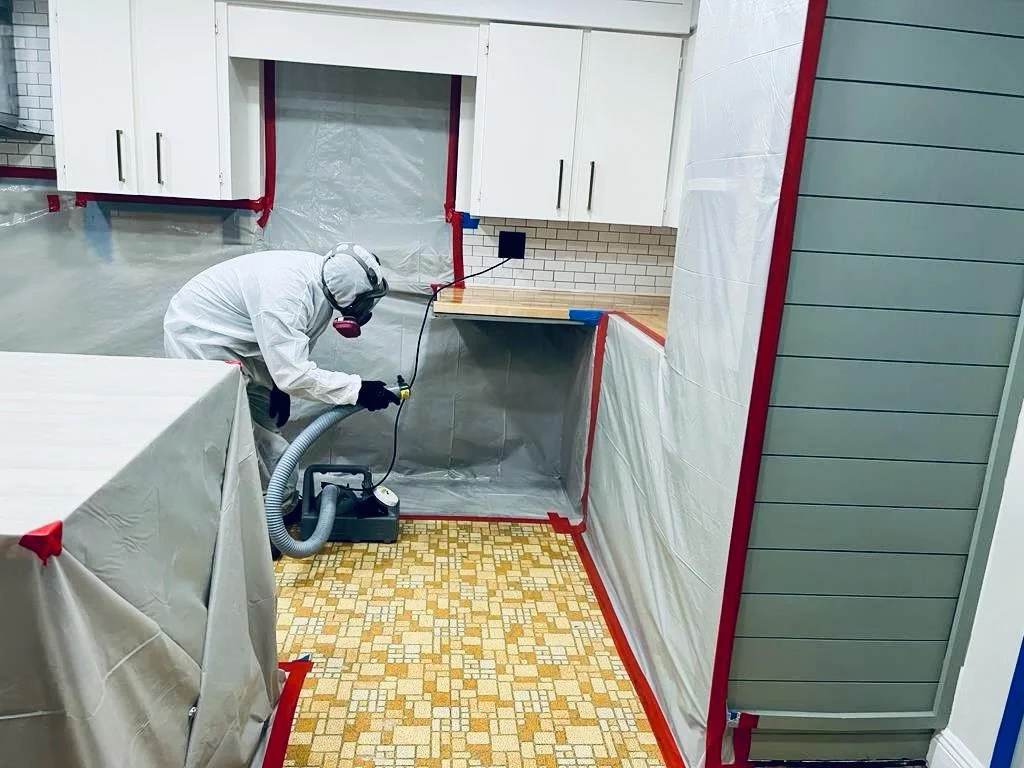
A real project comparison can show the relationship between residue cleaning and structural restoration, but it cannot predict the outcome for a different property, material, or condition.
Scope, immediate steps, smoke residue, mold-related cleaning, floodwater exposure, odor, products, property use, commercial work, dispatch, documentation, and Osceola County coverage.
It is condition-specific specialty cleaning connected to property damage. Depending on the confirmed scope, work may involve supported surface cleaning, sanitization, smoke-residue work, odor-source steps, affected-material decisions, contents coordination, documentation, and transition to other restoration work.
Hugo Fire & Water Restoration provides 24/7 restoration-related decontamination and sanitization intake throughout Osceola County. The St. Cloud-based team reviews the reported source, affected areas, surfaces, materials, access, occupancy, and connected restoration needs before defining work.
Call when property damage leaves smoke or soot residue, mold-related surface concerns, floodwater exposure, storm debris, persistent odor, or another supported cleaning need that goes beyond routine housekeeping. Call 911 first for immediate life-safety danger.
Ordinary cleaning addresses routine dust, soil, and housekeeping. Restoration-related decontamination starts with a property-damage condition and may require work-zone planning, surface- and material-specific decisions, documentation, affected-material coordination, and sequencing with fire, mold, flood, storm, contents, or repair work.
The confirmed scope may include condition review, work-zone planning, supported surface cleaning, surface sanitization, smoke-residue cleaning, odor-source work, affected-material and contents coordination, photographs, work notes, and transition to connected restoration tasks.
Yes. Hugo can connect supported surface cleaning and odor-source work with the wider fire-restoration plan. Residue type, heat, surface, finish, exposure time, contents, and firefighting activity can change the appropriate method and sequence.
Hugo can coordinate supported surface cleaning with source control, work-area planning, affected-material decisions, and Florida-licensed mold remediation when that scope applies. Avoid disturbing suspected growth or using fans that could spread debris.
Hugo can review supported restoration cleaning needs after storm or floodwater exposure. The plan depends on the reported source, visible soil or debris, affected materials, access, safety, contents, and the connected flood-cleanup scope.
No. Odor work depends on the source, affected materials, spread, access, prior conditions, connected property damage, and authorized scope. Hugo can review odor sources and appropriate restoration steps without promising complete removal or a specific result.
The page does not promise a specific product or method. The appropriate approach depends on the confirmed condition, surface, material, manufacturer guidance, access, safety, and authorized work. Hugo explains the proposed scope for the property before work proceeds.
Do not rely only on appearance or odor. Follow emergency-service, utility, building, property-management, or other responsible-party instructions and keep people away from visibly affected areas when it is safe to do so. A web page cannot determine the condition of a specific room.
Yes. Hugo accepts authorized restoration-cleaning requests for homes, rentals, hotels, offices, retail, restaurants, multifamily properties, and other supported commercial or managed sites. Access, occupants, operating hours, contents, and responsible contacts affect the plan.
Hugo's verified 15-minute dispatch process begins coordination after emergency intake. It does not promise a specific arrival time. Location, safety, access, roads, weather, demand, authorization, and crew availability can affect timing.
No. Hugo can organize applicable photographs, visible-condition notes, work records, scope updates, and restoration communications, but the carrier and policy determine coverage, approval, payment, reimbursement, and claim outcomes.
Share the property address, what happened, whether the property is safe to enter, source of concern, affected areas, whether the condition is still active, property use, people or pets present, preferred contact method, and any safe-access details.
Hugo accepts restoration-related decontamination and sanitization requests throughout Osceola County, including Kissimmee, St. Cloud, Poinciana, Celebration, Buenaventura Lakes, Narcoossee, and nearby communities. Timing depends on the exact address and current conditions.
Choose a nearby community page for broader local restoration information. The exact address, source, conditions, safety, access, demand, and crew availability affect response coordination.
Explore the broader service definition, common signs, process, connected services, and Central Florida coverage alongside Osceola County details.
These government resources provide general public guidance. They do not replace property-specific instructions from emergency services, utilities, building officials, property managers, or qualified professionals.
County alerts, preparedness, shelter, response, and recovery information.
Open public resourcePublic guidance about moisture control and mold cleanup considerations.
Open public resourceFederal guidance about access, recovery, documents, insurance communication, and property security after a home fire.
Open public resourceGeneral guidance about photographing damage and keeping records before safe cleanup changes the scene.
Open public resourceCall to discuss what happened, the source of concern, affected areas, active conditions, safe access, property use, occupants, and the authorized contact for the loss.
Do not enter an unsafe area or disturb residue, suspected mold, floodwater-affected materials, sharp debris, or unstable surfaces to inspect the damage.
Describe safe observations for decontamination and sanitization in Osceola County. Note when you first noticed contamination concerns in Osceola County and whether conditions change.
Reviewed by Hugo Fire & Water Restoration on .
Leave unsafe areas and keep others away from hazards. Describe contamination concerns only from a safe location.
Do not enter hazardous areas. Avoid wet electrical areas. Report active water only when safely observable.
For decontamination and sanitization in Osceola County, share the address, affected areas, and timing. For decontamination and sanitization in Osceola County, identify known sources. For decontamination and sanitization in Osceola County, provide access instructions and authorized contacts.
Keep safe photos and dated area labels for decontamination and sanitization in Osceola County. Save contacts, receipts, messages, and completed-work notes for Osceola County decontamination and sanitization.
Yes, discuss safe observations when asking about decontamination and sanitization in Osceola County. Explain when you noticed contamination concerns in Osceola County. For decontamination and sanitization in Osceola County, report whether any known source remains active.
Hugo can organize factual incident and completed-work records for decontamination and sanitization in Osceola County. Your policy and insurance carrier determine coverage.
Call Hugo 24/7 about decontamination and sanitization in Osceola County. Send safe decontamination and sanitization in Osceola County details through the request form.