When water, fire, smoke, mold, or storm damage reaches furniture, clothing, household goods, keepsakes, or business property, Hugo can help document the affected items, review cleaning feasibility, organize handling, and coordinate the authorized restoration plan.
Call 911 first for active fire, collapse, electrical danger, gas odor, medical danger, or another life-safety emergency. Do not enter an unsafe area to inspect belongings.
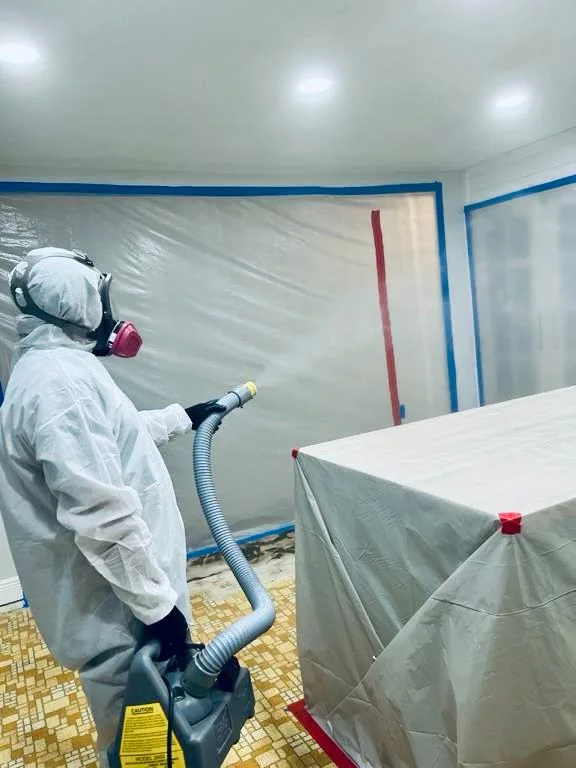
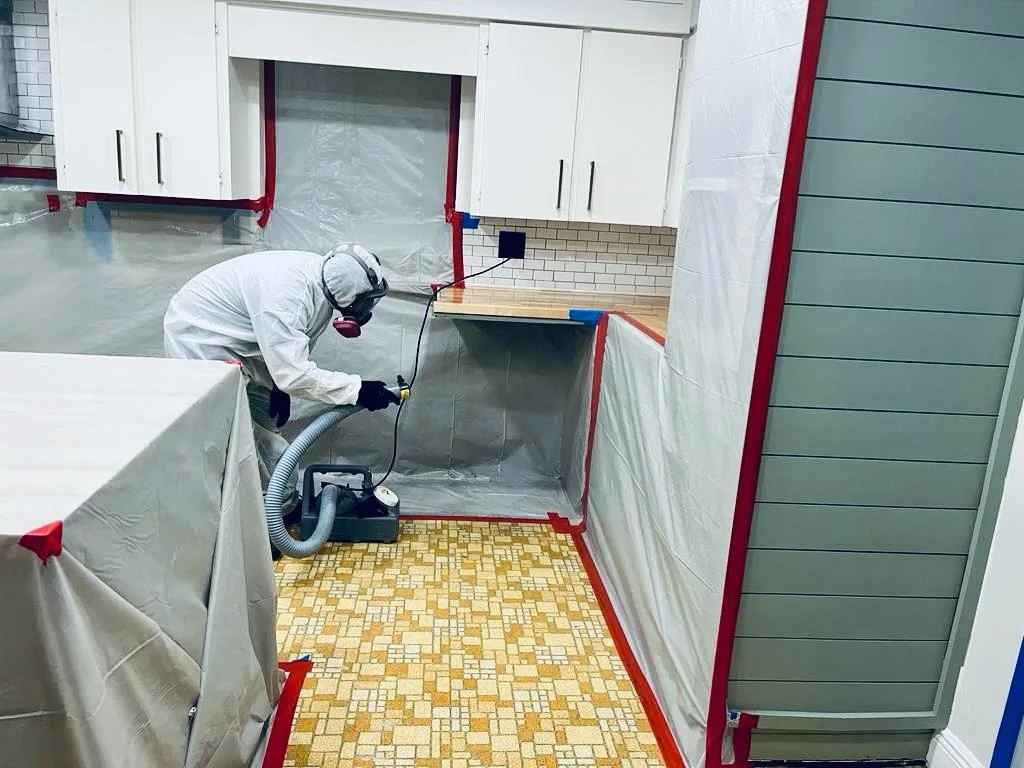
Hugo project media showing contained detail cleaning around protected property. Individual belongings require their own material, damage, contamination, condition, and safety review.
24/7 Phone Support
St. Cloud-based team
IICRC-certified technicians
English and Spanish support
Photo and inventory support
Verified dispatch process
Hugo has IICRC-certified technicians; this is a technician credential, not a business-level certification or a guarantee of a result. The 15-minute timeframe begins dispatch coordination after intake and is not a guaranteed arrival time.
24/7 LOCAL HELP
Who Provides Contents Cleaning in Osceola County?
Hugo Fire & Water Restoration provides 24/7 contents-cleaning intake throughout Osceola County. The St. Cloud-based team can review, photograph, inventory, and coordinate cleaning or handling for belongings affected by water, fire, smoke, mold, storm, or related contamination. Every item is evaluated by material, damage, contamination, condition, and safety; some belongings may not be suitable for cleaning or restoration.
Protect people first. Document only what can be seen safely, and avoid actions that can spread residue, create an electrical hazard, or erase useful condition records.
Do
Photograph affected rooms and visible belongings from a safe position before cleanup changes the scene.
Keep a simple list of items, rooms, and known damage if it is safe to do so.
Call Hugo early when water, soot, smoke odor, visible growth, debris, or contamination affects belongings.
Follow fire-department, utility, building, or emergency-management access instructions.
Do not
Do not discard items before documentation unless safety, health, or an authority requires removal.
Do not wipe soot, use household cleaners, or apply deodorizer before the residue is reviewed.
Do not power on wet or fire-affected electronics or appliances.
Do not handle suspected mold, contents exposed to potentially contaminated water, sharp debris, or items in an unsafe area.
BELONGINGS WE CAN HELP REVIEW
Contents Categories After Water, Fire, Smoke, Mold, or Storm Damage
A category is a starting point, not a promise of restorability. Material, damage, contamination, condition, safety, and the authorized scope determine the next step.
Furniture and Furnishings
Upholstered and hard-surface furniture, mattresses, rugs, lamps, and room furnishings require material- and condition-specific review.
Clothing and Household Textiles
Clothing, linens, curtains, bedding, and other textiles may require a qualified specialty cleaner depending on residue, contamination, and care requirements.
Photos, Books, and Documents
Paper-based items can be time-sensitive. Hugo can document their condition and coordinate next steps, but does not claim in-house document-restoration or freeze-drying capability.
Electronics and Appliances
Wet, sooted, or heat-affected electronics should remain off. Evaluation or recovery may require an appropriately qualified specialist.
Artwork, Décor, and Collectibles
Materials, finishes, age, value, fragility, and prior condition affect whether specialty conservation or another qualified provider is appropriate.
Kitchen and Household Goods
Cookware, dishes, small appliances, toys, and everyday items are reviewed for residue, water source, contamination, material, and safe use.
Keepsakes and Personal Items
Sentimental value matters, but safe handling and restoration feasibility still depend on the item and the damage present.
Tools, Equipment, and Supplies
Corrosion, electrical exposure, residue, contamination, and manufacturer guidance can affect the next step for tools and equipment.
Business and Hospitality Contents
Office furnishings, retail goods, guest-room contents, restaurant property, and managed-unit inventories may require owner, manager, tenant, or carrier coordination.
CLEAR SERVICE SCOPE
What Cleaning and Pack-Out Planning Can Include
The plan should fit the loss, property, items, authorized work, and qualified providers actually available for the job.
Confirm which items can be moved, cleaned, or restored before approving a pack-out. Ask who will provide any storage or specialty recovery services.
Room-by-room photographs and item notes before authorized cleaning or movement changes the scene
Item grouping by material, damage type, visible condition, contamination concern, and handling need
Cleaning-feasibility review and a plan for items that may remain onsite or need specialty-provider coordination
Pack-out planning when authorized work requires organized labeling, packing, movement, or return coordination
Progress notes for items cleaned, referred, held for a decision, or considered unsuitable for restoration
Coordination with the structural restoration plan so contents work does not obstruct extraction, drying, soot cleanup, or remediation
DAMAGE-SPECIFIC DECISIONS
How the Loss Type Changes Contents Handling
Mixed losses are common. Fire can include firefighting water, storms can include rain and debris, and prolonged moisture can add mold or contamination concerns.
Fire and Smoke
Soot type, heat, smoke odor, firefighting water, material, and exposure time can change how an item should be handled. Avoid wiping soot before review because improper cleaning can spread or set residue.
Water source, time, porosity, finish, corrosion risk, and microbial conditions affect whether belongings can be dried, cleaned, or need another decision. Wet electronics should remain off.
Visible growth, musty odor, damp storage, and delayed-discovery leaks require careful handling to avoid spreading debris. The building moisture source and affected materials must also be addressed.
Wind-driven rain, roof openings, broken glass, debris, power interruption, and delayed access can create mixed water, impact, contamination, and security concerns for contents.
The order can change with safety, access, active mitigation, contamination, item condition, authorization, and specialty-provider needs.
1
Safety and Request Review
Confirm the property address, what happened, safe access, affected rooms, types of belongings, active hazards, and the authorized contact.
2
Document the Scene
Record room context, visible item condition, damage source, and relevant identifiers before authorized cleanup or movement changes the scene.
3
Evaluate and Sort
Group items by material, damage, contamination, condition, safety, cleaning feasibility, and whether a specialist or another decision is needed.
4
Build the Handling Plan
Coordinate onsite cleaning, protected handling, pack-out planning, or specialty-provider referrals according to the authorized scope.
5
Complete Authorized Work
Carry out or coordinate the agreed cleaning and handling steps while keeping item records connected to their room or inventory group.
6
Update the Records
Add applicable progress photos and notes for cleaned items, referred items, unresolved decisions, and items that may not be suitable for restoration.
7
Return or Next Steps
Coordinate return planning or remaining decisions with the owner, manager, tenant, carrier contact, or other authorized party as applicable.
ONE CONNECTED RECORD
Contents Inventory and Documentation
The useful record connects the item or group to its room, visible condition, damage context, handling status, and remaining decision. It should stay factual and avoid promising a restoration or insurance outcome.
The carrier and policy determine coverage, valuation, approval, payment, and reimbursement. Hugo's records support communication but do not decide the claim.
Room and area where each item or item group was found
Photographs and visible-condition notes taken from a safe position
Known water, fire, smoke, mold, storm, or contamination context
Material, finish, damage, pre-existing condition, and safety observations
Cleaning, handling, referral, pending-decision, or non-restorable notes
Applicable packing, movement, custody, progress, and return records
Authorized scope changes and communications with responsible contacts
Remaining structural, moisture, odor, remediation, or repair dependencies
HOMES, RENTALS, AND BUSINESSES
Residential and Commercial Contents Cleaning Support
The access, decision-makers, documentation, priorities, and building-restoration sequence should fit the property and the people responsible for it.
Contents Support for Homes and Rentals
A residential loss can affect everyday necessities and irreplaceable personal items at the same time. Hugo helps owners, tenants, landlords, and managers organize the affected rooms, item priorities, access, documentation, and restoration dependencies without promising that every belonging can be restored.
Contents Support for Businesses and Managed Properties
Commercial contents work can involve operating hours, guest or tenant access, business records, furnishings, merchandise, equipment, ownership, and multiple decision-makers. The plan should identify priority areas, authorized contacts, inventory groups, safety limits, and structural restoration needs.
Hotels and vacation-rental portfolios
Retail, restaurants, and offices
Schools, clinics, and managed facilities
Multifamily, hospitality, and light-industrial sites
Osceola County combines year-round homes, vacation rentals, hospitality, multi-unit housing, commercial growth, severe summer weather, and humid conditions. Those property and access patterns can change how contents work is organized.
Vacation and Seasonal Properties
Leaks, humidity, smoke, or storm damage may be found after a delay, and remote owners or managers may need clear room and item records.
Hospitality and Guest Turnover
Hotels and short-term rentals can add guest-room furnishings, linens, inventory, access windows, and business-continuity coordination.
Multi-Unit Buildings
Water, smoke, odor, or remediation work may affect more than one unit and require coordination among occupants, owners, associations, and property managers.
Heat and Humidity
Warm, humid conditions can worsen wet-item concerns and make timely source control, drying, handling, and documentation important.
Inland Storm Effects
Wind-driven rain, roof openings, power interruption, debris, and localized flooding can create mixed contents and building damage even away from the coast.
Growing Commercial Corridors
Kissimmee, St. Cloud, Celebration, Poinciana, and surrounding areas include retail, lodging, healthcare, education, offices, and managed properties with different access and inventory needs.
CONNECTED RESTORATION WORK
Related Services for the Building and the Belongings
Damage to the building can also affect your belongings. Explore related services for water, fire, and other property damage.
A responsible price depends on the actual items, damage, safety, documentation, handling, access, property work, and authorized scope. A page cannot provide a reliable item- or property-specific quote.
Number of rooms, items, or inventory groups affected
Water source, fire residue, smoke, mold, storm debris, or contamination conditions
Item materials, finishes, fragility, size, weight, condition, and accessibility
Onsite cleaning, protected handling, packing, movement, or specialty-provider coordination
Documentation, labeling, inventory, custody, and communication requirements
Authorized scope, location, safety conditions, demand, and other site restrictions
HUGO PROJECT MEDIA
Cleaning and Damage Conditions From Real Restoration Work
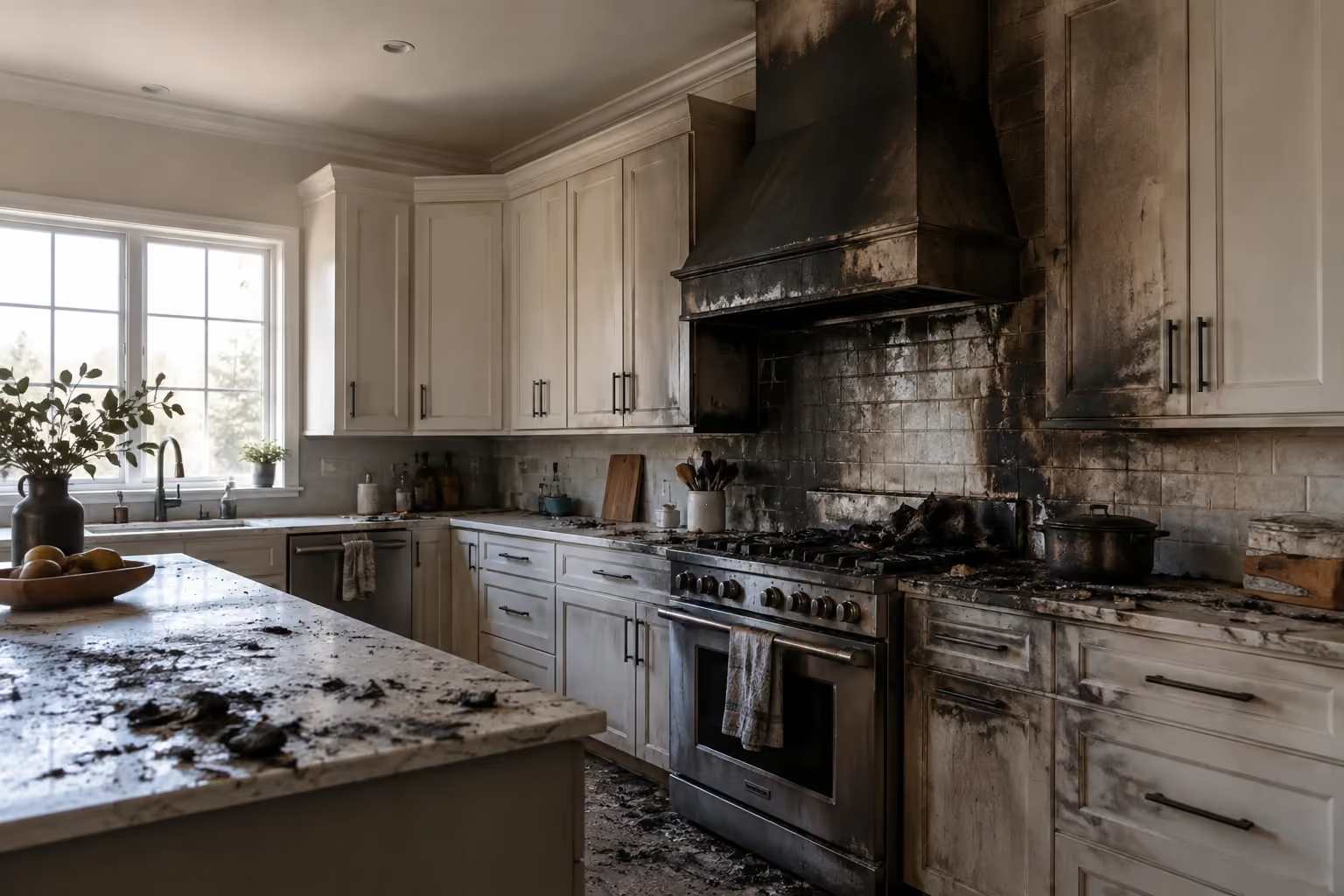
These project images show contained detail cleaning and fire-damage conditions connected to contents decisions. They do not establish that a particular item, material, or loss can be restored.
Project view 1A contained work area helps separate active cleaning from nearby protected surfaces and belongings.
Project view 2Protection, containment, and careful sequencing matter when restoration work occurs around cabinets and household property.
Project view 3Fire and smoke losses can combine structural cleanup with separate item-by-item contents decisions. This project image shows the room, not a promise about any individual belonging.
COMMON QUESTIONS
Contents Cleaning FAQs
Item evaluation, immediate steps, fire and water damage, mold concerns, pack-out planning, specialty processes, documentation, commercial properties, timing, and Osceola County coverage.
Contents cleaning is the review, documentation, cleaning coordination, and handling plan for belongings affected by water, fire, smoke, mold, storm, or related contamination. The appropriate step depends on the item material, damage, contamination, condition, safety, and authorized scope.
Hugo Fire & Water Restoration provides 24/7 contents-cleaning intake throughout Osceola County. The St. Cloud-based team can help document, inventory, evaluate, and coordinate cleaning or handling for residential and commercial belongings when the property and work area can be accessed safely.
Avoid discarding affected items before they are photographed and listed unless safety, health, an authority, or an urgent condition requires removal. Documentation can help organize restoration decisions and insurance communication, but it does not guarantee coverage or payment.
No. Some items may not be suitable for cleaning or restoration because of their material, damage, contamination, condition, safety, cost, manufacturer guidance, or applicable decision-maker requirements. Each item or item group needs an appropriate review.
Hugo can review, document, and coordinate authorized contents cleaning after fire or smoke damage. Soot type, heat, odor, material, surface finish, water exposure, and prior condition affect the method and feasibility. Specialty items may require another qualified provider.
The team considers the water source, time, material, porosity, finish, corrosion risk, visible condition, and microbial concerns. Items may be documented, separated by handling need, dried or cleaned when appropriate, referred to a specialist, or held for another authorized decision.
Hugo can review contents needs as part of a mold-remediation plan. Suspected growth and debris should not be disturbed casually. Material, contamination, condition, moisture source, containment needs, and any applicable remediation protocol affect the handling decision.
Pack-out planning may be coordinated when authorized work requires organized labeling, packing, movement, or return steps. It does not mean every item will be moved, that every item is restorable, or that Hugo operates an in-house storage facility. The actual scope and responsible providers are confirmed for the property.
Ask Hugo which items need a qualified specialty provider. Confirm who will handle evaluation and treatment before authorizing specialty recovery work.
Applicable records can include room context, photographs, item or group descriptions, visible condition, damage type, handling status, cleaning or referral notes, progress records, and remaining decisions. The documentation is factual and does not determine insurance coverage or value.
Yes. Hugo can coordinate contents needs for authorized commercial and managed-property losses when conditions and scope permit. Hotels, rentals, restaurants, retail, offices, and multifamily sites may add guest, tenant, inventory, operating-hour, ownership, and access considerations.
Hugo's verified 15-minute dispatch process begins coordination after emergency intake. It does not promise a specific arrival time. Location, safety, access, roads, weather, demand, authorization, and crew availability can affect timing.
No. Hugo can organize applicable photographs, inventories, condition notes, and restoration records, but the carrier and policy determine coverage, approval, payment, reimbursement, valuation, and claim outcomes.
Share the address, what happened, whether the property is safe to enter, the damage type, affected rooms, types of belongings, residential or commercial use, active water or smoke conditions, known contamination concerns, and the best authorized contact.
Hugo accepts contents-cleaning requests throughout Osceola County, including Kissimmee, St. Cloud, Poinciana, Celebration, Buenaventura Lakes, Narcoossee, and nearby communities. Timing depends on the exact address, conditions, access, demand, and crew availability.
COUNTY SERVICE AREA
Contents Cleaning Requests Across Osceola County
Choose a nearby community page for broader local restoration information. The exact address, site conditions, safety, access, demand, and crew availability affect response coordination.
CENTRAL FLORIDA GUIDE
Review the Main Contents Cleaning Guide
Learn how contents cleaning works, which belongings may need attention, and what to discuss before work begins.
Contents cleaning in Osceola County: your first call
Describe safe observations for contents cleaning in Osceola County. Note when you first noticed damage to belongings in Osceola County and whether conditions change.
Reviewed by Hugo Fire & Water Restoration on .
What should I do before arranging contents cleaning in Osceola County?
Leave unsafe areas and keep others away from hazards. Describe damage to belongings only from a safe location.
Safe observations before contents cleaning in Osceola County
Do not enter hazardous areas. Avoid wet electrical areas. Report active water only when safely observable.
Identify known access hazards when requesting contents cleaning in Osceola County
Explain what has changed since you noticed damage to belongings in Osceola County
Property details for contents cleaning in Osceola County
For contents cleaning in Osceola County, share the address, affected areas, and timing. For contents cleaning in Osceola County, identify known sources. For contents cleaning in Osceola County, provide access instructions and authorized contacts.
List rooms, units, or belongings with contents damage in Osceola County
Distinguish the damage timeline from completed contents cleaning work in Osceola County
Records supporting contents cleaning in Osceola County
Keep safe photos and dated area labels for contents cleaning in Osceola County. Save contacts, receipts, messages, and completed-work notes for Osceola County contents cleaning.
Take photos of damage to belongings only from a safe position
Group incident records separately from completed-work notes for contents cleaning in Osceola County
Questions to ask before work begins: Contents cleaning in Osceola County
Can I call early about contents cleaning in Osceola County?
Yes, discuss safe observations when asking about contents cleaning in Osceola County. Explain when you noticed damage to belongings in Osceola County. For contents cleaning in Osceola County, report whether any known source remains active.
What documentation can Hugo discuss for contents cleaning in Osceola County?
Hugo can organize factual incident and completed-work records for contents cleaning in Osceola County. Your policy and insurance carrier determine coverage.