Restoration Insurance Documentation Support in Osceola County, FL
After water, fire, smoke, mold, storm, board-up, roof-tarping, or contents work, Hugo can help keep factual restoration records organized around the property, affected areas, mitigation activity, drying progress, temporary protection, cleanup, and authorized project communication.
Hugo Fire & Water Restoration is a restoration contractor, not a public adjuster or insurance carrier. Policy requirements vary; contact the carrier or a licensed insurance professional for coverage questions.
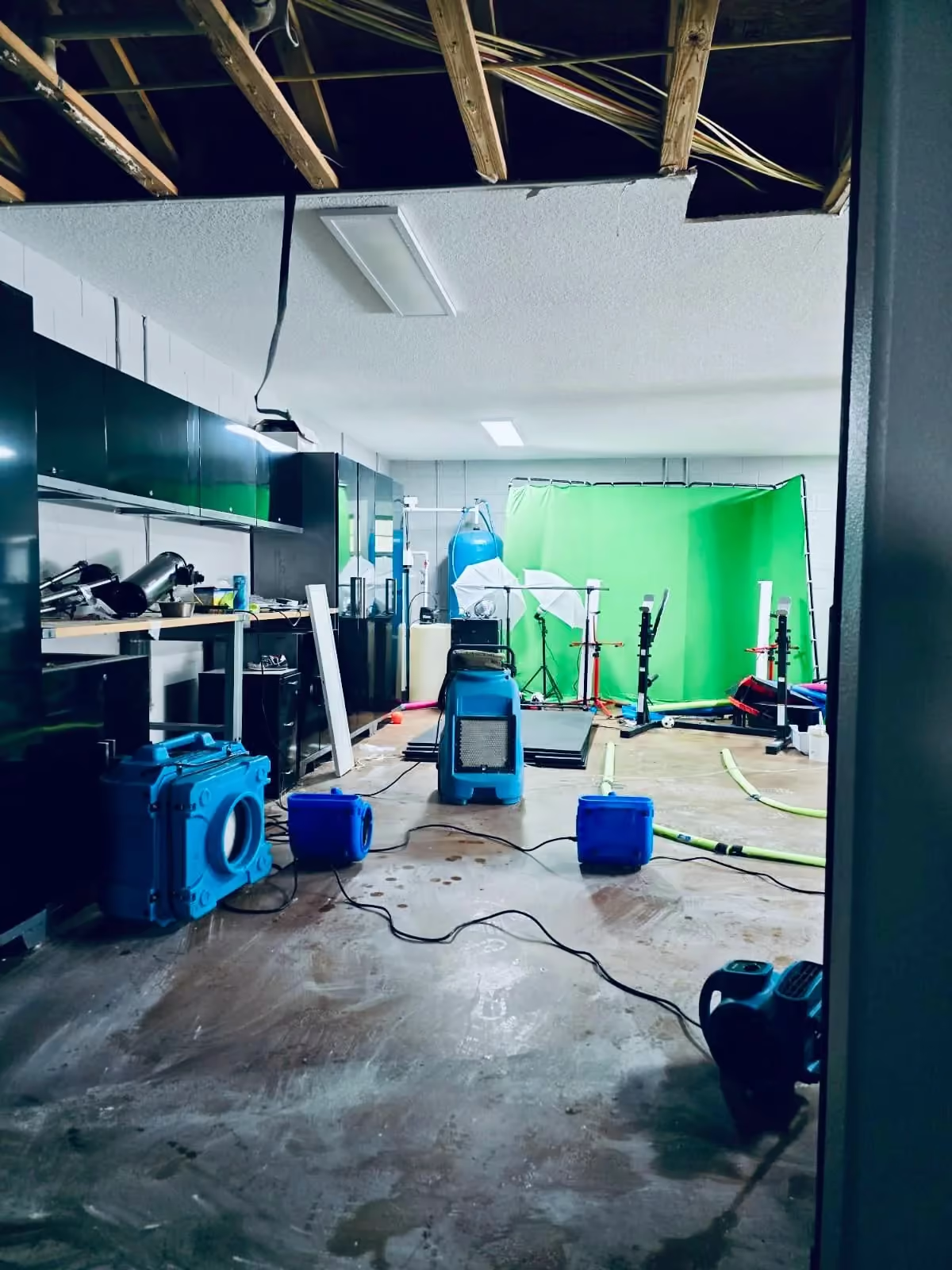
Drying equipment and protected work areas during Hugo restoration work. Keep room names, dates, photos and drying records together to help explain the work performed.
24/7 Phone Support
St. Cloud-based team
Factual restoration records
English and Spanish support
Authorized communication
Verified dispatch process
The verified 15-minute timeframe begins dispatch coordination after intake and is not a guaranteed arrival time. Restoration records do not determine coverage, approval, reimbursement, or payment.
WHAT TO EXPECT
Who Helps Organize Restoration Records in Osceola County?
Hugo Fire & Water Restoration helps Osceola County property owners organize factual restoration records after property damage. Depending on the authorized work, the file may include damage photos, affected-area notes, mitigation records, moisture readings, drying logs, temporary-protection notes, contents records, cleanup details, receipts, and project communication. Coverage and payment decisions remain with the insurance carrier.
What Hugo Can Document—and What the Carrier Decides
Keeping these roles separate helps customers understand which questions belong with the restoration contractor and which belong with the carrier or another properly licensed professional.
Hugo can help with factual restoration records
Record visible property conditions and affected areas when they are part of authorized restoration work
Organize applicable photos, mitigation notes, moisture information, drying logs, cleanup records, and contents details
Document temporary board-up or roof-tarping work and related restoration activity
Provide receipts, authorizations, progress notes, and project communication that Hugo creates or receives
Coordinate reasonable site access and answer factual questions about documented restoration work when authorized
The carrier makes policy and payment decisions
Interpret the policy and determine whether a reported loss is covered
Apply deductibles, exclusions, limits, and other policy requirements
Decide what documentation is required and whether submitted information is sufficient
Determine approval, reimbursement, payment amount, and payment timing
Handle questions about policy rights, carrier decisions, and disagreements
START HERE
What Property Owners Should Do First
Safety and active damage come before paperwork. Capture only what can be documented without entering a dangerous area or delaying urgent property protection.
Call 911 first for active fire, collapse, electrical danger, gas odor, medical danger, or another life-safety emergency.
1Protect people first and call 911 for active fire, collapse, electrical danger, gas odor, medical danger, or another life-safety emergency.
2Stop an active source only when it can be done safely and without entering a dangerous area.
3Photograph visible conditions from a safe position before cleanup changes the scene.
4Call Hugo when emergency mitigation, drying, cleanup, board-up, tarping, contents work, or restoration records are needed.
5Contact the insurance carrier to report the event and ask what information it requires.
6Write down the date discovered, what happened, affected rooms, and emergency actions already taken.
7Keep receipts for emergency property protection and other damage-related expenses together.
8Do not discard affected materials or belongings before they are documented unless safety, an authority, or an urgent condition requires removal.
PRINT OR DOWNLOAD
Restoration-File Checklist
Not every project creates every record. Keep the items that apply, label them consistently, and record limitations instead of guessing about missing information.
Signed work authorizations, temporary-protection receipts, and other relevant project records.
Communication log
Dates, names, contact method, requested information, factual updates, and agreed next steps.
Keep private policy documents, identification, banking information, and other sensitive records in a secure channel. The short website form does not require those materials.
PREPARE FOR THE SITE VISIT
Before the Adjuster Arrives
A simple, factual file helps keep the visit focused on the property, visible conditions, emergency work, and available records.
Ask the carrier who will visit, how the appointment will be scheduled, and whether anyone else should attend.
Keep the property address, date discovered, claim number if available, and carrier contact information together.
Create a simple timeline of what happened and the emergency steps already completed.
Organize room-by-room photographs and label files with the date and location when practical.
Keep damaged areas accessible only when authorities and property conditions permit safe entry.
Have temporary-protection, mitigation, drying, cleanup, contents, and receipt records available when they apply.
Write down questions in advance so safety, access, documentation, and next steps are not missed.
Do not alter, stage, or recreate conditions for photographs. Keep the record factual.
QUESTIONS FOR THE CARRIER
Write These Down Before You Call
Hugo can answer questions about documented restoration work. Policy terms, deadlines, required submissions, deductibles, and carrier decisions should be confirmed directly with the carrier or a licensed insurance professional.
1. What is my claim number and primary carrier contact?
2. What deadlines or reporting requirements should I know about?
3. What photographs, forms, receipts, or contractor records do you want?
4. How should I submit documents, and which file types are accepted?
5. Should I keep damaged materials or belongings for inspection?
6. Who will inspect the property, and how will the visit be scheduled?
7. What emergency property-protection steps should I document?
8. How will I receive updates about carrier decisions and requests?
9. Who should I contact with questions about deductibles, limits, or policy terms?
10. What should I do if additional property damage is discovered during restoration?
DAMAGE-SPECIFIC RECORDS
How the Restoration File Changes by Damage Type
The useful record depends on the event, affected materials, authorized restoration activity, safe access, and records actually created for the property.
Water and Drying
Applicable records can include source information, affected rooms and materials, extraction activity, moisture readings, equipment notes, drying logs, demolition details, and progress photographs.
Applicable records can include official access status, visible fire and smoke conditions, soot observations, firefighting water, board-up, contents notes, cleaning activity, and progress photographs.
Applicable records can include roof or opening photographs, water entry, debris, board-up, roof-tarping, affected interiors, access limits, and emergency property-protection receipts.
Applicable records can include the reported moisture source, affected-area observations, supplied assessor documents, containment information, material decisions, cleaning records, and project communication.
The process follows the property from intake through completed authorized restoration records. It does not replace the carrier's separate policy and claim process.
1
Confirm Safety and Address
Start with life-safety concerns, the property address, safe access, occupants, and authorized contacts.
2
Record the Event
Capture what happened, when it was discovered, the reported source if known, and affected areas.
3
Protect the Property
Coordinate authorized extraction, stabilization, board-up, roof-tarping, or another urgent restoration step when applicable.
4
Document Initial Conditions
Create applicable photographs, affected-area notes, visible-condition records, and access limitations.
5
Track Authorized Work
Keep mitigation, moisture, drying, cleanup, contents, equipment, and progress records tied to the project.
6
Organize the File
Use consistent dates, room names, filenames, receipts, authorizations, and communication notes.
7
Coordinate Factual Questions
When authorized, provide applicable restoration records and answer questions about documented work or site access.
8
Close the Restoration Record
Summarize completed work, unresolved conditions, remaining restoration steps, and final project communication.
AUTHORIZED COMMUNICATION
How Hugo Can Communicate With an Adjuster
When appropriate and authorized, Hugo can coordinate around site access and factual restoration records. The communication stays tied to work Hugo observed, performed, documented, or received.
Hugo can
Coordinate a reasonable site-access window with an authorized contact
Share applicable restoration photographs, readings, logs, work notes, and receipts
Explain factual restoration activity Hugo performed or documented
Identify access limits, project changes, and remaining restoration dependencies
Answer restoration-record questions when the property owner authorizes communication
Hugo does not
Interpret policy wording or tell a customer whether damage is covered
Decide deductibles, exclusions, limits, reimbursement, or payment
Speak for the carrier, legal counsel, or an independently retained licensed professional
Promise that a document, service, or project record will produce a particular carrier decision
Replace the property owner as the person responsible for carrier questions and required submissions
PROPERTY-SPECIFIC RECORDS
Residential and Commercial Documentation Support
The file should reflect who controls the property, who can authorize work, how rooms or areas are named, and which contacts need updates.
Documentation for Homes, Condos, and Rentals
Residential records may involve occupied rooms, personal property, tenants, landlords, remote owners, associations, and temporary living arrangements. Hugo can help keep authorized restoration records tied to the correct rooms, contacts, dates, and work activity.
Documentation for Businesses and Managed Properties
Commercial files can add guests, tenants, employees, operating hours, multiple responsible contacts, priority areas, contents, and phased restoration. Clear location names, access notes, authorizations, and progress communication help keep the record usable.
Osceola County combines established neighborhoods, fast growth, vacation rentals, hospitality, multifamily properties, managed communities, schools, facilities, and commercial corridors.
Vacation and Seasonal Properties
A loss may be discovered after a delay, making timestamps, manager access, room labels, and remote-owner communication especially important.
Hospitality and Guest Areas
Hotels and short-term rentals can add guests, bookings, furnishings, housekeeping teams, access windows, and multiple responsible contacts.
Multi-Unit Buildings
Separate units, common areas, associations, managers, residents, and shared building systems require precise location and authorization records.
Storm and Roof Openings
Wind-driven rain, roof damage, broken openings, temporary protection, and interior water may require several connected record types.
Warm, Humid Conditions
Delayed discovery can make moisture readings, drying progress, affected materials, and dates more important to the restoration file.
Growing Commercial Corridors
Kissimmee, St. Cloud, Celebration, Poinciana, and nearby areas include lodging, retail, healthcare, education, and managed properties with different access needs.
CONNECTED RESTORATION WORK
Related Services That May Create Project Records
Use the service that matches the active property condition. Documentation support stays connected to the restoration work actually needed and authorized.
Examples of Conditions and Work That Can Be Documented
These photographs show real Hugo project activity without displaying customer documents or private claim information. They illustrate record types, not a promised result for another property.
Drying equipment, exposed materials and a protected work area during Hugo restoration work. Photos can help document the affected room and work in progress.
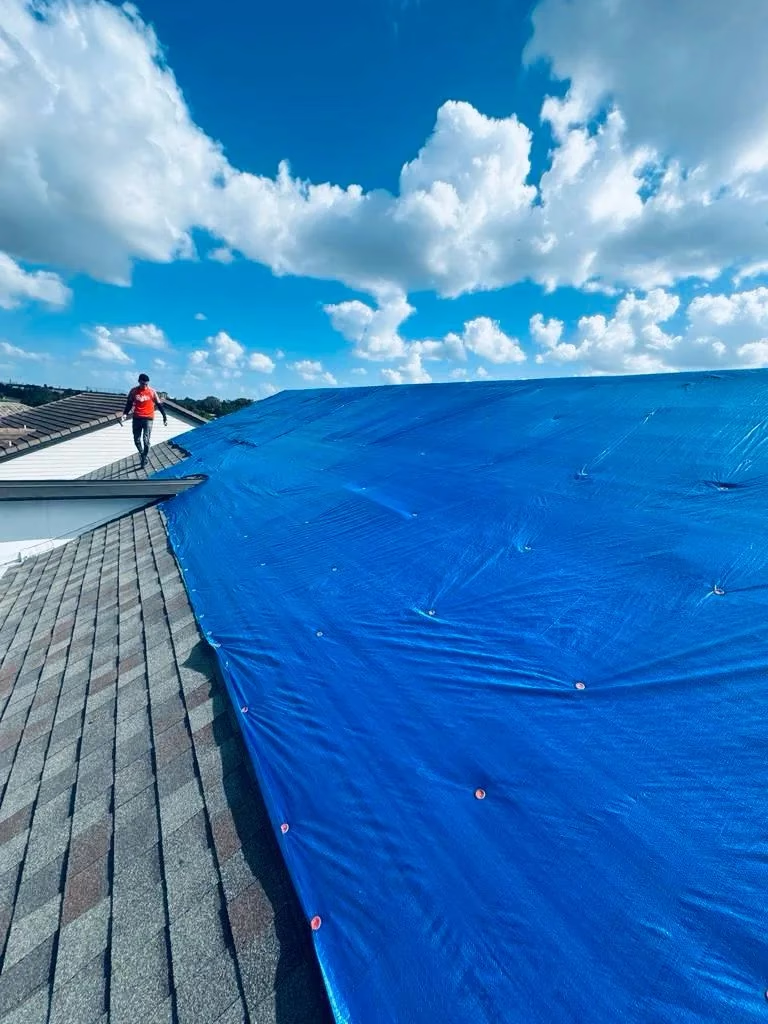
Temporary roof protection after damage. Keep photos and work notes with your restoration records; your insurer decides coverage.
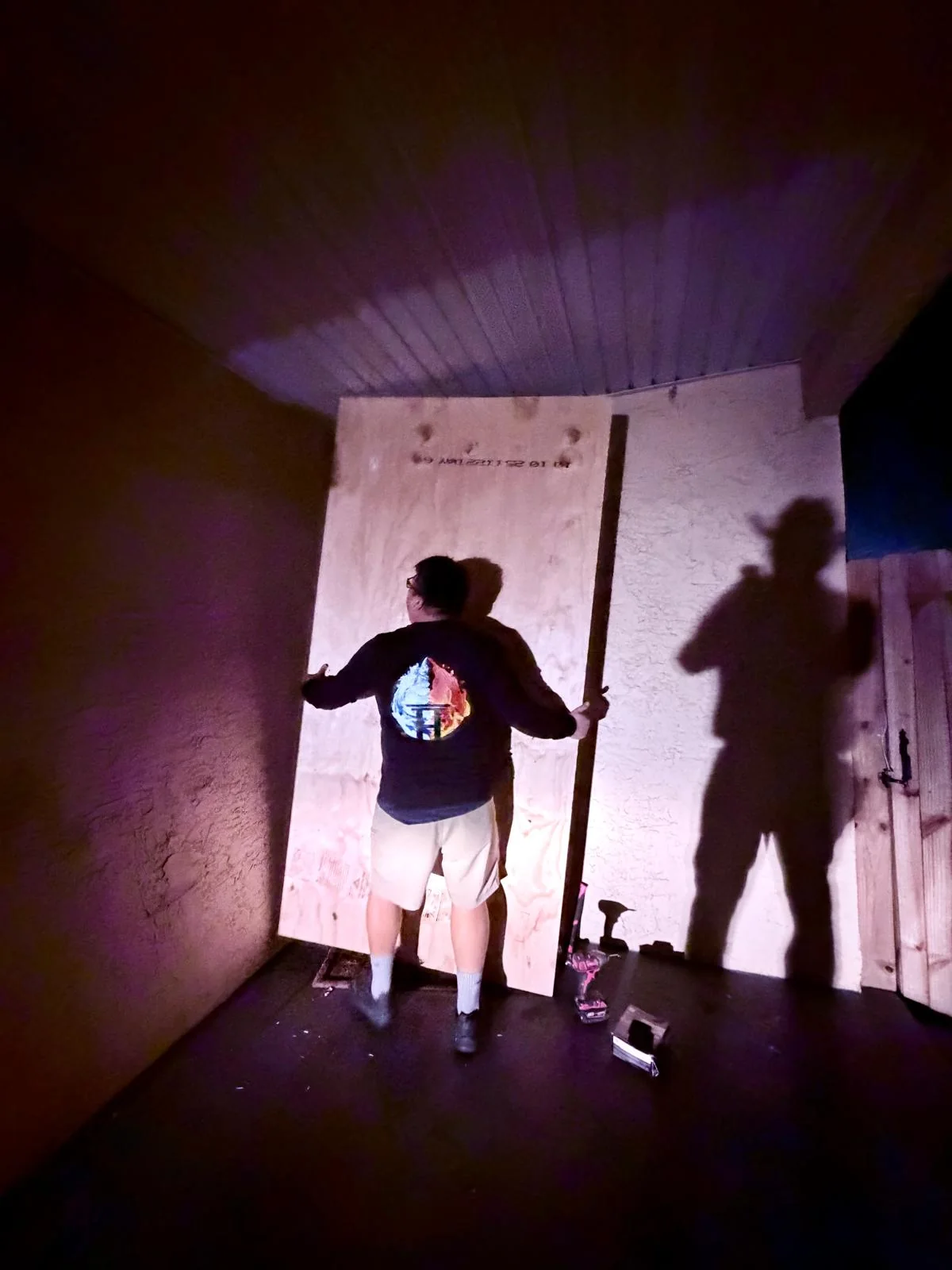
An after-hours board-up response. Record the openings protected, the date and time, and the property conditions for your restoration file.
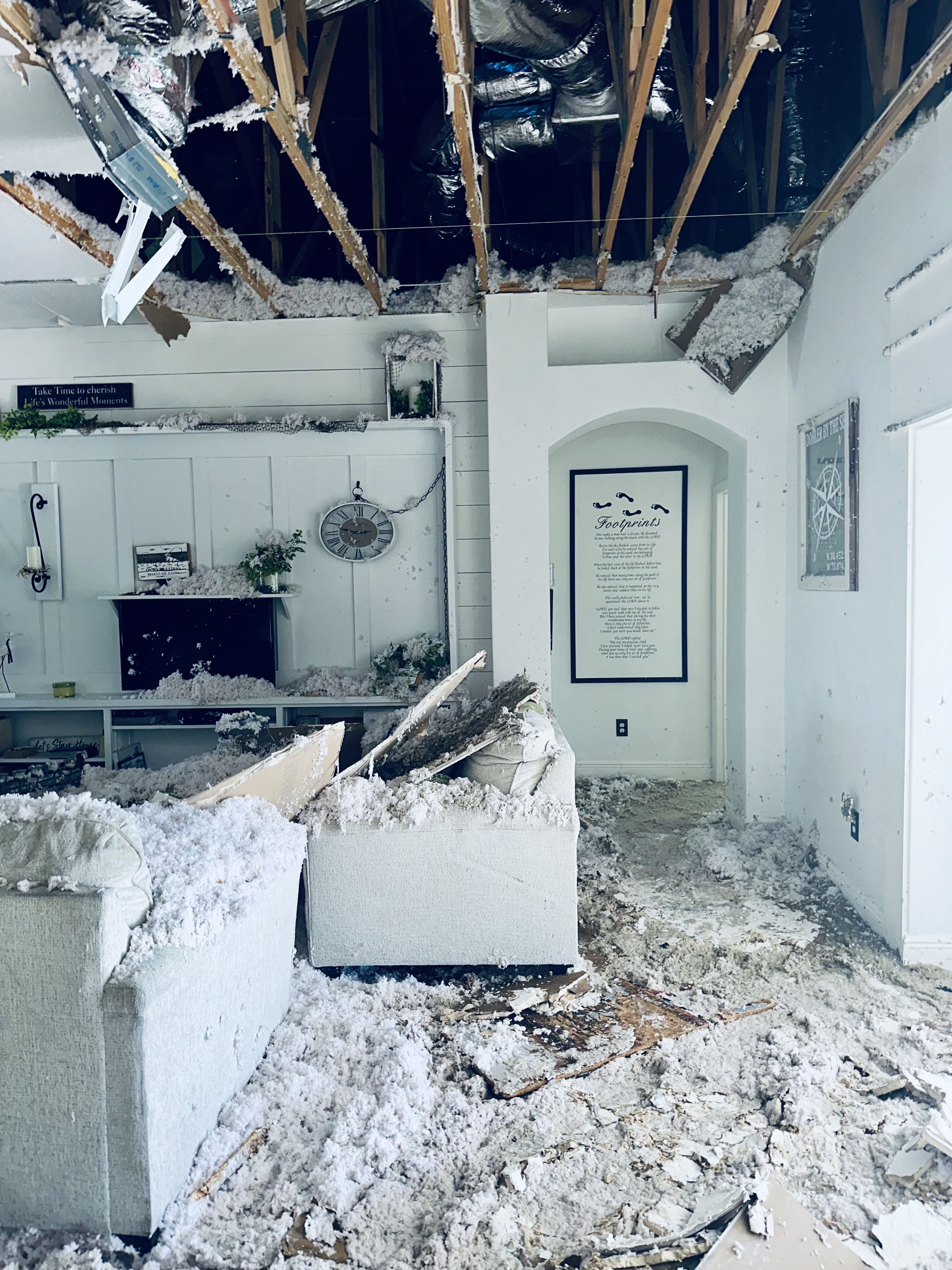
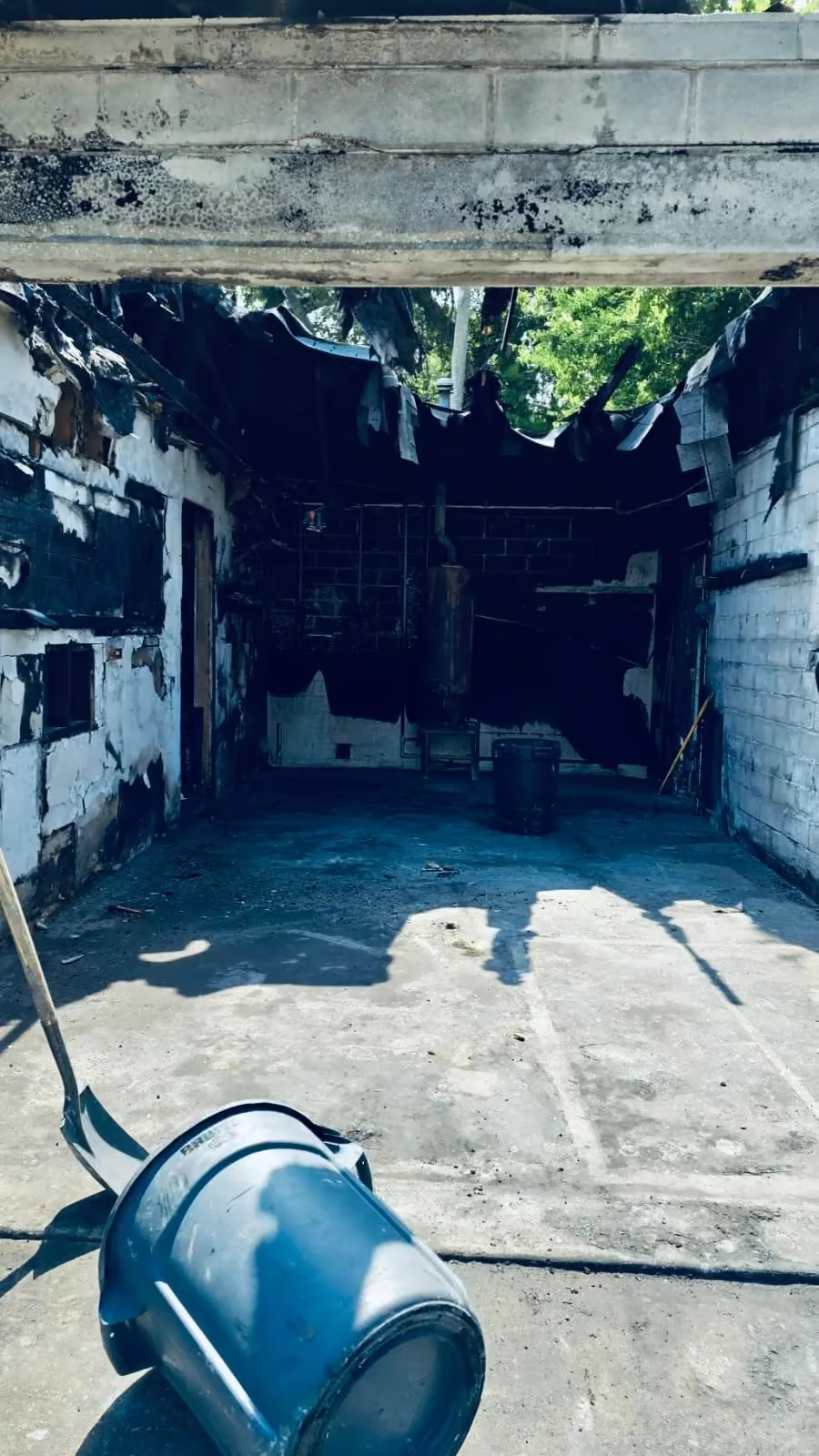
Visible fire damage before cleanup. Take wide room photos and close-up details from a safe location; your insurer decides coverage.
RESTORATION RECORDS FAQ
Questions About Documentation, Roles, and Next Steps
These answers describe Hugo's restoration-contractor role and point policy questions back to the carrier or an appropriately licensed professional.
It is help organizing factual records created during property-damage restoration. Depending on the authorized work, those records may include photographs, affected-area notes, mitigation activity, moisture information, drying logs, temporary protection, contents records, cleanup notes, receipts, and project communication.
No. Hugo Fire & Water Restoration is a restoration contractor, not a public adjuster or insurance carrier. Hugo documents restoration conditions and authorized work; the carrier and other properly licensed professionals handle their separate responsibilities.
No. Contact the carrier or a licensed insurance professional for questions about policy wording, deductibles, limits, exclusions, deadlines, and coverage. Hugo can answer factual questions about restoration records Hugo created or received.
The insurance carrier applies the policy to the reported event and decides coverage. Hugo does not make that decision and does not promise approval, reimbursement, payment, or timing.
Keep property and contact details, a simple timeline, damage photographs, affected-room notes, mitigation and drying records when applicable, temporary-protection records, contents information, receipts, authorizations, cleanup notes, and a communication log.
Photograph visible conditions only from a safe location. Do not enter restricted or dangerous areas solely to take pictures, and do not delay urgent property protection when safety or active damage requires immediate action.
When appropriate and authorized, Hugo can help coordinate a reasonable site-access window and identify project areas, access limits, and documented restoration activity. Safety, property control, customer authorization, and current work conditions still govern access.
When the customer authorizes communication and the records are available, Hugo may provide applicable restoration photographs, logs, work notes, receipts, and progress information. The customer should confirm the carrier's required submission method and deadlines.
Ask for the claim number, primary contact, deadlines, required documents, accepted submission method, inspection plan, instructions about damaged materials, and where to direct questions about the policy or carrier decisions.
Applicable records can include the reported source, affected rooms and materials, extraction activity, moisture readings, equipment notes, drying logs, material-removal details, and progress photographs.
Applicable records can include official access status, visible fire and smoke conditions, soot observations, firefighting water, board-up, contents notes, cleaning activity, odor-source work, and progress photographs.
Applicable records can include roof or opening photographs, water entry, debris, affected interiors, board-up or roof-tarping activity, access limits, contents records, and emergency property-protection receipts.
No. Organized records can make the restoration file easier to review, but the carrier and policy determine coverage, approval, reimbursement, payment amount, and payment timing.
No. The verified 15-minute timeframe begins dispatch coordination after intake. Location, safety, access, roads, weather, demand, authorization, and crew availability can affect arrival.
Yes. Authorized owners, managers, facilities, hotels, vacation-rental operators, multifamily properties, offices, retail, restaurants, and other supported sites can request restoration records tied to authorized Hugo work.
Hugo accepts restoration and documentation-support requests throughout Osceola County, including Kissimmee, St. Cloud, Poinciana, Celebration, Buenaventura Lakes, Narcoossee, and nearby communities. Timing depends on the exact address and current conditions.
COMMUNITY NAVIGATION
Restoration Help Across Osceola County
Use a community page for local property and access context, or call with the exact service address for intake.
This information explains Hugo's restoration documentation role across Central Florida, with Osceola County property, community, intake, and service context.
Hugo documents restoration conditions and authorized work. The carrier determines policy interpretation, coverage, approval, reimbursement, payment, and timing.
Osceola County Insurance Documentation Assistance Planning
Insurance records assistance in Osceola County: your first call
Describe safe observations for insurance records assistance in Osceola County. Note when you first noticed damage needing documentation in Osceola County and whether conditions change.
Reviewed by Hugo Fire & Water Restoration on .
What should I do before arranging insurance records assistance in Osceola County?
Leave unsafe areas and keep others away from hazards. Describe damage needing documentation only from a safe location.
Safe observations before insurance records assistance in Osceola County
Do not enter hazardous areas. Avoid wet electrical areas. Report active water only when safely observable.
Identify known access hazards when requesting insurance records assistance in Osceola County
Explain what has changed since you noticed damage needing documentation in Osceola County
Property details for insurance records assistance in Osceola County
For insurance records assistance in Osceola County, share the address, affected areas, and timing. For insurance records assistance in Osceola County, identify known sources. For insurance records assistance in Osceola County, provide access instructions and authorized contacts.
List rooms, units, or belongings affected by damage needing documentation in Osceola County
Distinguish the damage timeline from completed insurance records assistance work in Osceola County
Records supporting insurance records assistance in Osceola County
Keep safe photos and dated area labels for insurance records assistance in Osceola County. Save contacts, receipts, messages, and completed-work notes for Osceola County insurance records assistance.
Take photos of damage needing documentation only from a safe position
Group incident records separately from completed-work notes for insurance records assistance in Osceola County
Questions to ask before work begins: Insurance documentation assistance in Osceola County
Can I call early about insurance records assistance in Osceola County?
Yes, discuss safe observations when asking about insurance records assistance in Osceola County. Explain when you noticed damage needing documentation in Osceola County. For insurance records assistance in Osceola County, report whether any known source remains active.
What documentation can Hugo discuss for insurance records assistance in Osceola County?
Hugo can organize factual incident and completed-work records for insurance records assistance in Osceola County. Your policy and insurance carrier determine coverage.
Osceola Insurance Documentation Assistance Pages and Sources
Speak with Hugo about insurance records assistance in Osceola County
Call Hugo 24/7 about insurance records assistance in Osceola County. Send safe insurance records assistance in Osceola County details through the request form.